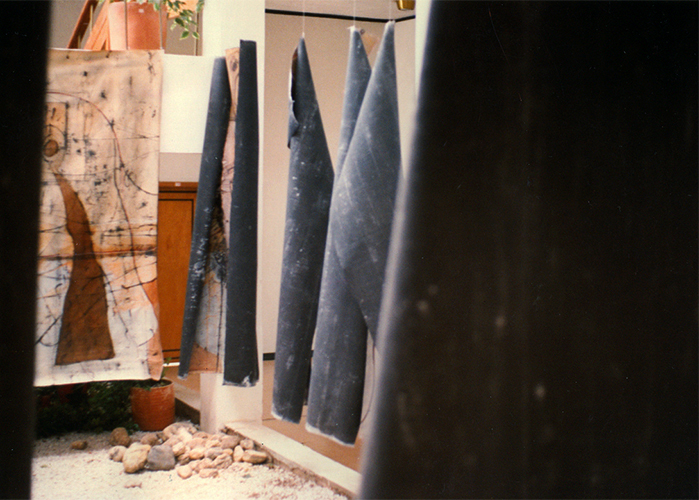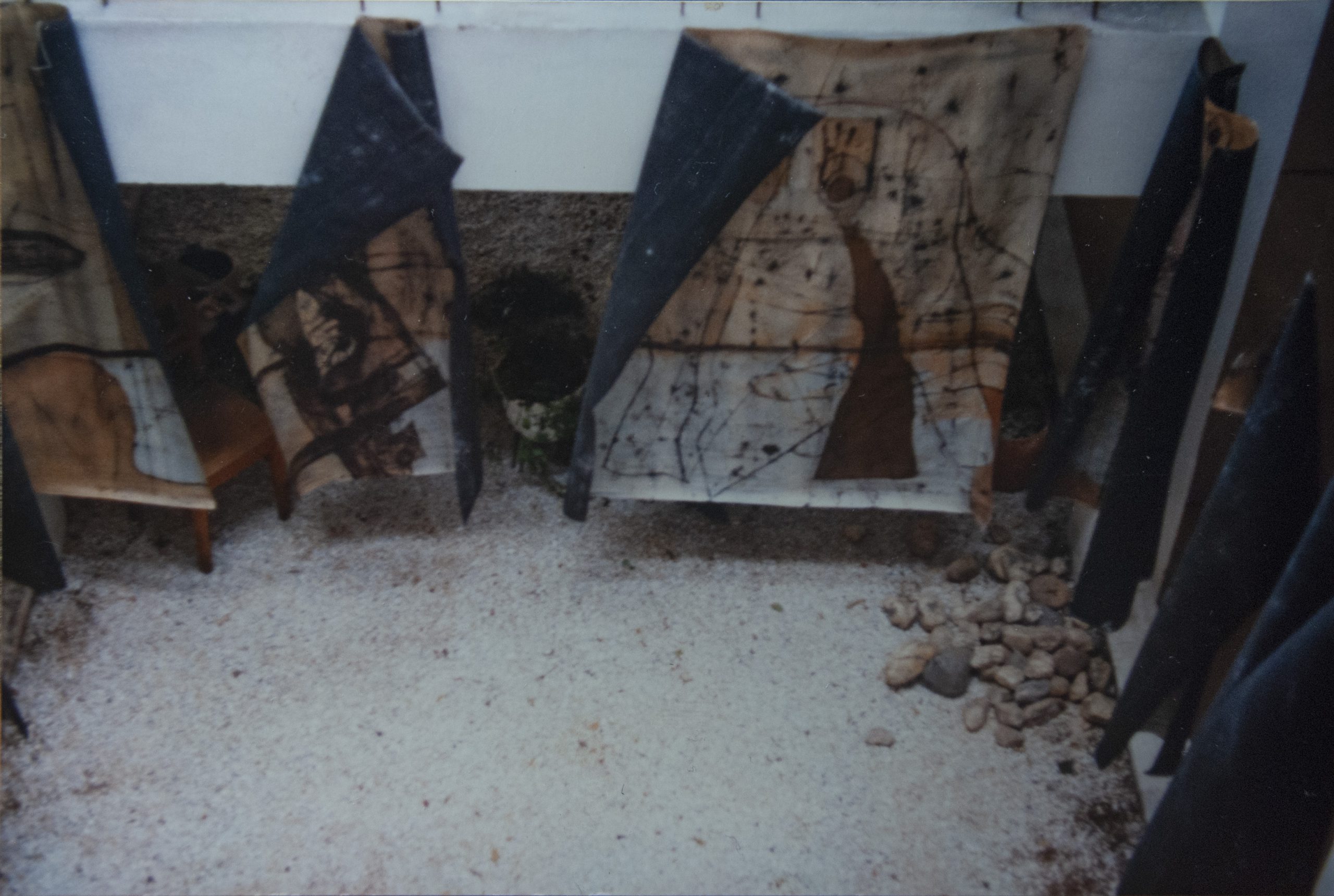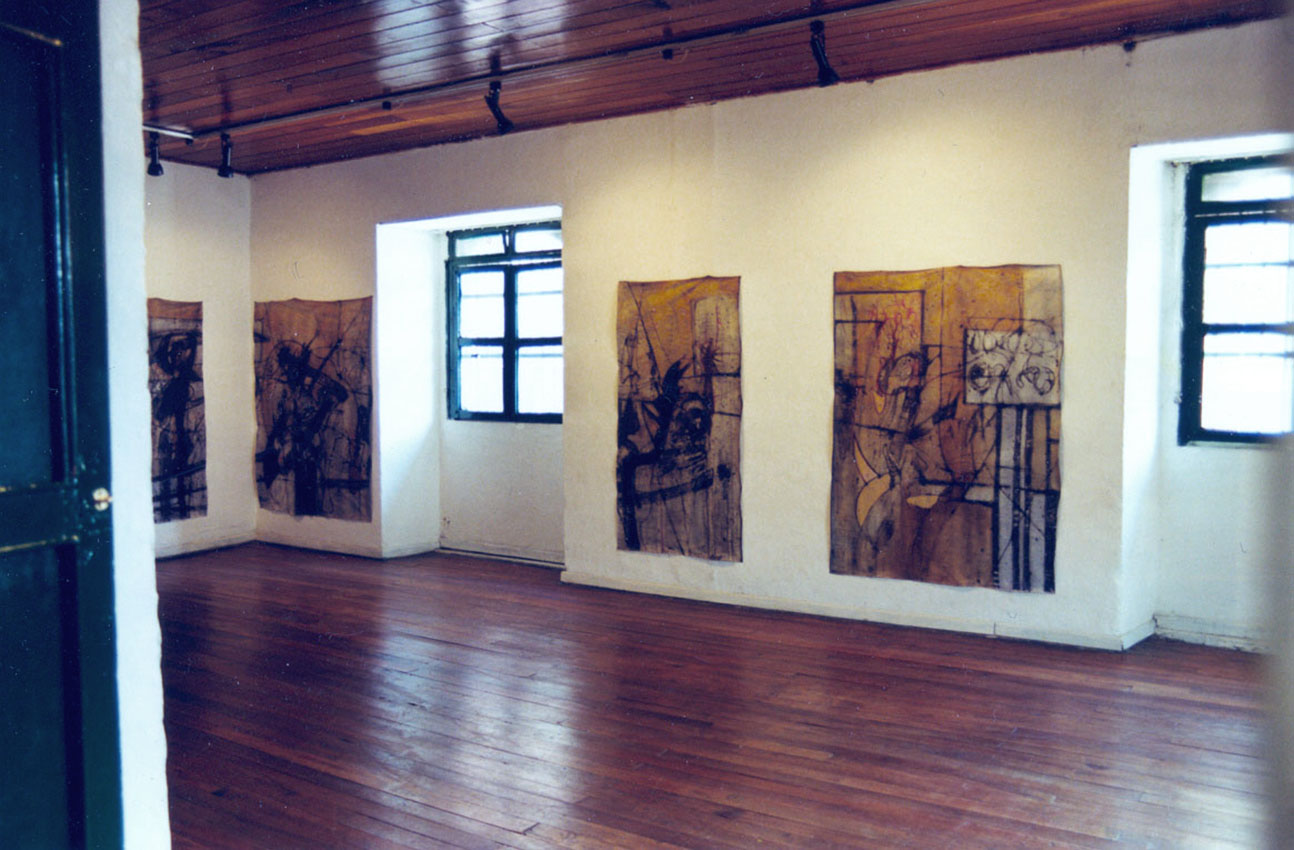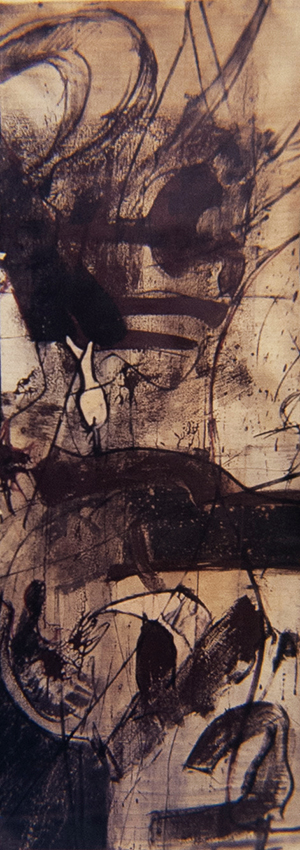

LINE OF FIRE

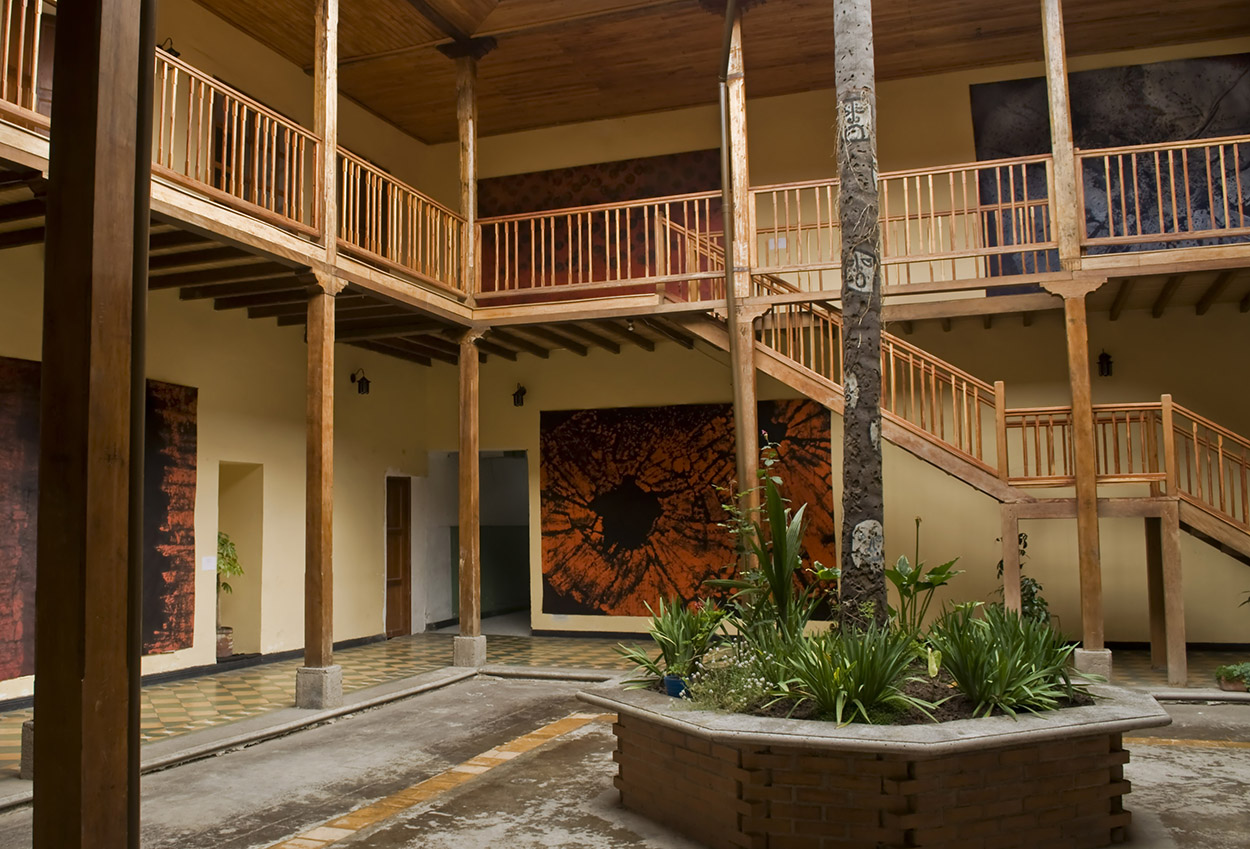
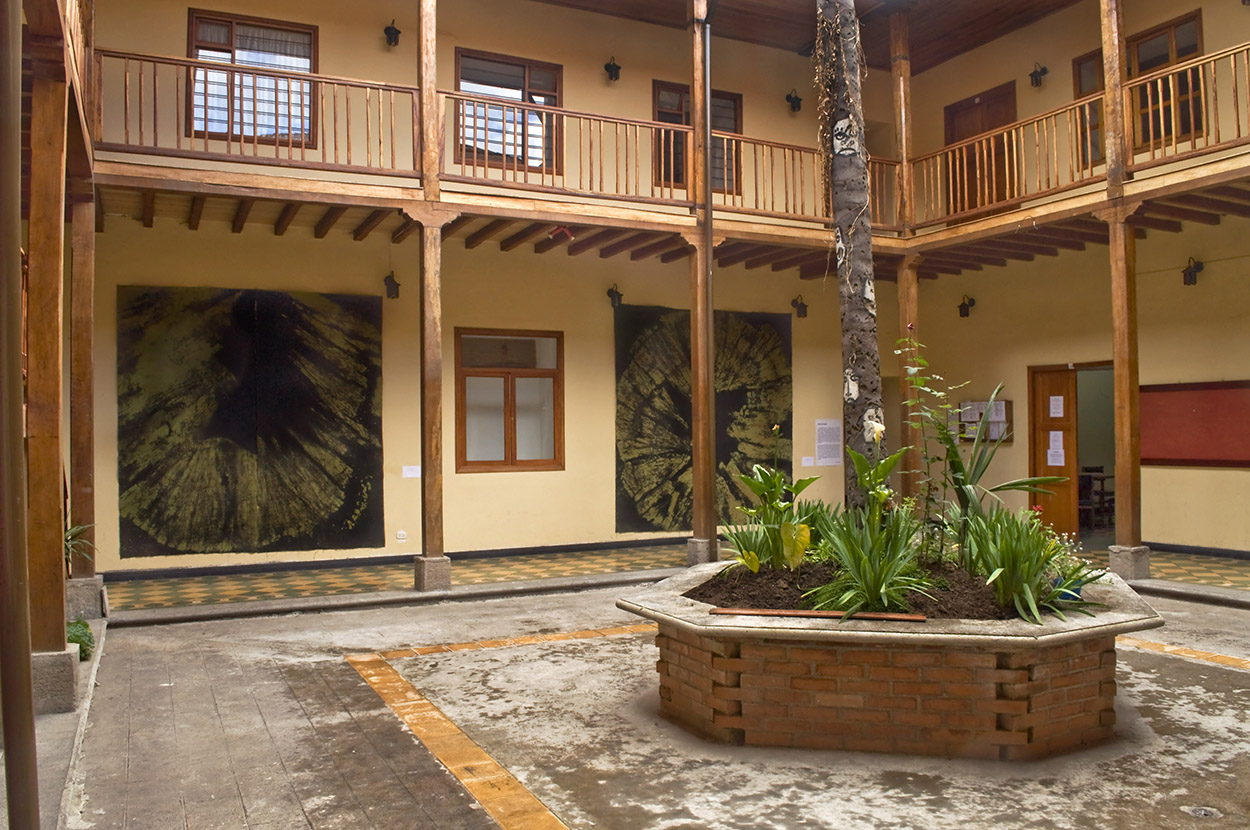
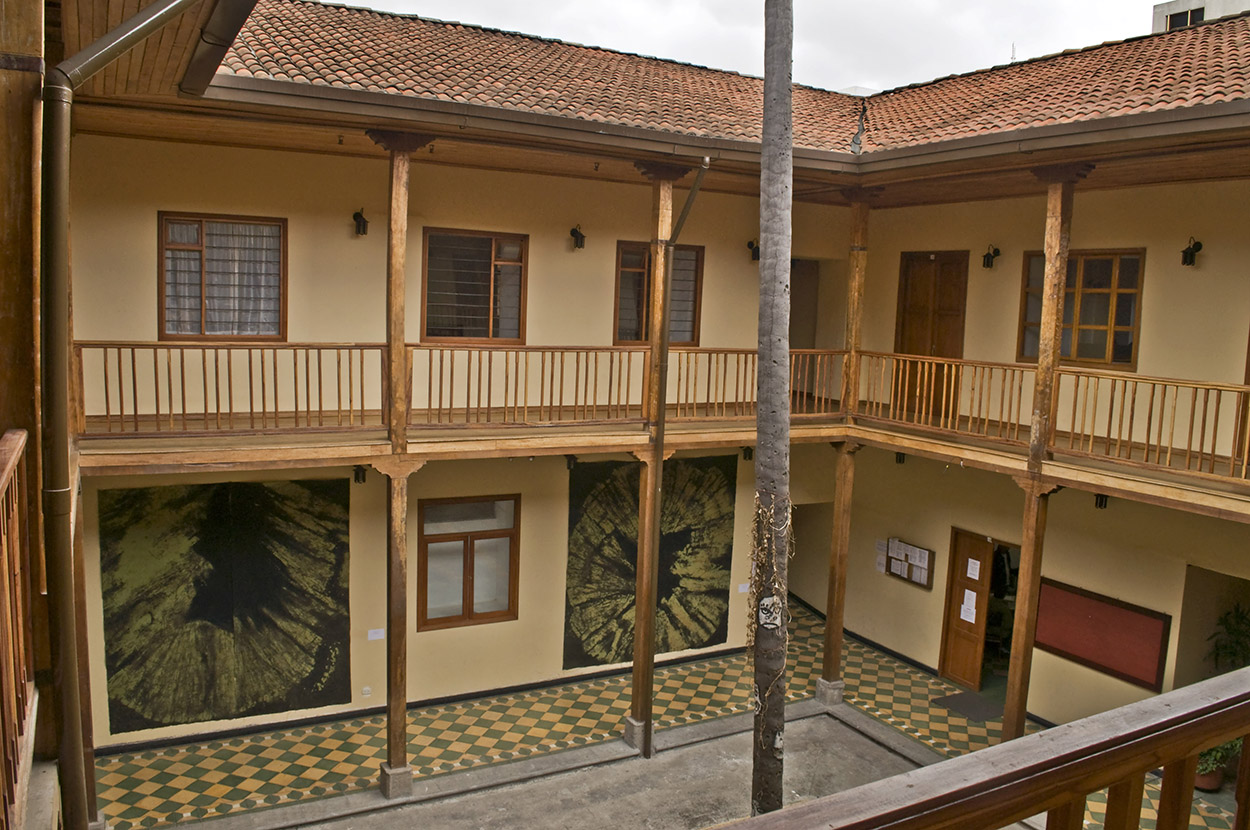
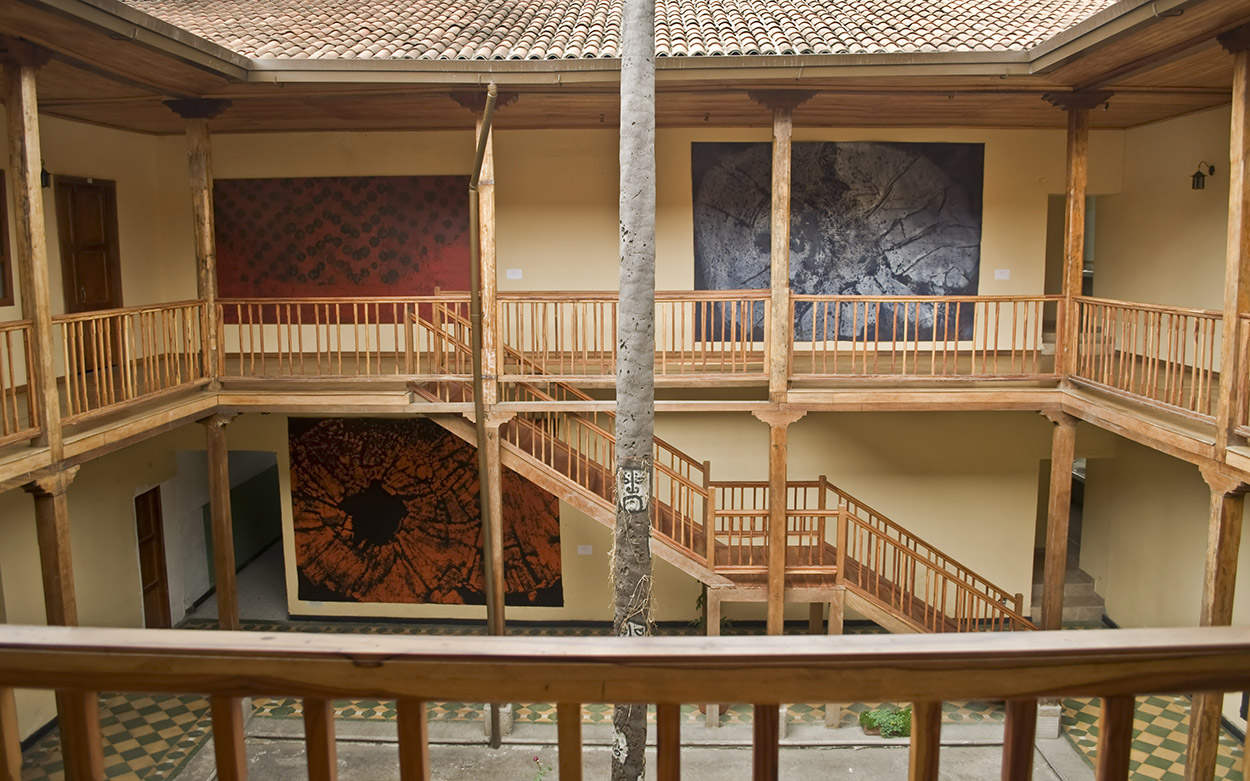
LINE OF FIRE + Seis Impresiones

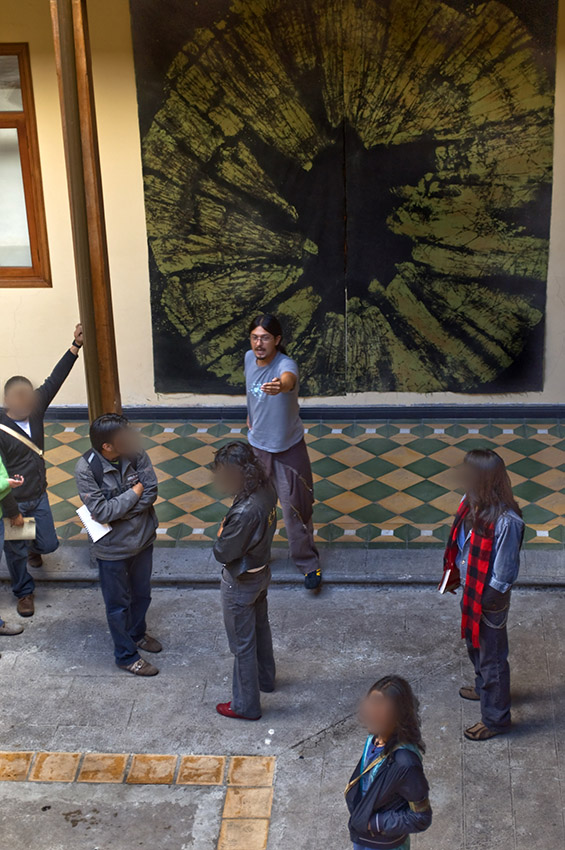
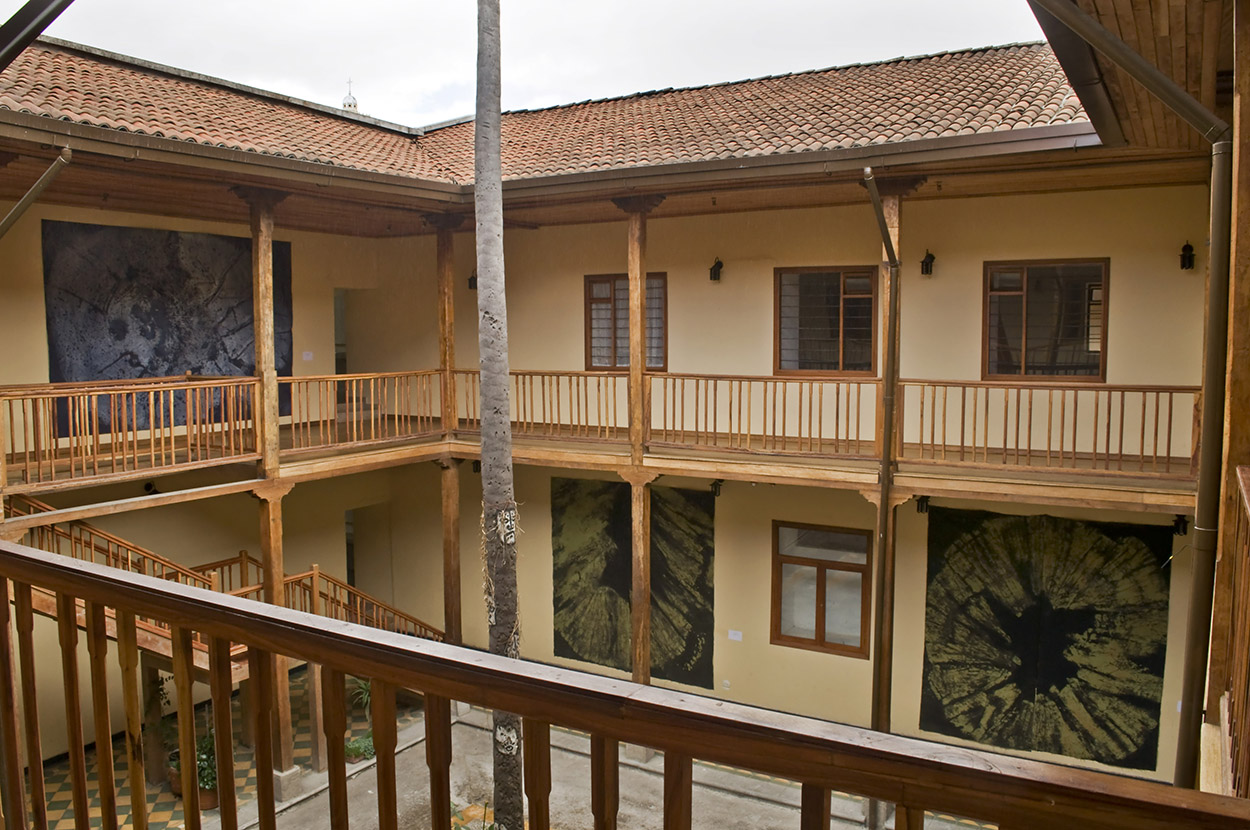
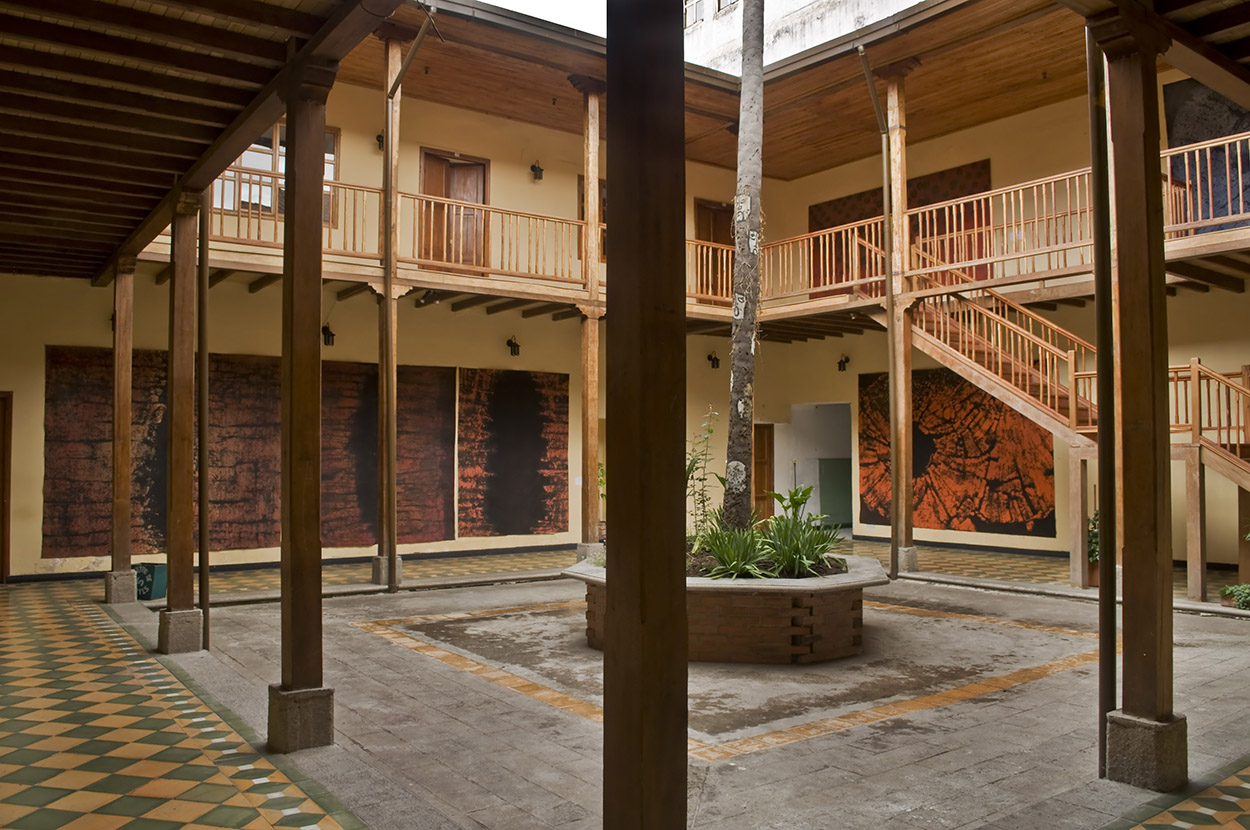
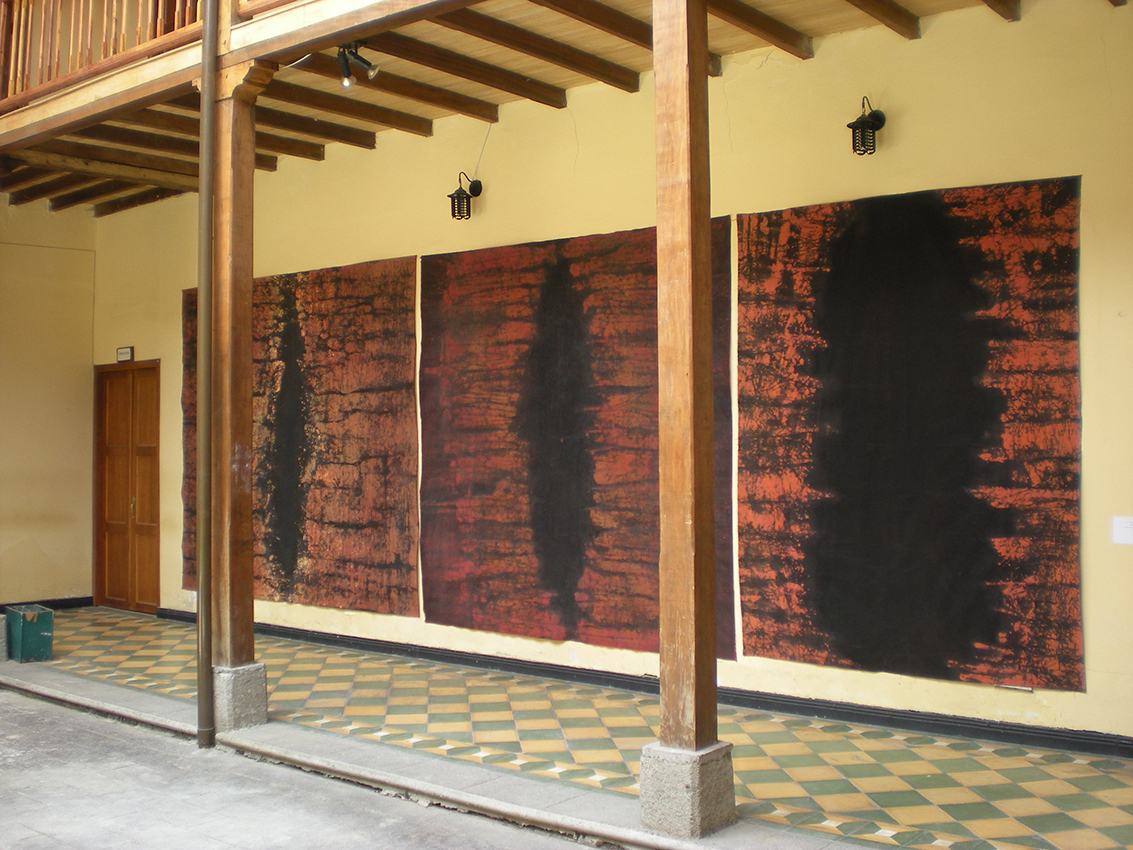
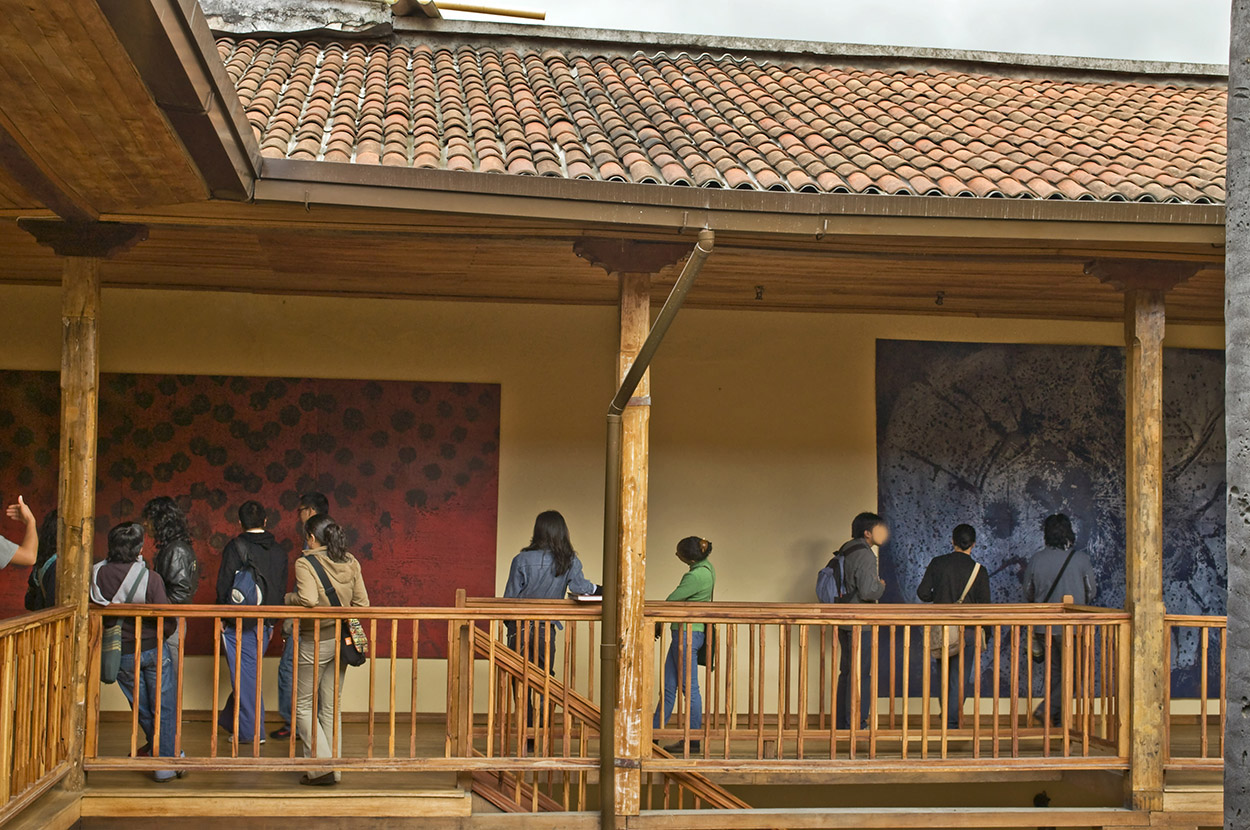
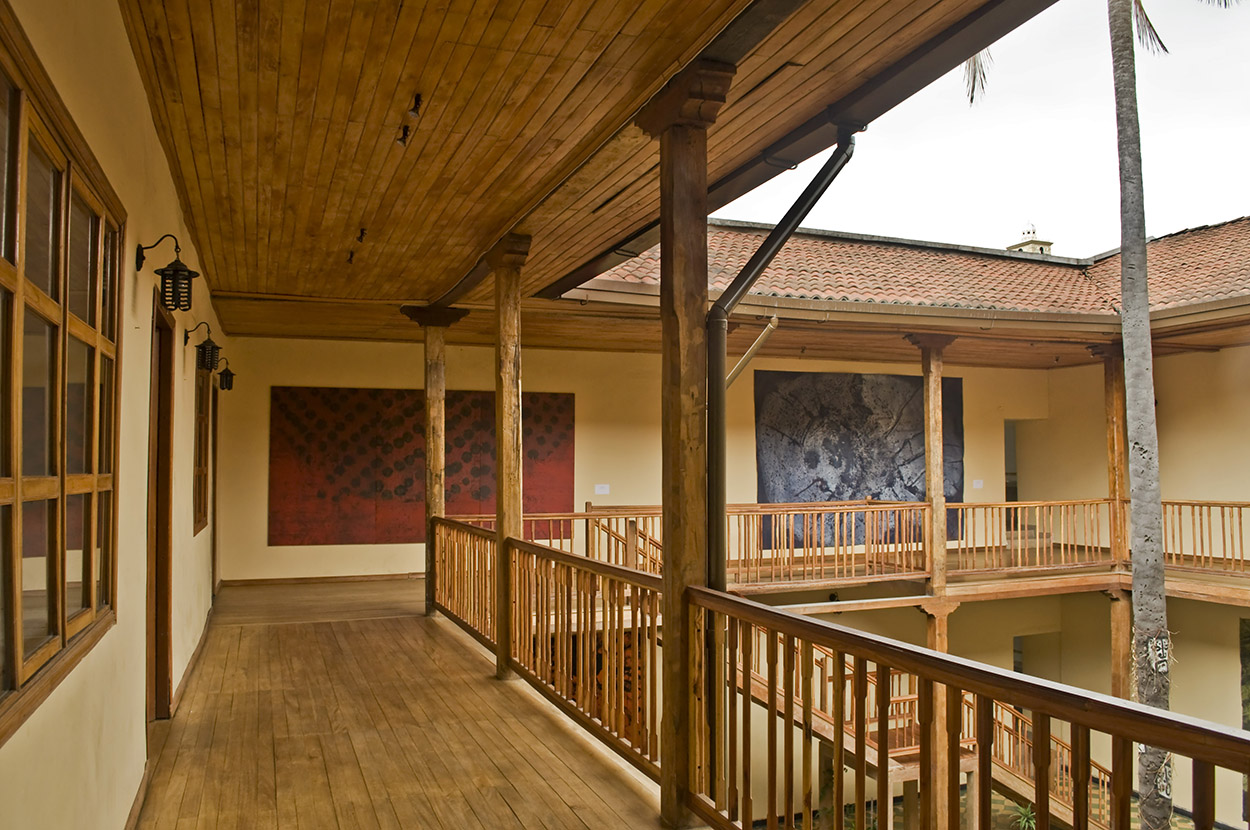
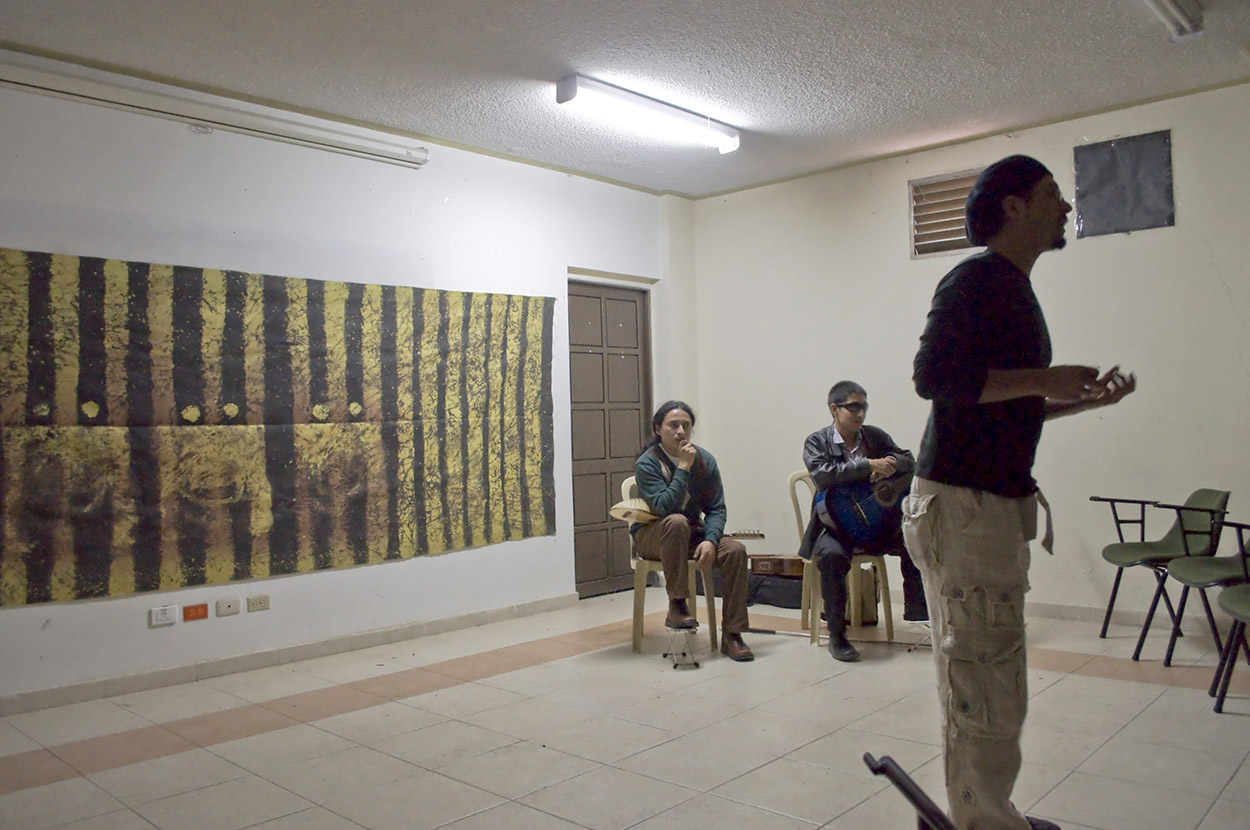
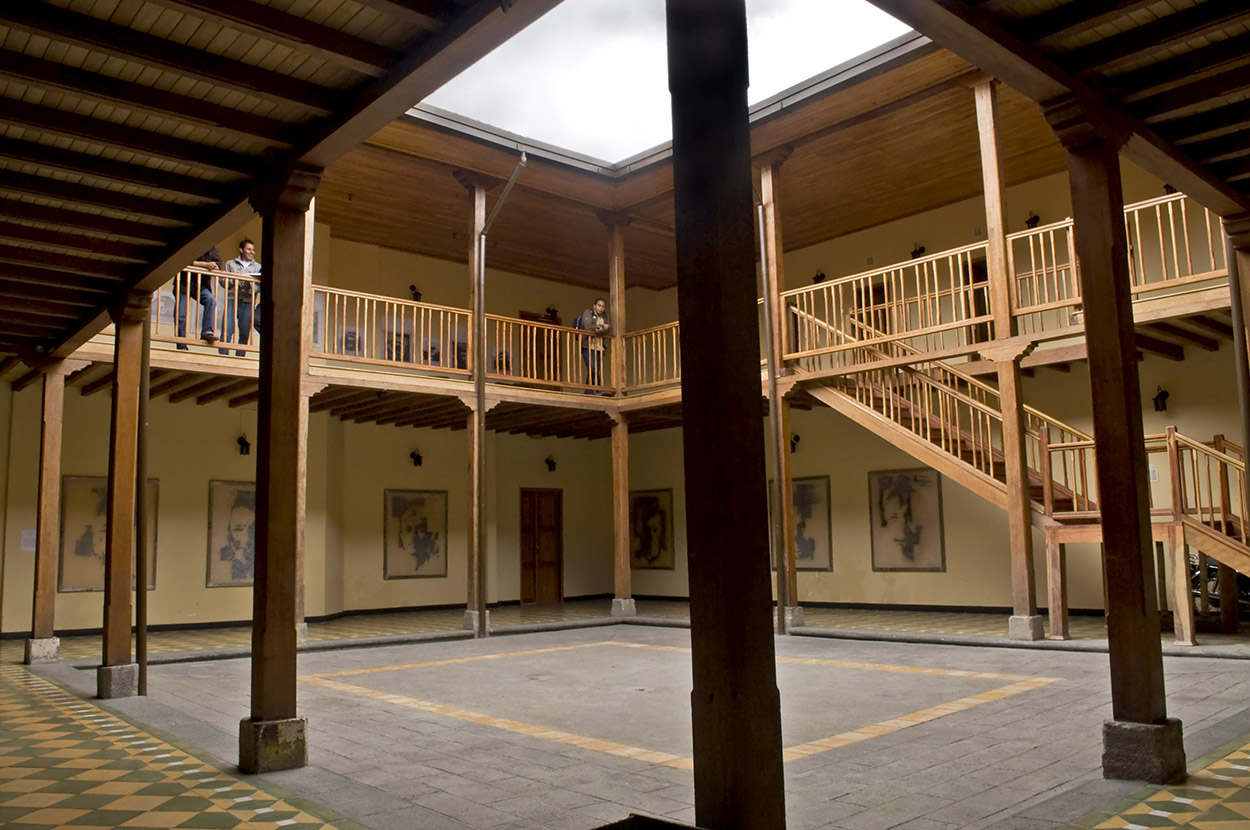
Facultad de Música - Universidad de Nariño - 2009
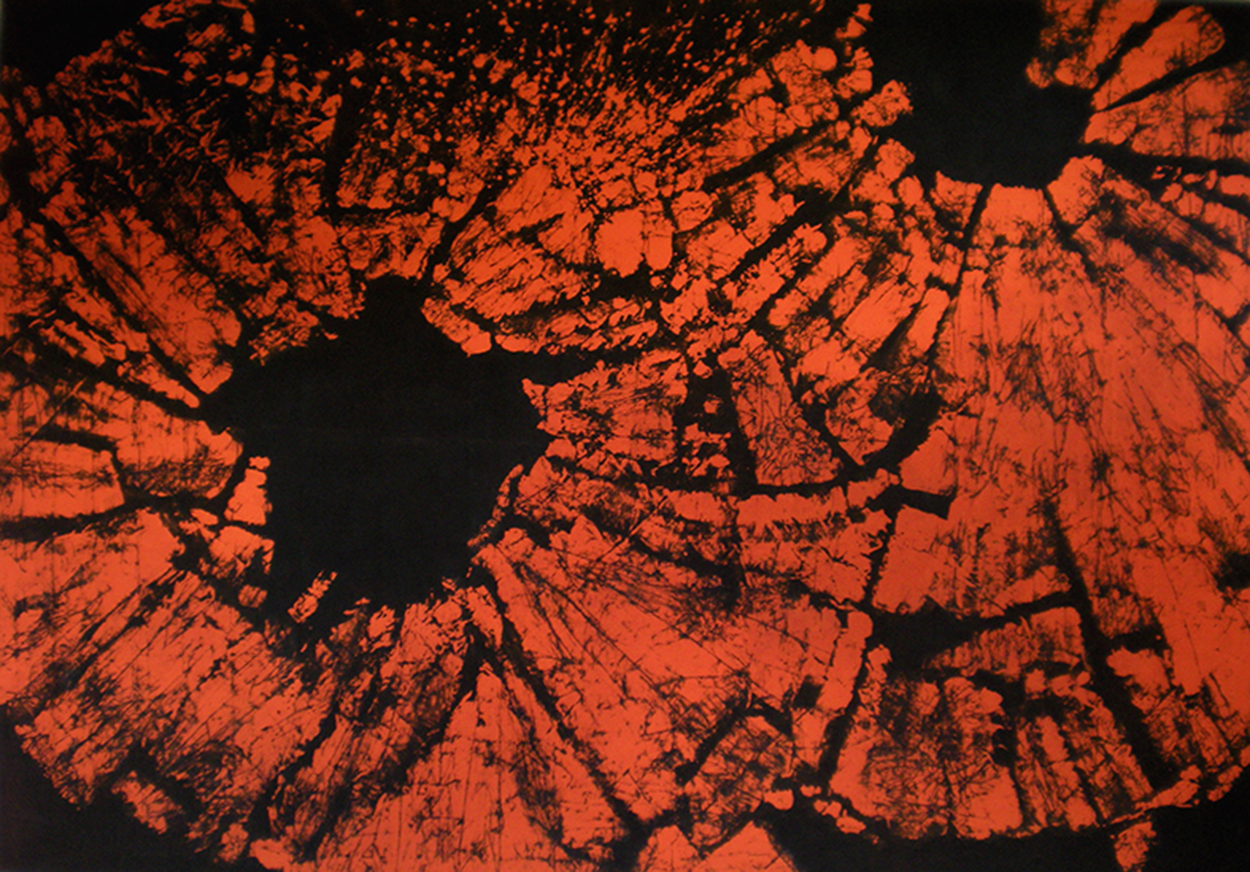
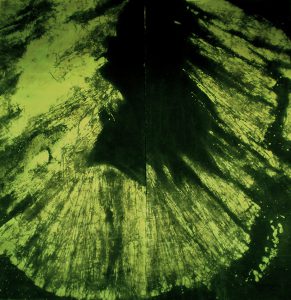
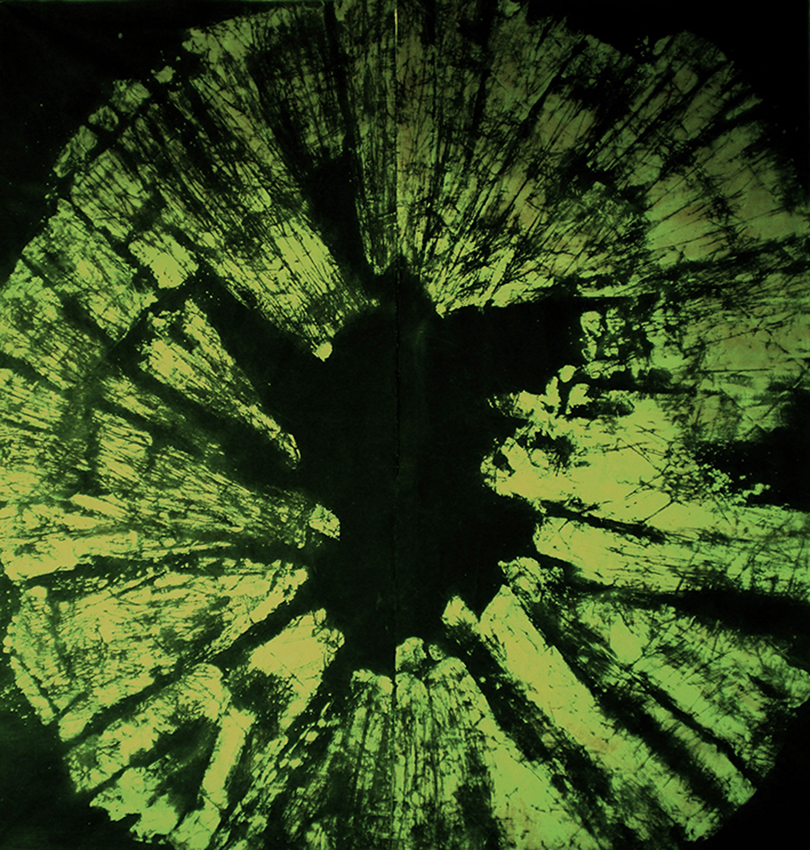
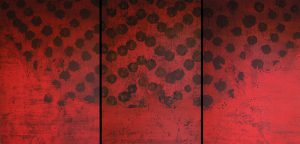
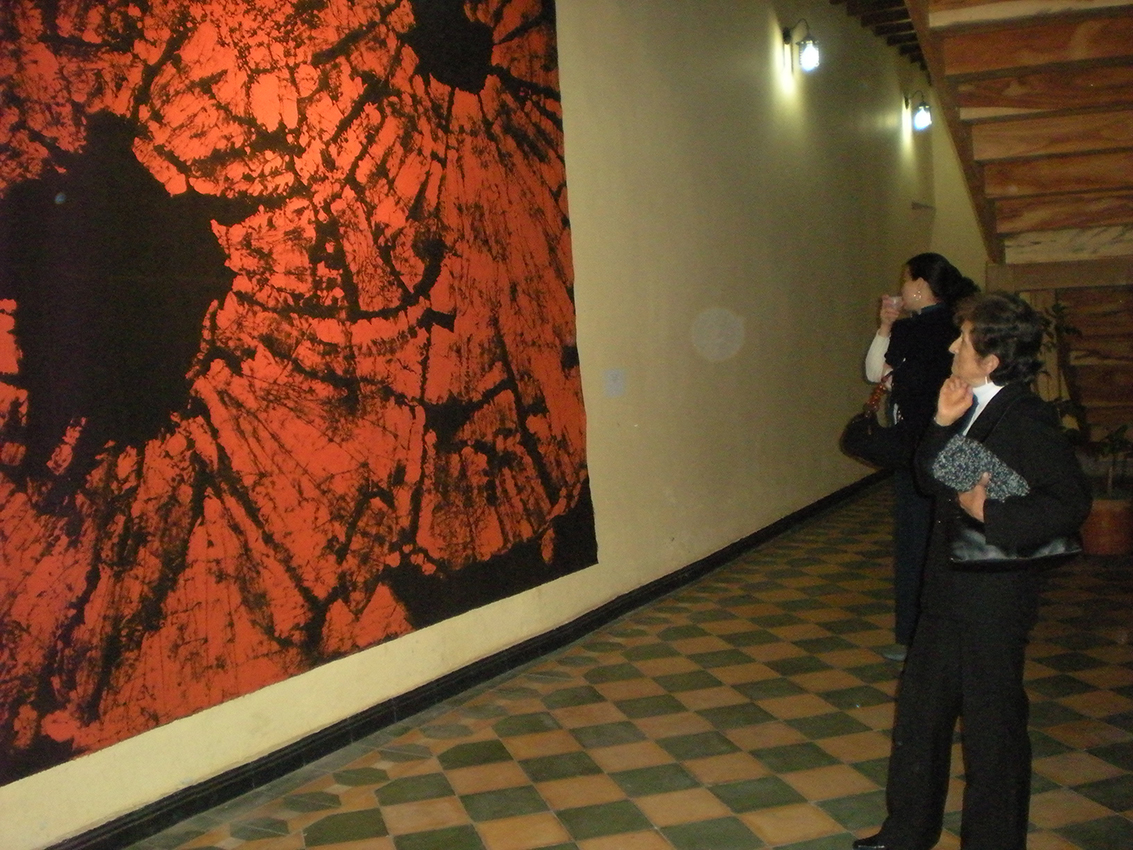
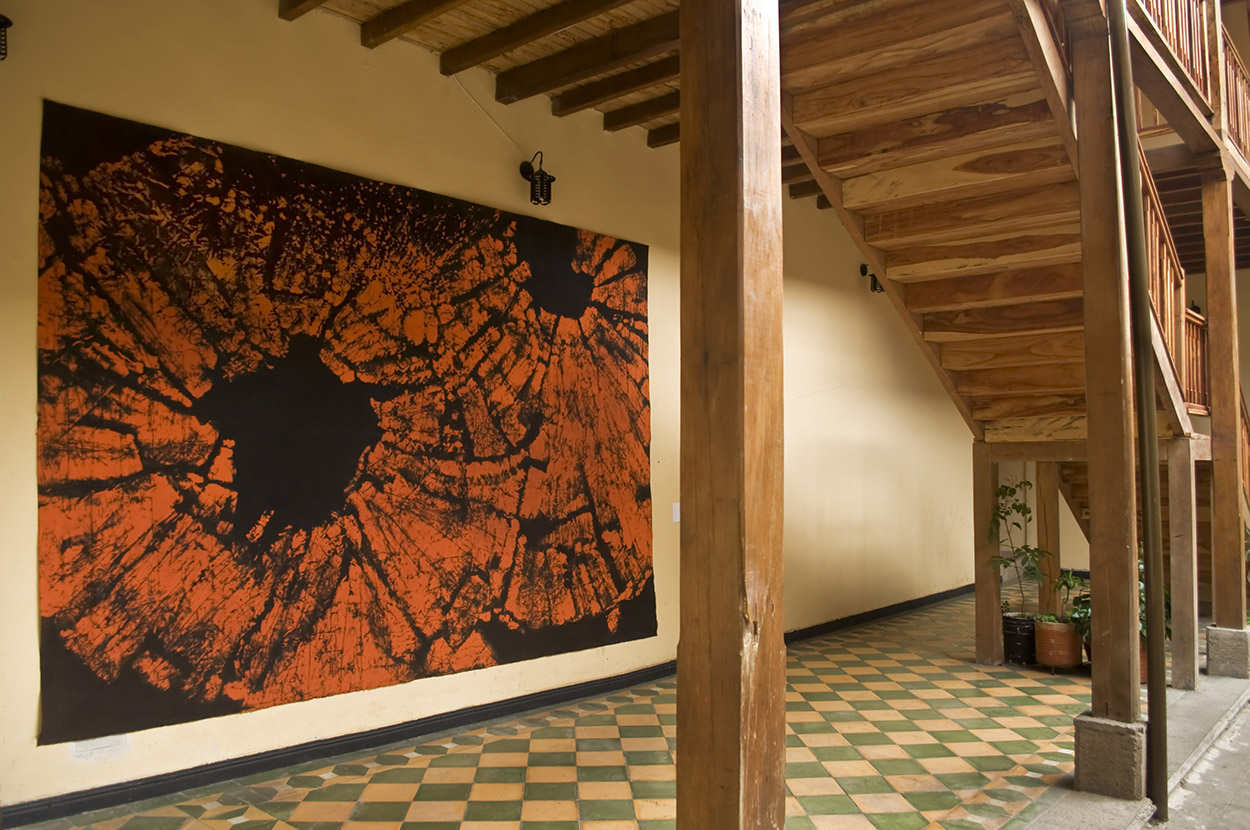
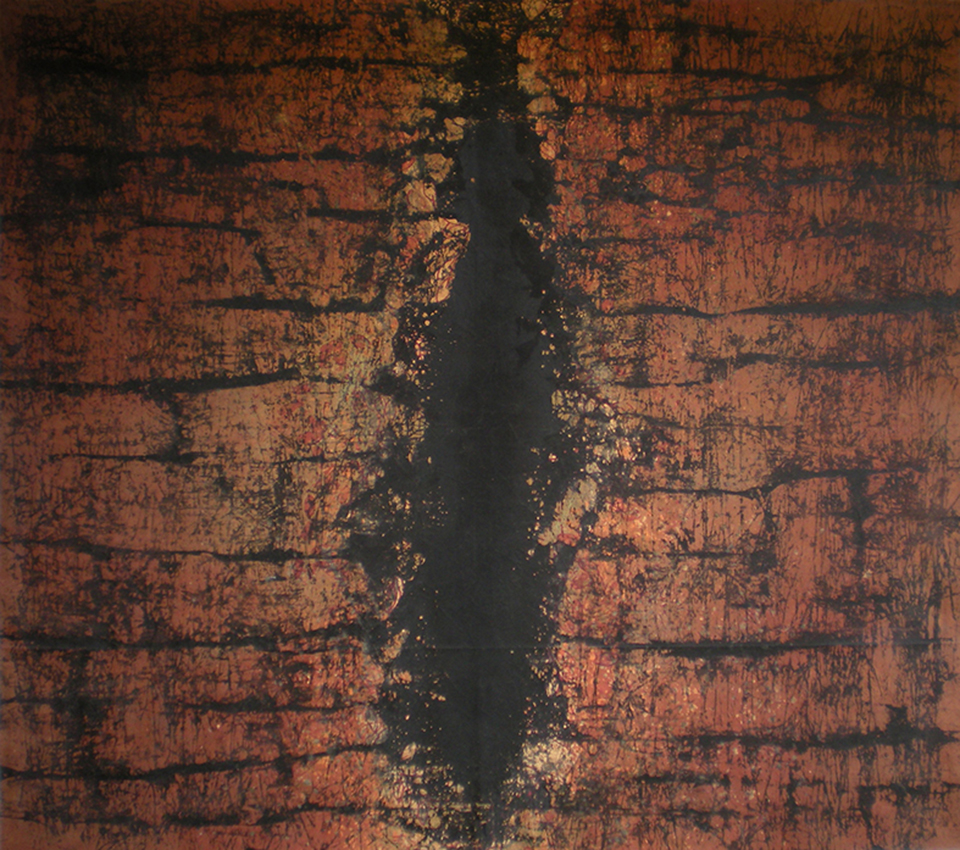
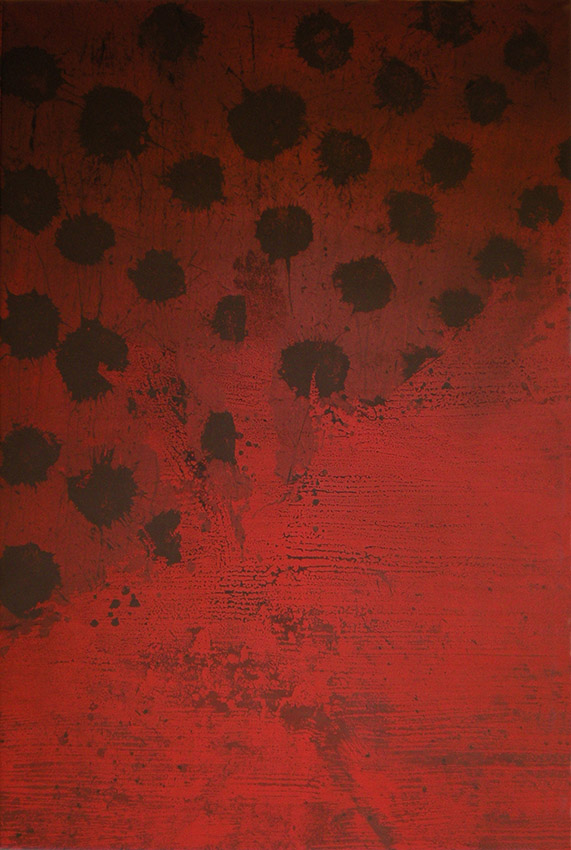
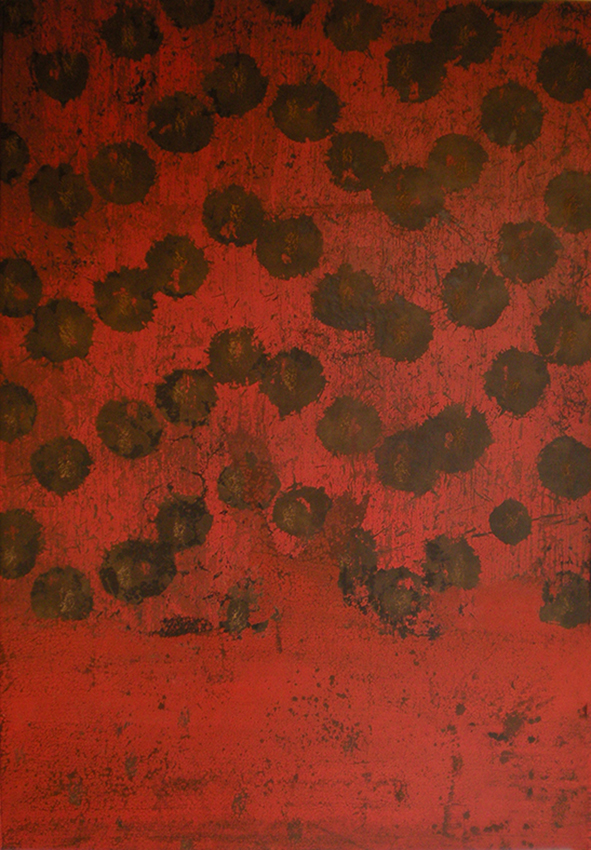
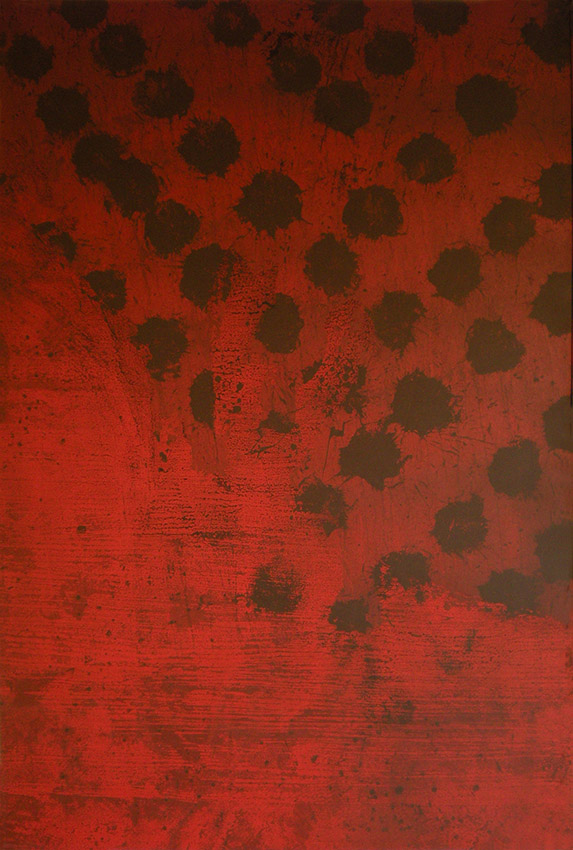
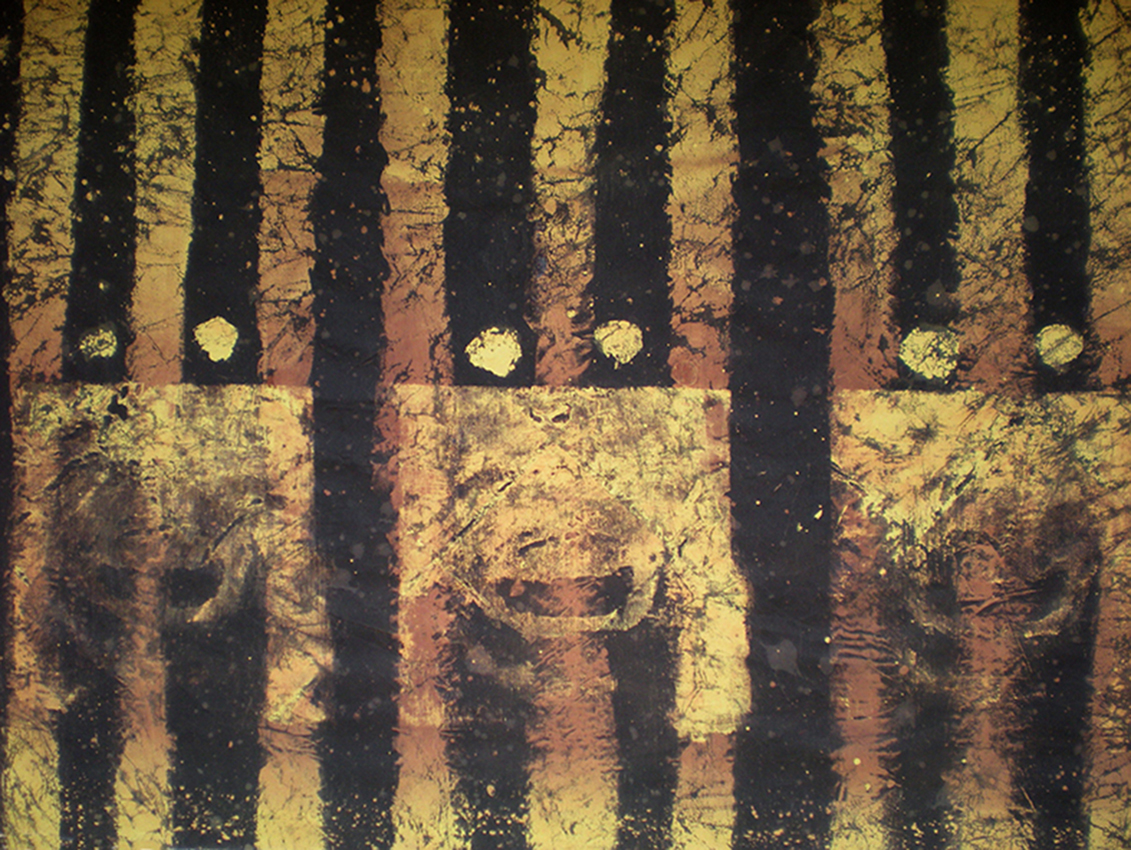
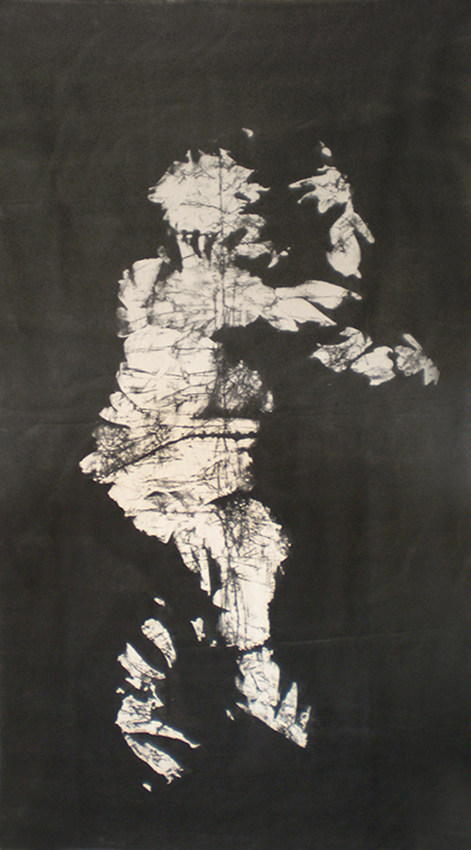
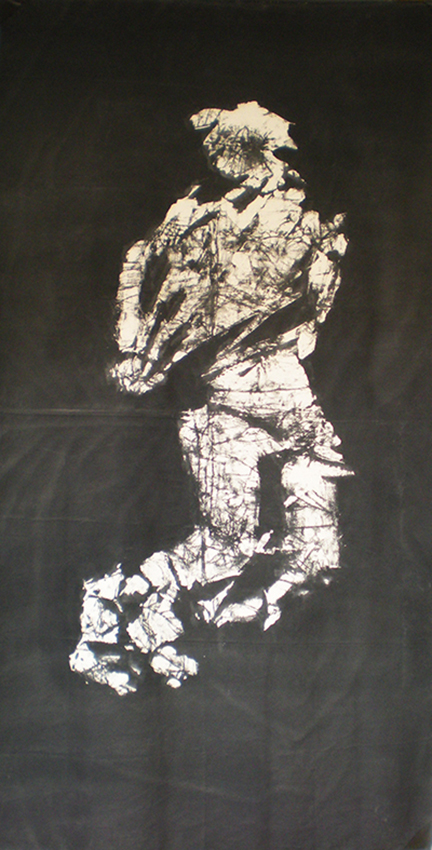
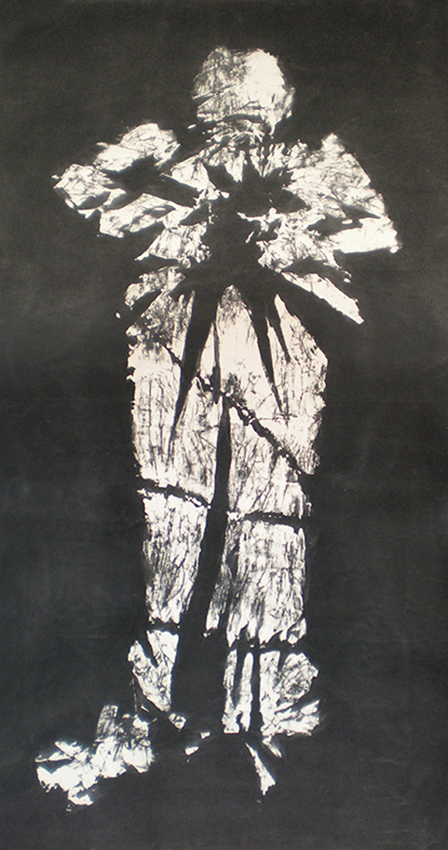
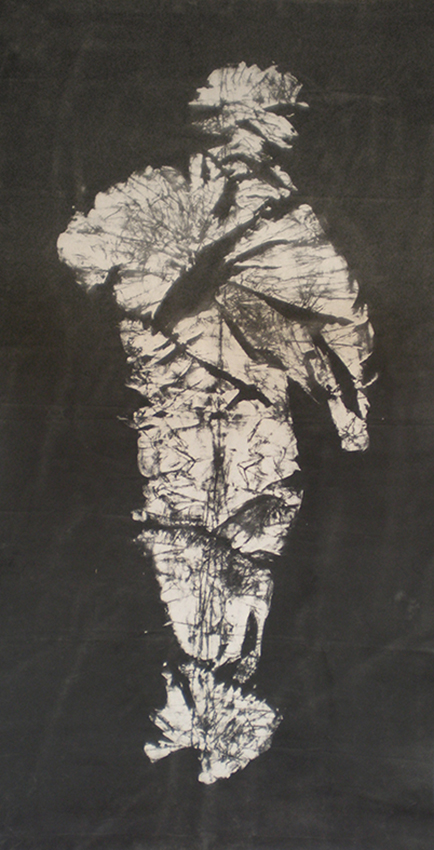
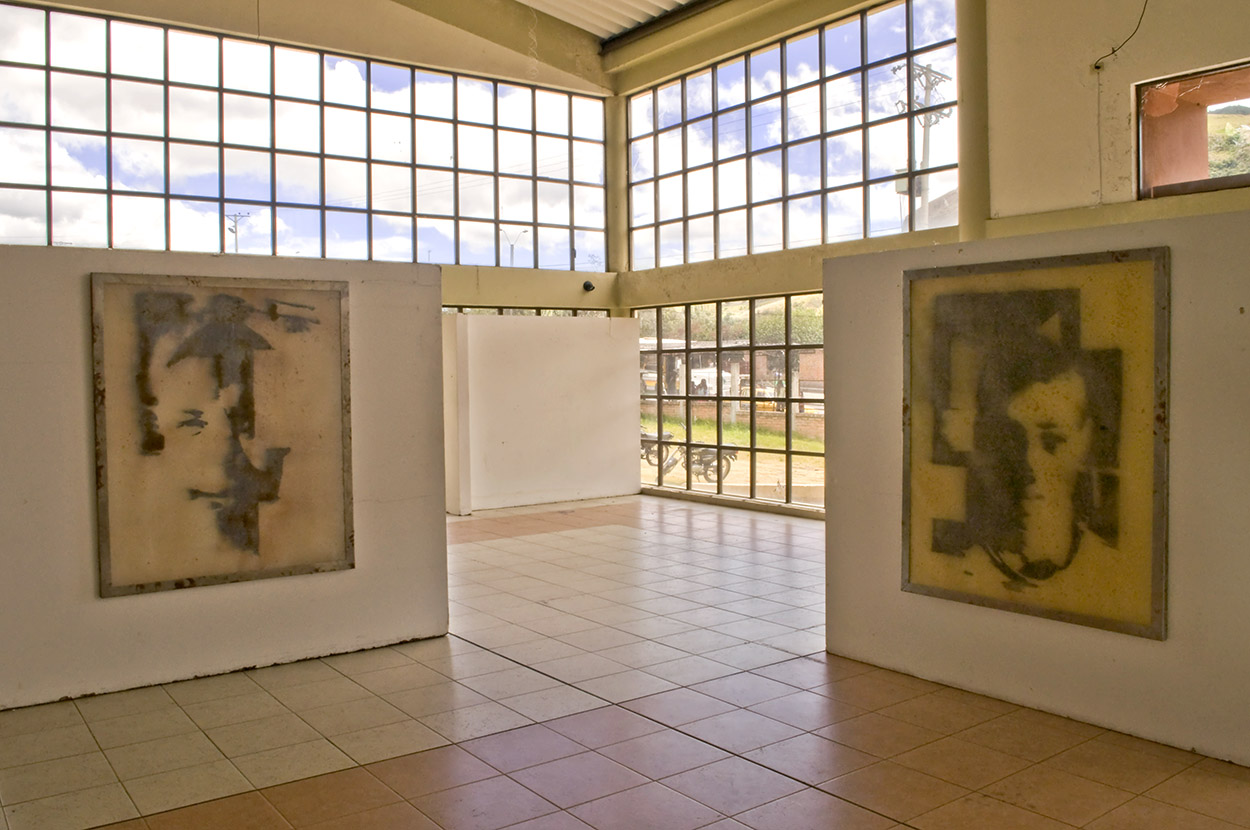
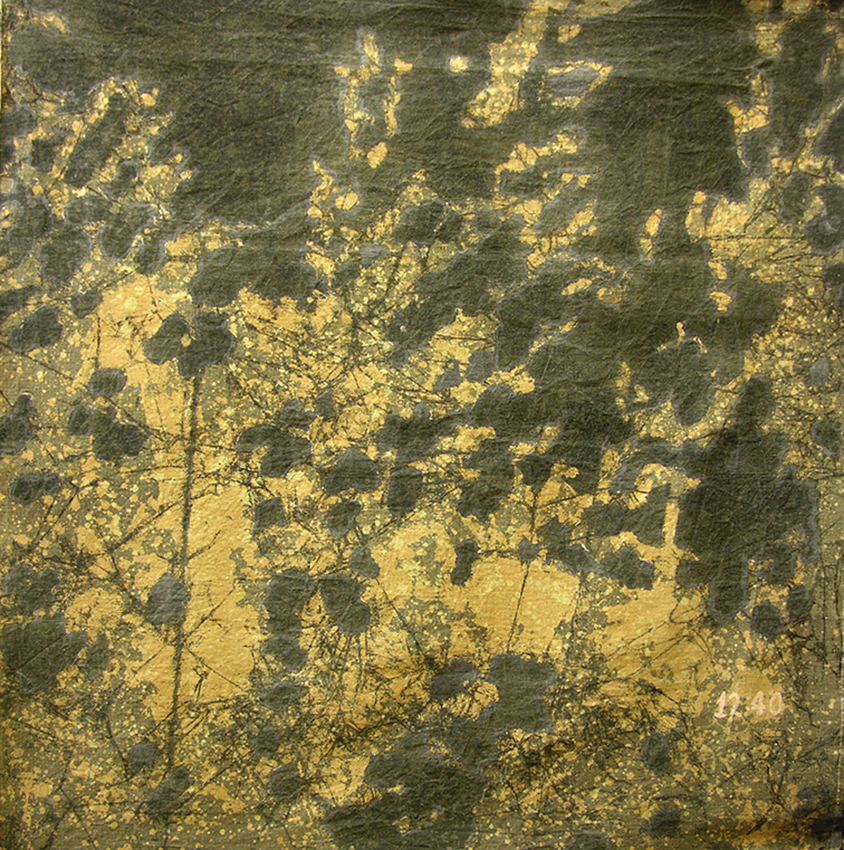
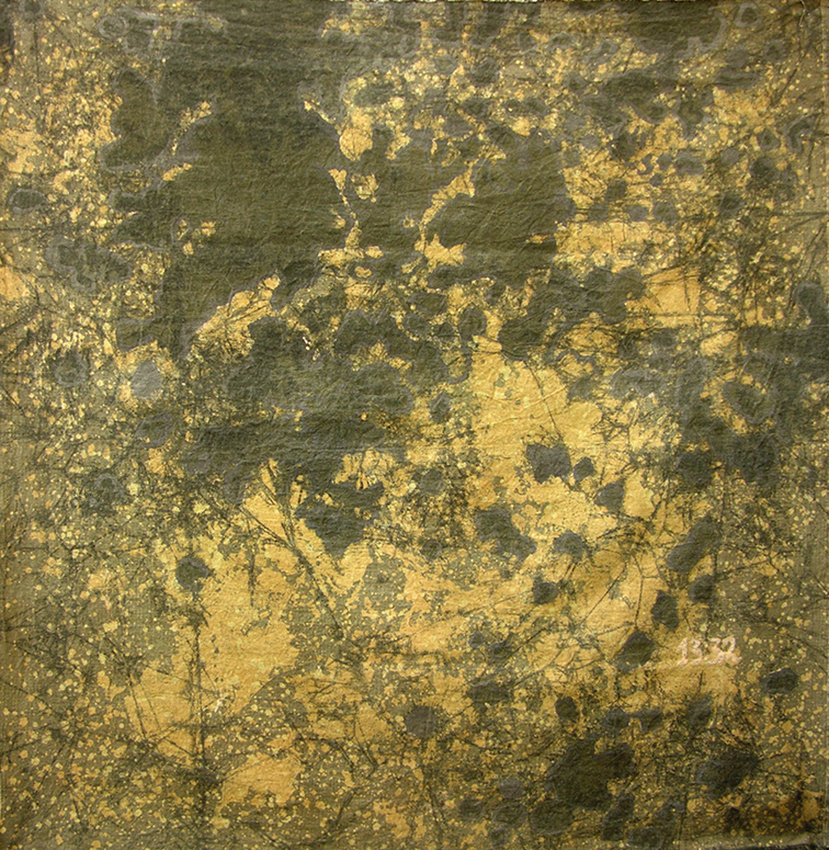
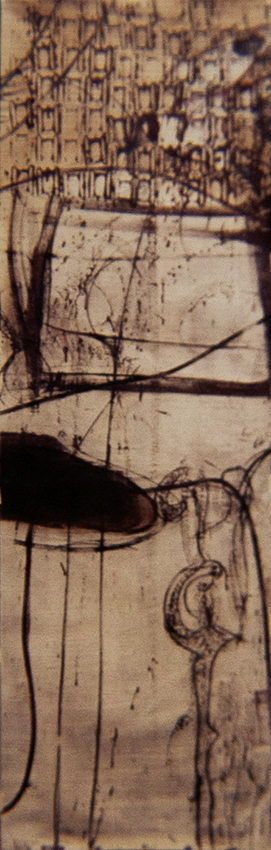
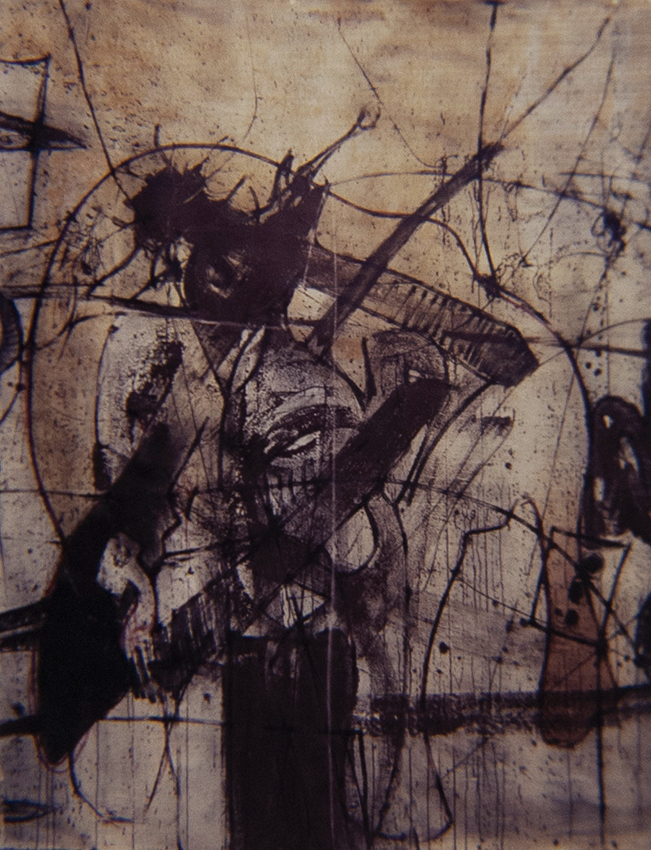
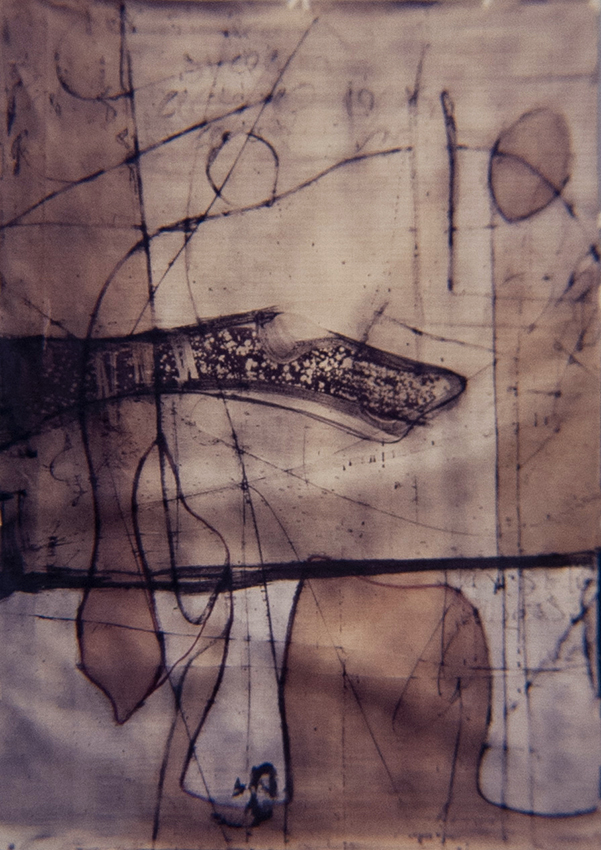
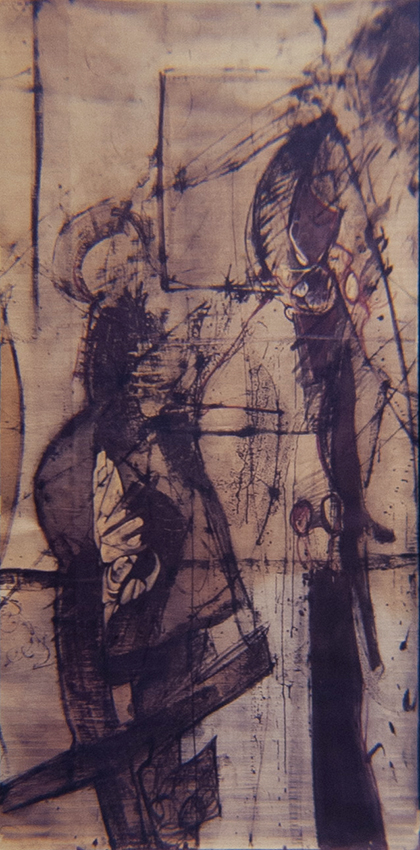
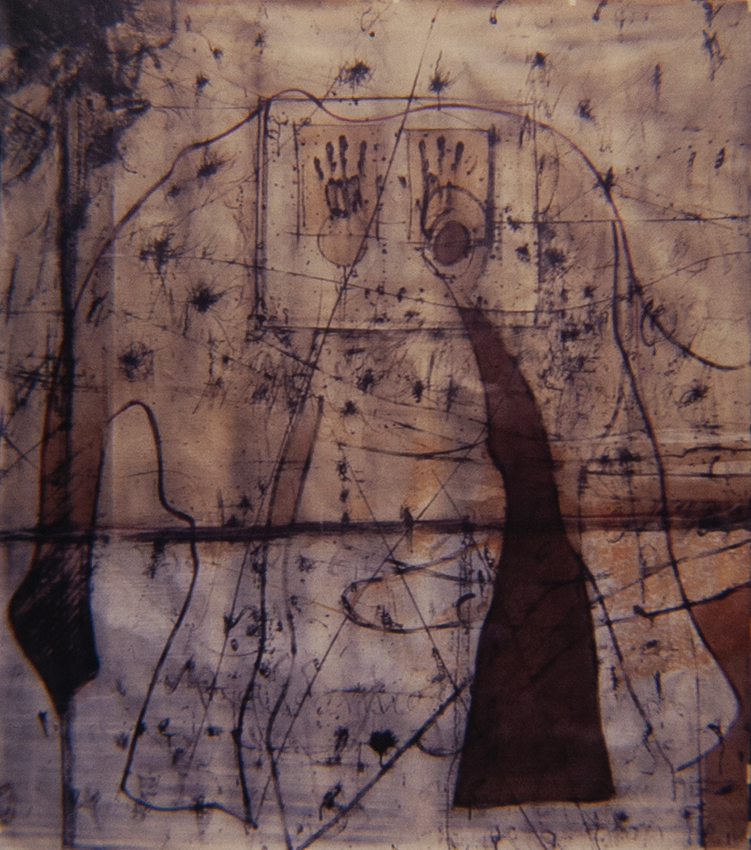
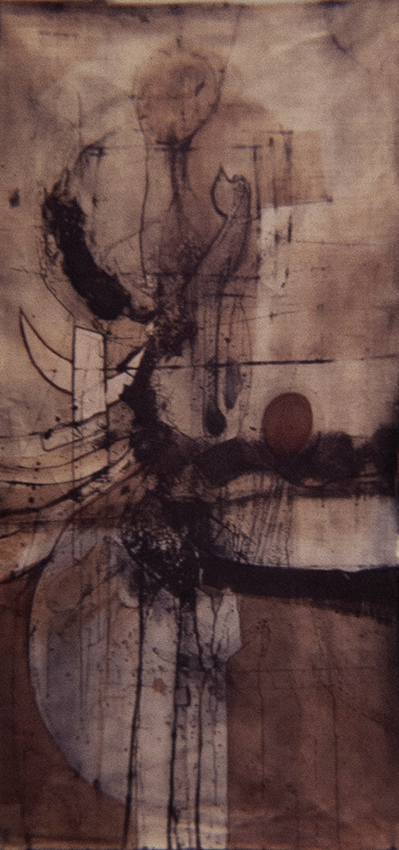
9º 25' 42,94"

Lacquer on canvas. 280x400cms. 2009

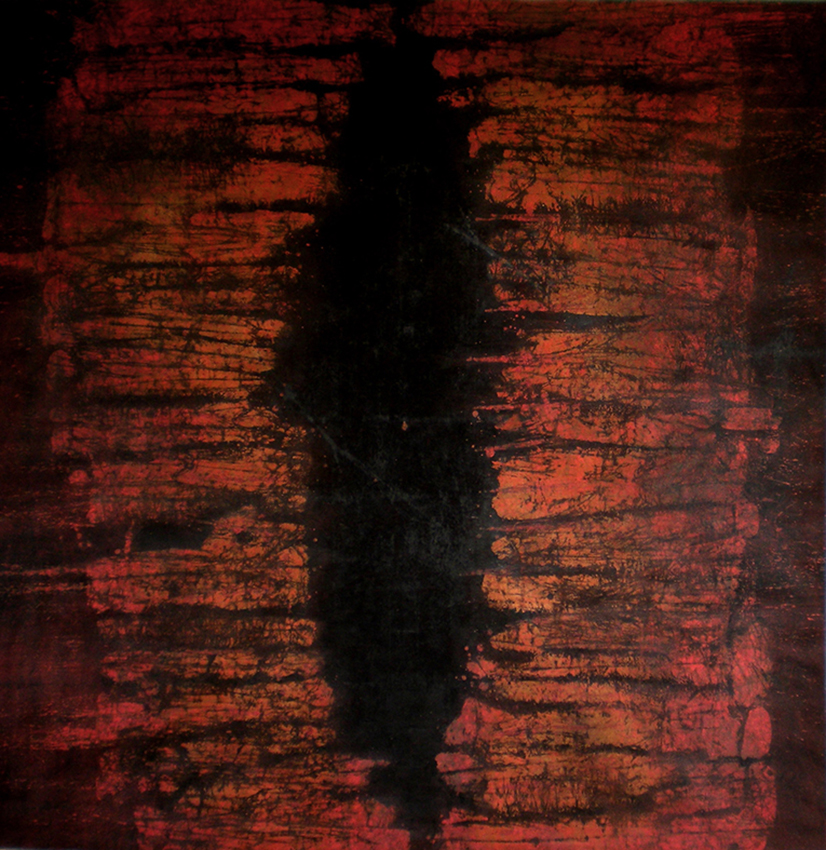
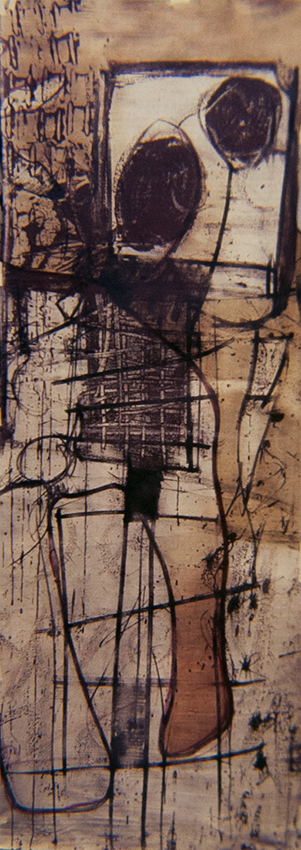
29º 39' 04,69"

Lacquer on canvas. 300x300cms. 2009

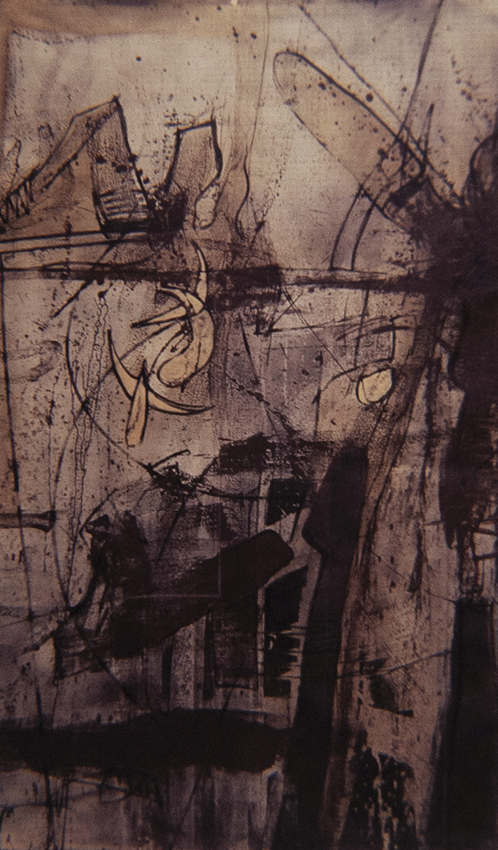
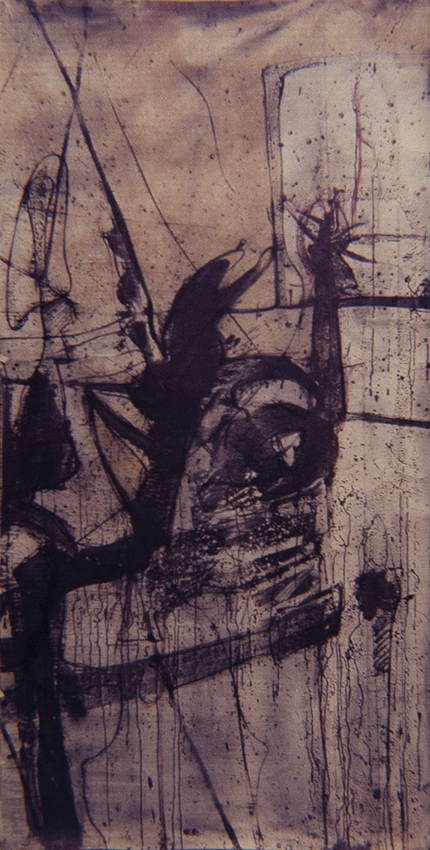
30º 30' 30,56"

Lacquer on canvas. 300x300cms. 2009

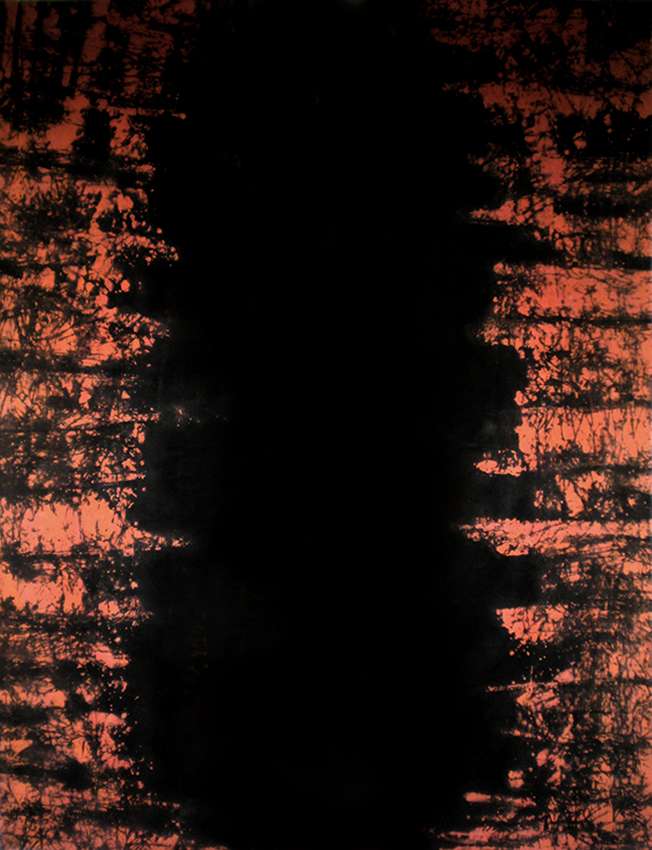
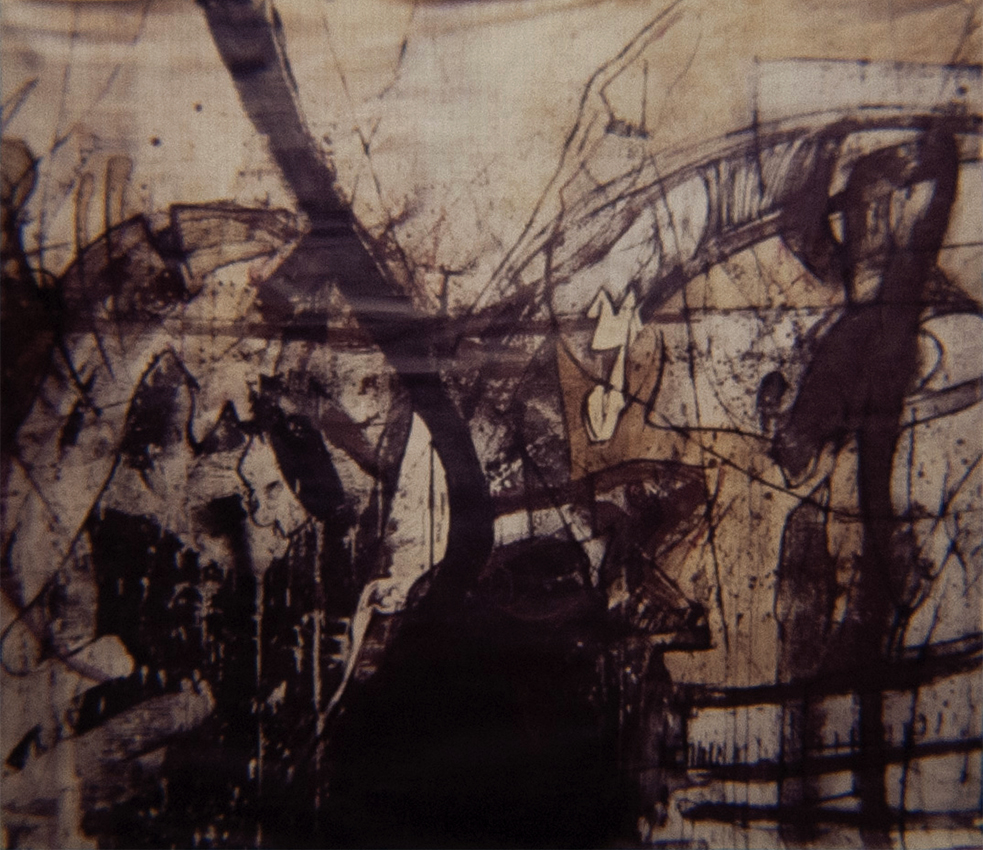
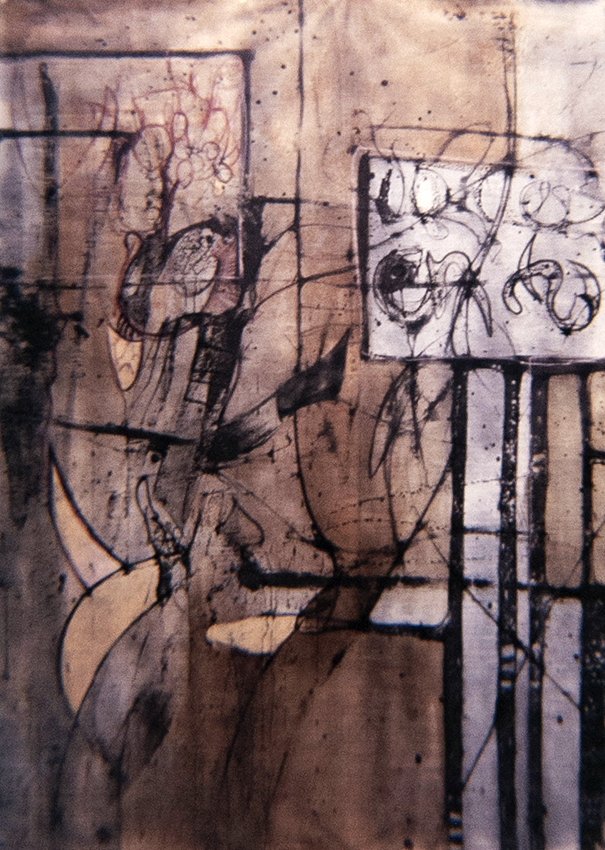
34º 27' 06,37"

Lacquer on canvas. 280x400cms. 2009

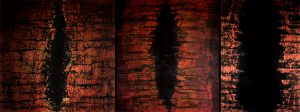
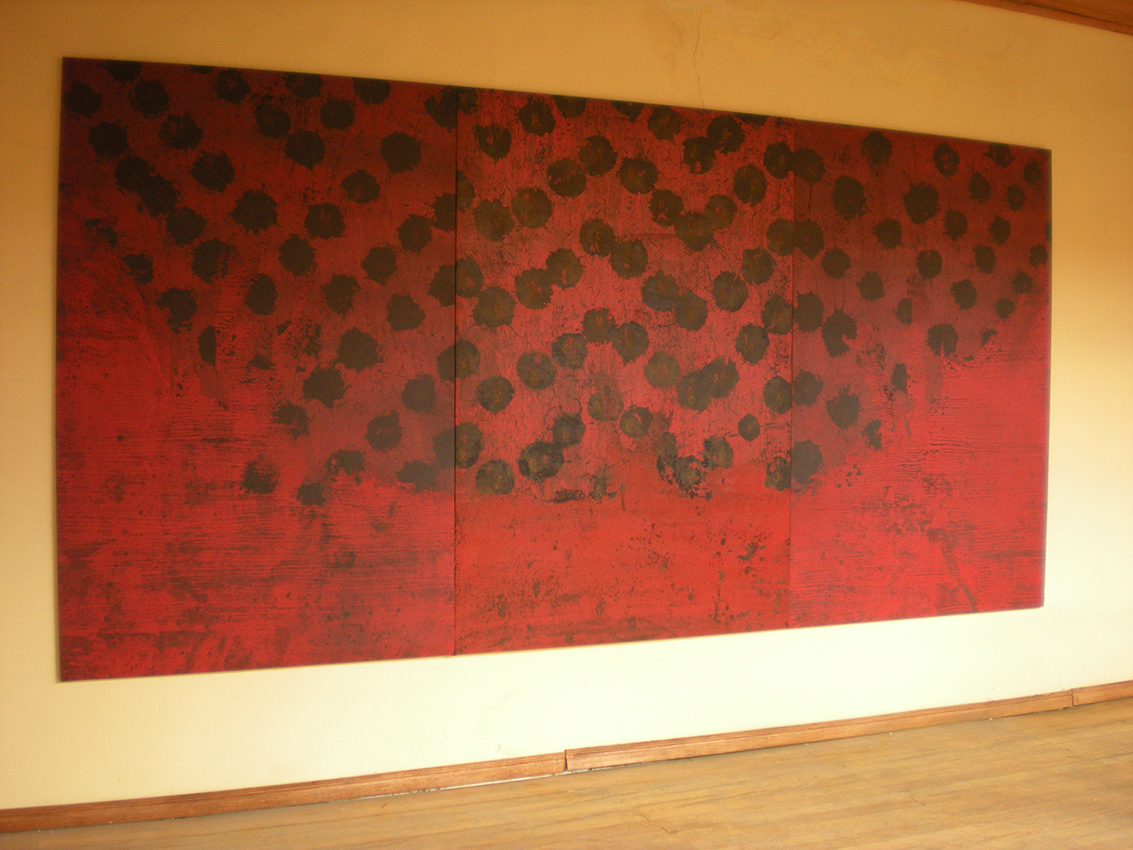
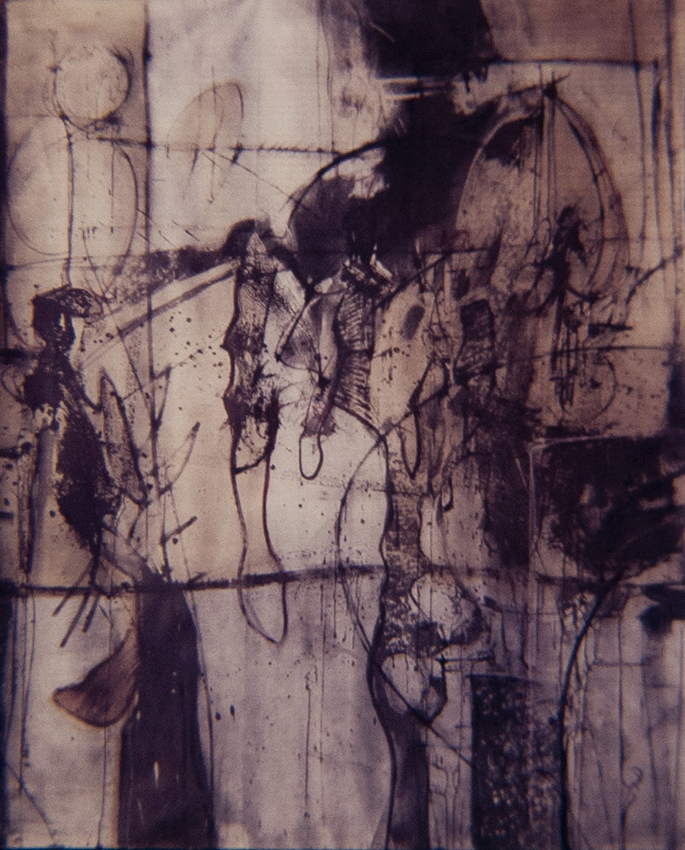
Fire line triptych. 31º36'21,61''

Lacquer on canvas. 280x660cms. 2009

Fire line triptych. 31º36'21,61''

Lacquer on canvas. 280x660cms. 2009

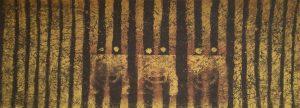
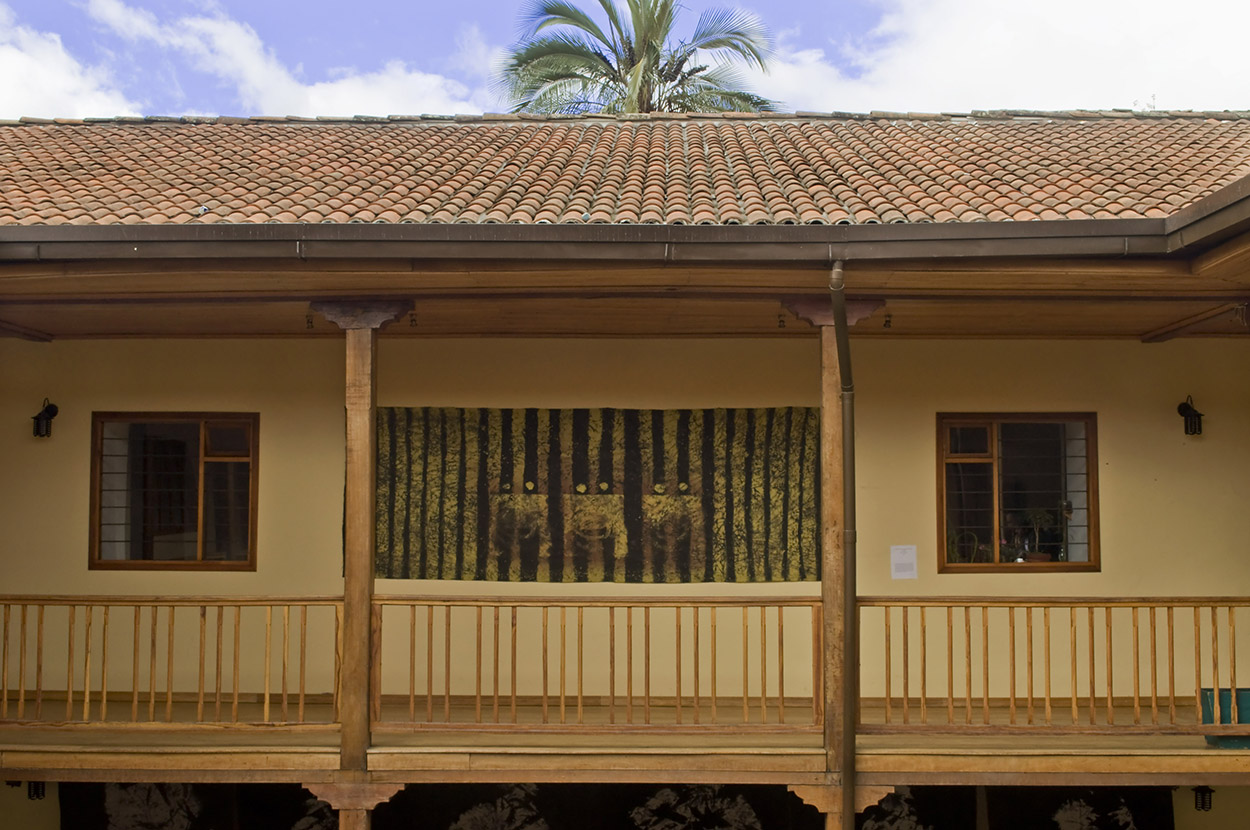
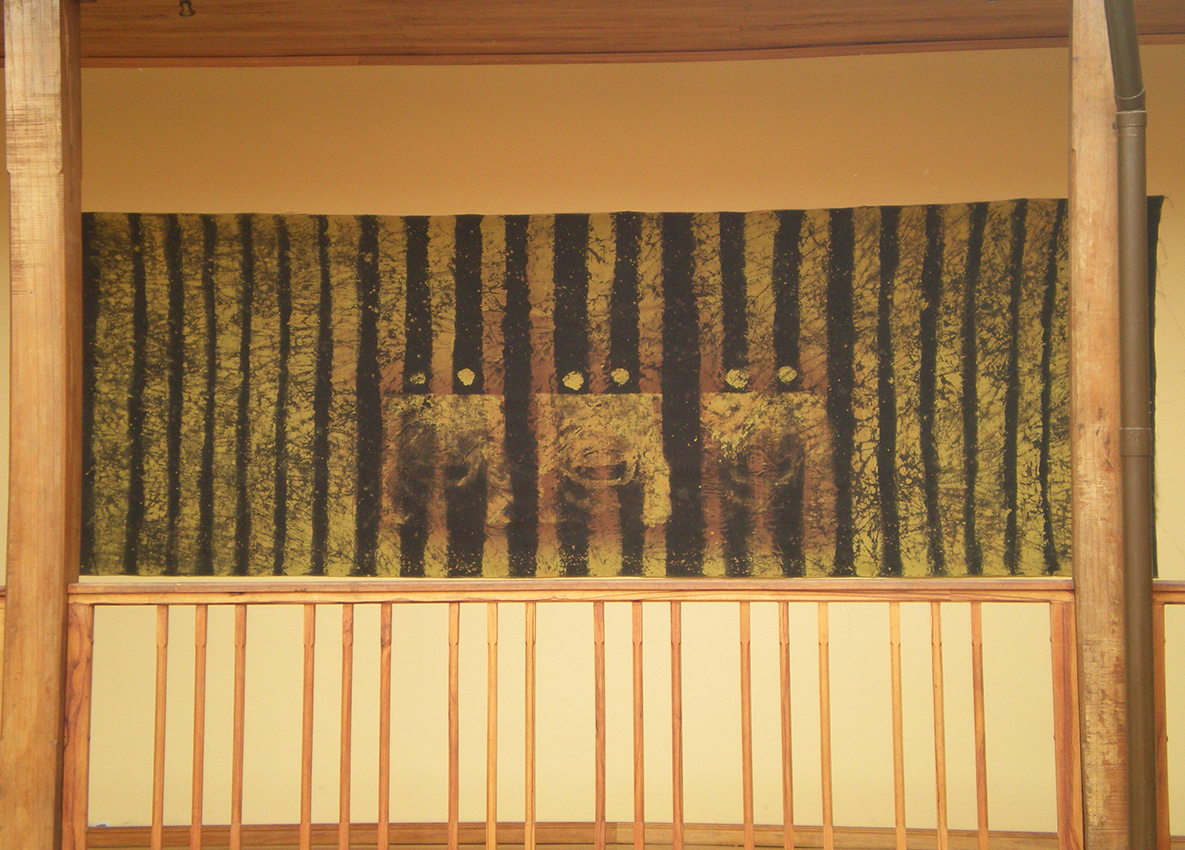
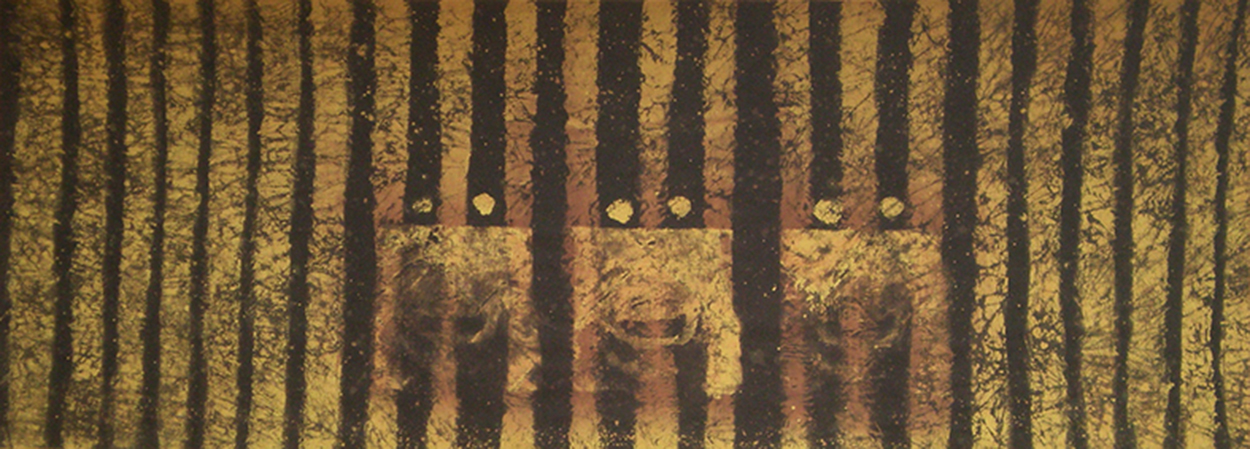
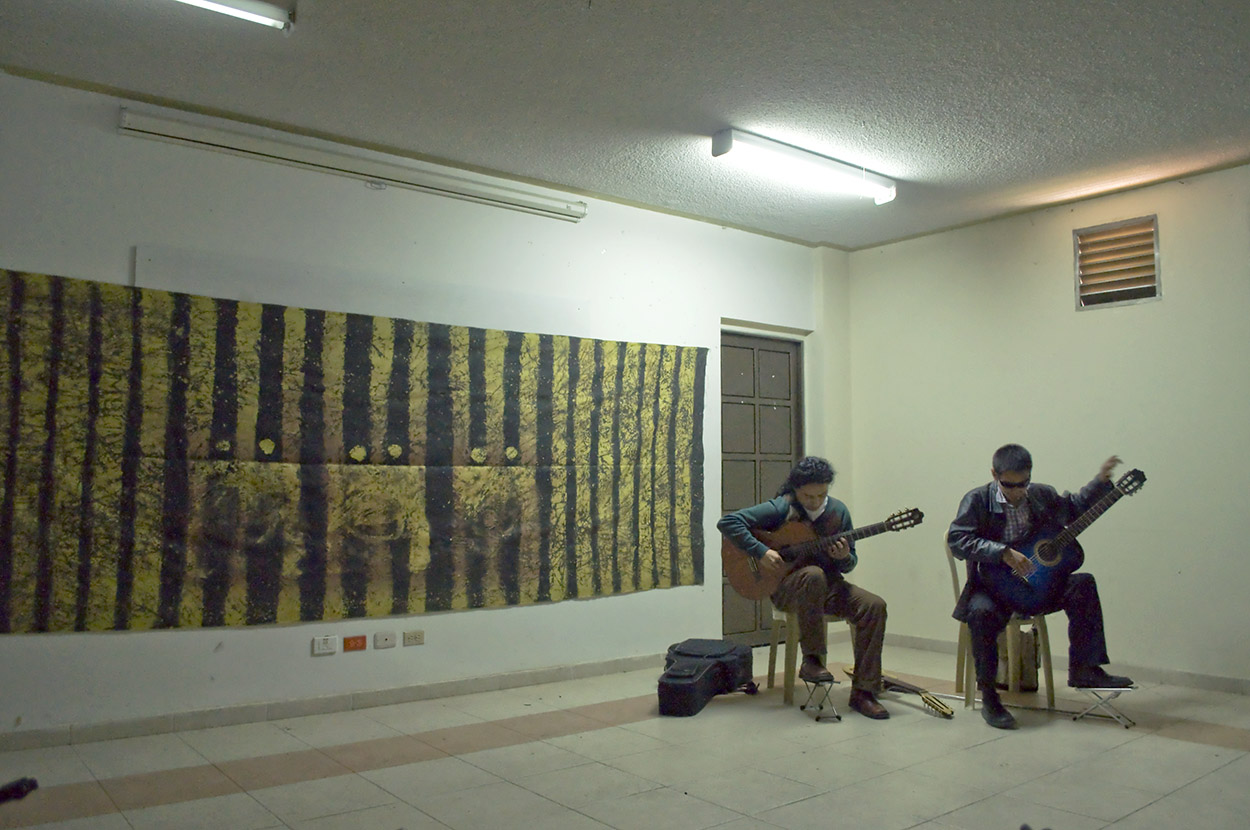
24 bars

Lacquer on canvas. 150x600cms. 2009

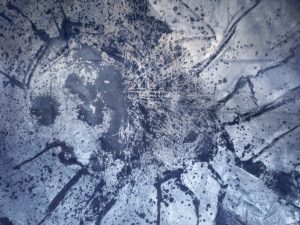
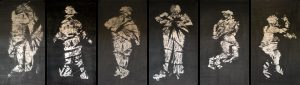
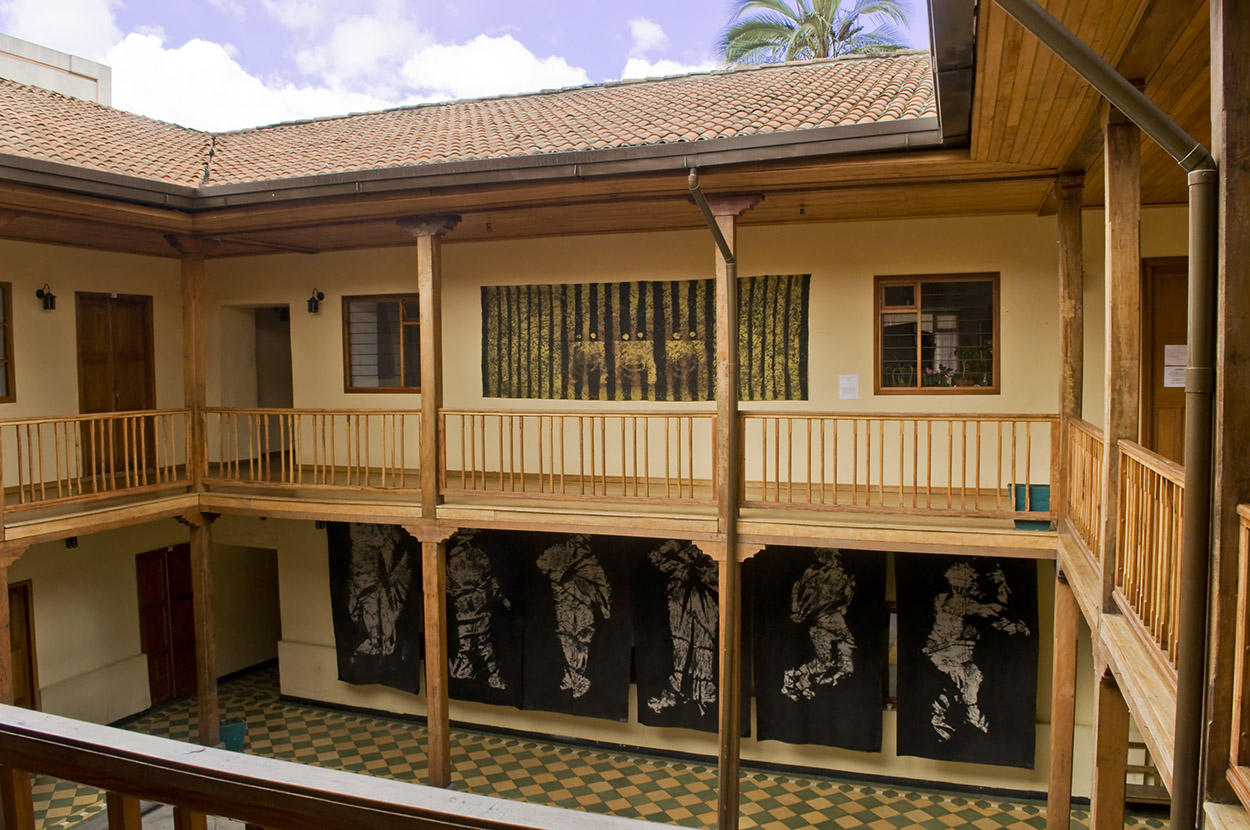
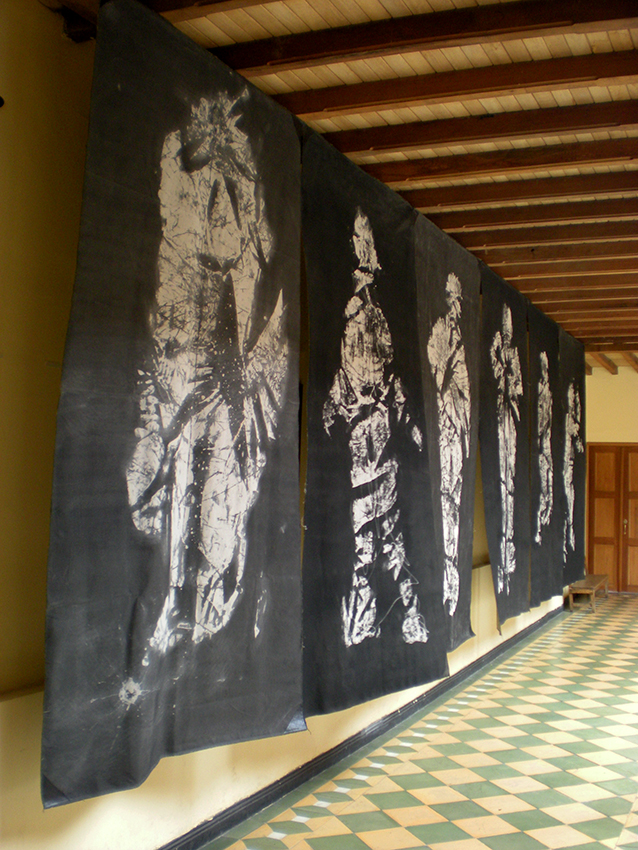
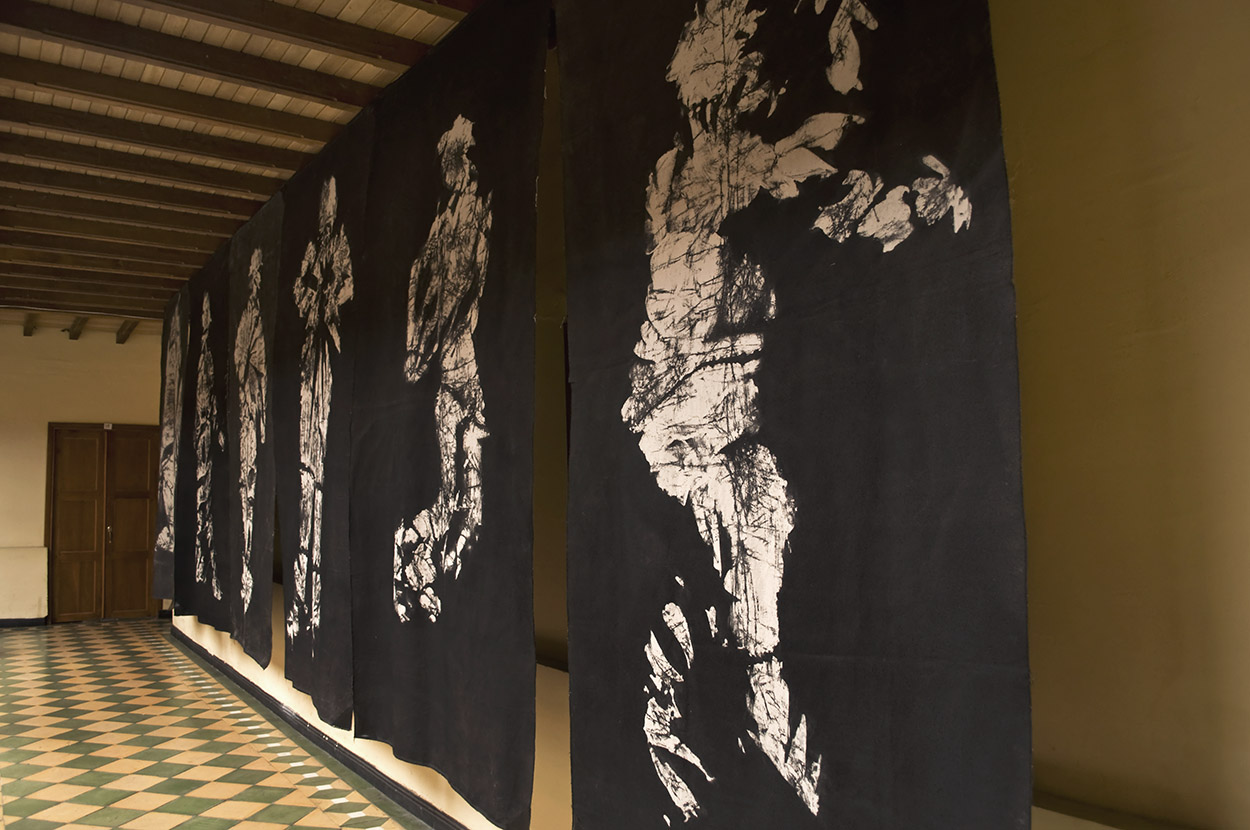
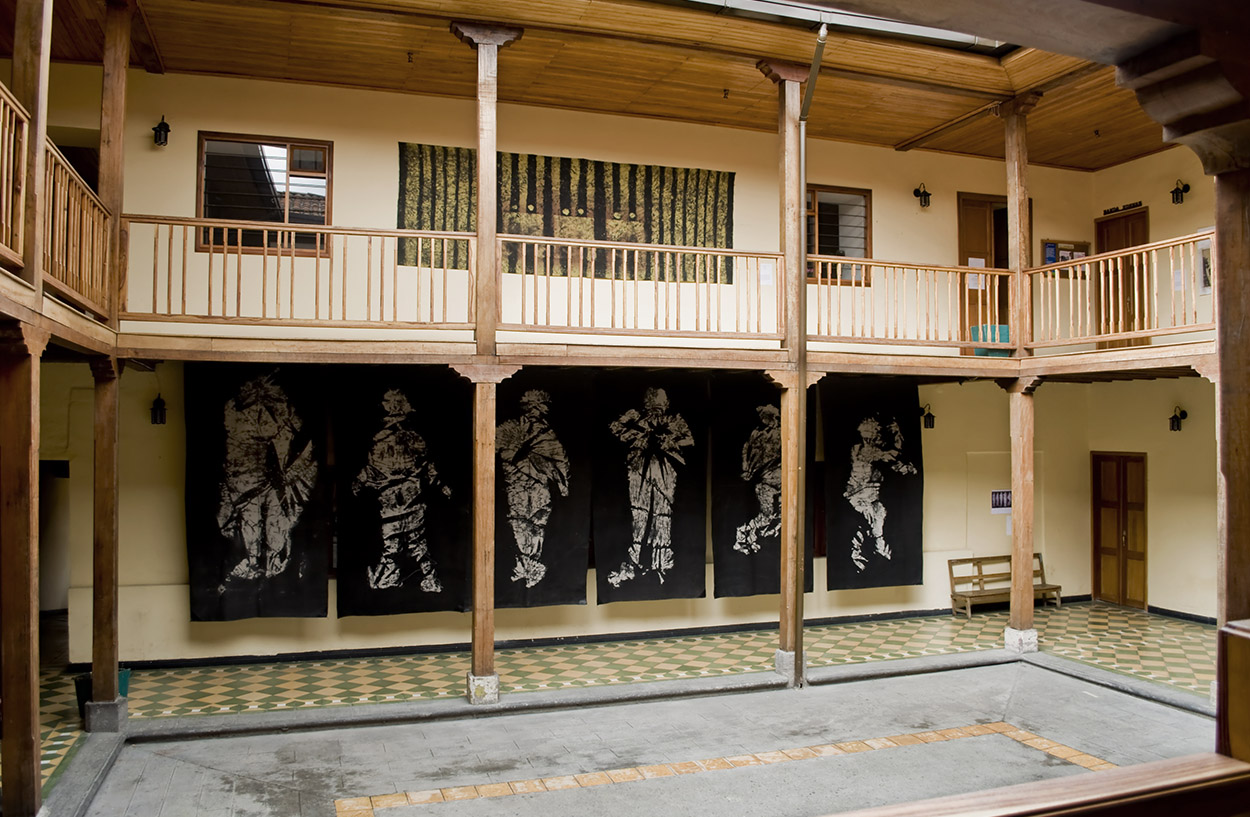
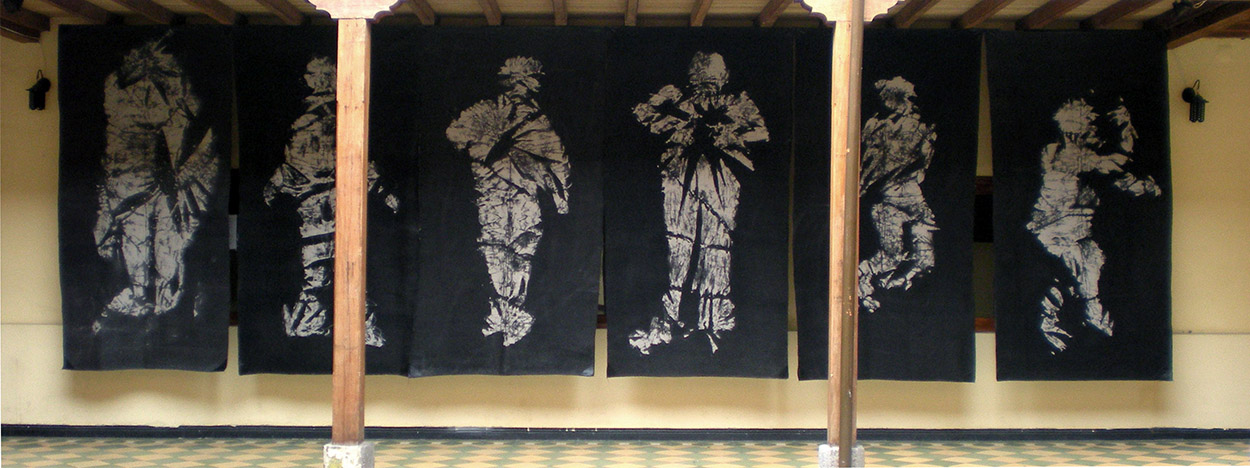
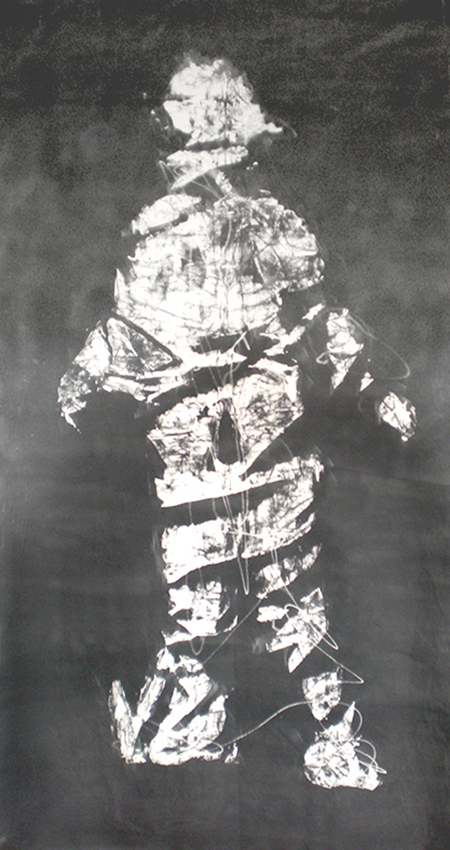
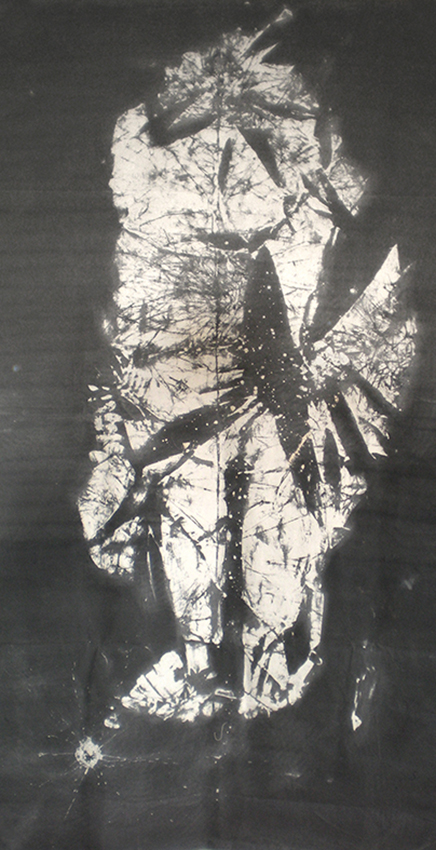
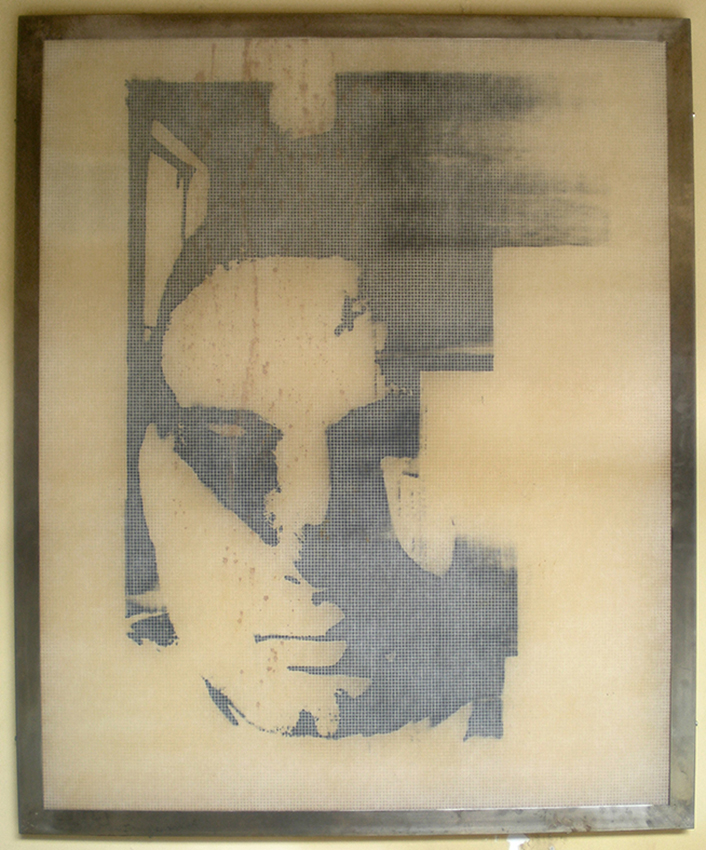
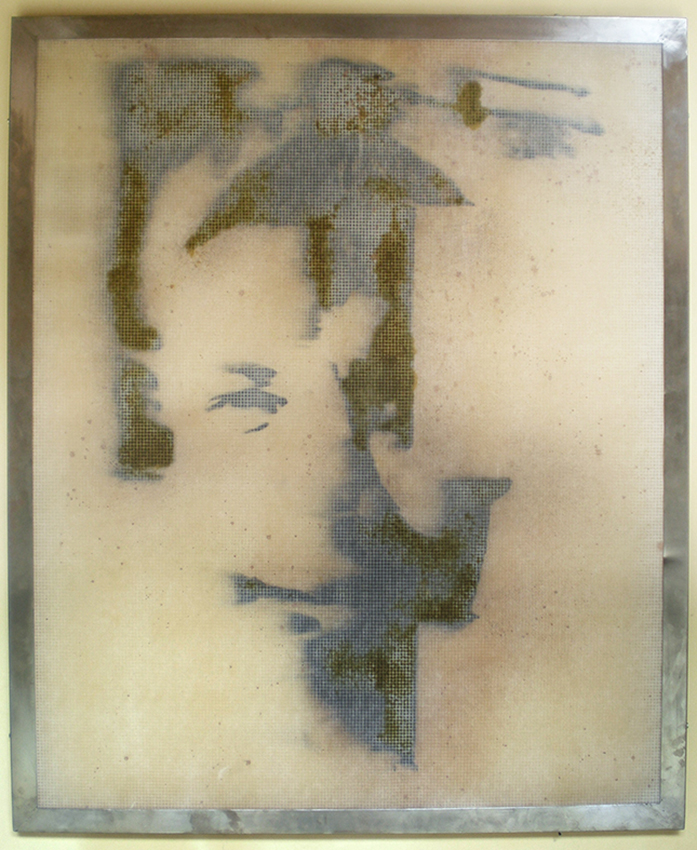
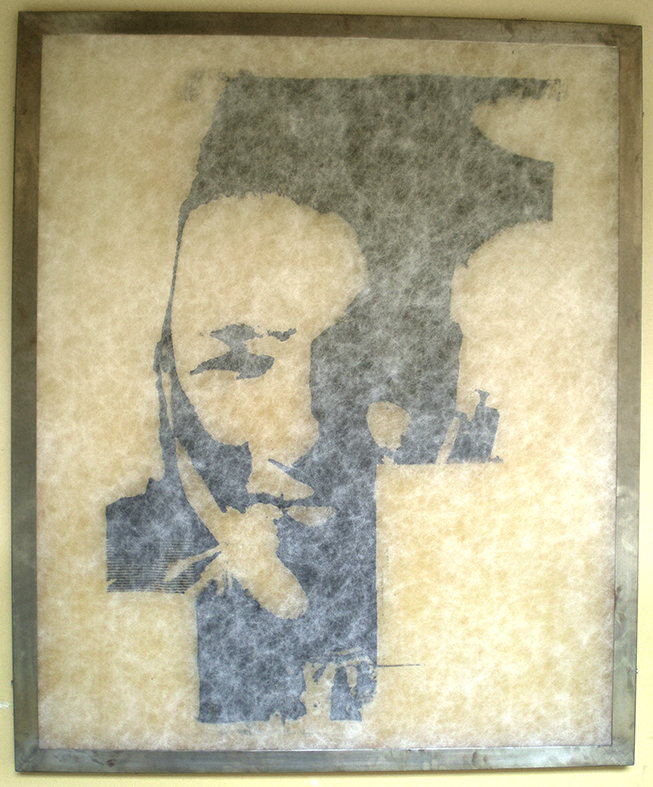
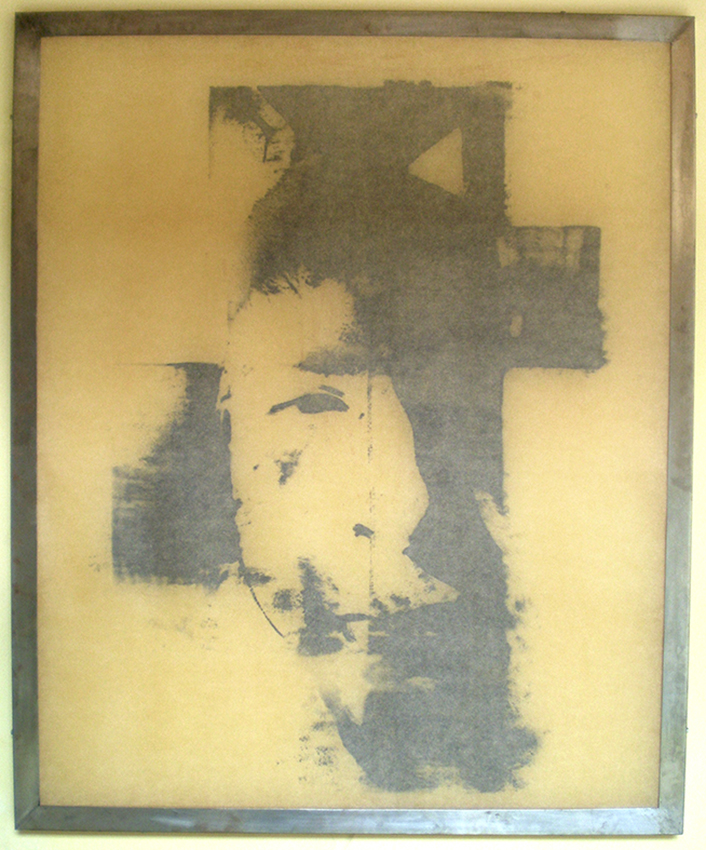
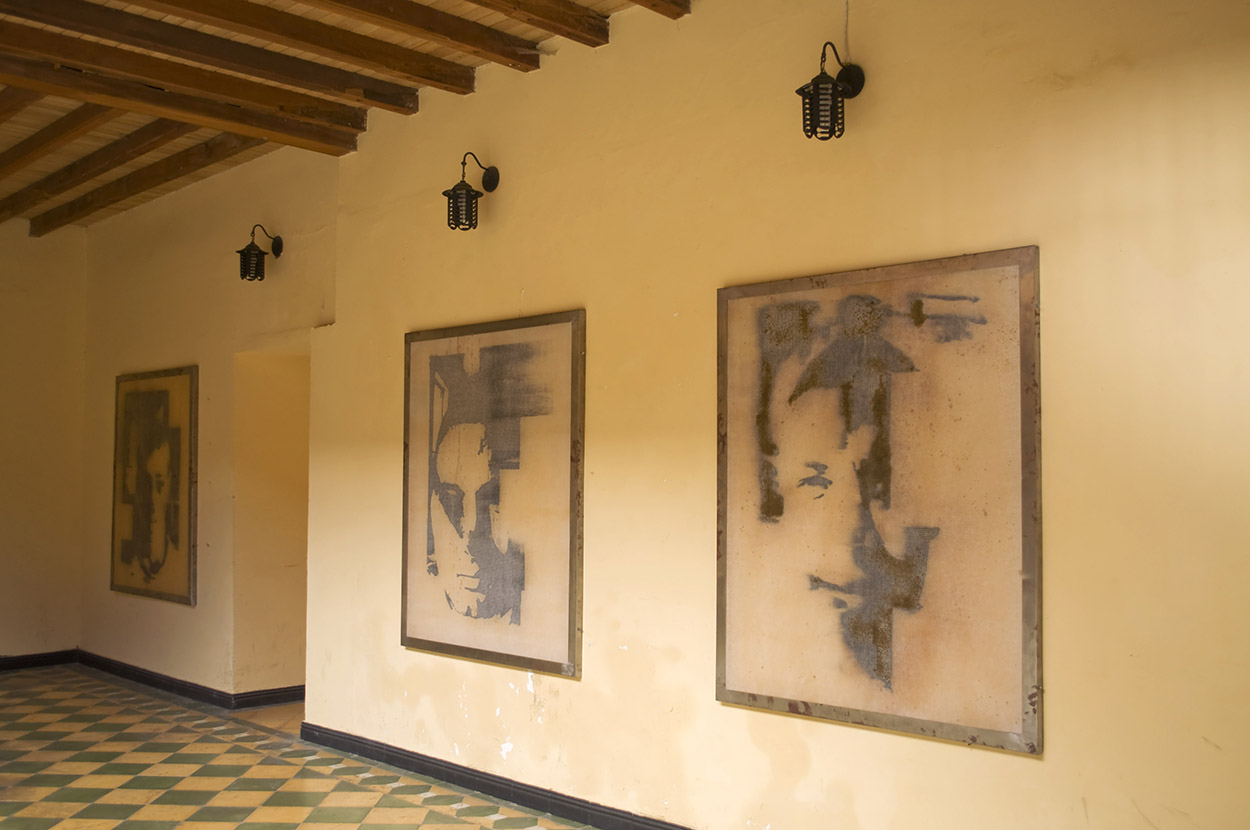
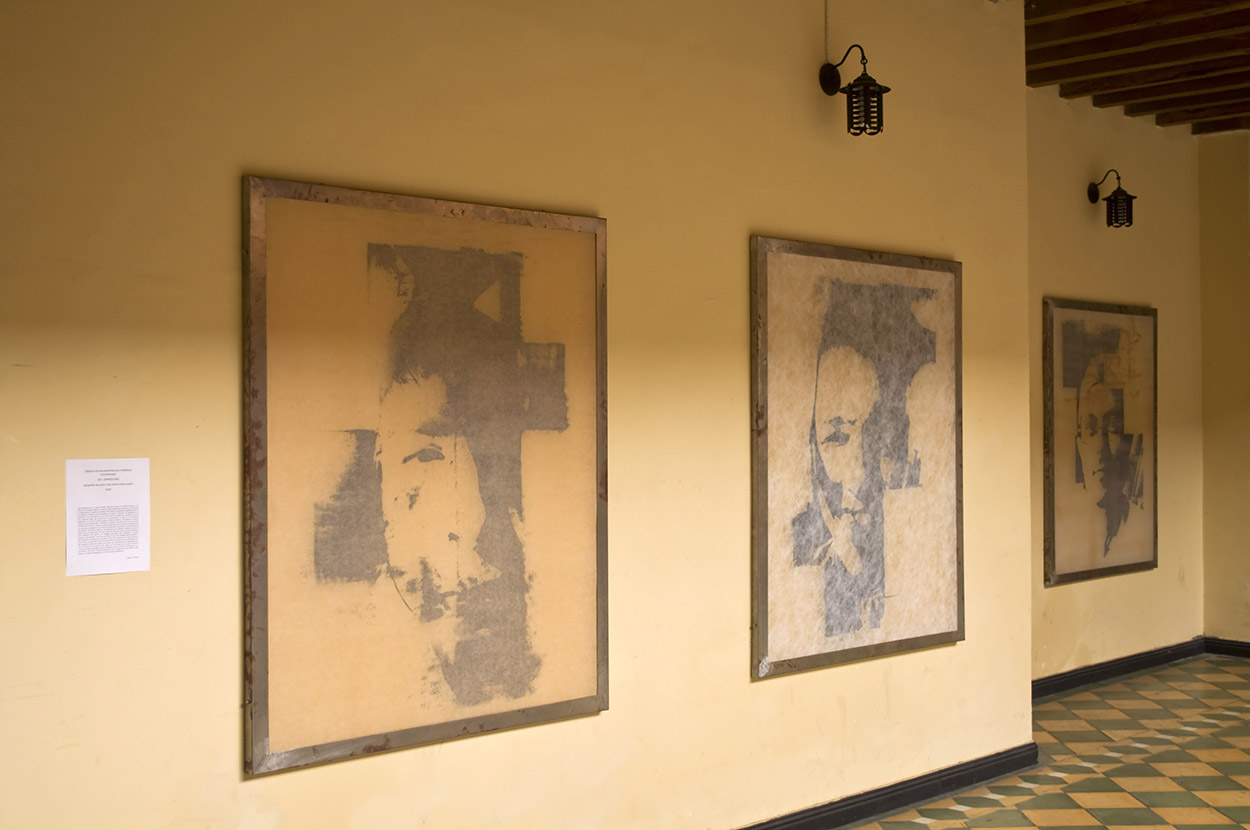
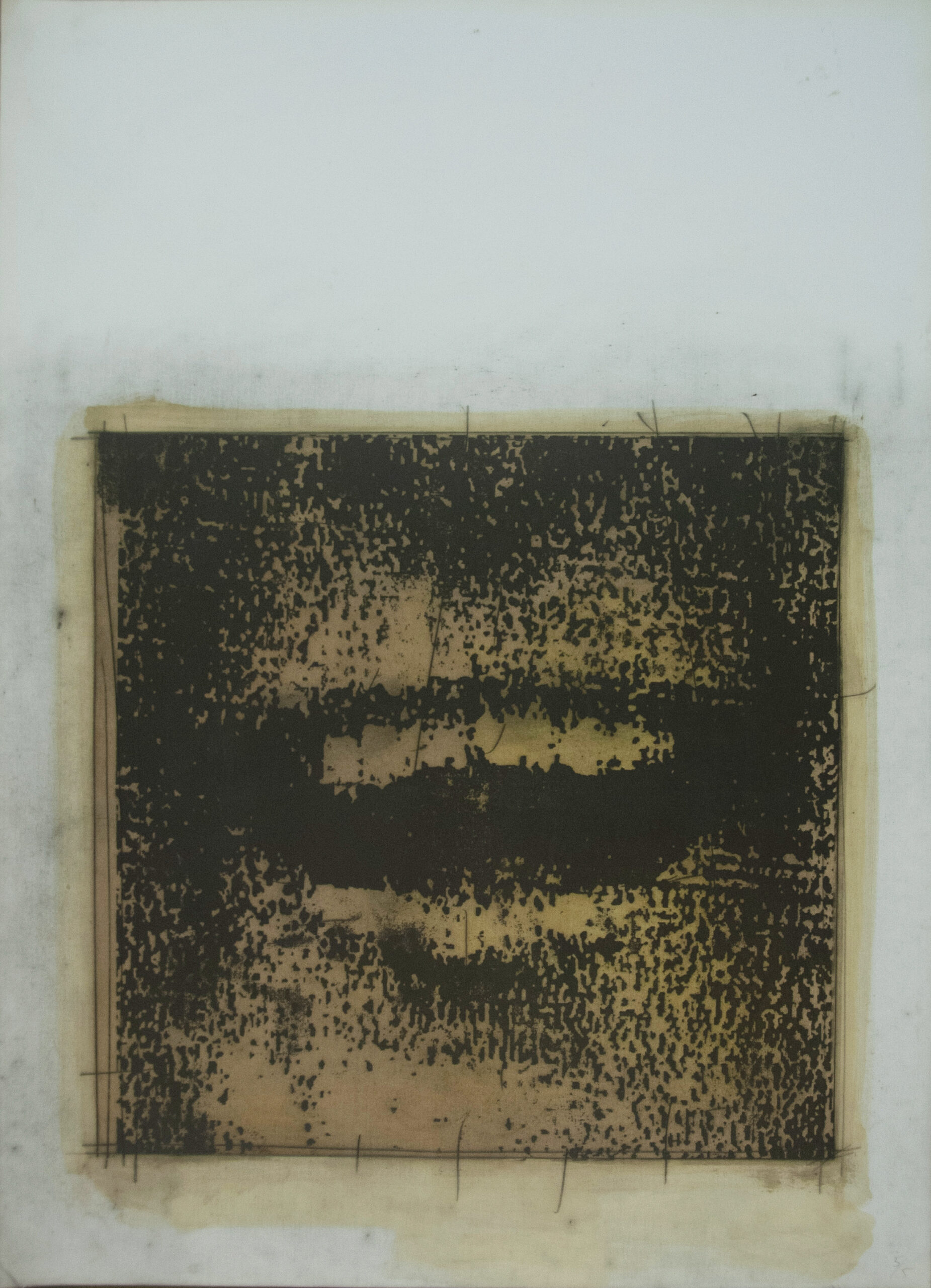
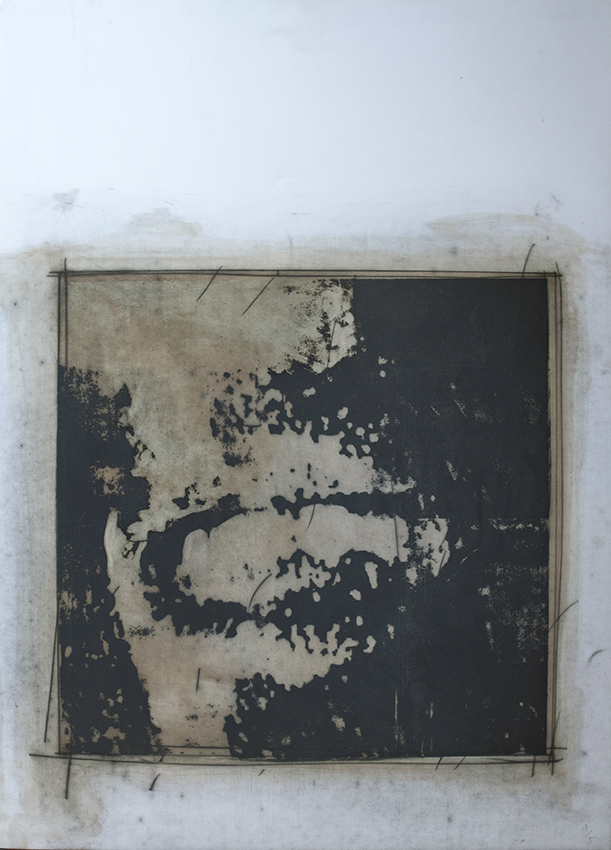
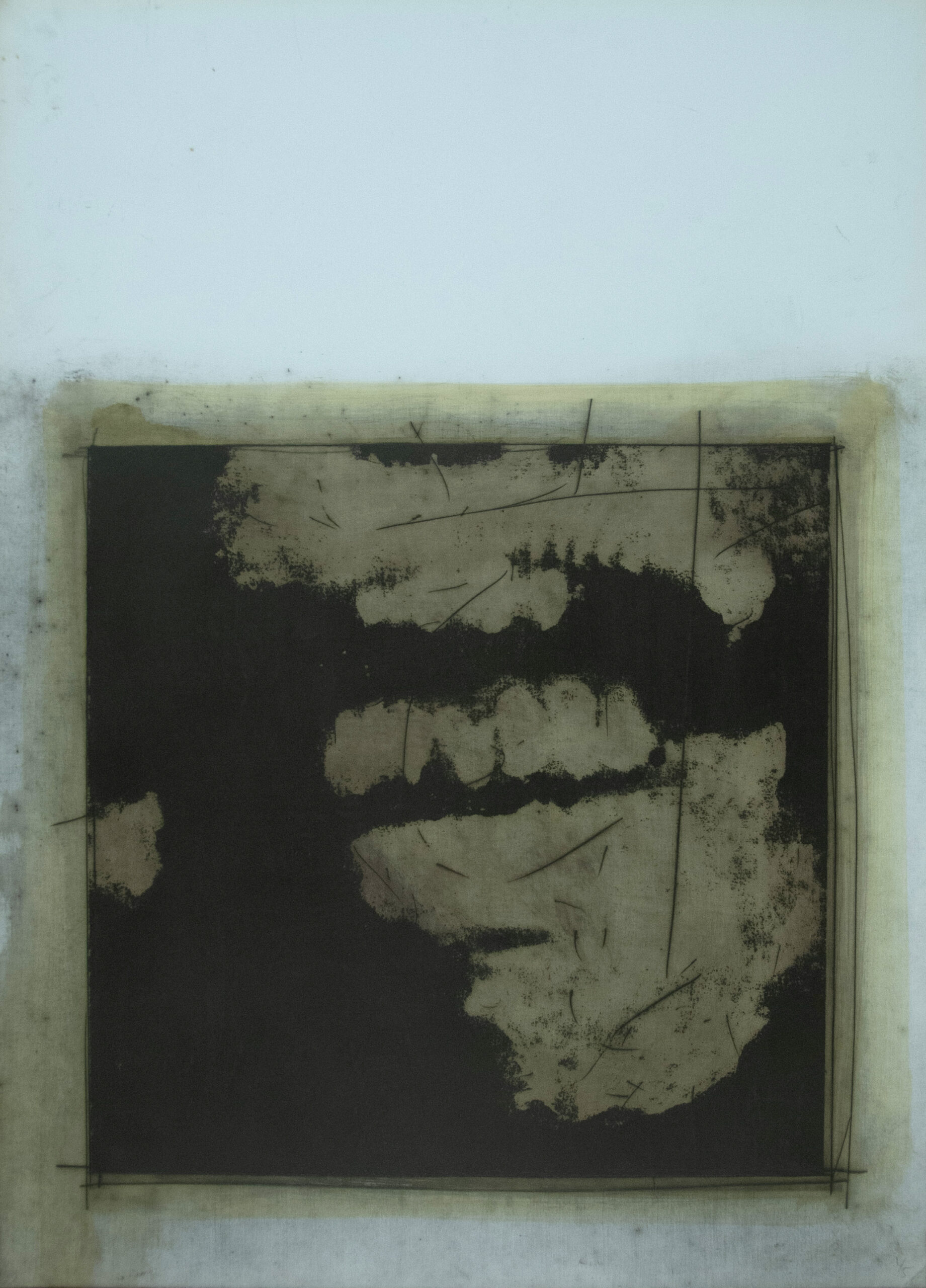
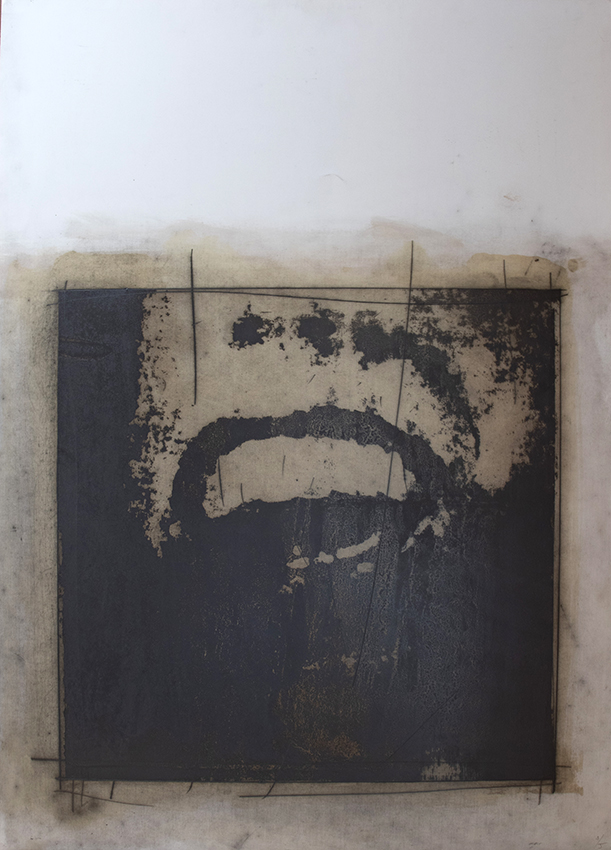
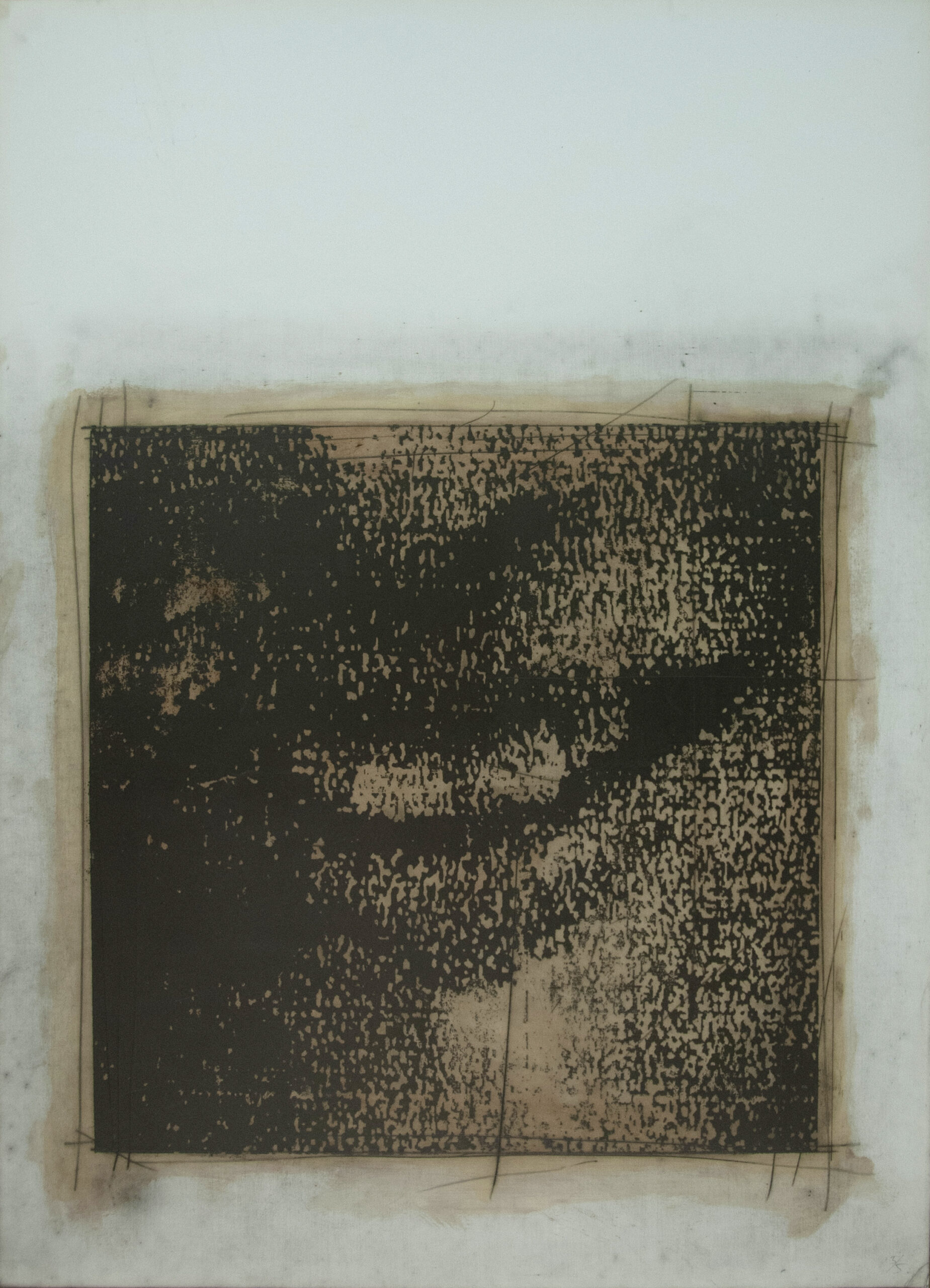
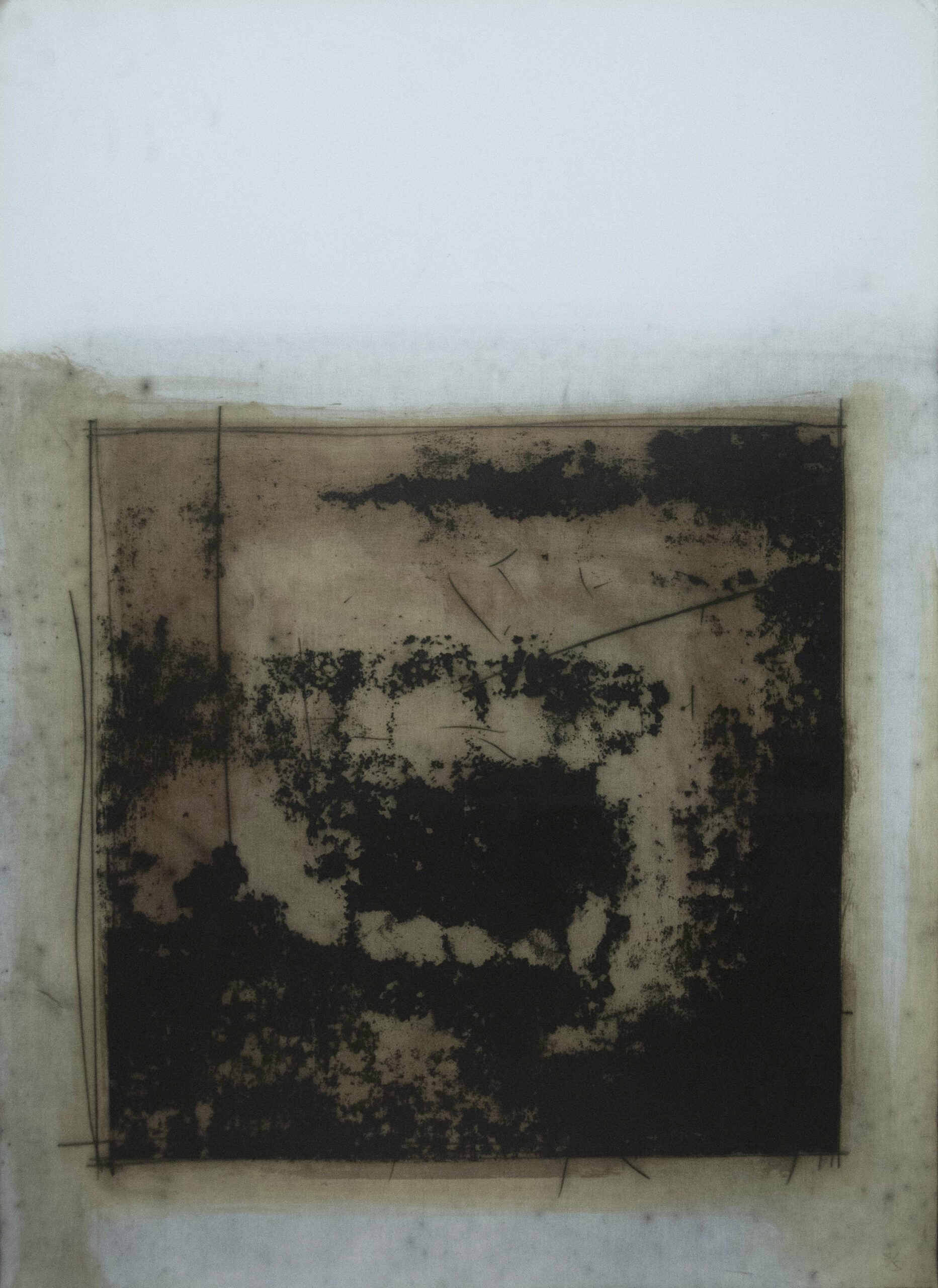
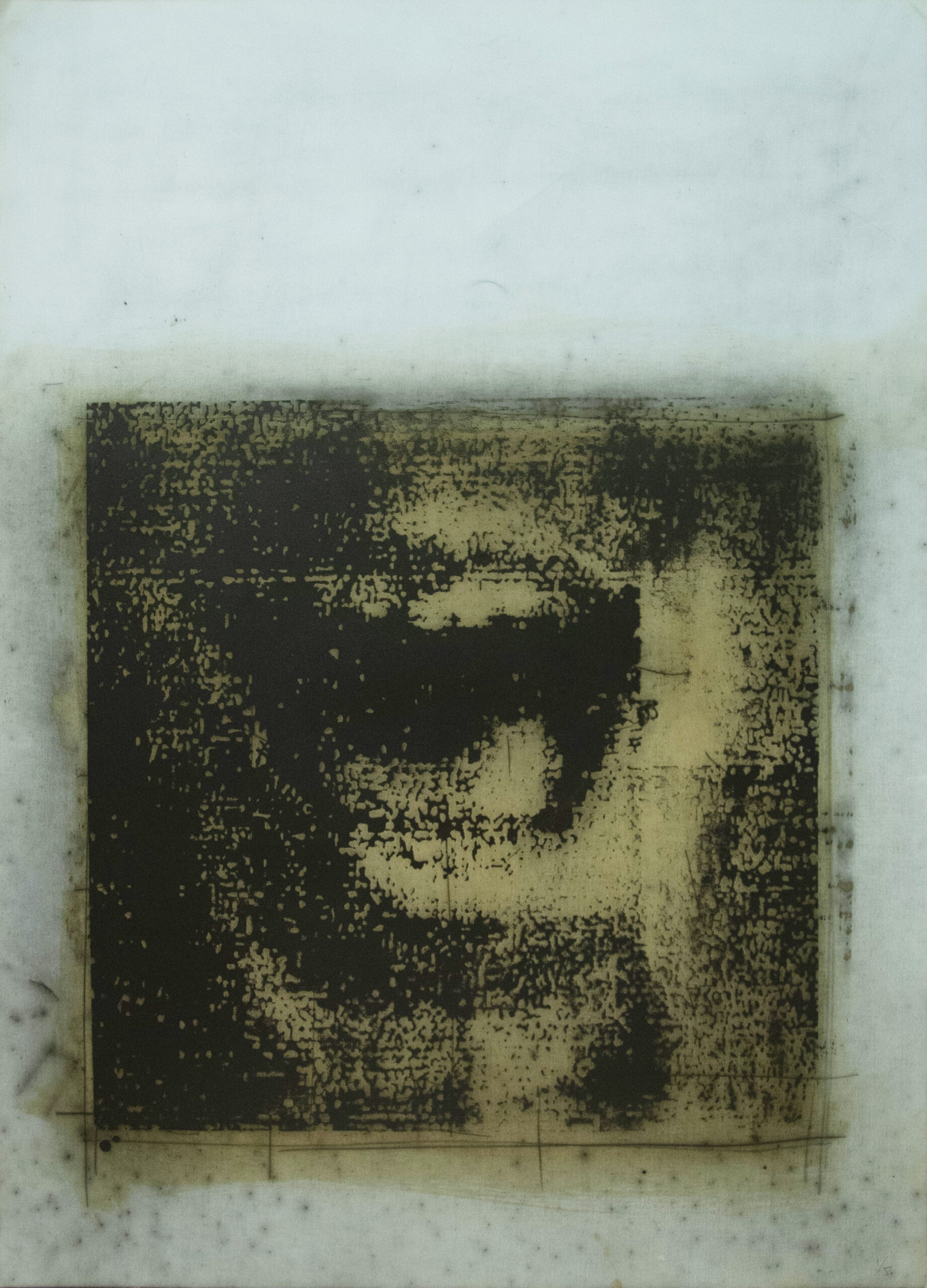
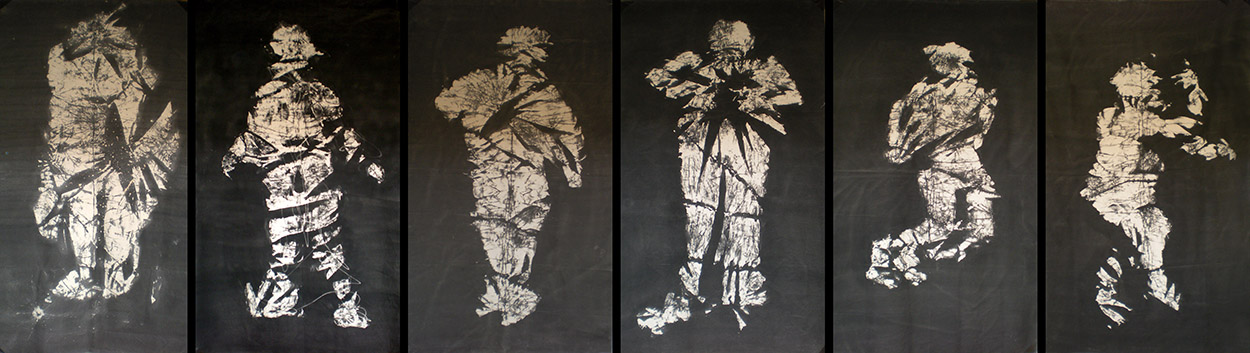
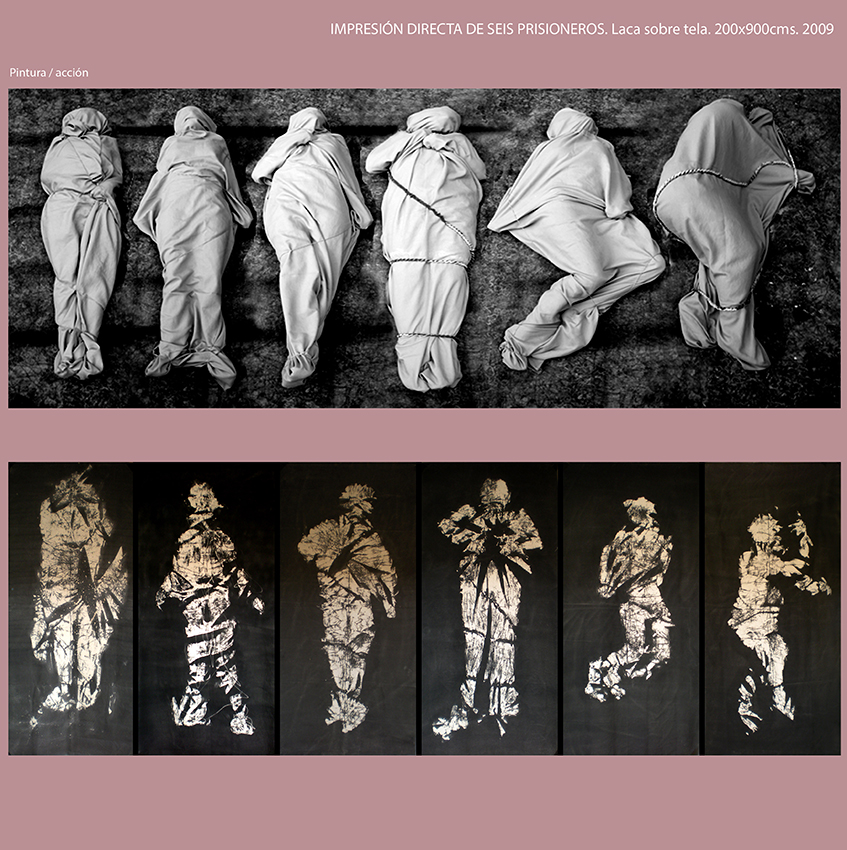
Six prints. Polyptych

Lacquer on canvas. 200x900cms. 2009

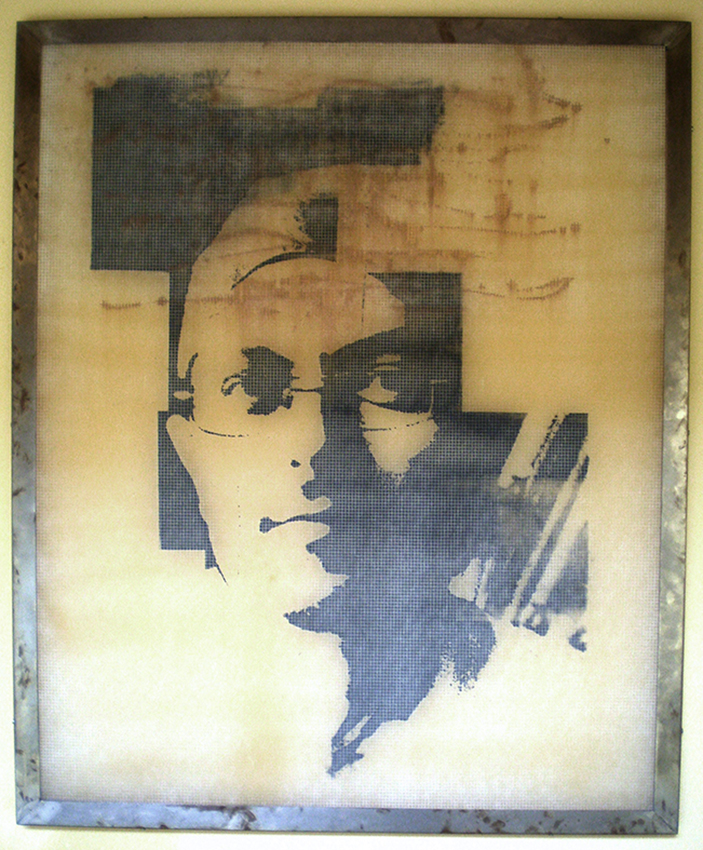
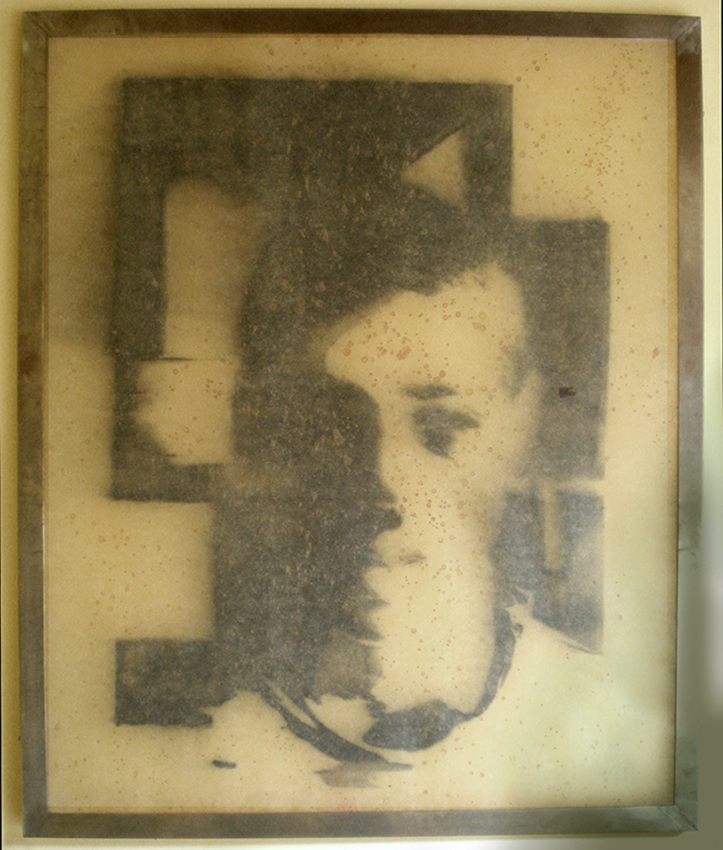
Portraits. Polyptych

Metal powder silkscreen and carborundum on paper. 130x150cms. 2009

LINE OF FIRE OR THE TROPIC OF DISASTER.

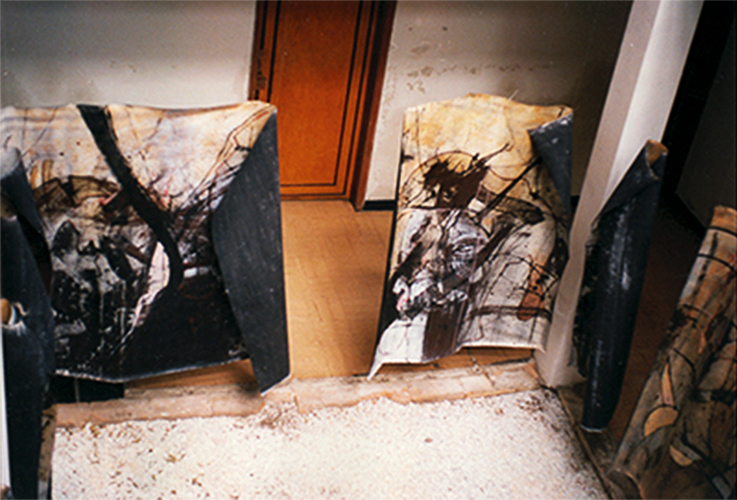
The canvases are piled up in the windows in the artist's studio, like in a souk shop. In the clutter, the orderly chaos of the bazaar, Insuasty recognises each piece and searches for it with the same eagerness of a trader who's found a customer. He describes its virtues as he slowly unwraps it, and then you get the visual impact of its colour and strength, the power of its dimensions, the simplicity of the stain, until it is spread out on the dirty floor of the workshop, like a Persian rug whose craftsmanship and beauty catches the senses.

Insuasty's work is oversized. Its magnitude is surprising with the small studio he has in Barcelona, that city in Spain that feels French and that throbs with culture and art from its Roman foundations, nevertheless, remains a village whose restless air has never quite found a home. It may be that it is an oversized city whose undeniable beauty allows us to live in a mirage, but that is not the point; what I am referring to is the proportion-disproportion of the work due to the physical space of the studio. The artist unfolds, in that taken space, with the skill and fluency of an old librarian. He reaches the art piece from the window and shows it, gathering in a corner from where he guides us in this reading of his work, revealing the meaning of his doing, what to do, and at the same time, revealing himself, as in his technique, before our eyes.

Because Insuasty's technique is a development, a process of inverting the forms and unveiling them, develop them, as in the manner of the alchemists, where intuition and reason fight that old creative battle that orders, disarranges, intuits, deduces, creates, recreates, and so on, until logic is imposed, a balance between the contenders and the work is signed and confined to its place on the shelves of the souk studio. In the process of revealing his work to us, Edgar's enthusiastic and leisurely conversation leaves us with the sensation that he moves with certainty in chance, that he foresees in advance the outcome of the chaos, orders the disorder, and that he knows for sure the twists and turns of the road. The final order in his work is not only a technical matter but also a conceptual one.

Sitting in front of one of the enormous triptychs of his volcanoes that initiate the process of "Line of Fire," he goes on inquiring, climbing into this crater, about the explosive nature of volcanoes, their capacity for destruction, their capacity for creation and the construction of the landscape, etc.., and proposes a similarity where the measure is the human being, the man in the broadest sense, establishing a relationship with his explosive nature, where the result is pain and suffering, violence and destruction, war and hatred, atavistic elements of a species with great creativITY and at the same time a capacity to self-destructive.

The Galeras volcano floods the beautiful city of Pasto with ashes, and from that roar of the land that disturbs the placid Andean silence, also arises the artist's concern about his own nature, as a human being, as a creator, as a member of a community, violated by the telluric force of hatred, as a citizen of a country hit by violence, social injustice, state crime, paramilitary, guerrilla warfare, drug trafficking, and much more misfortunes that make us the epicentre of almost all disasters. From this origin that all Colombians suffer from, Edgar traces, from two distant points of Colombia, two coordinates, two symbolic sites, two ecliptic lines that he projects like an ominous shadow over the rest of the planet, revealing to us once again, a geographical dimension that we could call, a tropic of disaster , in which the points that he points out to us, these other chosen coordinates, reveal these human volcanoes: explosions of political hatreds, religious disasters, barbarities, injustices of war and hunger, genocides and cruelties, miseries of the unreason of an anthropophagous species of excessive ambitions.

The globe could be revolving, and volcanoes would emerge all over the planet, from north to south and from east to west; in a landscape of degrees, minutes, and seconds; lines of fire, smoking craters, explosive epicentres, to which Insuasty brings us closer with his artistic metaphor, putting his finger on the sore spot, from his volcanic origin, in both senses, by the Galeras that dominates his geography of birth and his memory, and that other volcano which is our country, eroded by the lava of blood that runs through us from the "patria boba" (a historical period in Colombia) to the present day, that country in which one would like that, as the maximum expression of its telluric fury, everything would remain, like the Galeras, in a roar and a fine rain of ash. Just ash.

Agustín Jiménez Pimentel

Barcelona. 2009-08-21
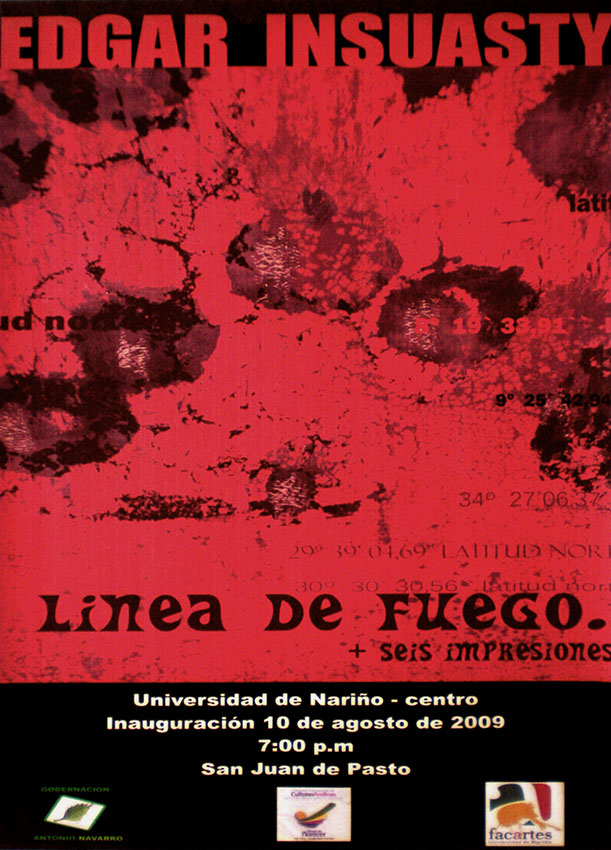
LINE OF FIRE

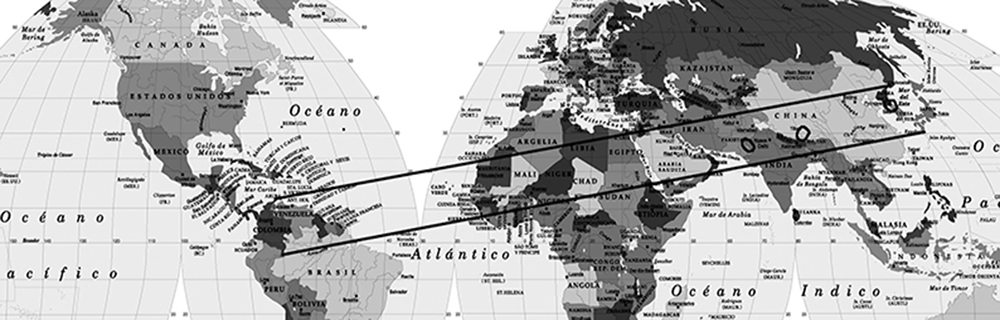
The coordinates are precise invisible points. Exact unknown places. Inhabited or uninhabited points and lines that guide us through a vast and complex planet that is ordered with degrees, minutes and seconds to give us a place in the world. 

The "line of fire" is an imaginary line of coordinates. The artist has selected a geographical point to the north and another to the south of Colombia, projecting them as a shadow across the planet and creating a kind of tropic of disaster from the ecliptic or transversal line that is allowed to cross the equator and the tropics. Along the way, this nefarious shadow finds its parallels, not geographically, but in terms of conflict. A convulsive line of fire, an explosive line, a line that unites that ancestral spirit of man, armed with a bone, an arquebus, a missile, for ever and ever...

The work guides us on its journey through these exact points, which for the most of us tell us nothing, which, however, in the light of its translation in visible places, they reveal themselves as common spaces, marked by the volcano of conflict. Hence, the volcano is the metaphor used by the author to introduce us to epicentres of convulsion and violence, where the volcanic lava is for mortals, a lava of hatred that permeates and destroys everything. 

Here at point 30º 30' 30.56'' or there at point 11º 47' 24.07'' the volcano roars and the earth trembles; the red tinges this world with pain. This shadow casted by this convulsive and self-destructive country, just like someone putting together a puzzle of tragedies, of invisible and locatable coordinates on a map disfigured by the telluric force of man. Pure atavism.

A.J.

9º 25' 42,94"

Lacquer on canvas. 280x400cms. 2009
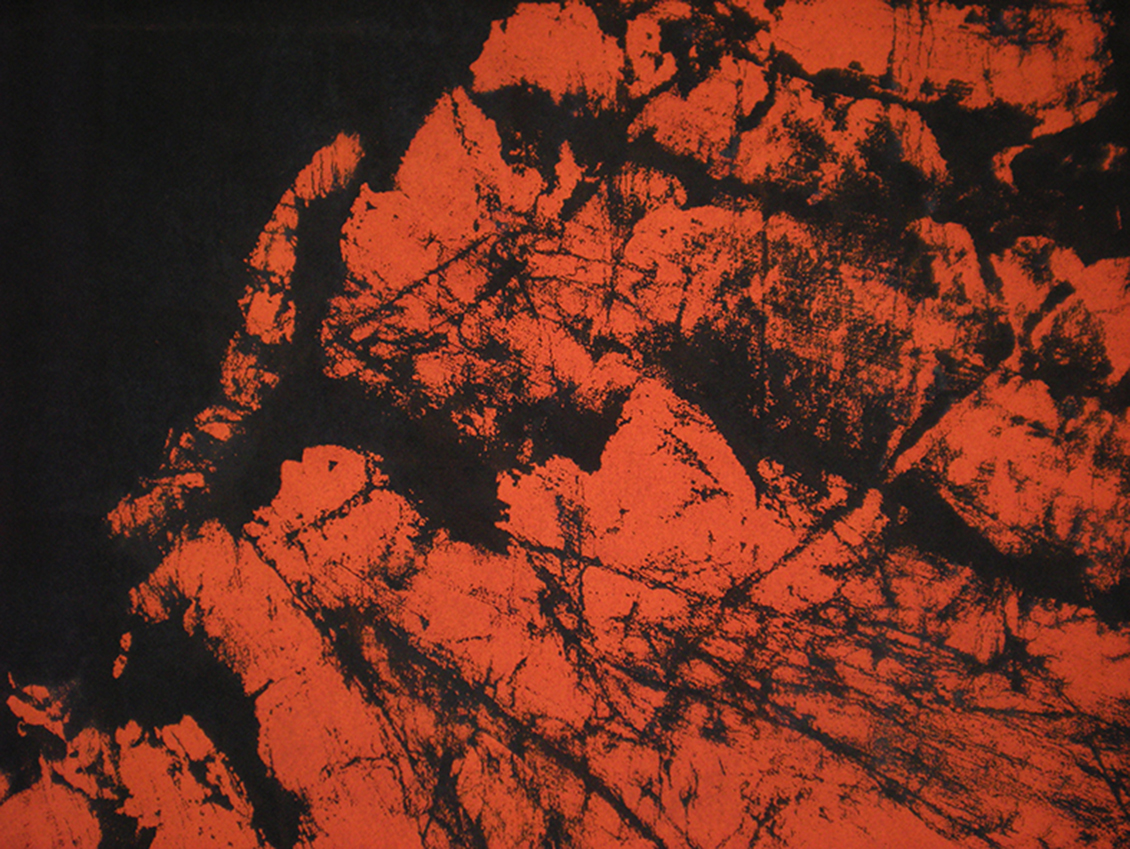
 
29º 39' 04,69"

Lacquer on canvas. 300x300cms. 2009
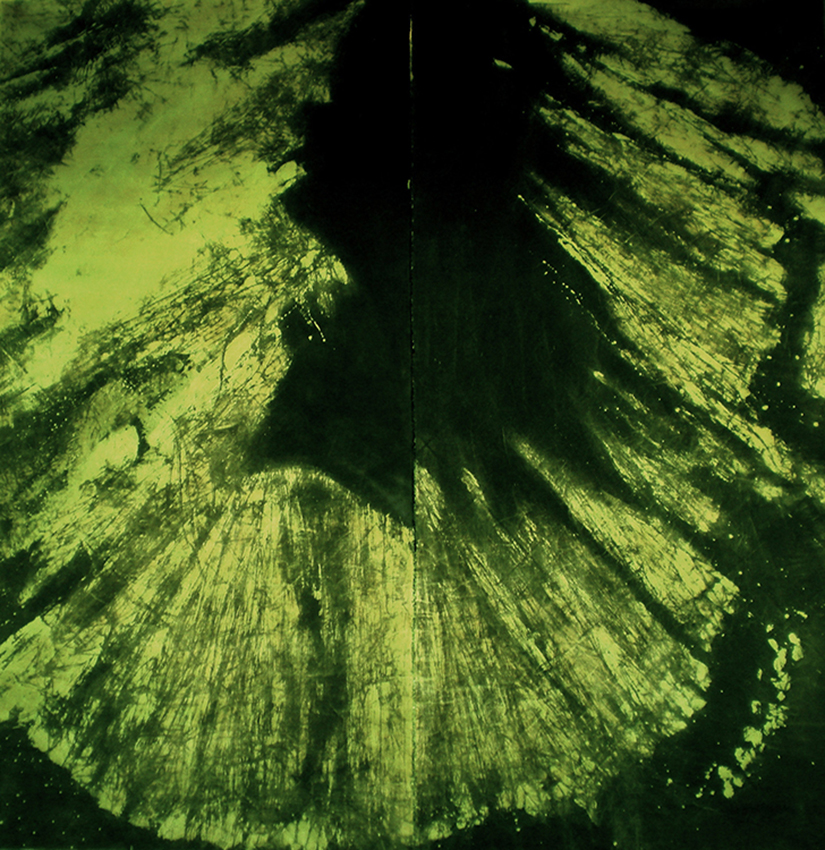
 
30º 30' 30,56"

Lacquer on canvas. 300x300cms. 2009
 
34º 27' 06,37"

Lacquer on canvas. 280x400cms. 2009
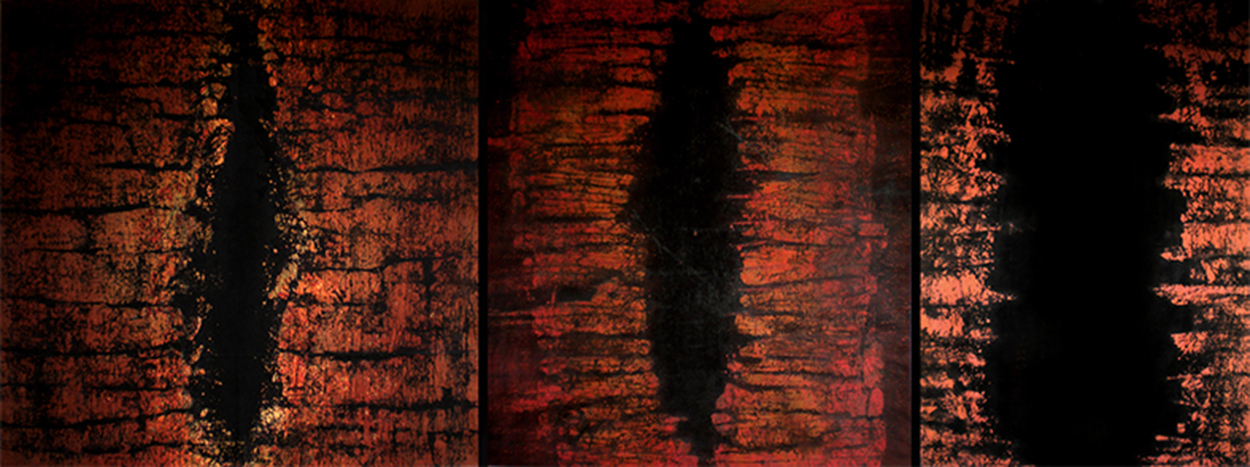
Fire line triptych. 31º36'21,61''

Lacquer on canvas. 280x660cms. 2009 2009
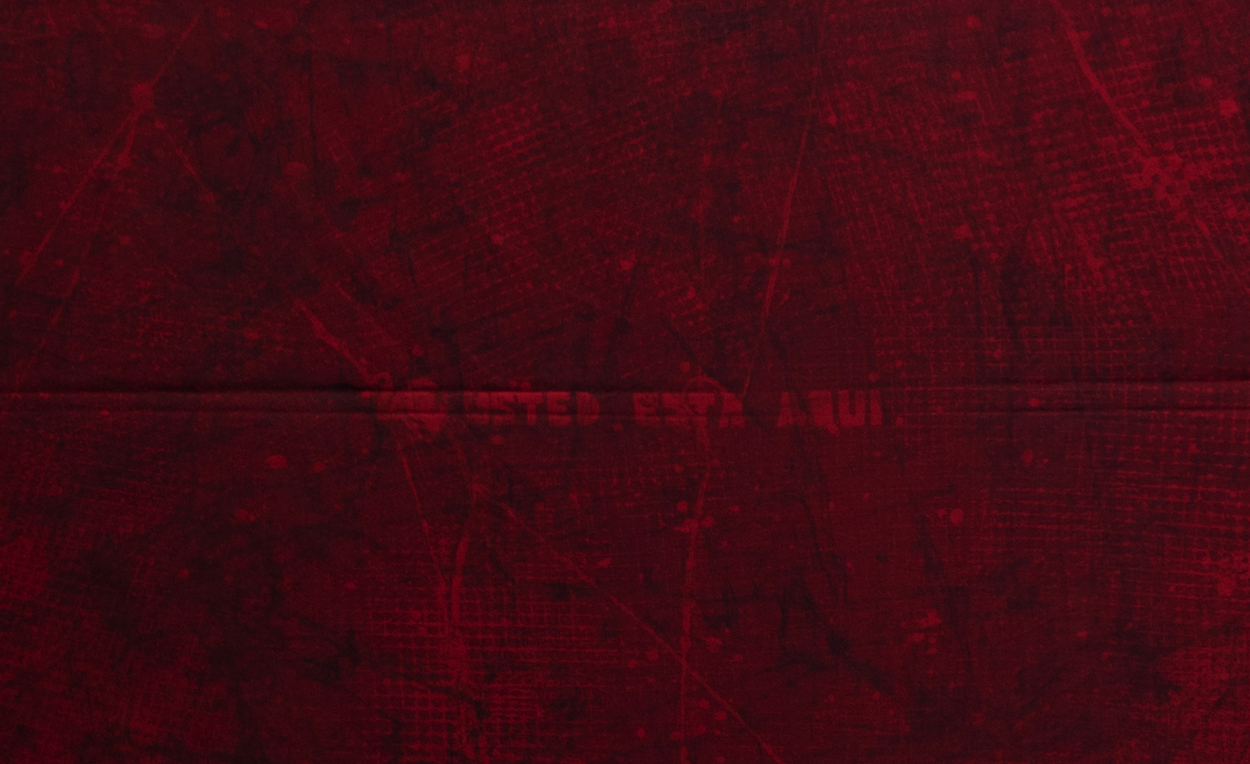
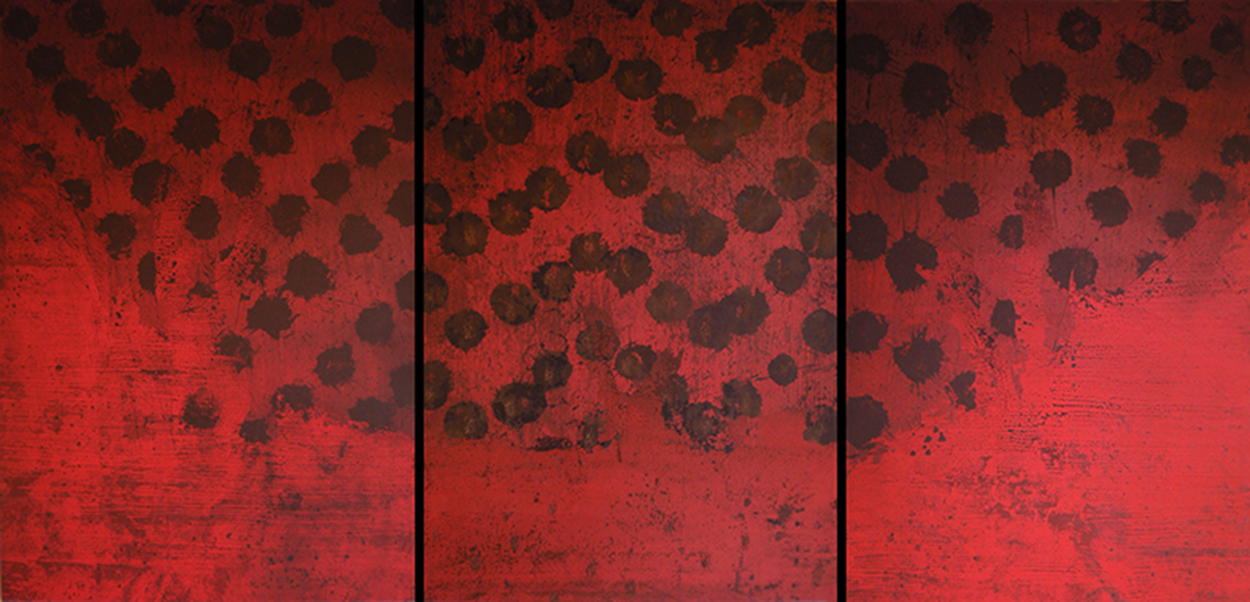
Red triptych. 15º37'59,35''

Lacquer on fake leather. 200x390cms. 2009
24 bars

Lacquer on canvas. 150x600cms. 2009

Twenty-four bars alludes to the penetration of space, to the internal experience in that place where time is stopped and, at the same time, paradoxically, continues its inexorable path. Space is a body, a continent, an enclosure that traps and contains us. A place where our interiorised and hidden existence takes place. That cell that limits us and oppresses our own nature. Twenty-four are the hours of the day, twenty-four are also the bars of that cell that the artist picks up as a trace, prints it, and develops it, and in that revelation, we discover the physical and temporal relationship of existence, our pathless passage, our flight without wings. But in the limitation of the prisoner's space and our own limitation, there is always hope, although to do so, we have to detach ourselves from our body and ignore those bars. The work is arduous but not impossible if we apply the Eastern principle, deeply philosophical, which proposes that it is possible to achieve freedom in a square meter.
Six prints. Polyptych

Lacquer on canvas. 200x900cms. 2009

‘Six Prints’ is a journey into the interior of the human being. Its first frontier is the face, the external image. The artist uses it to make us cross into an intense journey full of mystery. This mystery is graphically represented in the presence- absence of the totality; the faces are diluted, fragmented, unraveled, and self- destructed. They are graphically censored faces, prisoners, human beings in captivity, who project their circumstances to each one of us, prisoners at the same time of our own internal conflicts, trapped in our own existential doubts, lacking certainties and adrift in a turbulent sea with no horizon in sight. Each one is impregnated with their own circumstances and experiences, trapped in the threads of memory and dragged into the uncertainty of the future. They are rusty faces, aged by their own cruelty, so the rust that falls on them is that of their own guilt; the weapon has been pulverised to finish printing an image that fills their own existence with content, reddened with the color of iron as a metaphor of violence and suffering. The artist presents it as a mask in which we intuitively read what it hides, the true face it conceals. It is not a representation of the culprit, because it lacks interest, but rather a representation of the human in the broadest sense, who bears his own experiences as an inescapable burden that represents him in his inner self and projects him to his outer self, that last frontier unveiled by the image that places us all in front of a mirror aged by our own experience.
Portraits. Polyptych

Metal powder silkscreen and carborundum on paper. 130x150cms. 2009 2009

Correo

info@edgarinsuasty.com

Celular

+34 627885217

LAUGHTER OF NINE

LAUGHTER OF NINE

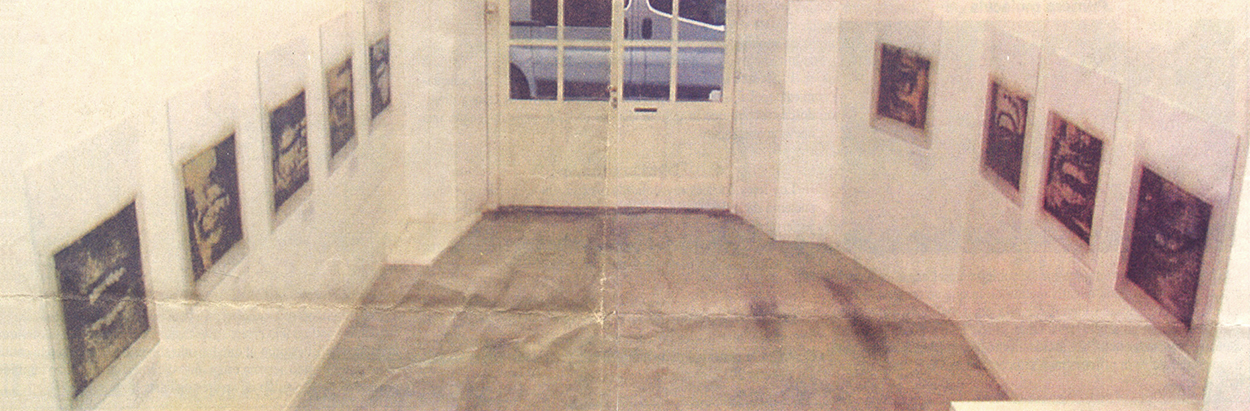
Tinta Invisible Gallery. Barcelona 2006

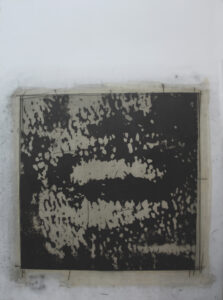
Action - Silkscreen, graphite, and oil on paper.

Nine Latin American immigrants in Spain respond to the question: "To return?’ Each one progressively represents the number of years they have been living abroad from 1 to 9 years. From their portrait, we have only extracted laughter.

LAUGHTER OF NINE.

Edgar Insuasty. Tinta Invisible. Barcelona. 2009

By: Roy Francesc.

Nine graphic elements make up a single piece, Laughter of Nine, the latest solo exhibition by the Colombian artist Edgar Insuasty, is a kind of confession. "This time it is something entirely intimate”, Edgar tells us as we begin our chat in a small cafe in Lleó Street in the old district of Barcelona called Raval, very close to the gallery that inaugurated his show yesterday. “I have questioned nine people with a single question, ‘to return…?’, and while one by one they answered, I focused on photographing their mouths, the smile, shy or determined, that from time to time could be seen at the corners of their lips". We ordered a couple of coffees and started talking about, why nine.

Edgar Insuasty:  Well, it's been nine years here and nine represents birth and it had to be done. One person per year, each one telling their experience in one, two, three year periods and so on up to nine. The best thing is the definite way in which time influences people, the first one is so absorbed in the discovery of the novelty that they don't see anything else, but the last one is dramatic, more complex; distance, melancholy and things like that come into play.

Roy Francesc: And you, did you identify with any of them in particular?

E.I:   Maybe. (laughs) I'll tell you about it later…

R.F: The idea of photographing them smiling works as an irony? Because some of the answers, especially the last ones are rather sad...

E.I:  The symbolism of the mouth is associated with a very graphic double pole, on the one hand there is the consuming or better said, the ”devouring" element, and on the other, the creative verb, communication, the word, man speaks and at the same time devours. And we also know that the latter is associated with fire or destruction, fire and creation, the point of union of the two worlds, the interior and the exterior. The people I questioned, answered the question in a practical way, they feel good or not so good depending on how long they have been away from their country, but deep down there is something stronger; the situation, being divided. It is interesting, how space and time influence...

R.F: Graphically too?

E.I:   Of course, if you look closely, the image transforms little by little as time goes by, the man in the first image smiles like the man in the last one but the reproduction is different, at the beginning it's a smile, at the end, a grimace, almost like an abstraction.

R.F: Is this influenced by the fact that the nine pieces are graphic works, that is to say, a piece that is reproduced?

E.I:   Not entirely, because the most important thing is not that they are silkscreen prints but that they are manipulated pieces, one by one; I made a short edition of each piece and although they all start from the same base, it is in the partial manipulation that the series and the linearity of course become concrete.

R.F: Technically they are very attractive?

E.I:   Yes, but that's not relevant. That's not the point.

R.F: So it's a strategy?

E.I: Exactly. The nine silkscreen prints, the mouths, the symbolism of the smile and the mouth, and all that, the transcription of the texts, work correctly, but what interests me is the action, what happens while I elaborate and develop the idea. The strategy we're talking about is very personal and directly associated with my notion of making art. I set up a situation, what happens while the action develops is what really moves me to do it. Art must happen, not to be hung and seen, I mean that there is a temporal and spatial implication in the making of a work, I try to make it not just my own thing. sucede mientras se desarrolla la acción es lo que realmente me mueve a hacerlo. El arte debe suceder, no ser para estar colgado y visto. Quiero decir que hay una implicación temporal y espacial en el hacer una obra, intento que no sea solo cosa mía, 

R.F: There were people who identified with the texts or with the characters, shall we say?

E.I:  Yes, but that's natural, these are responses from people who have migrated and in this city there are many immigrants, they are common stories. That's why I focus on what's behind them, the transformation, the vulnerability, the fragility that increases progressively, the time that devours everything.

R.F: Do you work with circumstances? Because you are also an immigrant and I suppose that that has marked you from the beginning.

E.I:  Of course.

R.F: In some of your previous pieces, we've also seen that relationship, for example; when you worked with the coffee filters boiled in Colombian coffee talking about that metaphor of migration, or when you related journeys with the poetics of the space left on an empty boat…

E.I:  Yes, that's right, but immigration is not a single circumstance, the phenomenon is more complex than it seems. I don't just talk about migrations, but about the way in which events influence people and me directly; the way in which the weakness and the limit of fragility makes a dent in the appreciation of reality, in what people show or how they show it.

R.F: Terribly fragile…

E.I:   More than is apparent. We are vulnerable to fragility.

R.F: And reality?

E.I:   We are always deceived. What we are shown is not entirely true. I like to think that nothing is as it is told, nothing at all; this is dramatic because we follow a partial reality, so our truth is half what we see and half what we are told. Then there is judgement and how you or I react. But all this is already a habit, everyone knows it and we have accepted it, that's why immediacy is so important, the immediate response to the question, the document has a lot of that, the event, unlike fiction, that leads us to imagine the possible. The best thing is that fiction also has a large percentage of reality, hence the complexity of fictitiously posing a phenomenon.

R.F: According to this, your works have something of fiction and something of documentation?

E.I: In the case of “Laughter of Nine", yes, well, and some others too. Earlier you asked me if I identified with any of the interviewees, and now I have to tell you that the interviewees only exist in the need to create the fiction of a document, it's like a contradiction, it's true, but I think that in doing so reality is questioned, they are fiction, it's myself responding to the migratory experience. However, I feel that it's not what really matters because the only true thing is that the emotions expressed are common to a multitude and that makes them true, that's what makes them a document.

Halfway between documentary and fiction, Edgar Insuasty's work seeks to respond to the author's own experience after nine years abroad, either far from his country of origin or from himself. 

At the same time, the waitress of the small café, a young woman, also a foreigner, shows up with the bill, we pay and we leave; in the streets, hundreds of Pakistanis, Chinese, Romanians...


Jimmy O.

Silkscreen, graphite, and oil on paper. P-A. 90x65cms. 2006

I'll be here for a year on the 27th. I am surprised. My father was Spanish and a sailor; he was the cook on a cargo ship. I came here because of the stories he told me when he lived and travelled and came back, and now I want to stay here, forever... (laughs) I would love to, I don't think I'll go back.

Marina Z.

Silkscreen, graphite, and oil on paper. P-A. 90x65cms. 2006

I'm 33 years old, and I was born in Cumaná, in the north, on the coast, near the water. I've been living here for two years, also near the water. I work and earn money, and I'm happy... (laughs) I have papers, everything is perfect.

Fina H.

Silkscreen, graphite, and oil on paper. P-A. 90x65cms. 2006

A lifelong neighbour, she says, smiling, of the Herenni Fountain, the square. "It's been three years seeing the same fountain. No son, what's the point, I'm 76 years old, and my grandchildren are here. I'll die here, and they can bury me wherever they can.

Francisca H.  

Silkscreen, graphite, and oil on paper. P-A. 90x65cms. 2006

‘Four years here, and it seems like an eternity. I came as a tourist for three months, and you see... a few days before returning I met someone, I fell in love and so far... (laughs), if this ends I might think about returning, but returning to where? Because I've been there twice and when I come back here I also have the feeling that I'm coming back, I don't know... Everything seems the same to me.

Diego W. Marcos.

Silkscreen, graphite, and oil on paper. P-A. 90x65cms. 2006

I would say that I don't want to go back, but that's not true. I didn't come here to earn money, I wanted to study, and I'm doing it, when I finish I'll have to go back, of course, I'll go back without a penny... (laughs) after five years here I'll go back without a penny, well, without a penny but AS A doctor, that's good enough for me, "doctor" is good enough for me... (laughs) doctor para mi vale… (..Risas…)”

Maria B.

Silkscreen, graphite, and oil on paper. P-A. 90x65cms. 2006

In the beginning, she says, everything was new, she had the illusion of getting used to it, but now everything sounds the same to her, her family is still there, "it's been six years," she insists, and she has to earn money and send it; Umm...! The same thing about everyone, She continues, some stay and others leave, and we keep thinking about going back, that's what doesn't happen, stop feeling the desire to go back one day, "that desire gives me some happiness," I'll go back when I can... 

She finally smiled.

Iván R. 

Silkscreen, graphite, and oil on paper. P-A. 90x65cms. 2006

Iván is a curious guy, to say the least. When he smiles, he shows his teeth as if he were going to devour something. "I am an exiled thinker seven years in waiting..." he said, and perhaps that's why it seemed to me that he had a certain restrained rage. I asked him if he was thinking of returning to his native Mexico, and I think he answered me, but he went off on a rant; I didn't quite understand his answer, but I transcribe it as it is:

"At this point, we don't care about children; we don't care if they are older or younger, or if it's hot and we sweat like the windows sweat in this city when it's cold and snowing, if it's the same everywhere, here in the EU or in the south of the US, who cares if we wear little woolen gloves on our hands or tanned leather gloves for an English punk, if there are hangers everywhere. Who cares if a row of buttons resembles a disorderly procession of sharp safety pins. It's cold here too, and there's no rain over there. It's not as it's painted. A mirror shows the desire more than the image, and so nothing is certain, everything is only possible…".…”

Eduardo D.

Silkscreen, graphite, and oil on paper. P-A. 90x65cms. 2006

The strongest part of coming back is saying goodbye. It's painful and great at the same time. I've been here for eight years, and I've been back four times. I think it's like at the cinema. You are there, in the darkened room, believing the reality like those enormous images carpeted with strident sounds, and suddenly it's over. And as the light from outside draws you in, you think you're back to reality again. But that's not the case, that's normal, I know, wait, I was saying it's like the cinema, let's say you've just seen the credits of a great film, for example, and you've already picked up your brown coat and your black bag - as usual - you go to the door, and you start crying... (laughs) yes yes yes...! a strong choking sensation in your throat and a breath, like in the supermarket where you can't cry, of course, you know they look at you, everybody looks at you, but not in the cinema, it's dark, and everybody goes in your direction, you know? Yes, in your direction, out, and they don't see your eyes getting wet while you think that it wasn't true -yes- about the goodbye. That terrible feeling of having had everything and losing it in the farewell embrace, because in the cinema you have everything because of the images, the fantasy, you know, you live it in real flesh, and suddenly, that's it. You've paid, you've seen and lived, but that's it, the world is walking again, migrating, and then it hurts, and you cry because it's over, you see? When you leave, they no longer listen to you. They are on the other side, and you are here, in silence, and that silence is beautiful, so similar to distance.

Rodrigo I.  

Silkscreen, graphite, and oil on paper. P-A. 90x65cms. 2006

I don't know. Nine years are like childbirth, and I've lost myself, as in a melancholic and lonely labyrinth. I can't answer your question.

Correo

info@edgarinsuasty.com

Celular

+34 627885217
YOU ARE HERE

"YOU ARE HERE"

Archaeologies. Project developed in Madrid with the collaboration of Latin American immigrants living in Spain.

You are here. Archaeologies
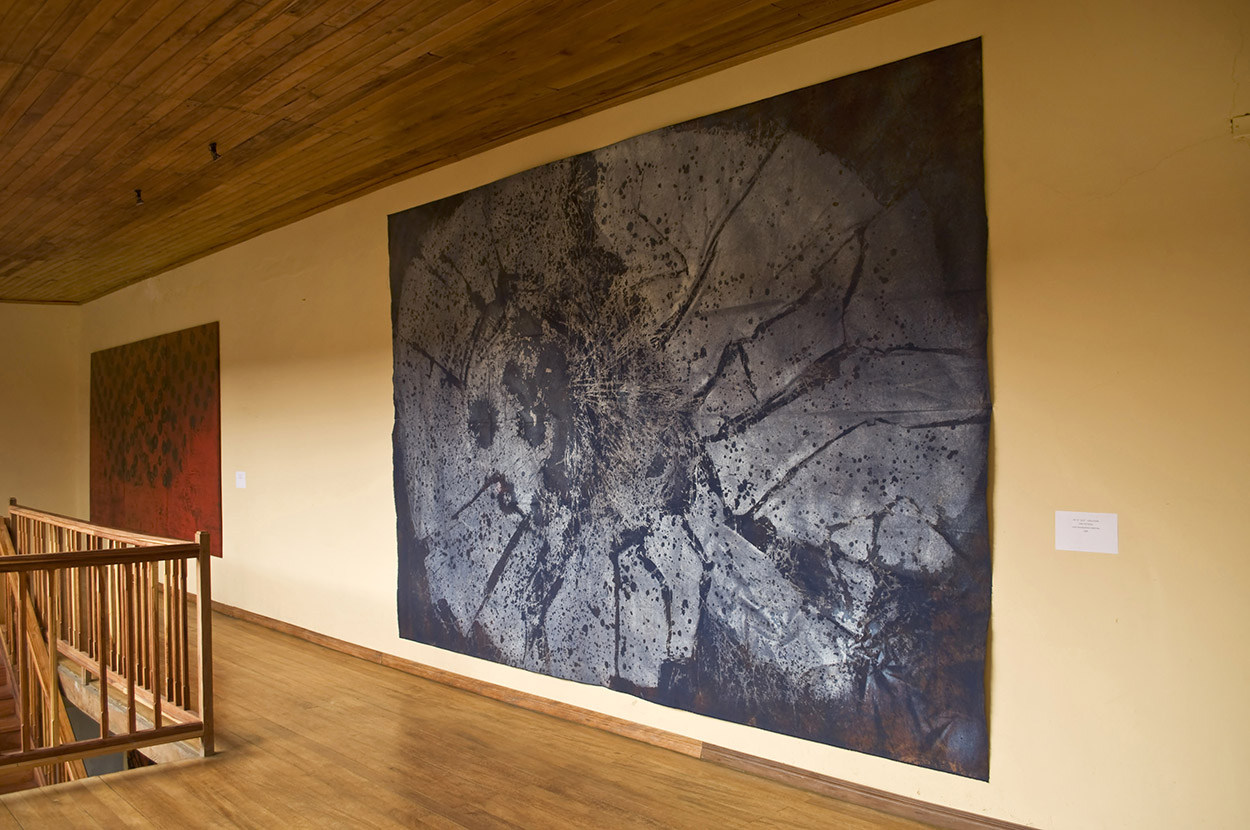
Polyurethane lacquer screen printing on canvas. 280 x 600 cm. 2005

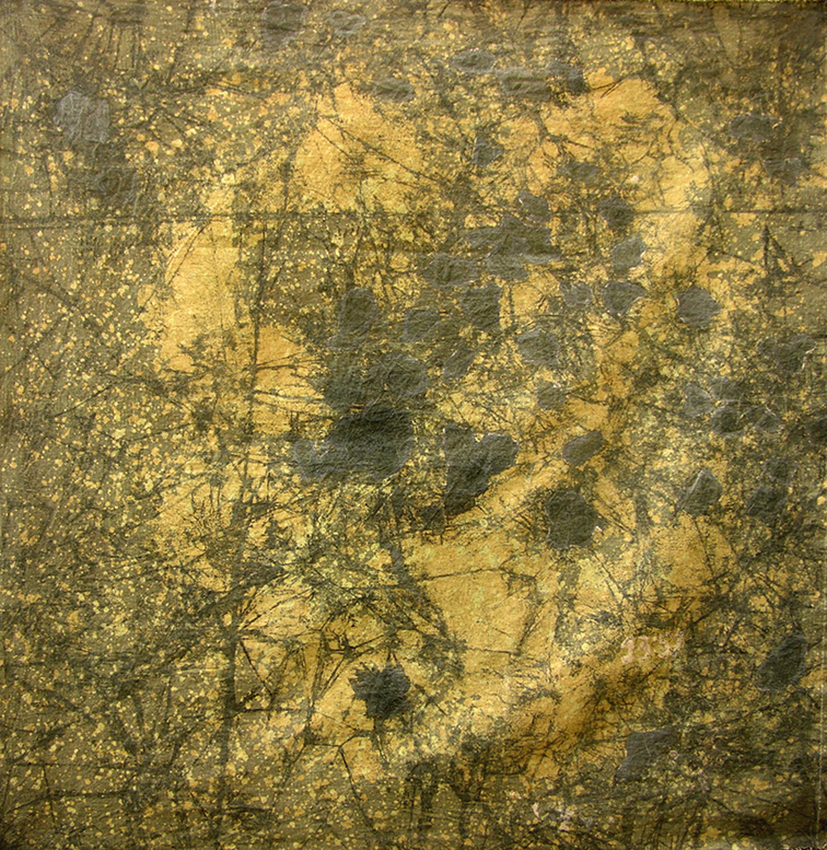
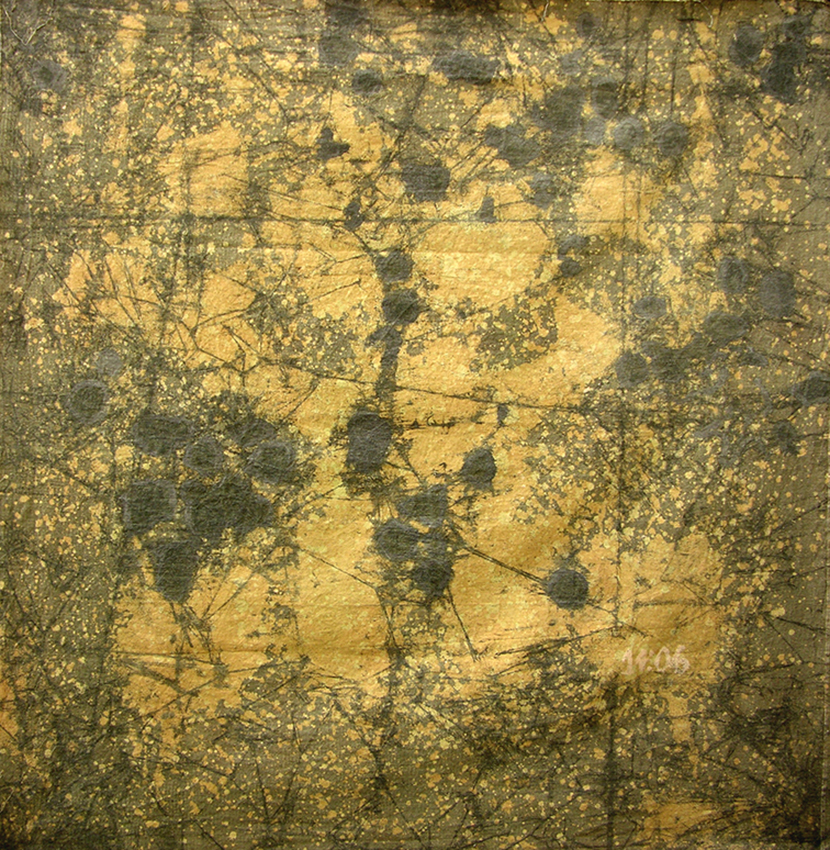
The project "Archaeologies," to which this piece belongs, involves the collaboration of individuals who, as emigrants-immigrants, are part of a kind of inverse recolonisation developed in the so-called first world. We seek a qualitative record of their personal vagaries through a pictorial strategy of action-experience-aesthetics that, in principle, create metaphorical fictions that are the product of chance, recorded using silk-screen printing techniques on cartographies or fictitious maps as guides to the establishment.

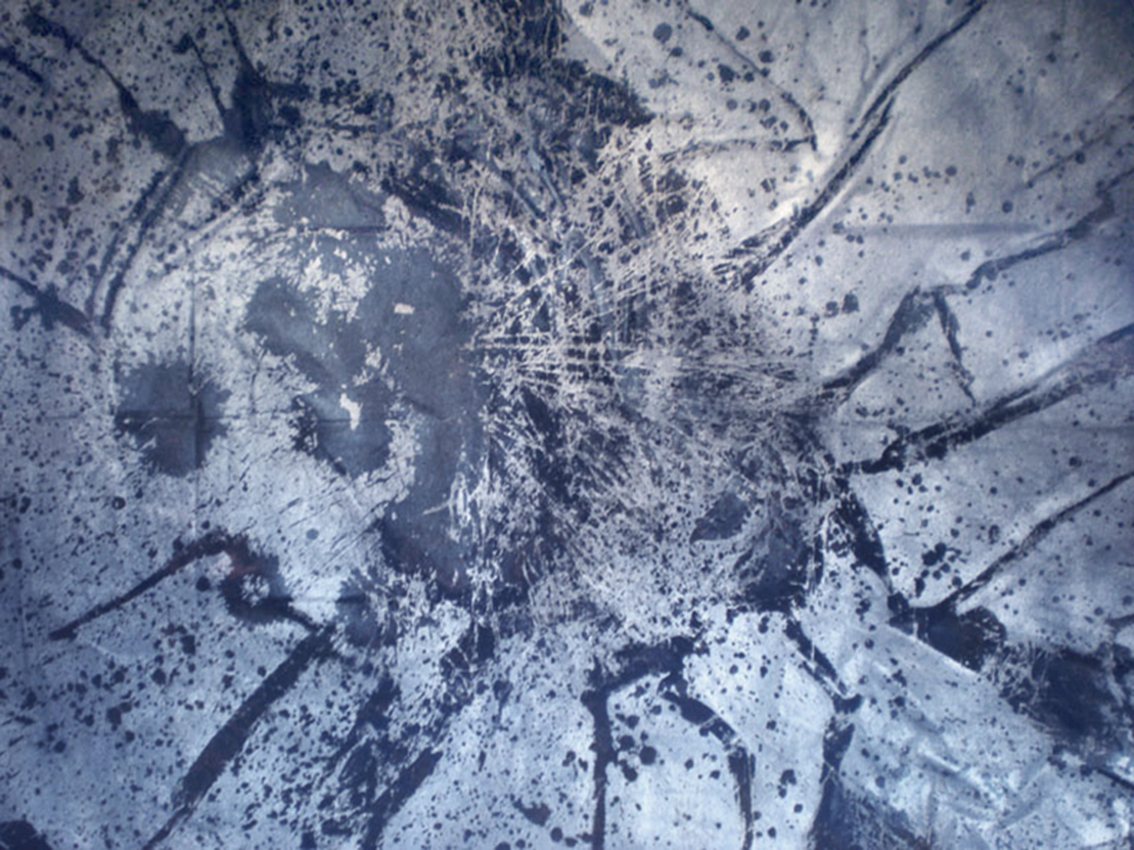
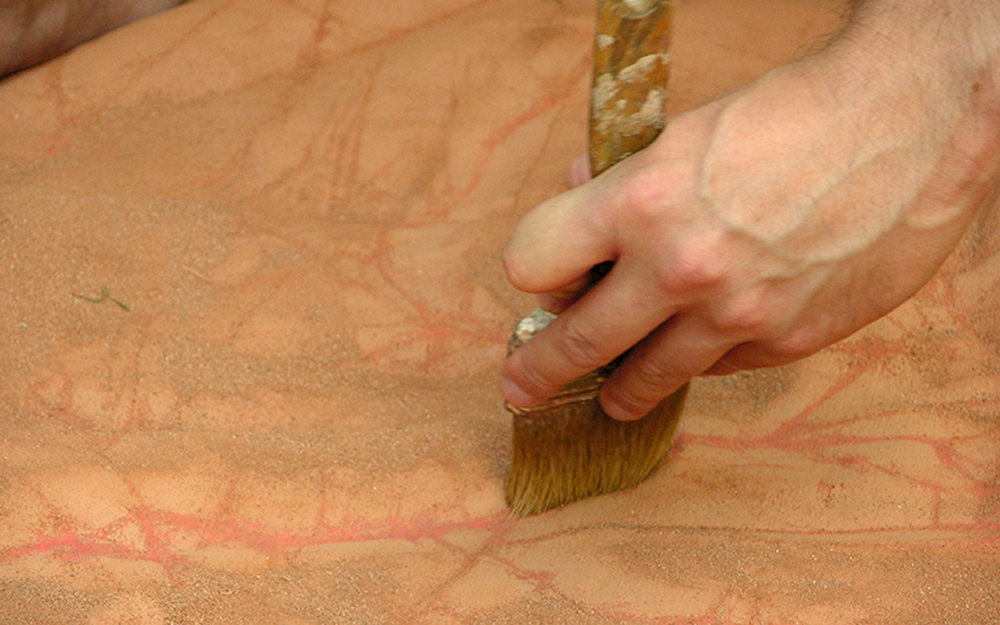
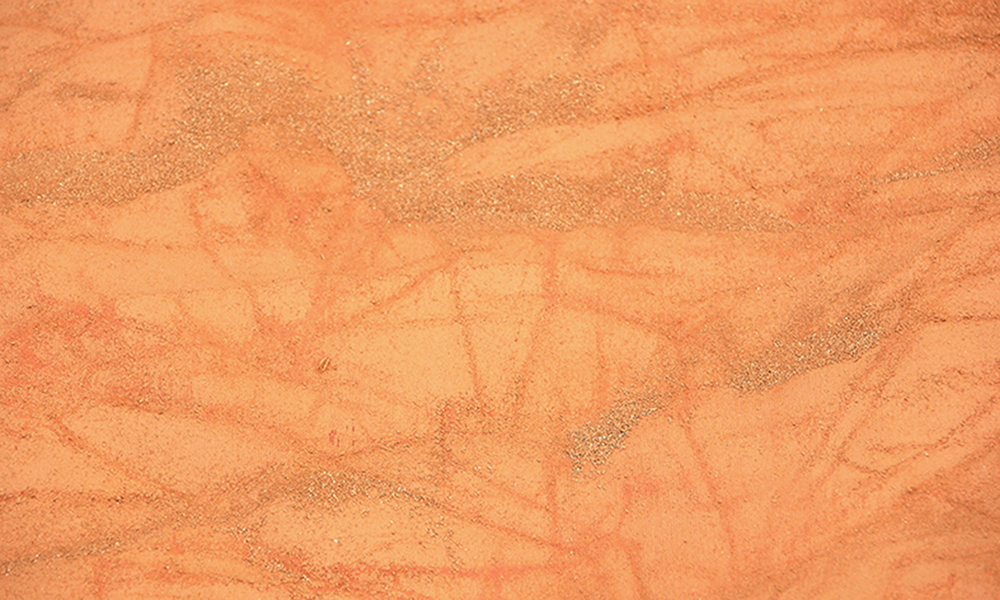
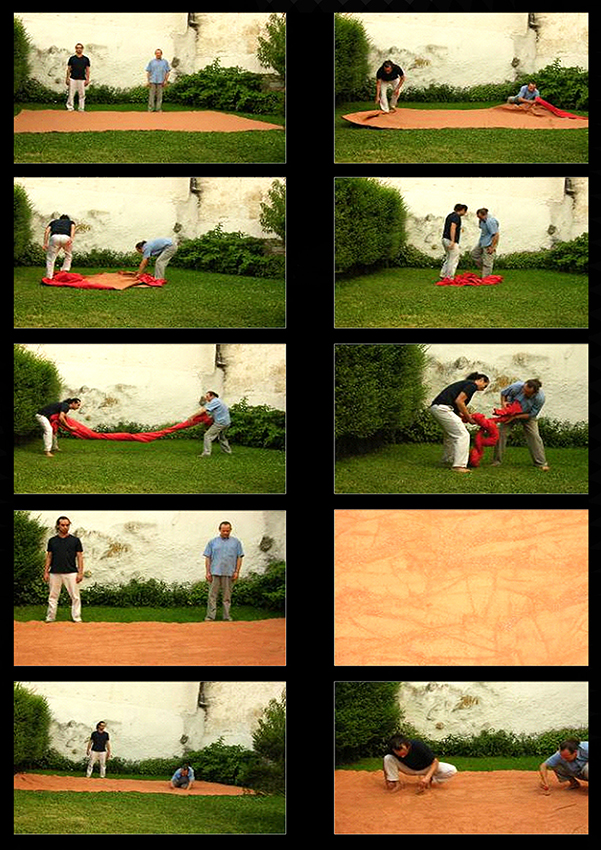
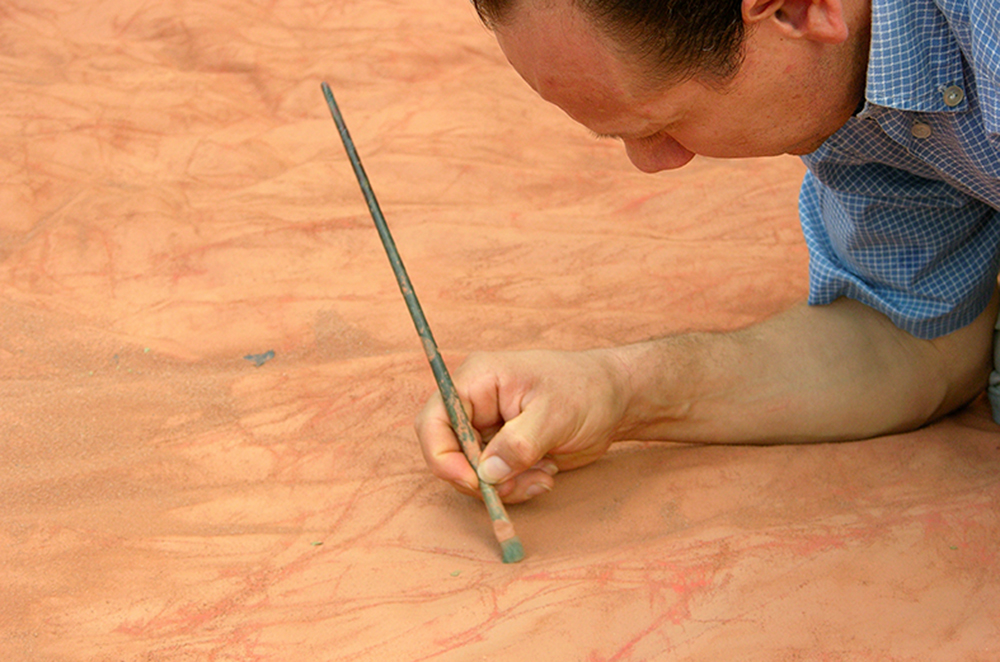
In "You are here," two spectator-protagonists are invited to create paths in the form of absolutely personal itineraries. The fictitious map - a metaphor for location - is covered by a thin layer of mud that, once dry, cracks following the folds of the cloth placed at the disposal of the protagonists. Behind every gesture of folding, stepping on, crumpling, there is a register, a nerve fibre printed on the canvas as a product of the need of each one to follow a line of behaviour, each one has a particular way of folding, of moving, of cleaning each trace in the manner of the archaeologist who is discovering his own history. The individual who is part of his own migratory invention builds his own city, wherever he is, establishes his own urban experience, identifies himself by recreating his own family memory, that "small memory," a mixture of fiction and reality, which differentiates us from each other.

Moreover, the question of migration is also a matter of distance. The space generated between two points, departure-arrival, can be a non-place of emptiness, the beginning of dis-location. In these times, full of migrations and moves, human beings look for the place they dream of, and in the end, the chosen site ends up becoming that dreamed-of place; thus, the subject creates their own image of the location, situation, while filling the void left by distance. The individual absorbs at the same time as he yearns, mutates, and adapts without ceasing to be the product of his own circumstances of estrangement, absence, and uprooting; he situates himself in that starkly natural way, in which we invent the world in which we live WITHIN our intimate environment to survive in it. Perhaps we are only shedding our skin, like the snake that abandonS the remains ON THE SPOT, in the place where the transformation ended, WHILE the flesh is preserved intact. After all, we too are constantly losing residues of our skin, we are constantly shedding. 

The canvas loses the appearance of a canvas, of a painting. It is a blurred image, like the faint reflection of what we finally are, of what remains of us.

You are here - Detail

Nino Gaviria. Medellín. Colombia.

Date of arrival in Spain 20/01/03

Efraín Torres. Sogamoso. Colombia. 

Date of arrival in Spain 30/03/01

Correo

info@edgarinsuasty.com

Celular

+34 627885217
LAST DEAD BUTTERFLIES

LAST DEAD BUTTERFLIES

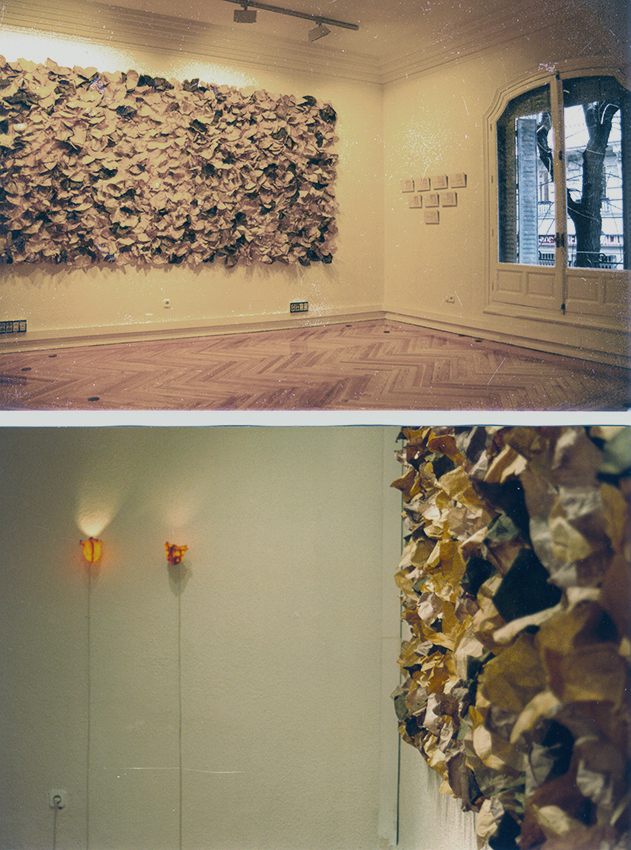
Action-installation presented at the Ibero-American Institute of Finland. Madrid. 

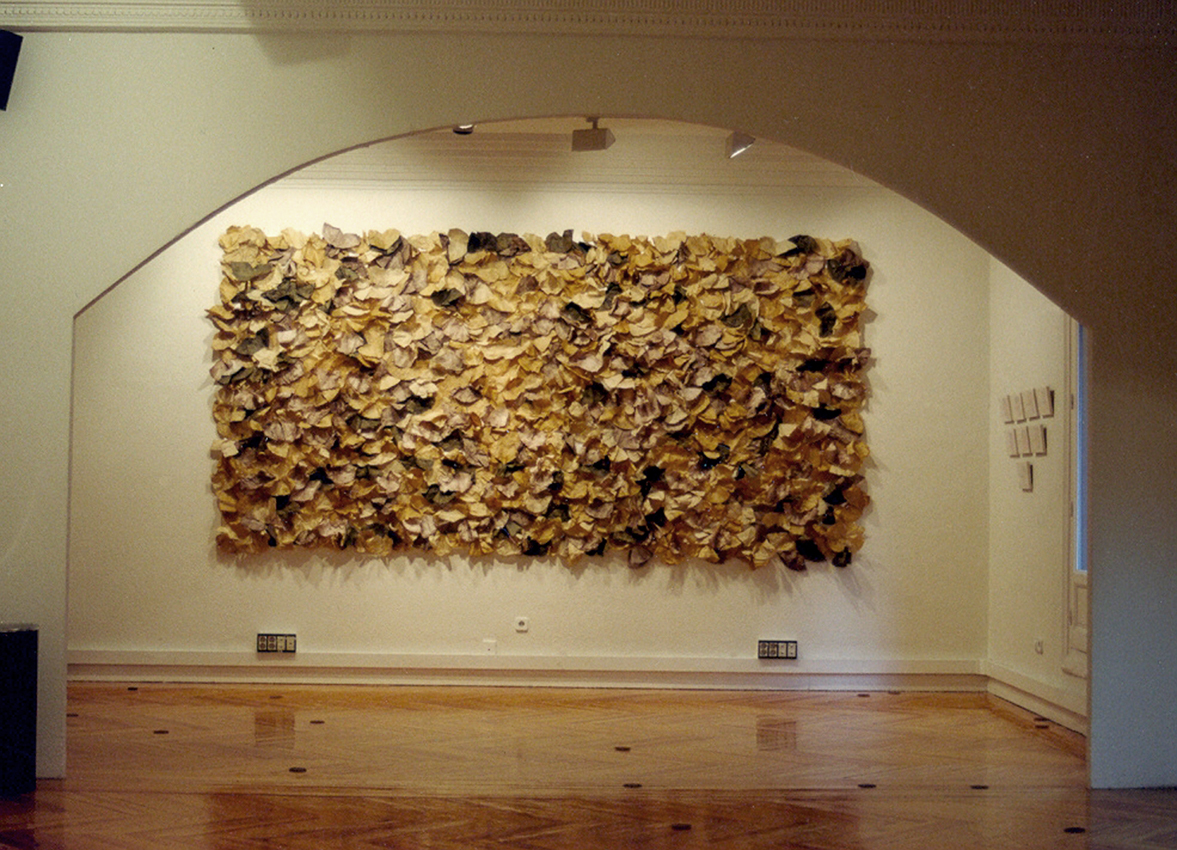
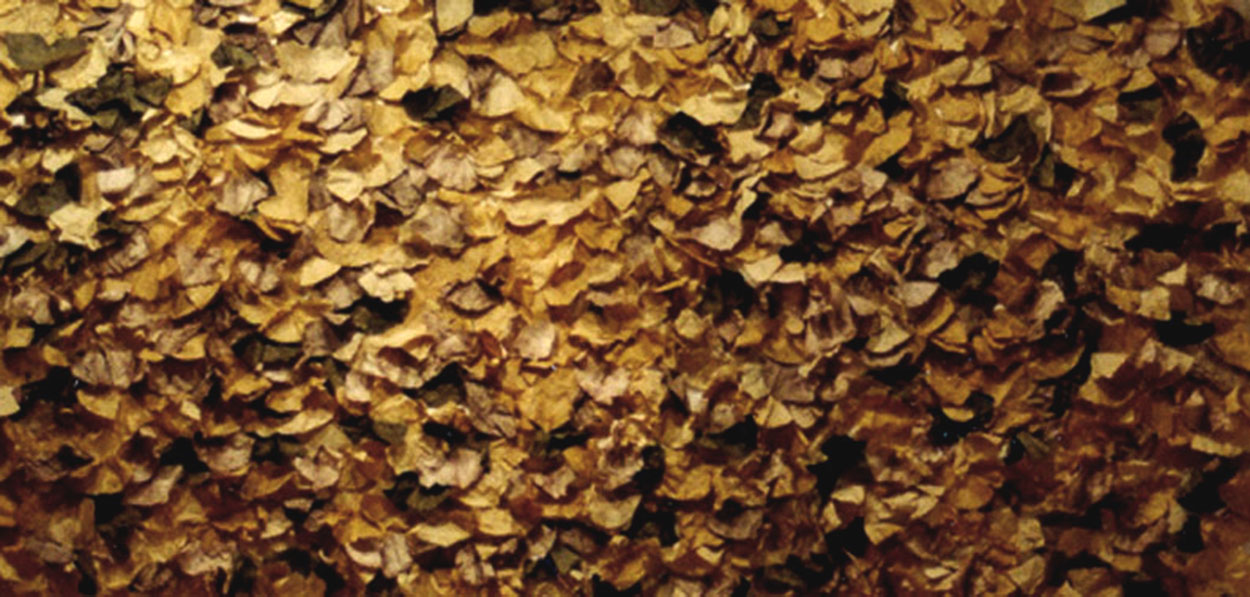
Coffee filters, pins, cork. 200 x 450cm. 2001

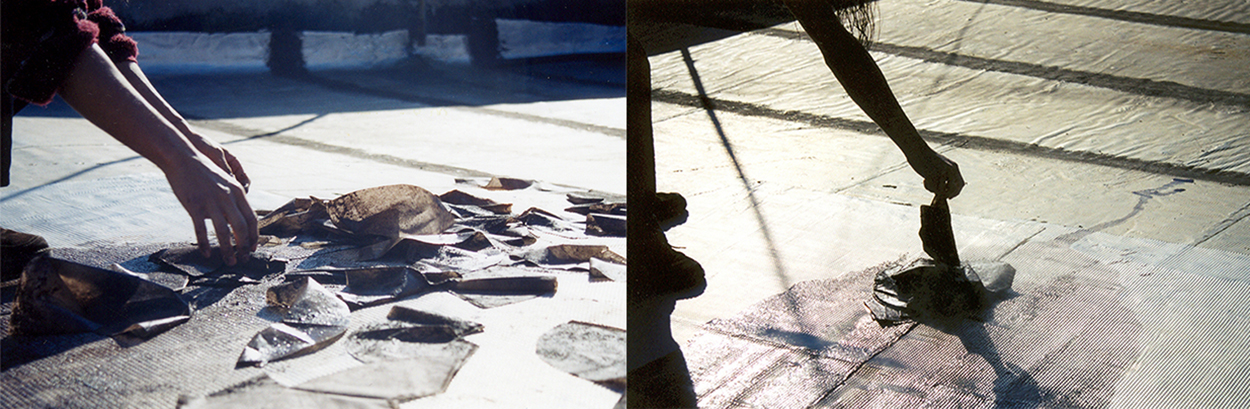
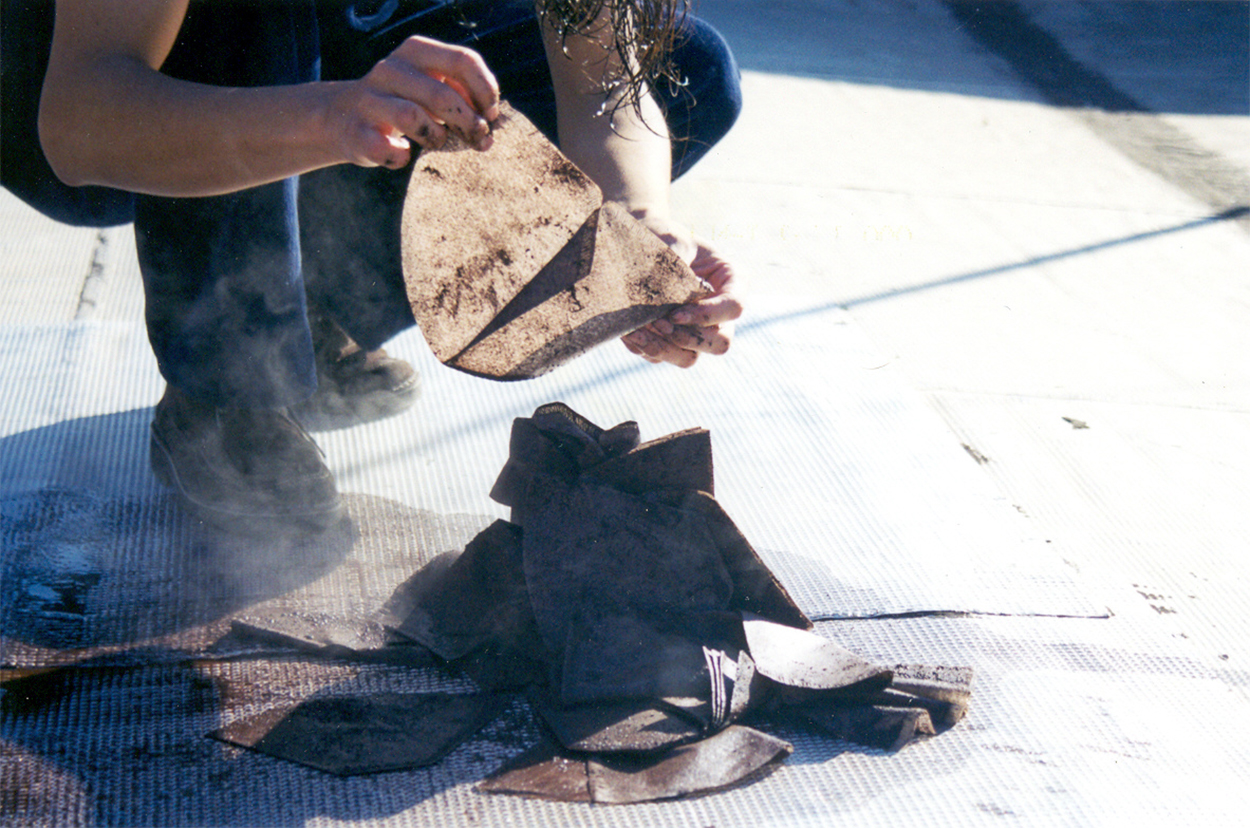
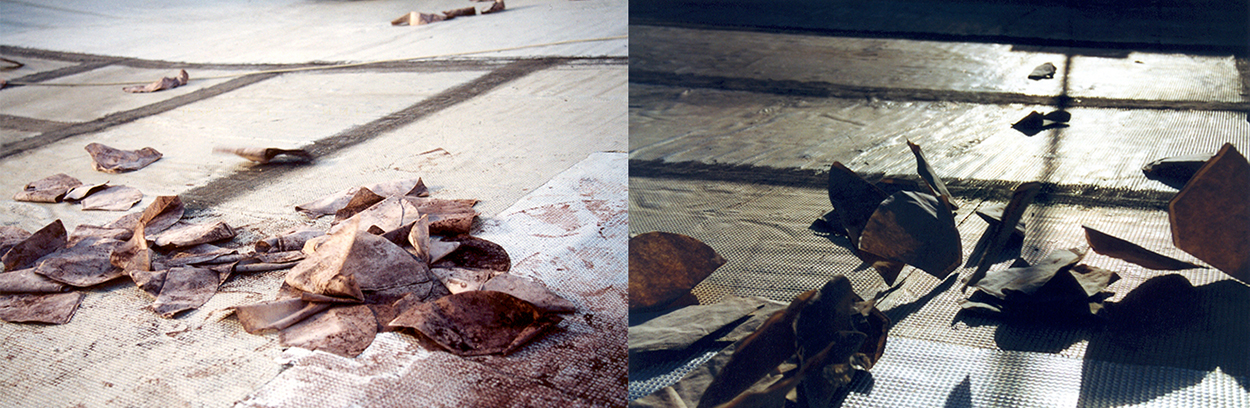
Emigrating nowadays is almost a necessity, and the periodic change of habitable space is creating a NEW KIND OF nomadism. Without a fixed point of arrival, those who come and go are confronted with the inertia that, ironically, hides behind the movement. The insectarium created from coffee filters and placed under a ventilation device suggests the inertia of this immobility.

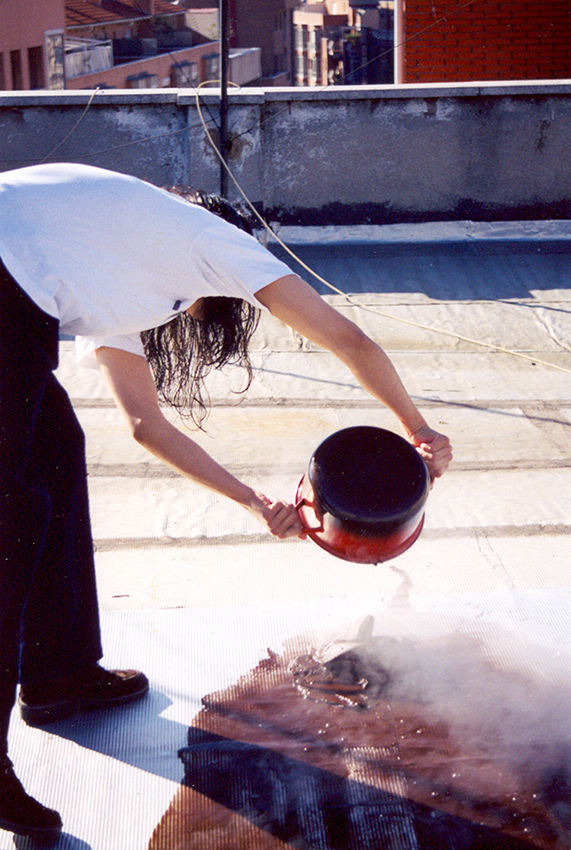
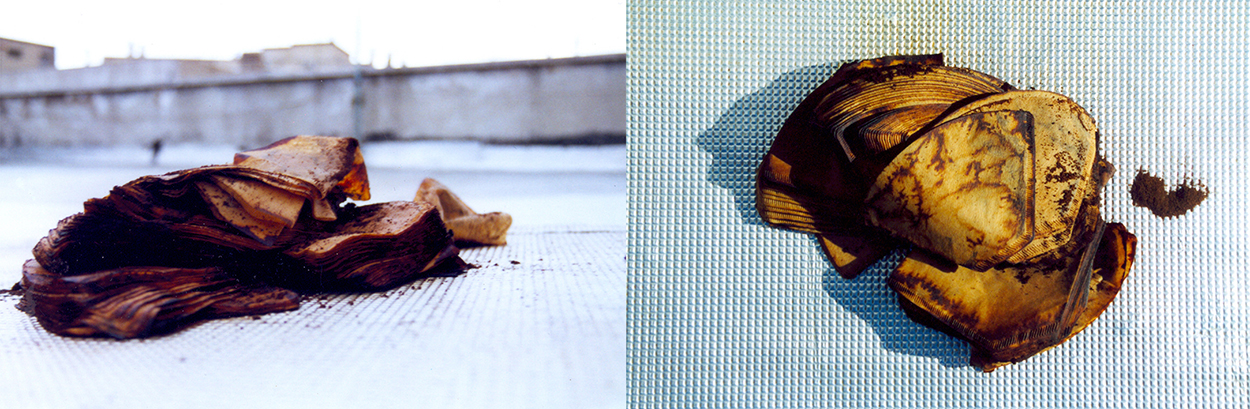
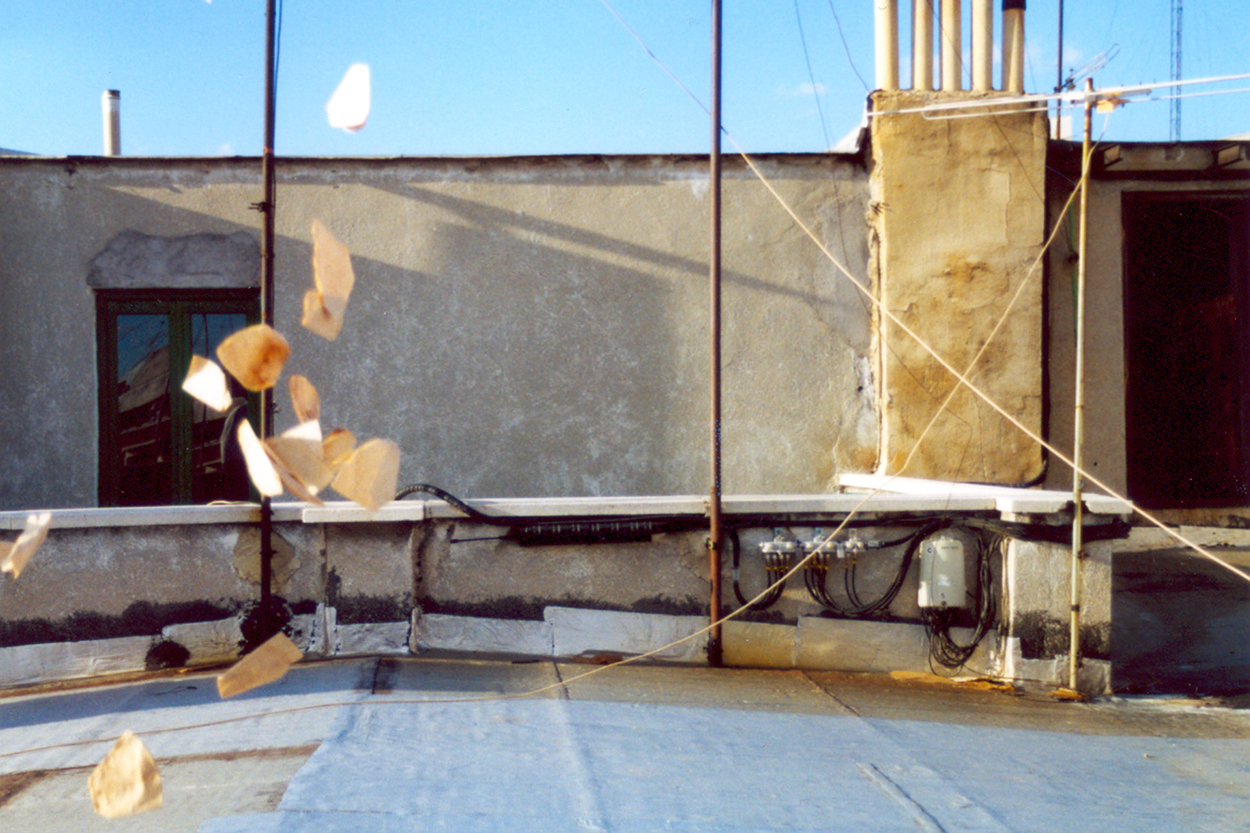
The paper filters are cooked in Colombian coffee and number in the hundreds. We abandon them to the sun in humid swarms, in this case, on top of a building of popular housing in Madrid's ‘Calle Palos de la Frontera’, if its name is worth it. Sometimes, we help them hatch like butterflies by opening their wings for the wind to carry or bring them freely. 

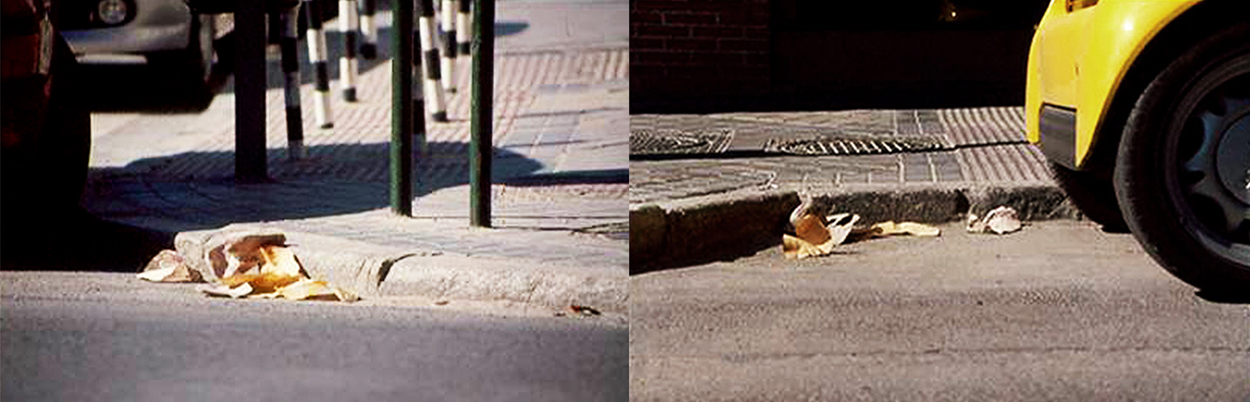
After a few days, the number of butterfly-filters has reduced considerably, and we have had to walk around the area to discover them at the doors of supermarkets or at traffic lights being guided by the turns of the air when people move or dragged by the force of a passing car; others have remained stuck in their place of origin. In reality, we don't care where they come from; we catch them as soon as they show themselves. They are like butterflies, fragilE and innocent, allowING themSELVES to be pierced by the pin that condemns them to the only dead place where they can be contemplated, the insectarium.

Correo

info@edgarinsuasty.com

Celular

+34 627885217
IMPRECISE PACHYDERMS

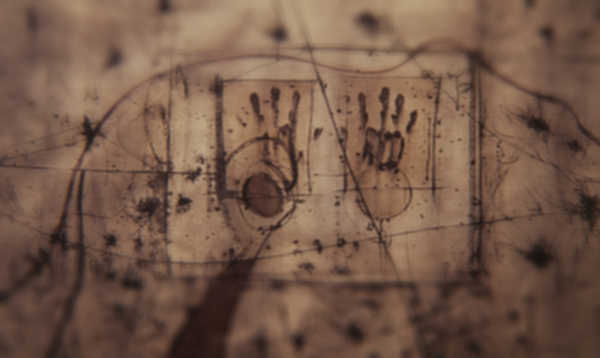
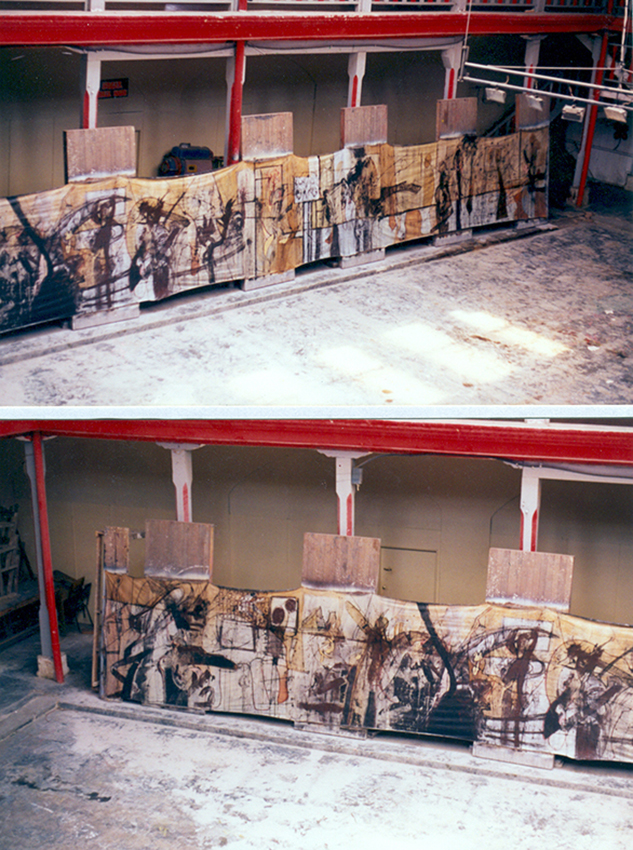
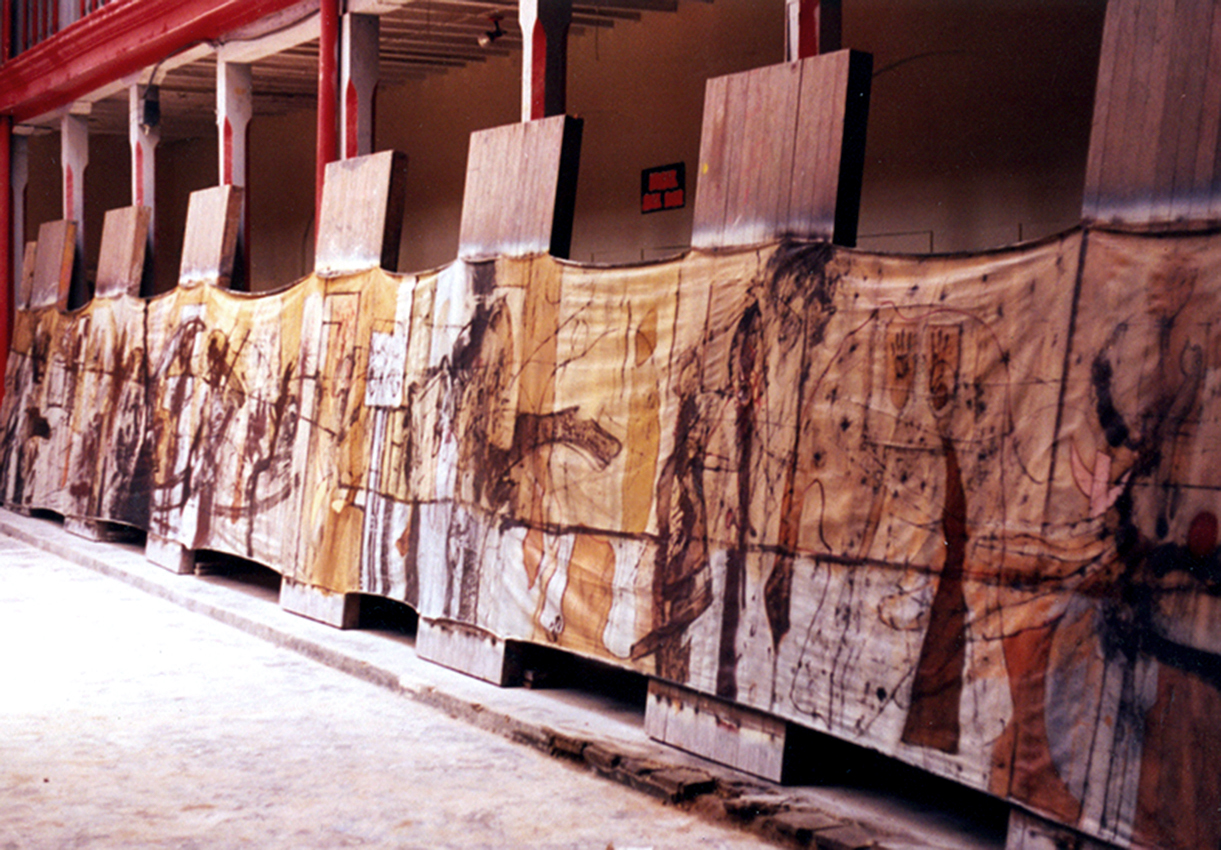
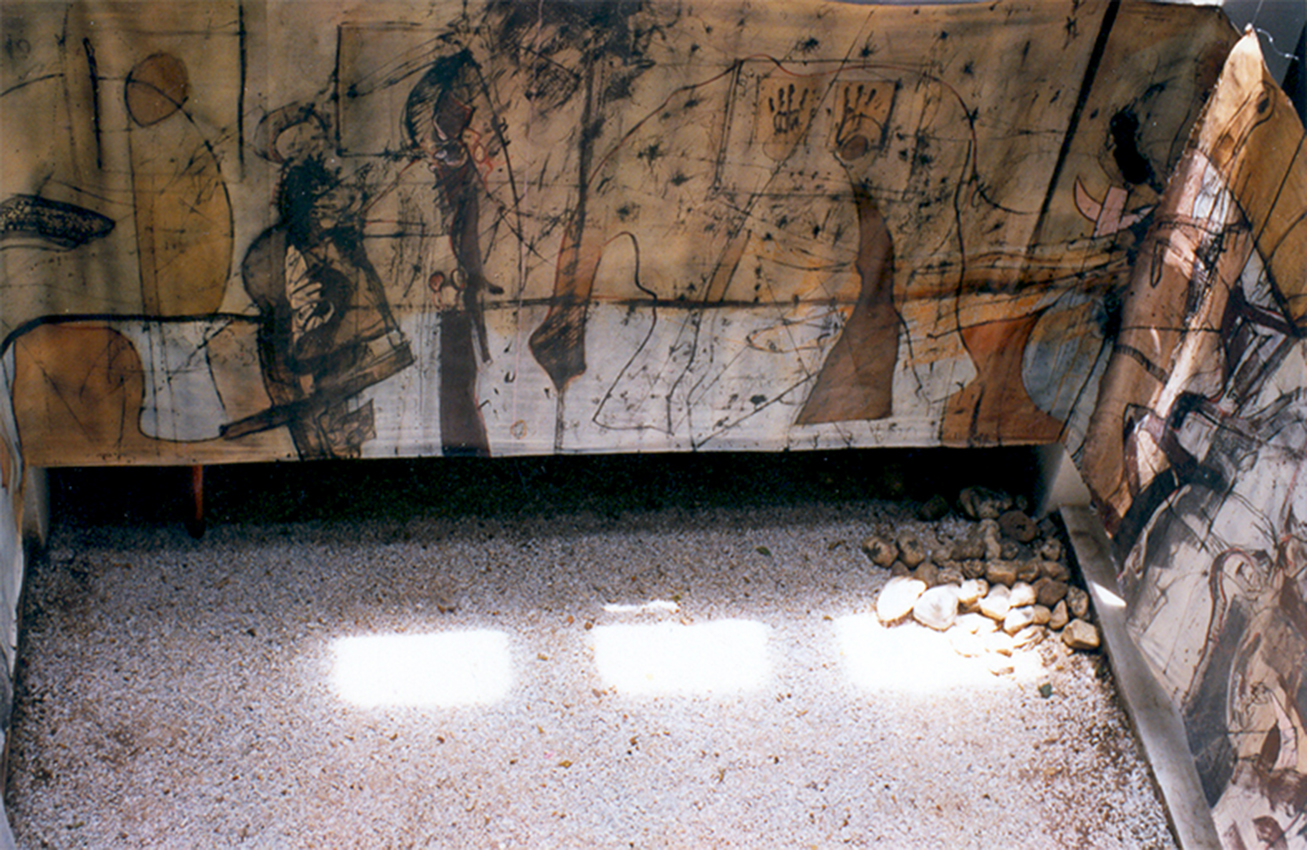
BIG CURTAIN. IMPRECISE PACHYDERMS.

Lacquer on canvas. 190x1600cm. 1997
As a closing ritual of a stage of plastic and academic exploration, especially technical, regarding the possibilities of the use of industrial paint and clay. With key elements in my research as a painter and as a student, I made the great curtain, which was enclosed for 11 days during the summer of 1997, in the Palatino of the Faculty of Arts of the University of Nariño from where I had just returned.

The work consisted of making a huge painting, which was then placed in the central courtyard of a library in the city, and served as a wall for an instinctive action of cutting, a change of season, departure, and a very vague expectation. 

Three months later, I left the country.

IMPRECISE PACHYDERMS

Correo

info@edgarinsuasty.com

Celular

+34 627885217