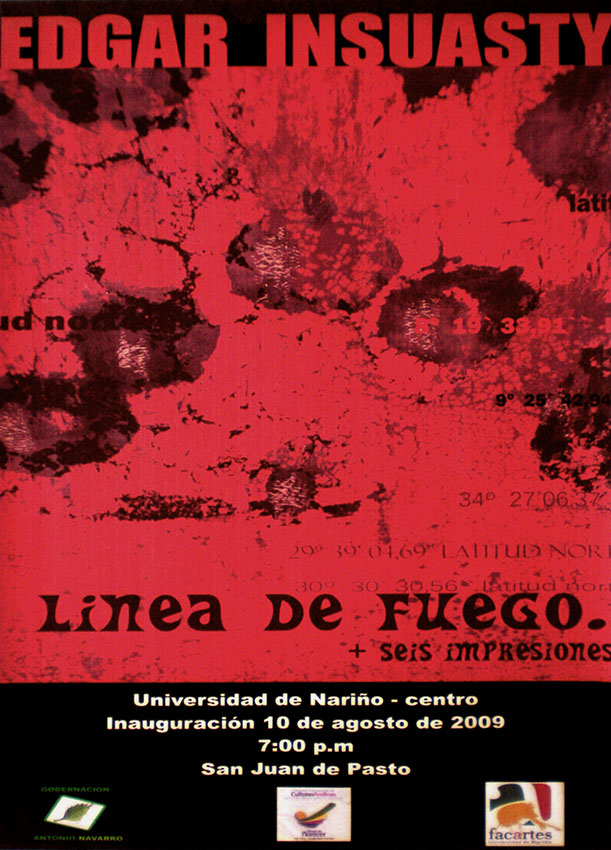
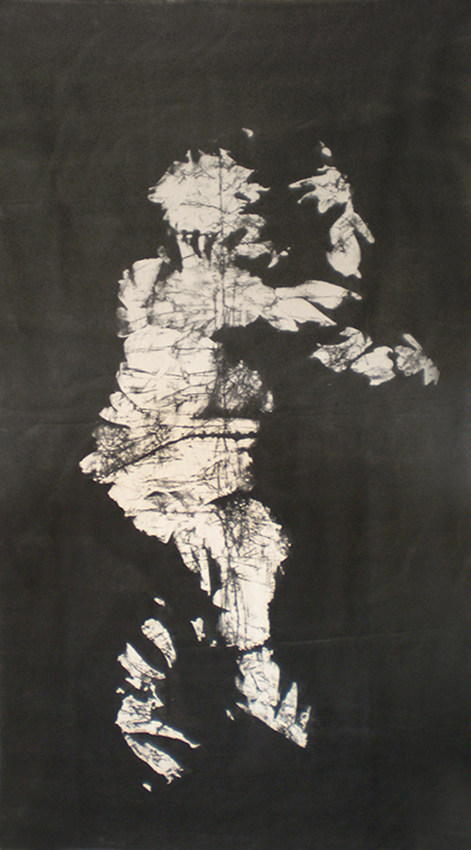
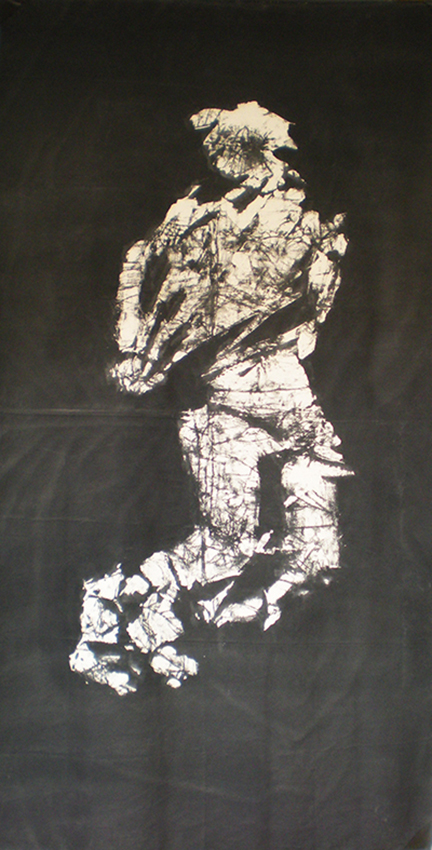
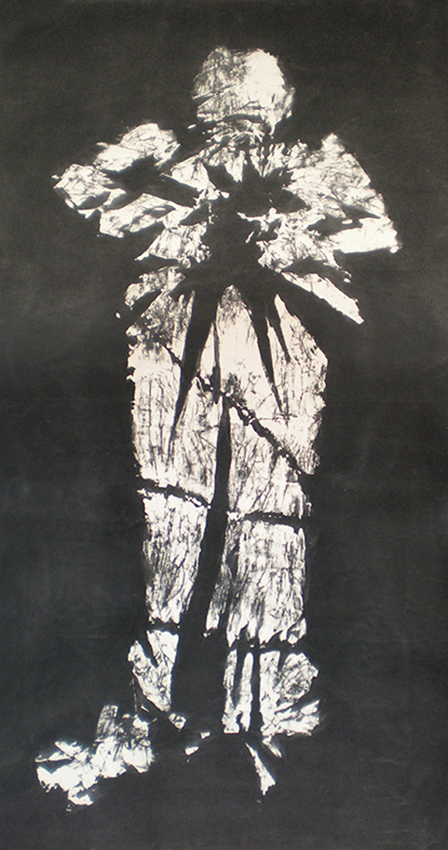
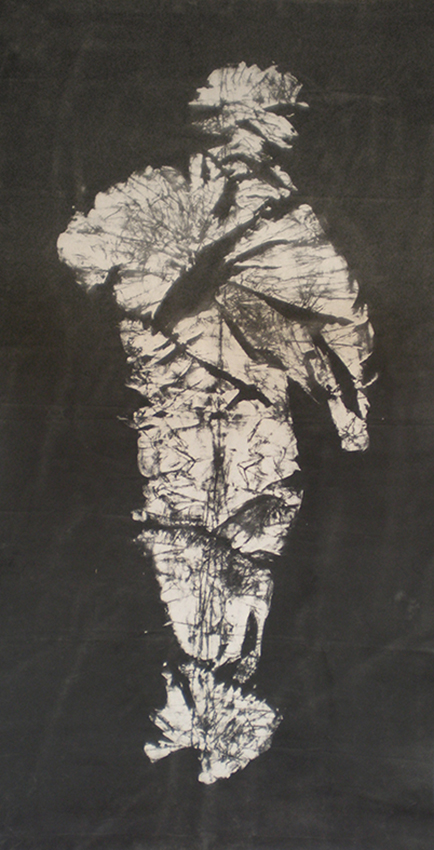
LINE OF FIRE OR THE TROPIC OF DISASTER.
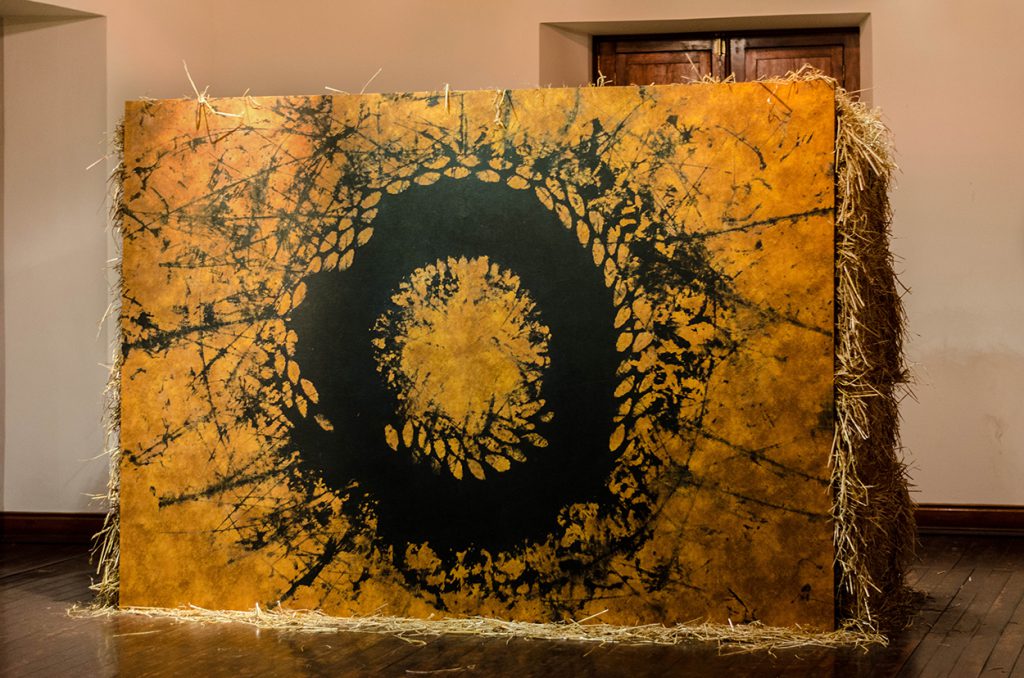
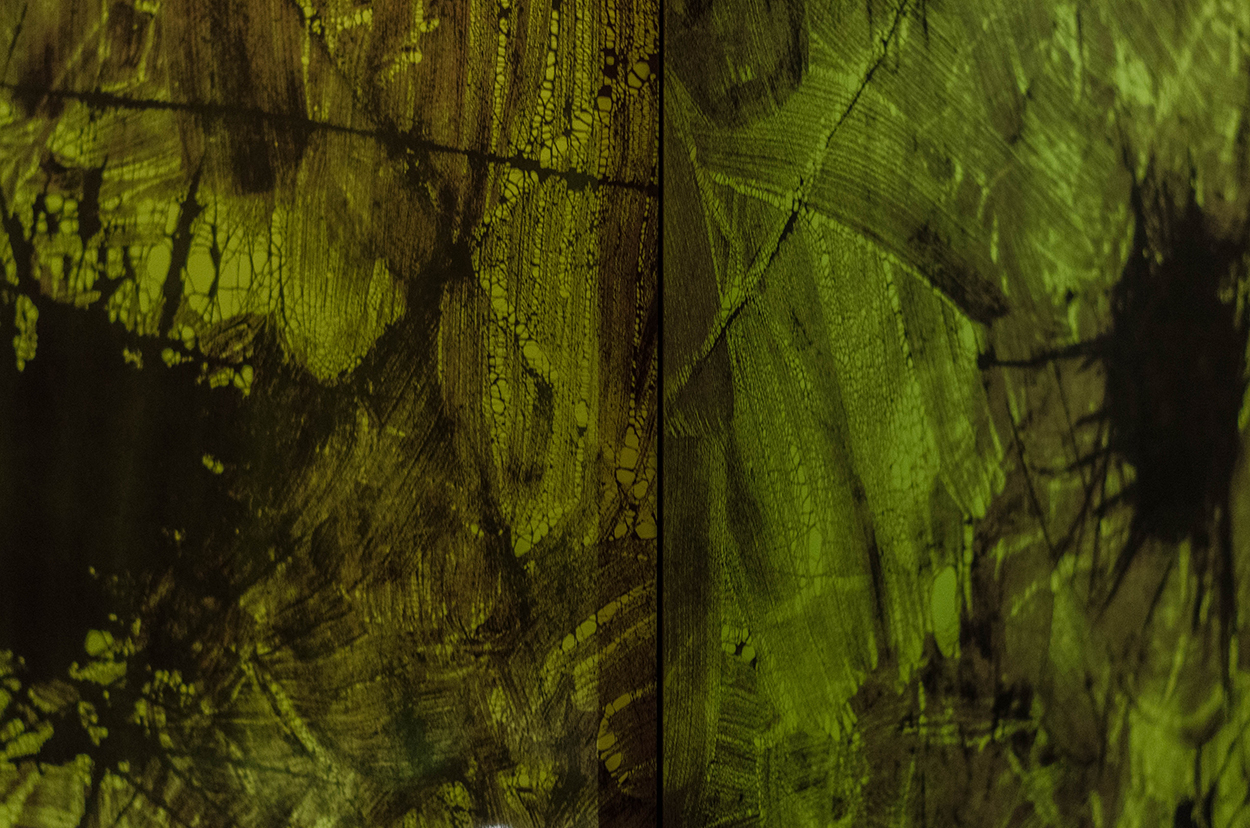
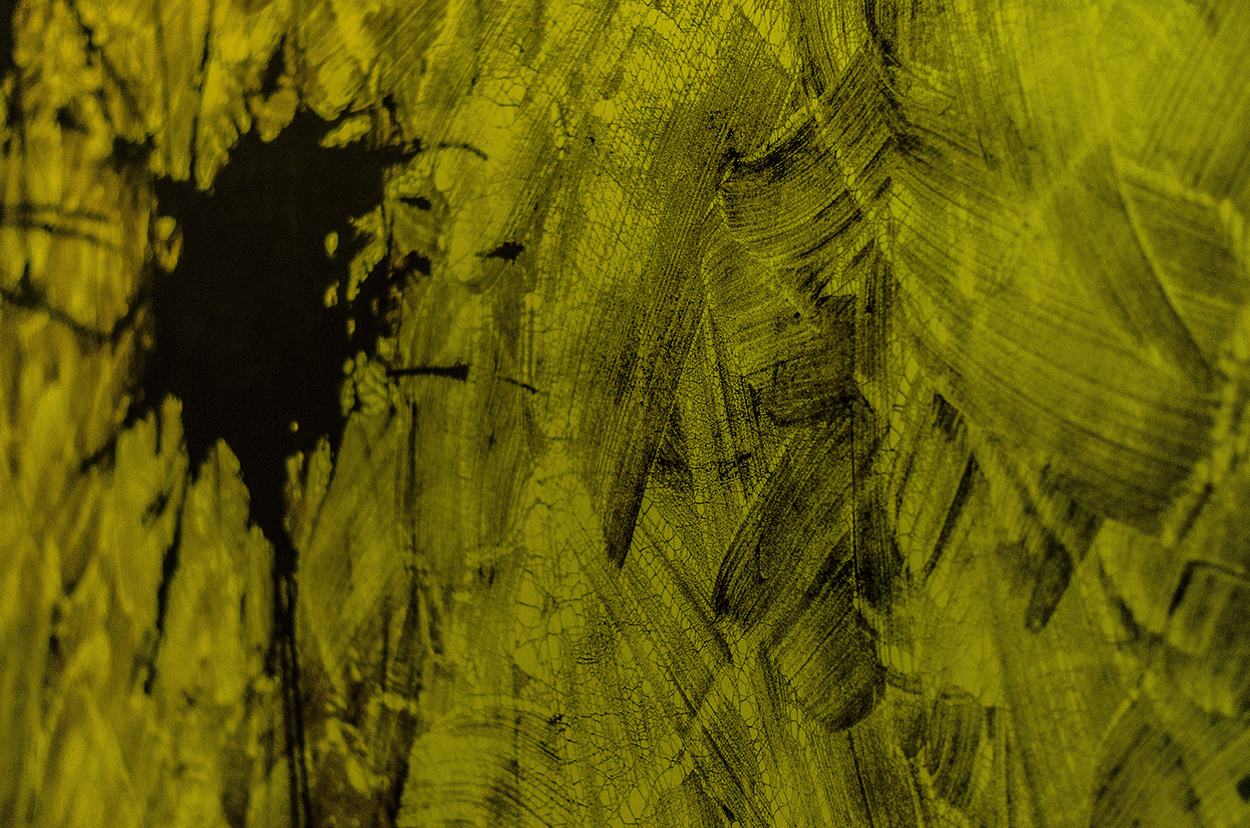
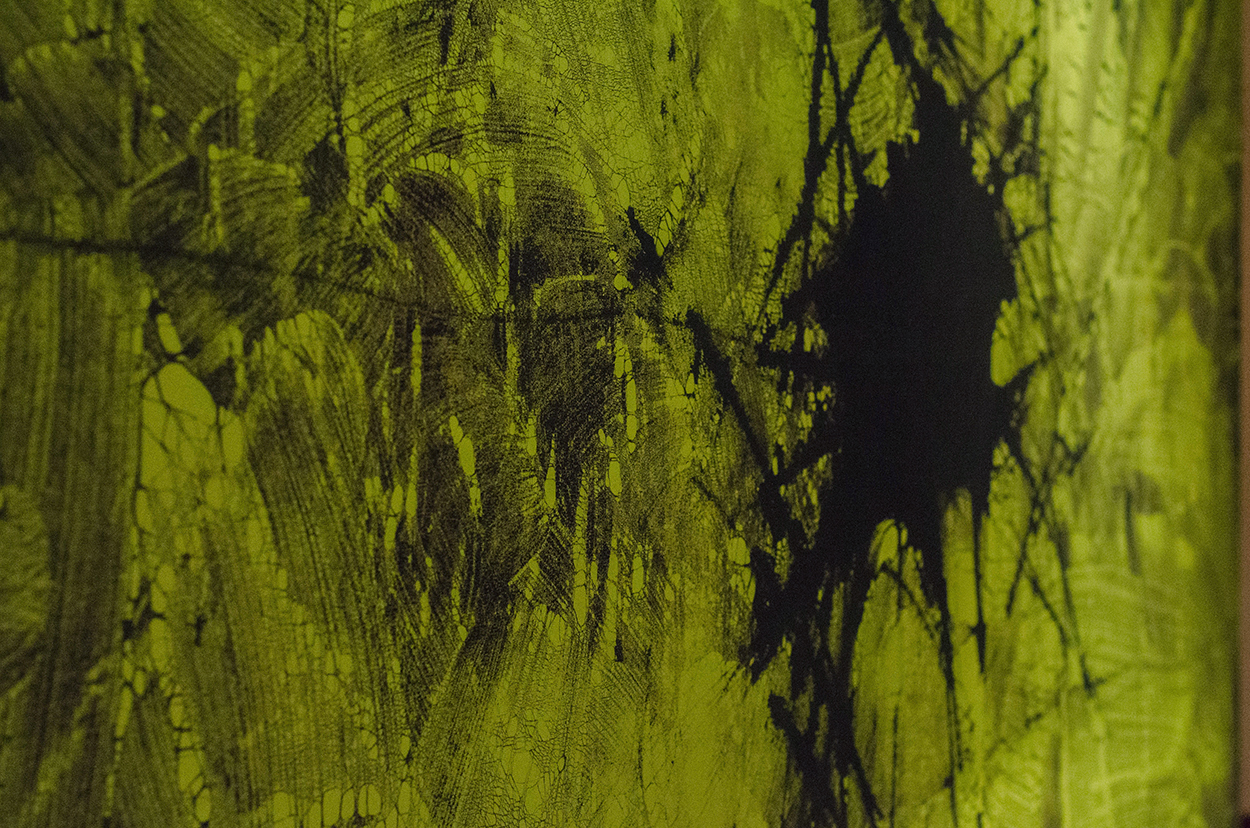
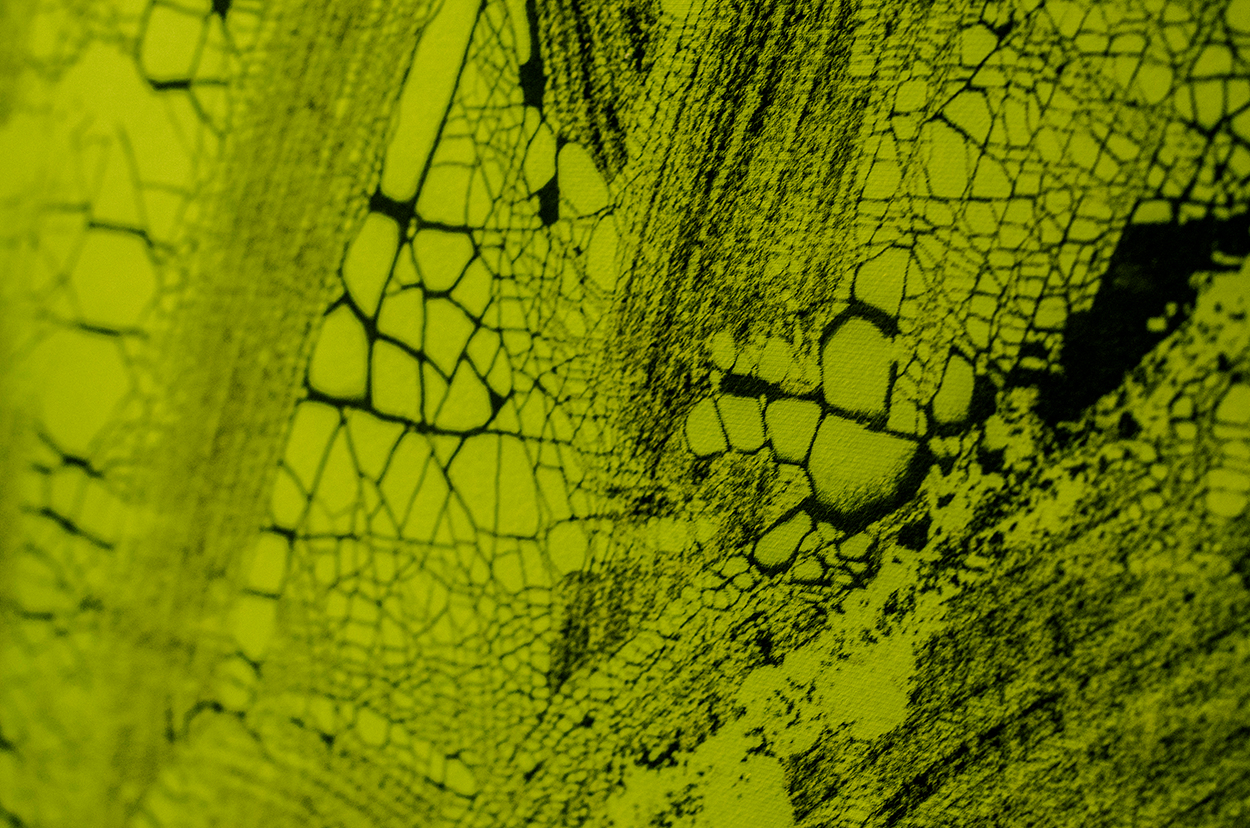
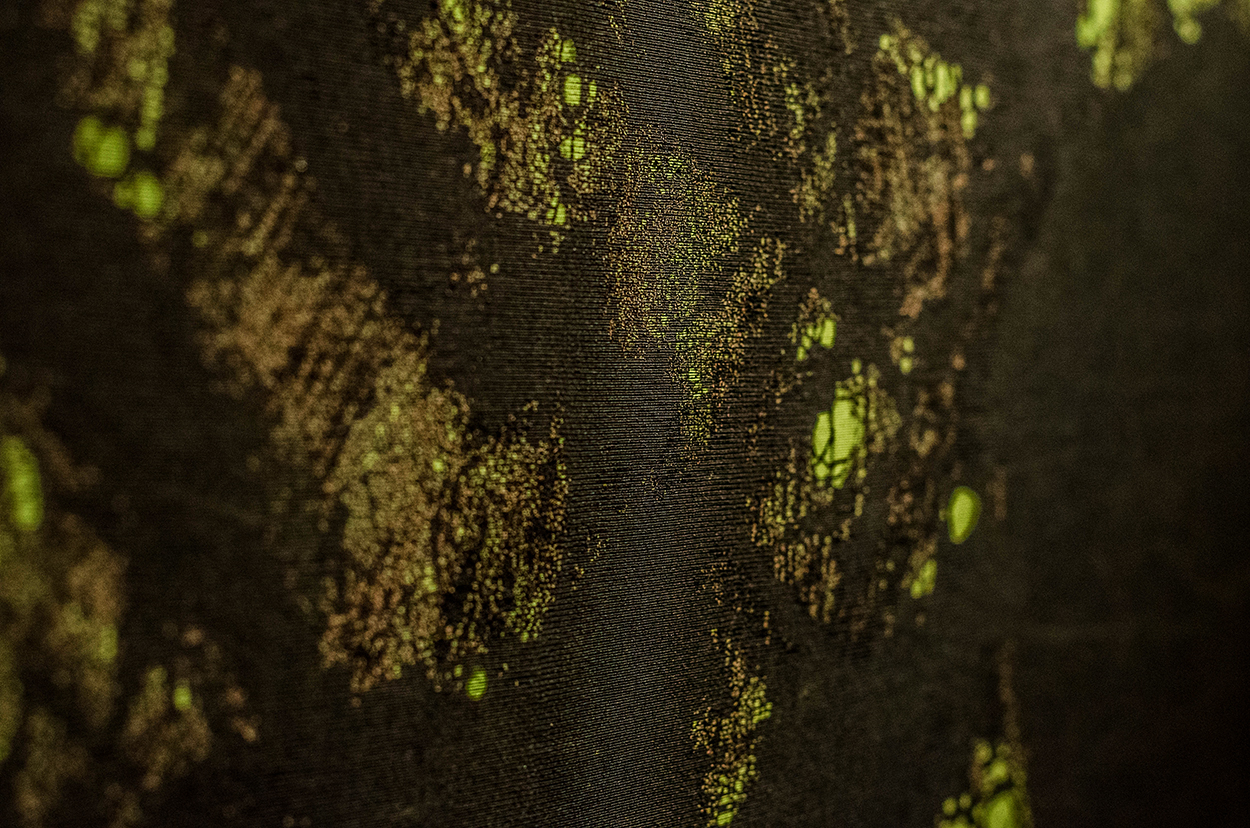
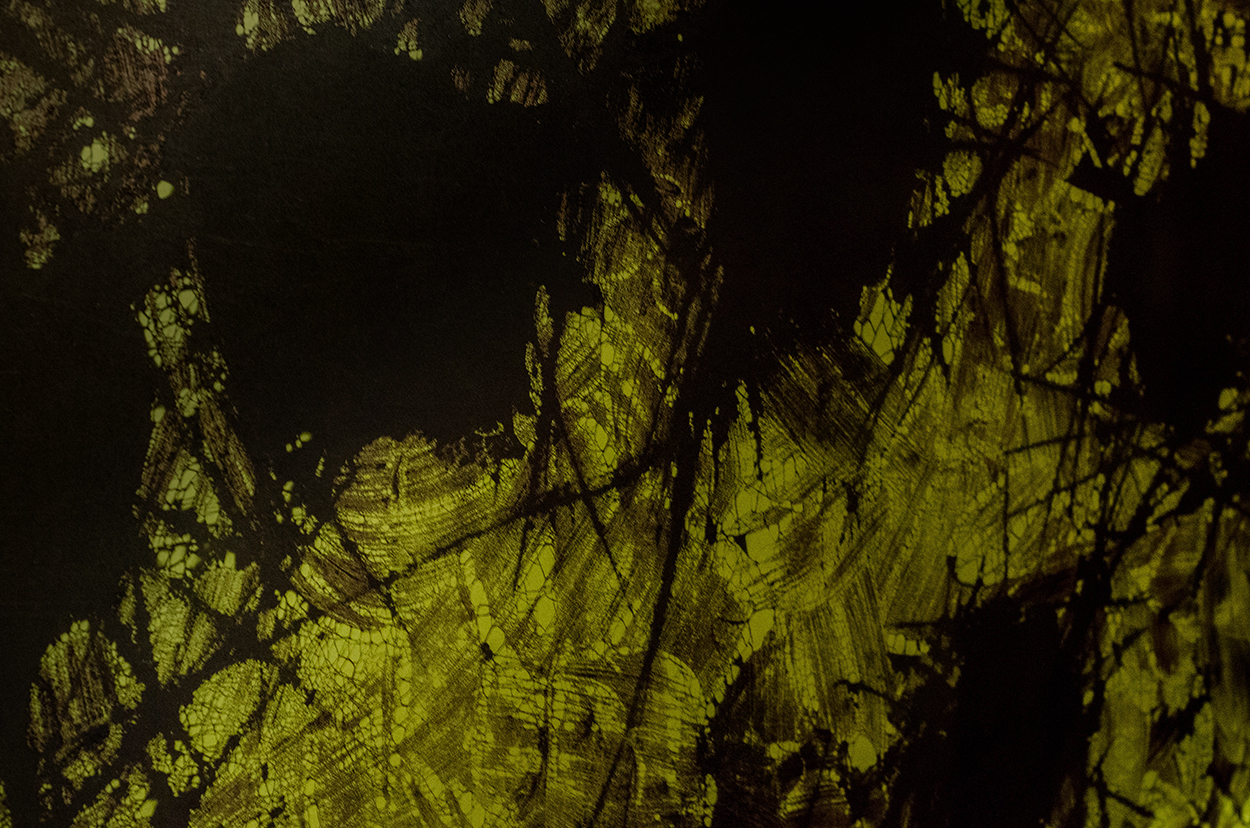
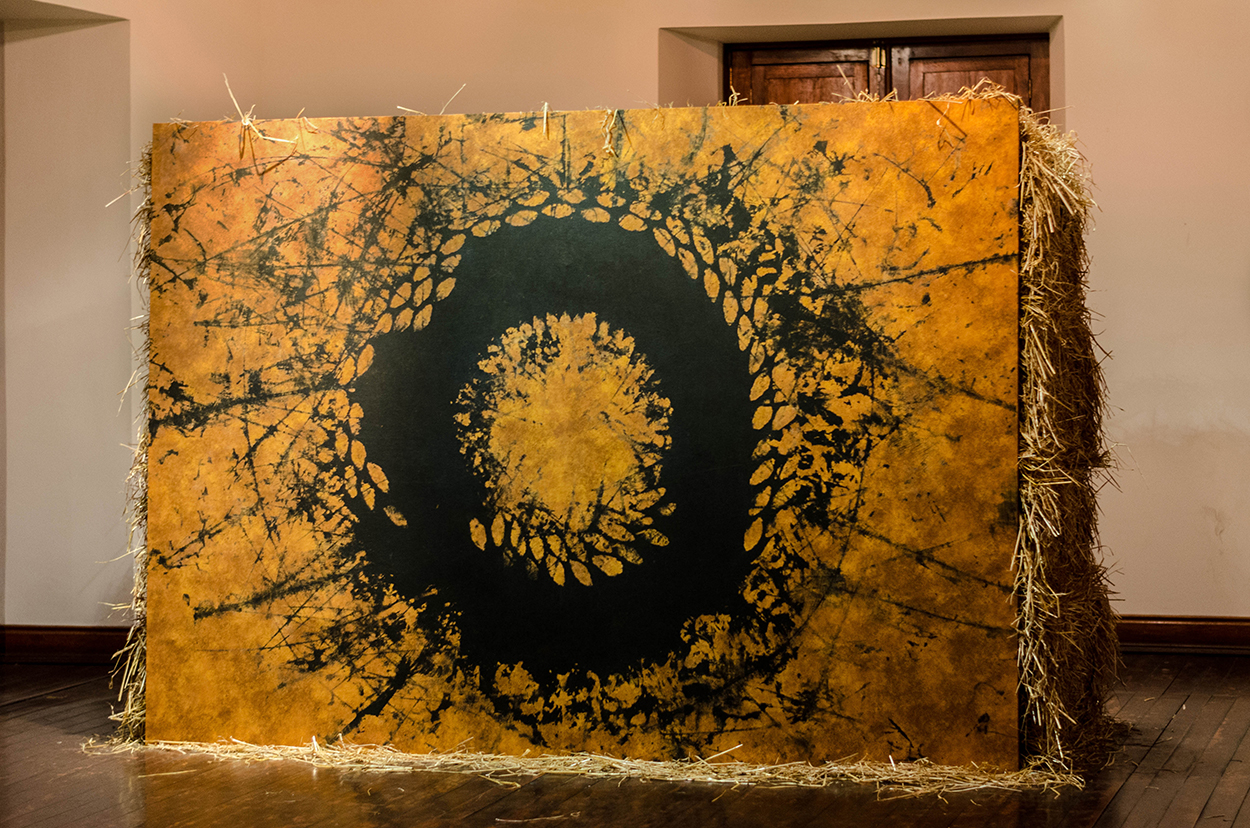
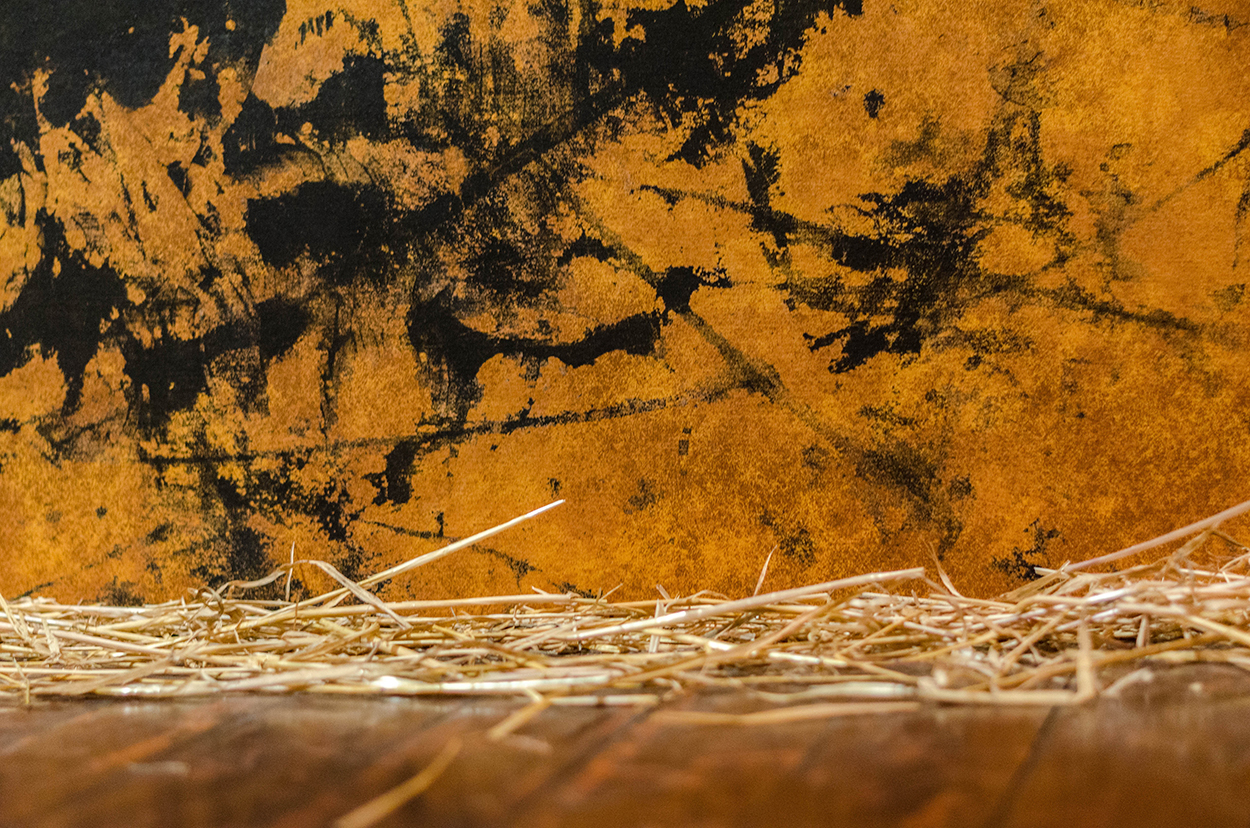
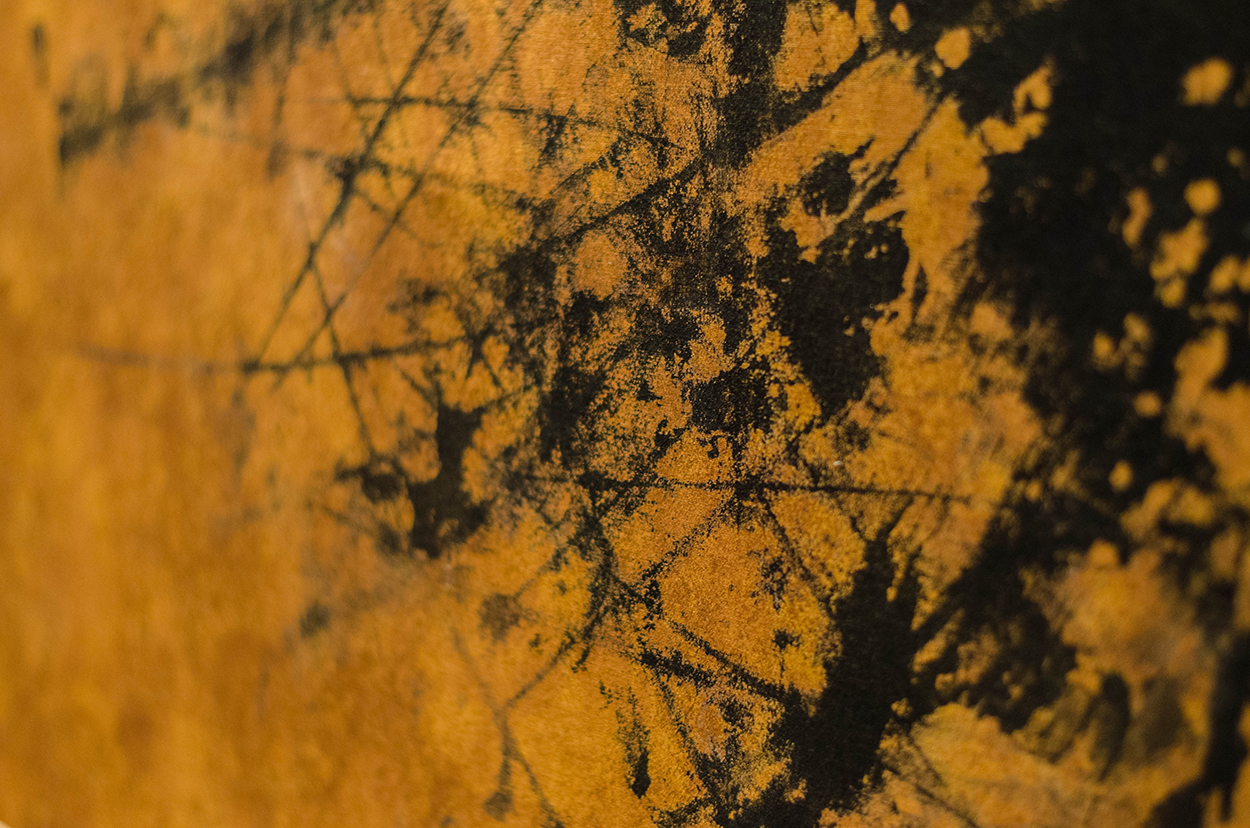
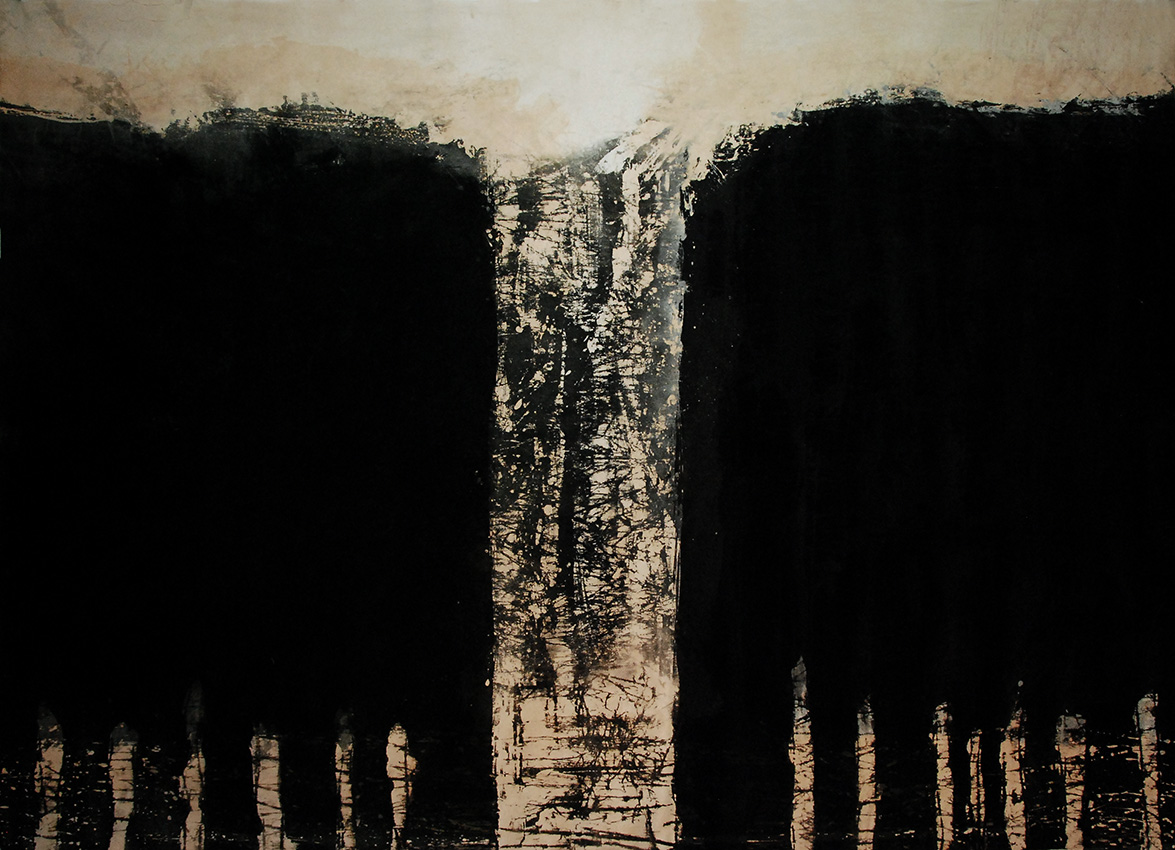
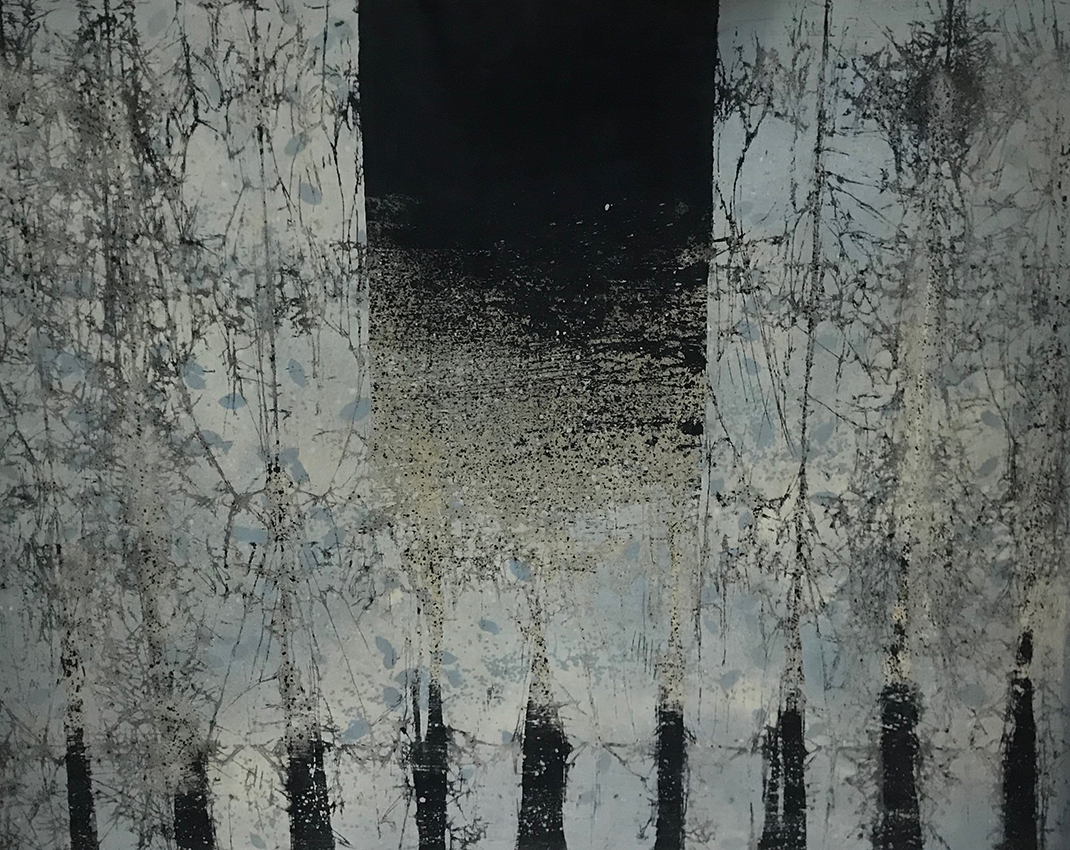
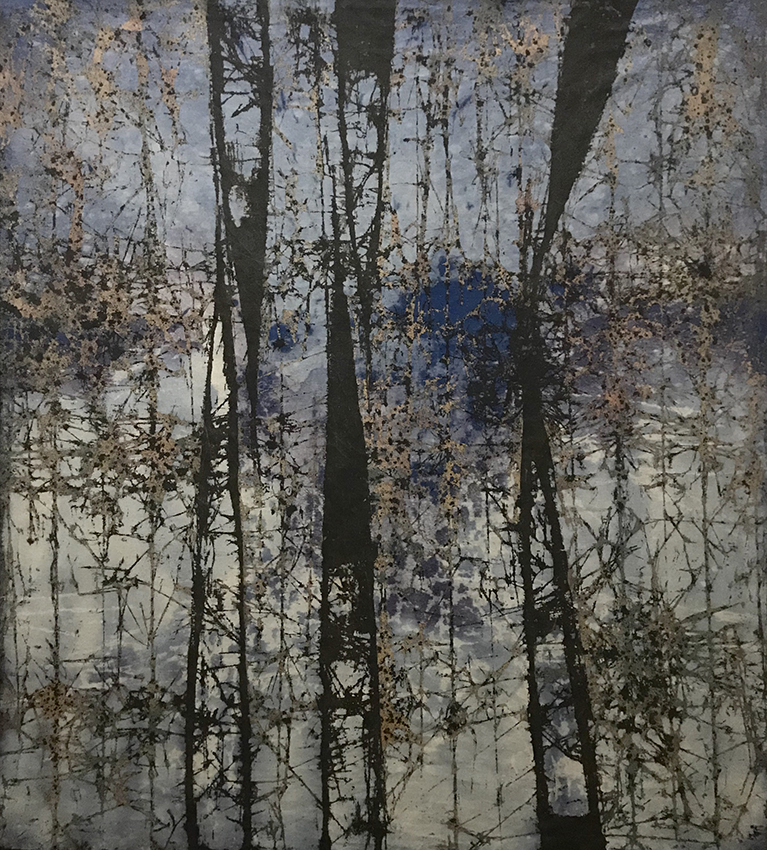
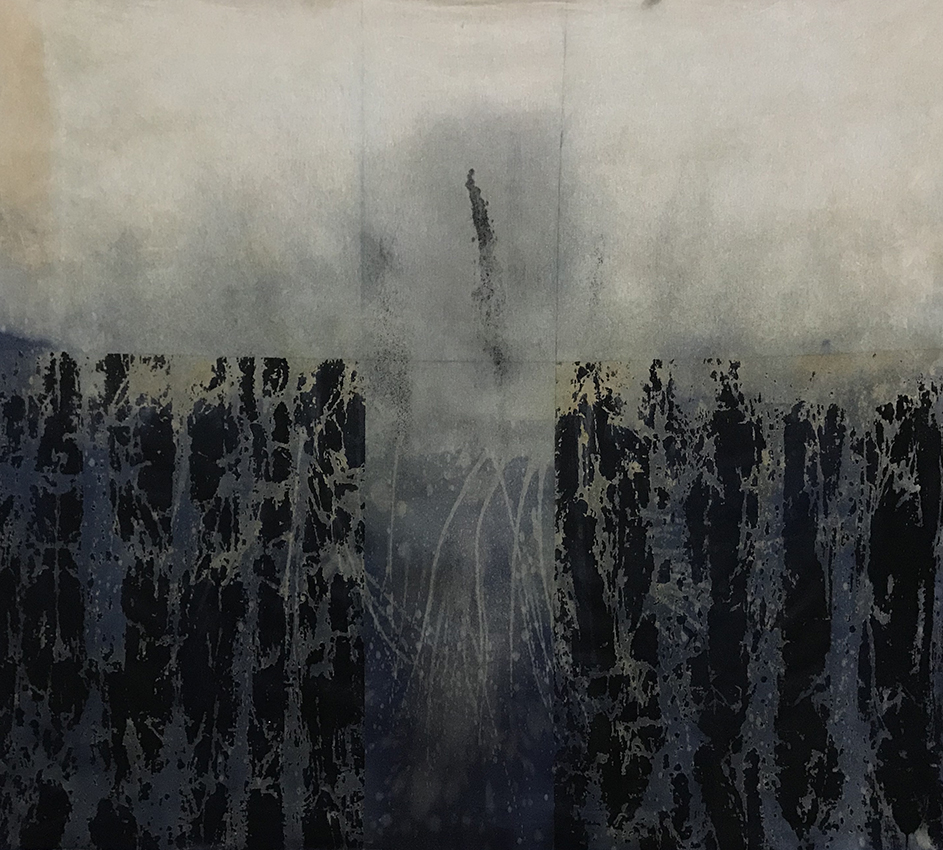
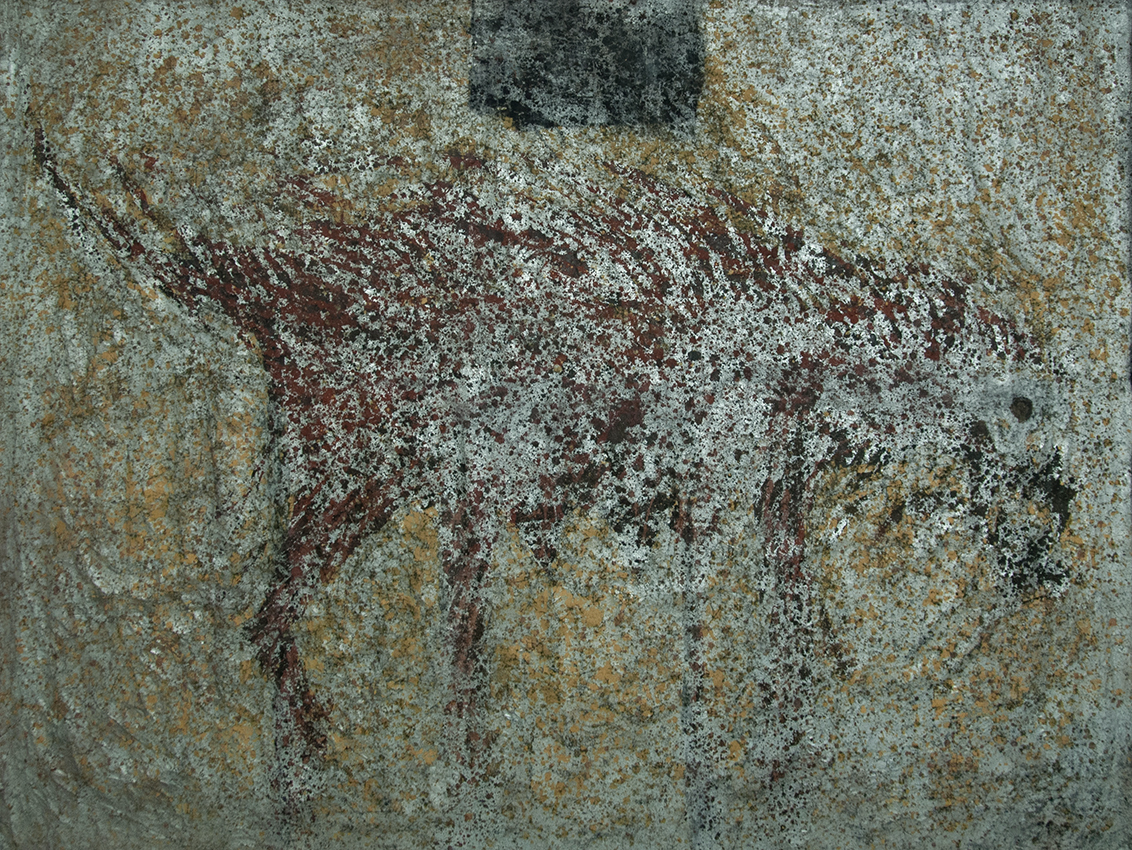
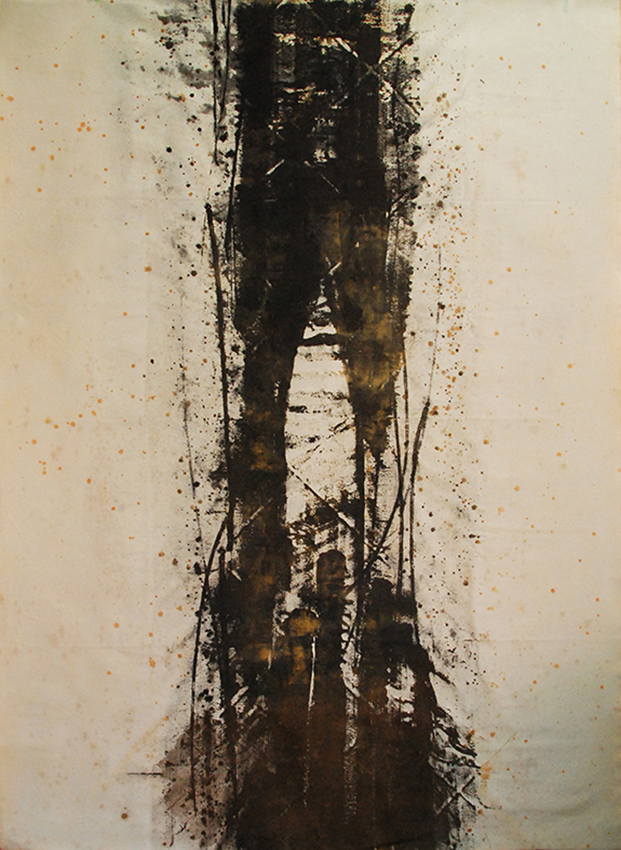
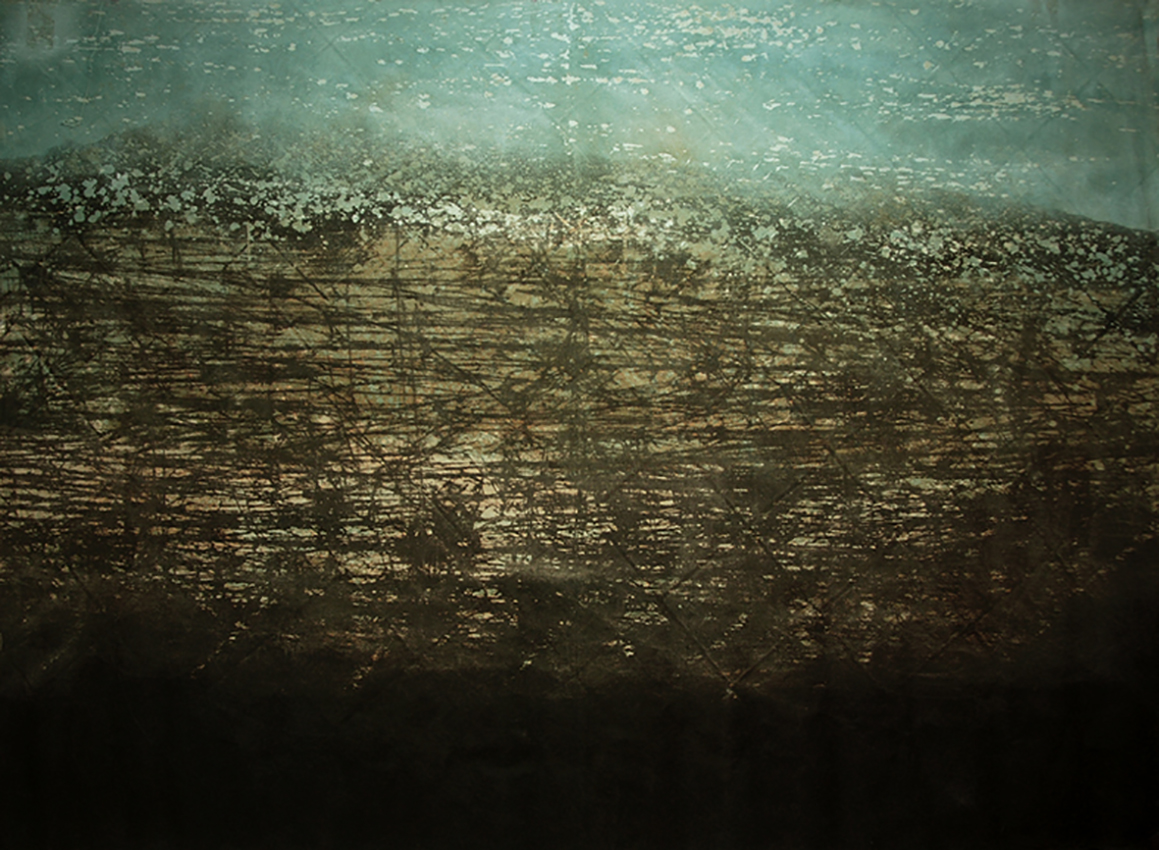
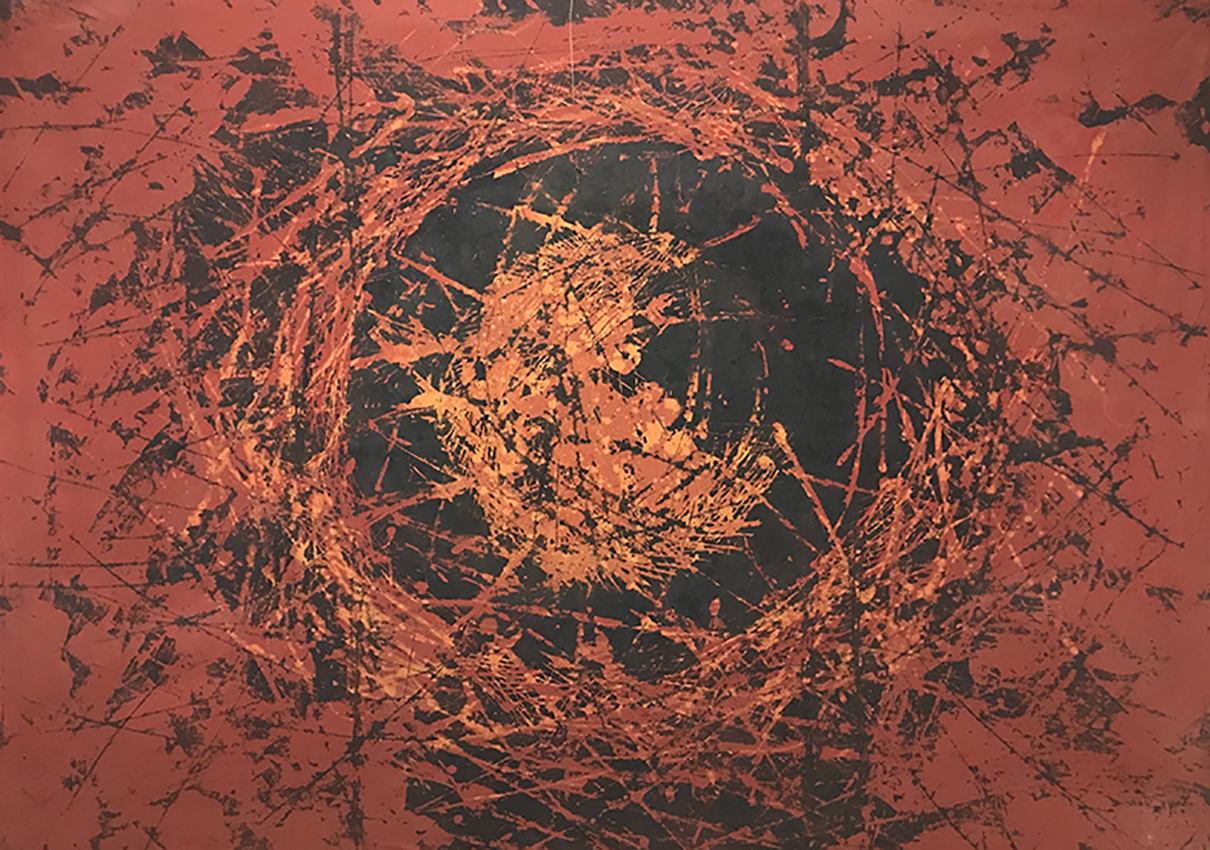
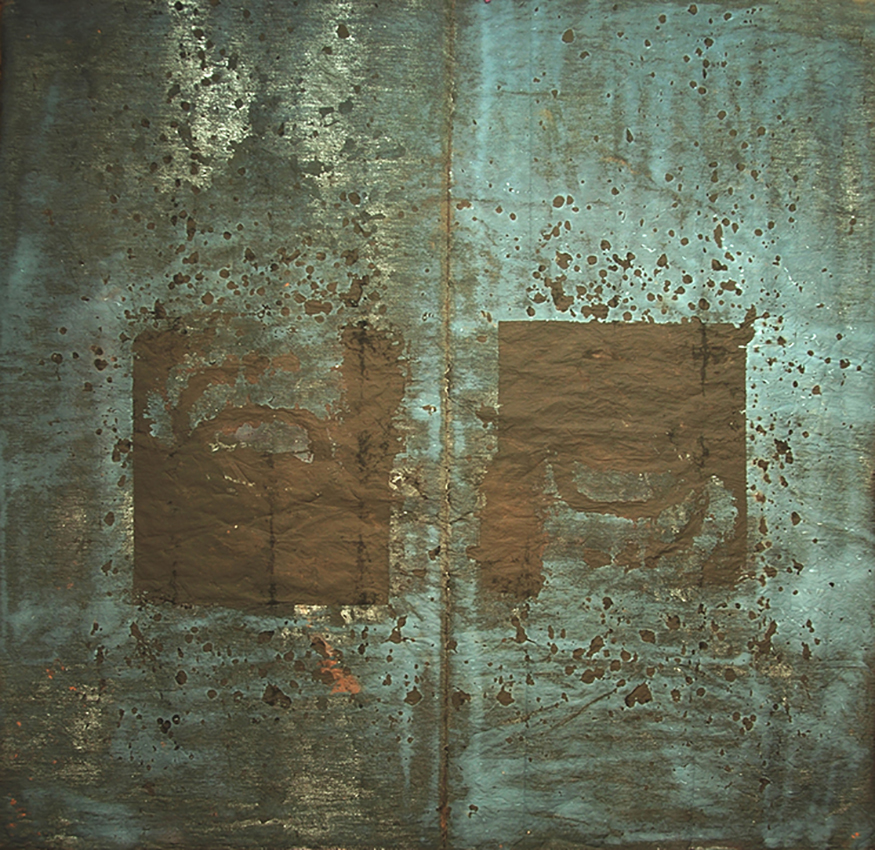
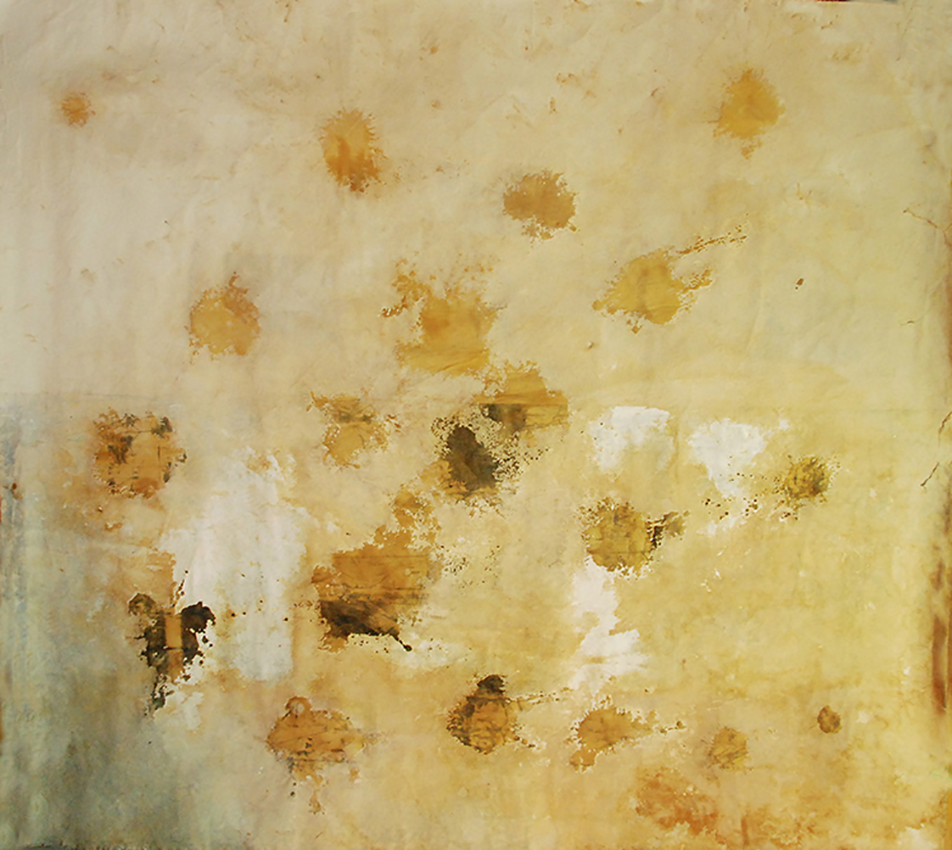
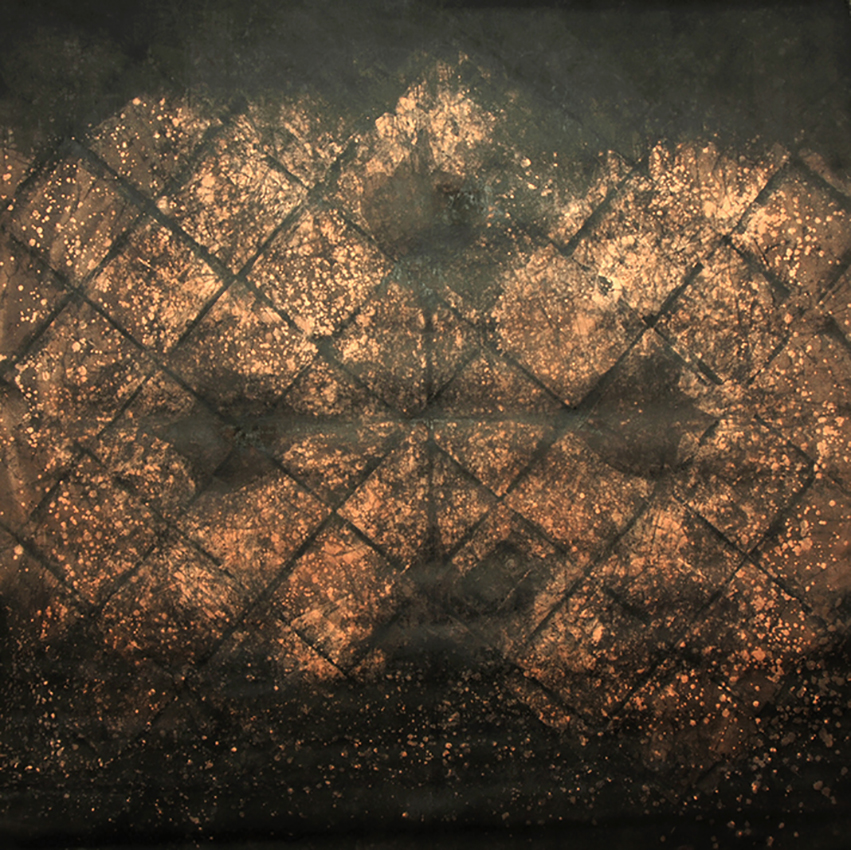
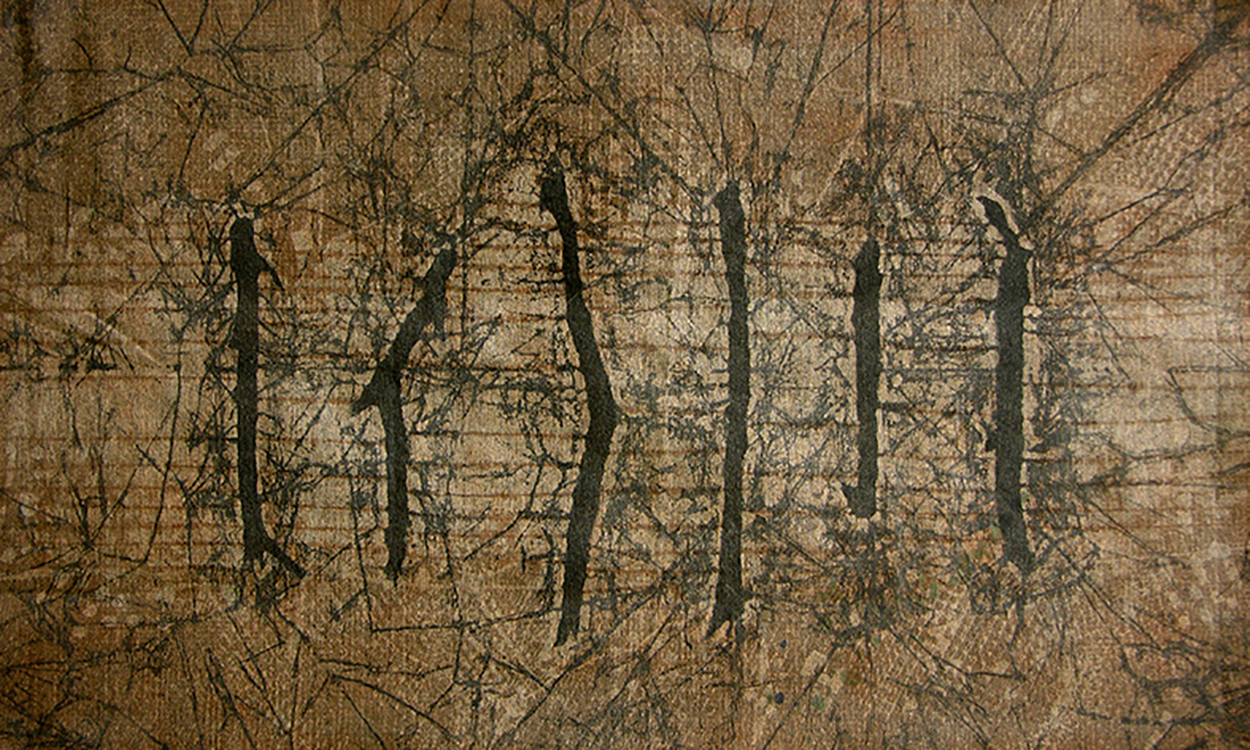
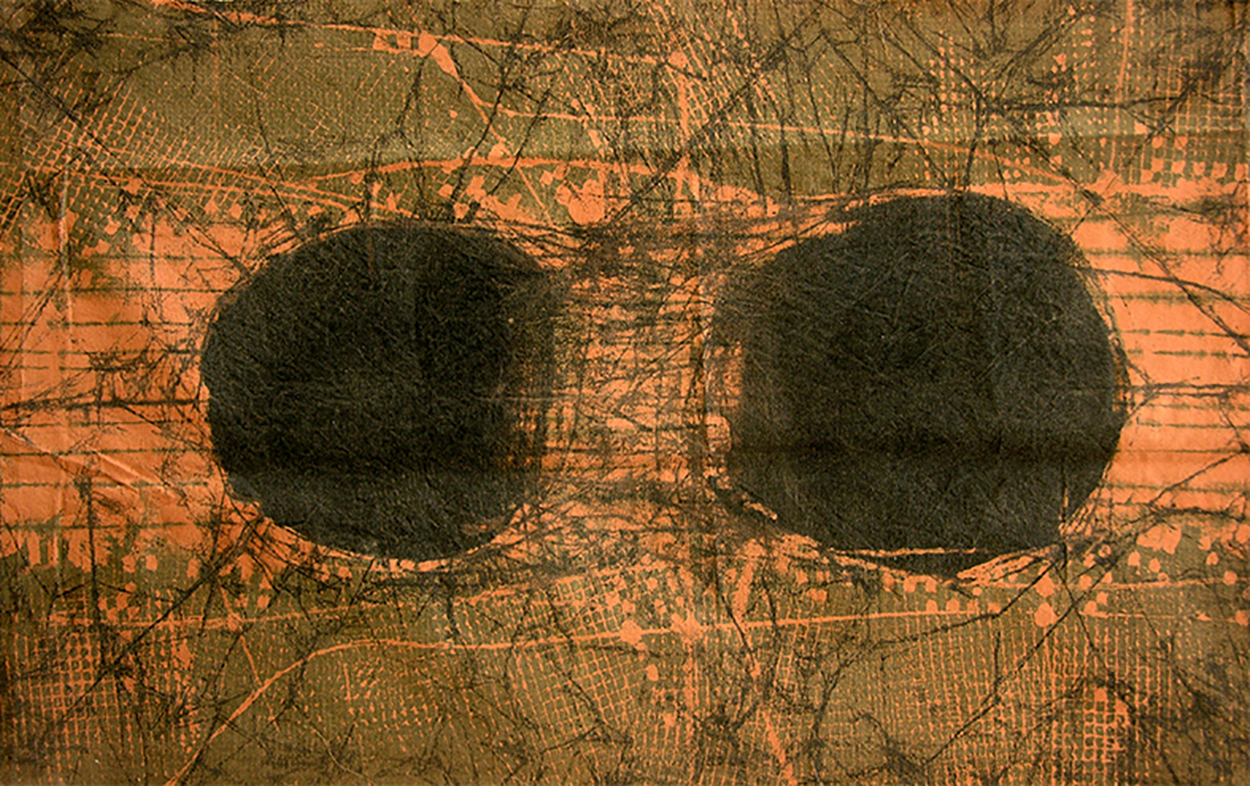
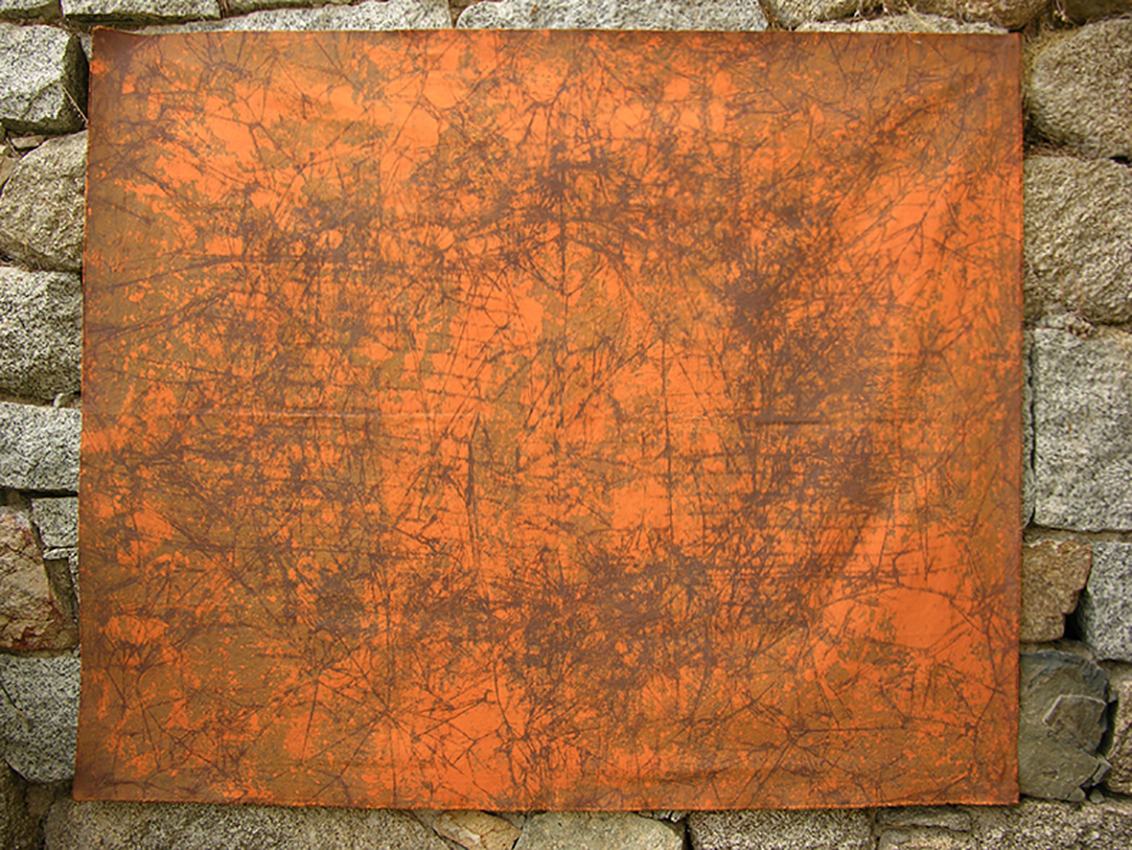
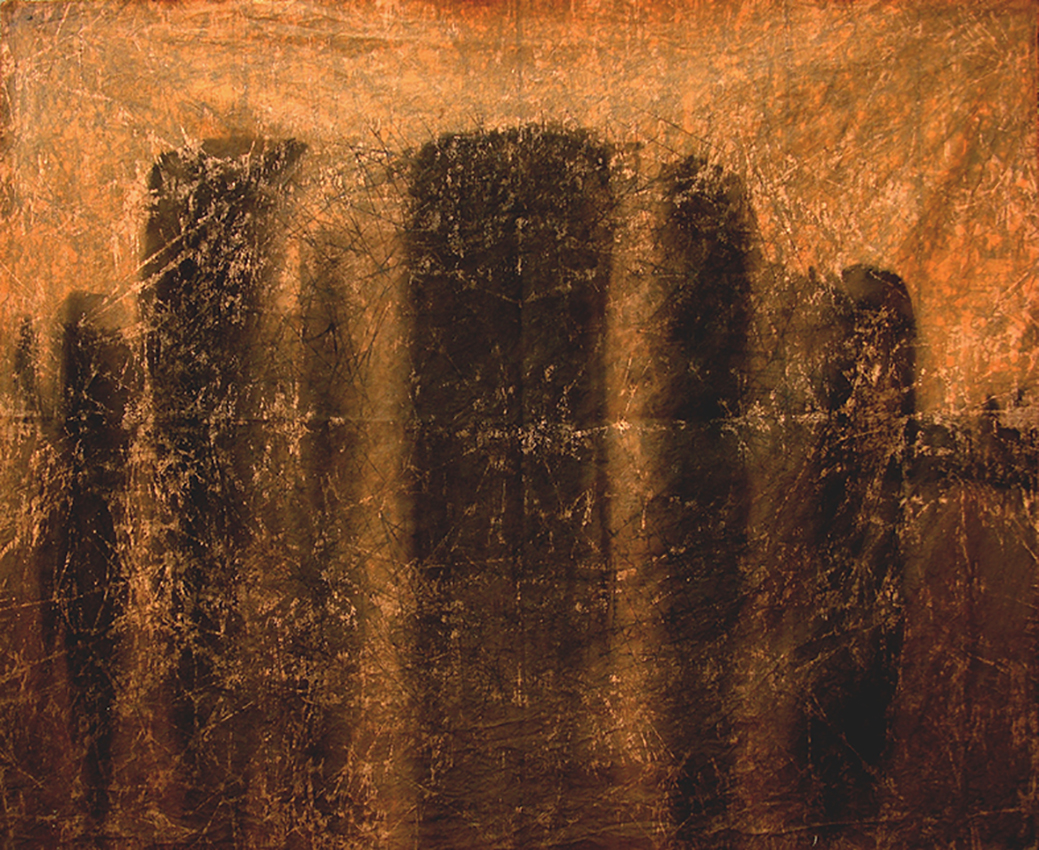
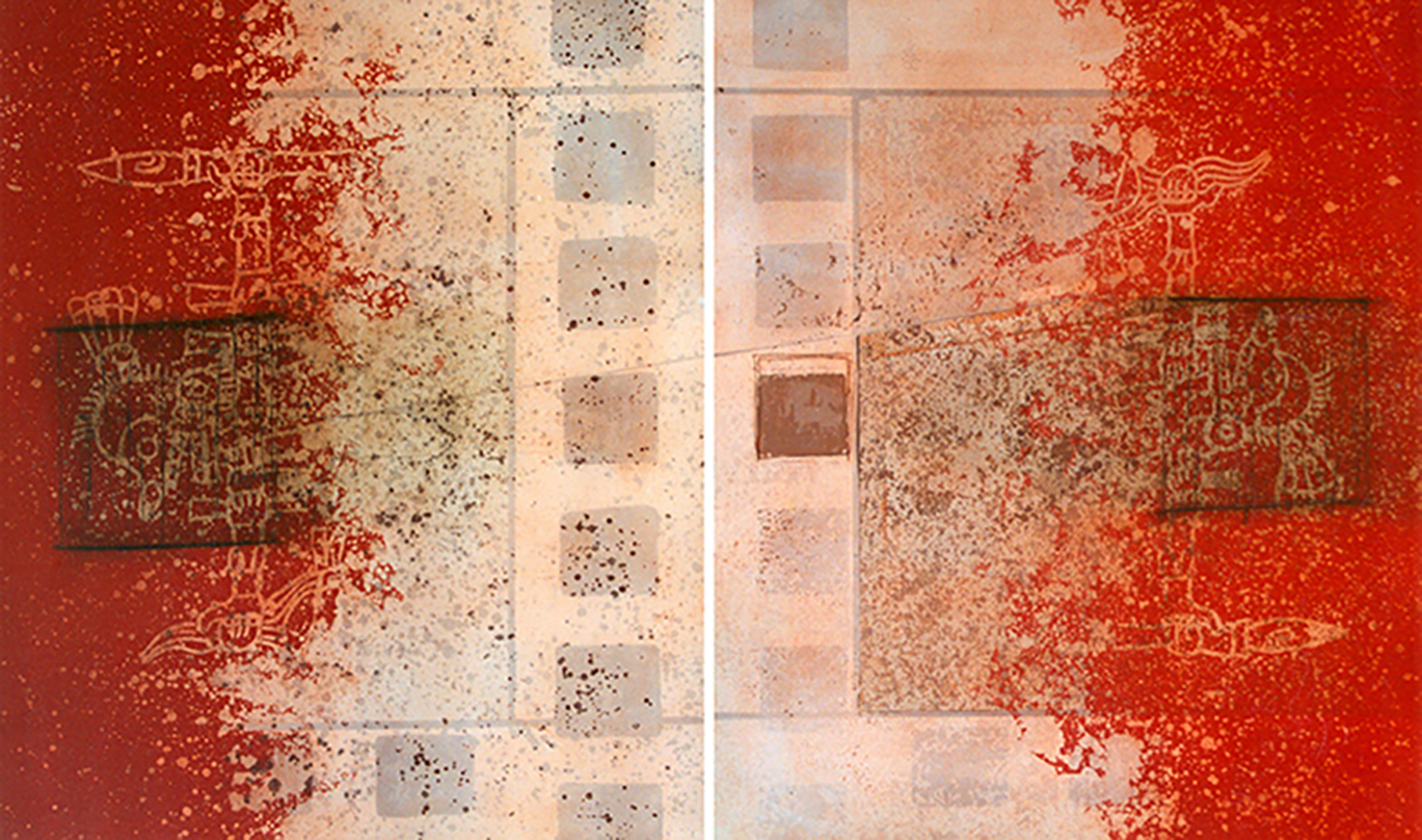
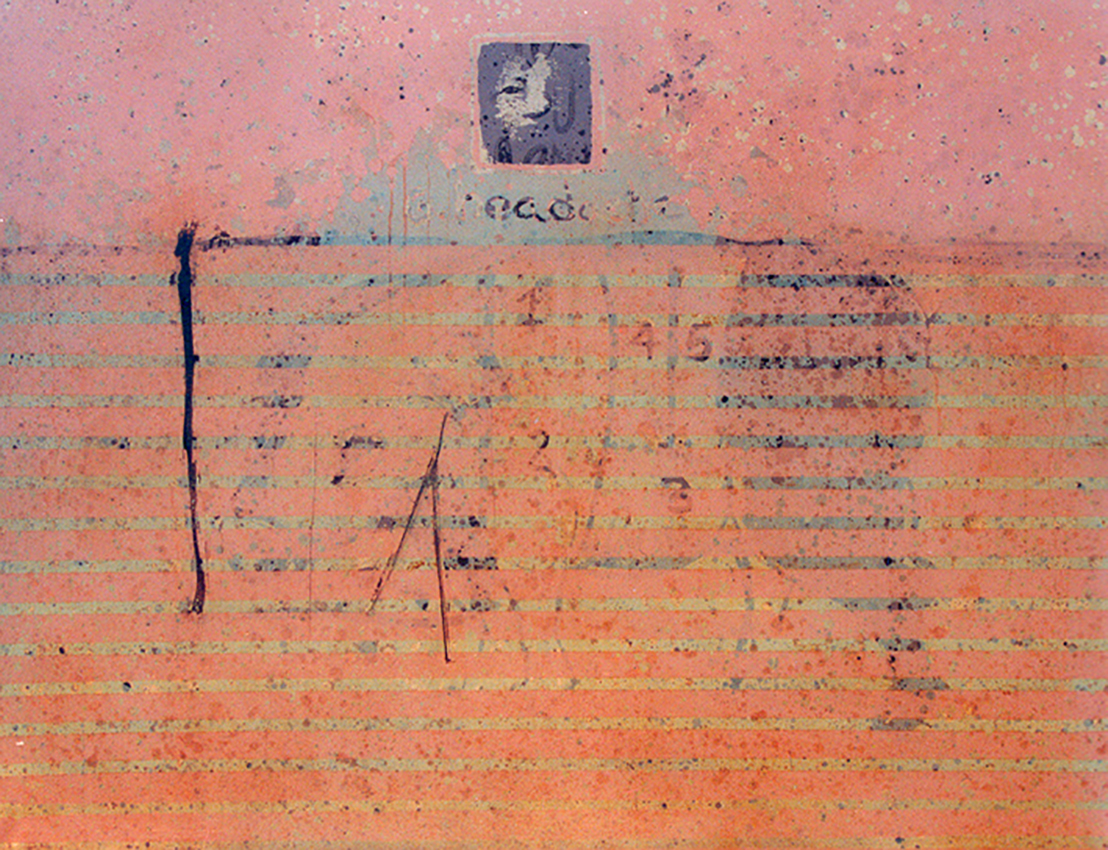
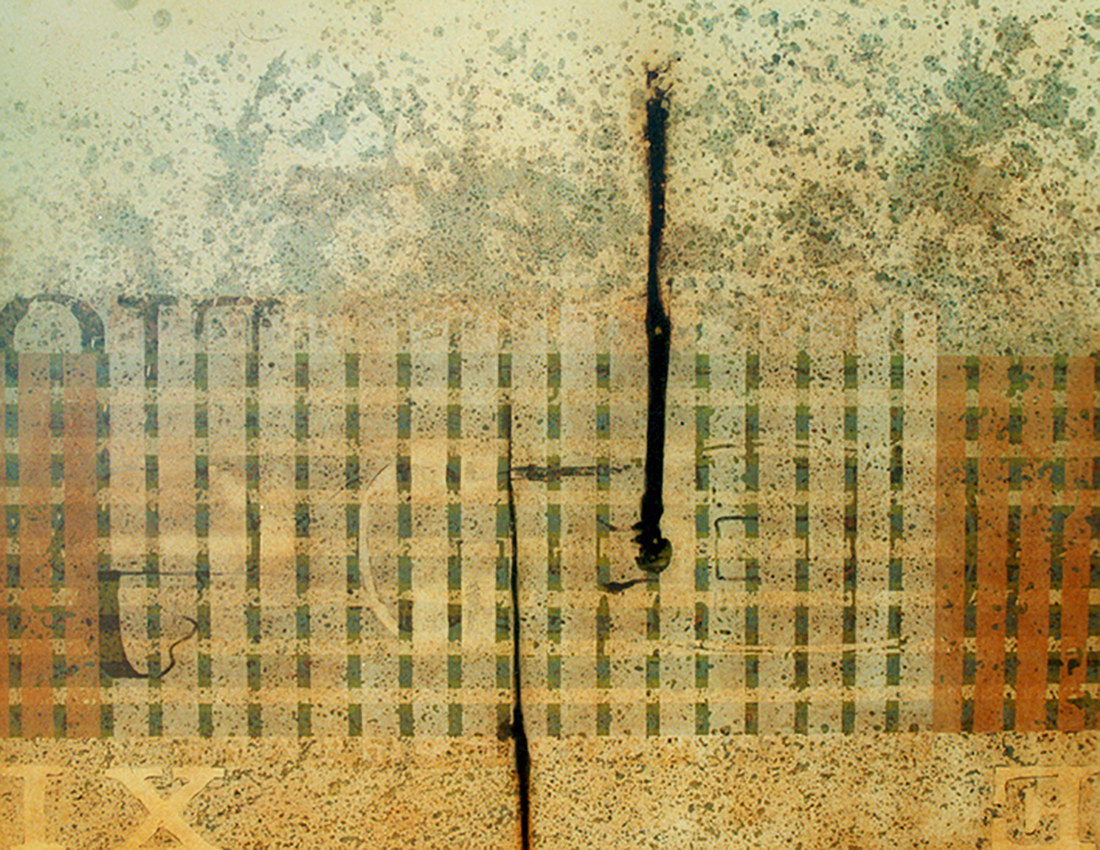
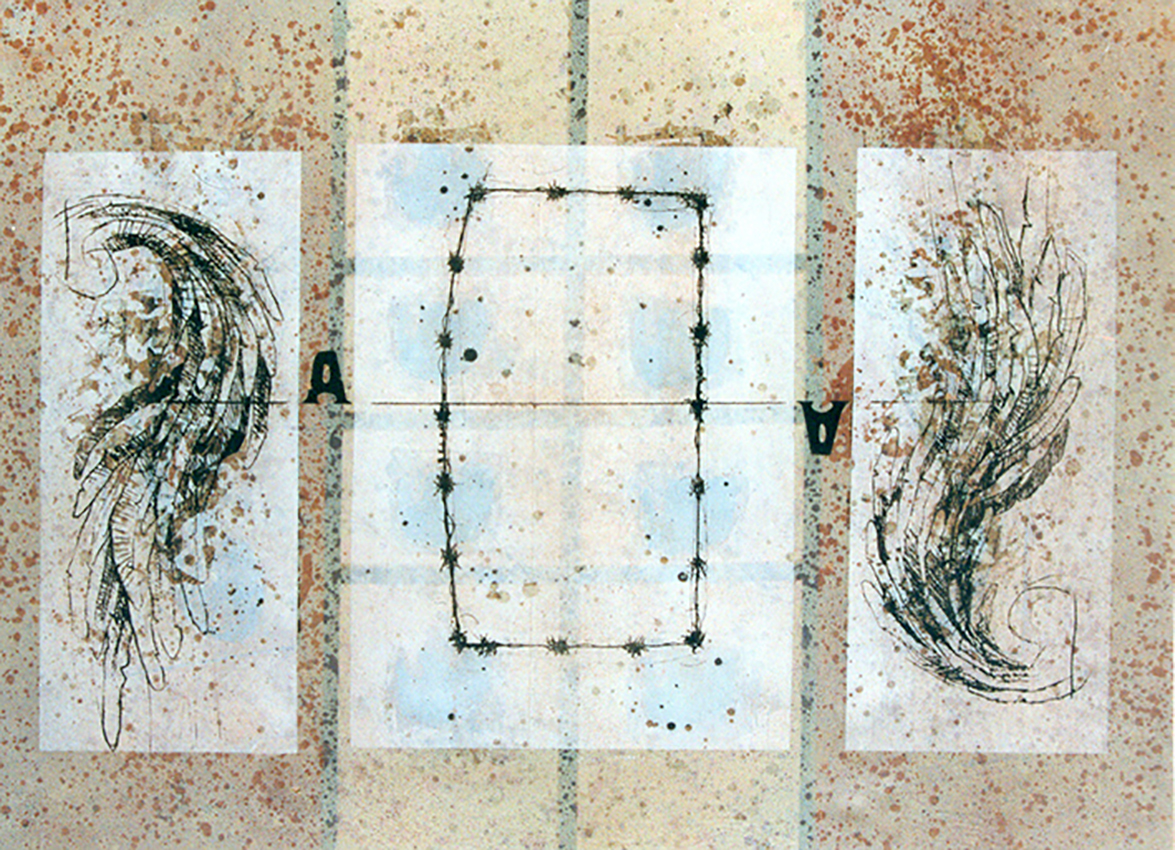
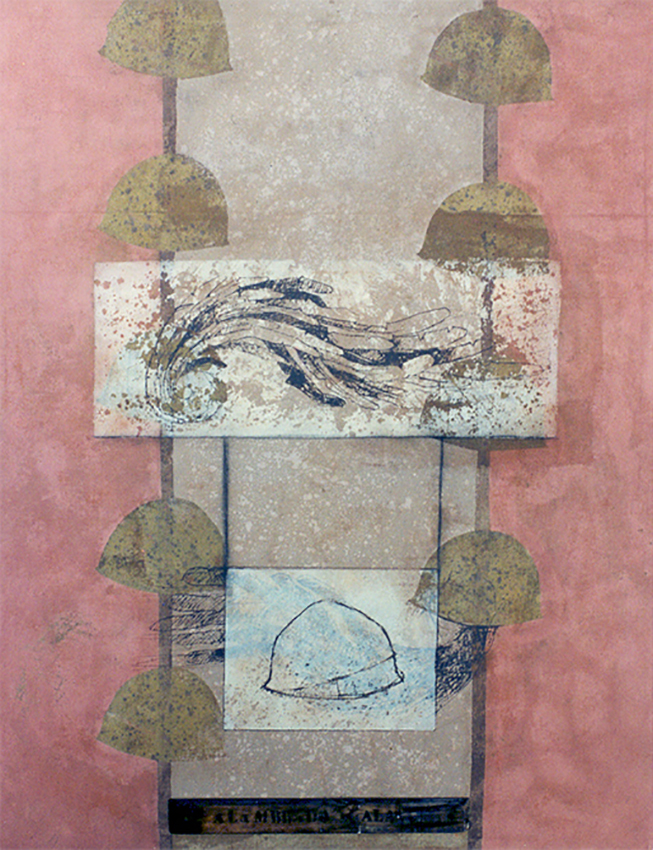
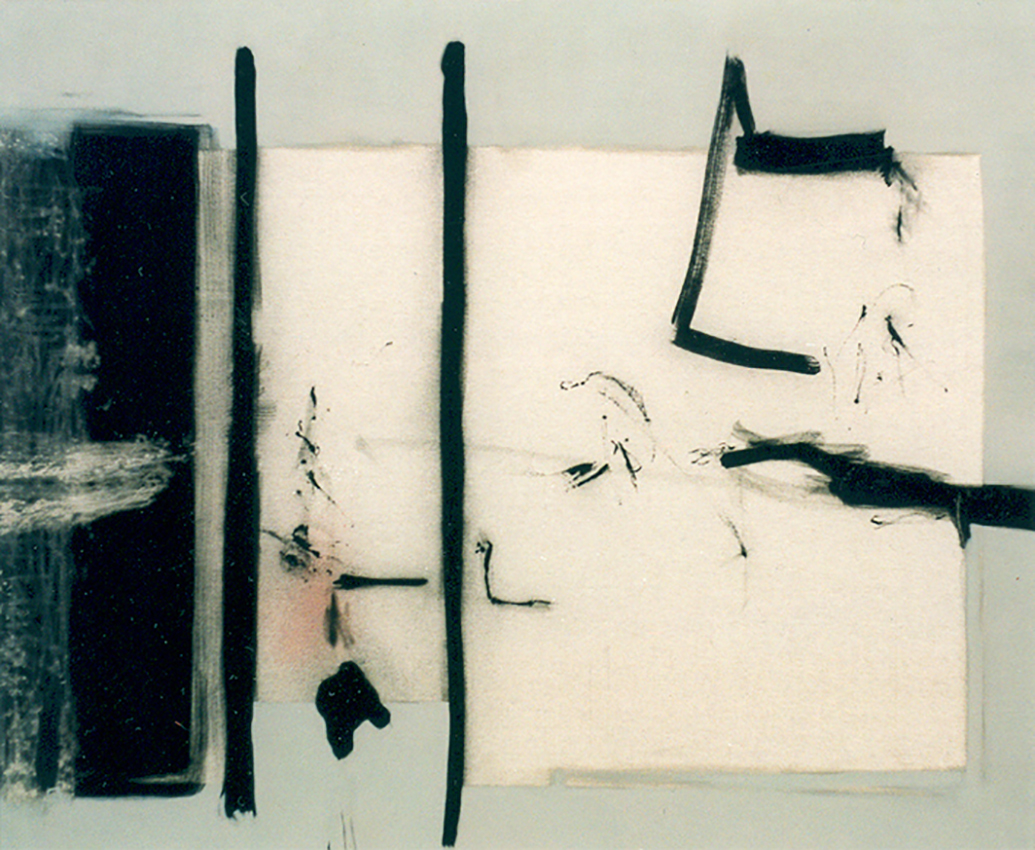
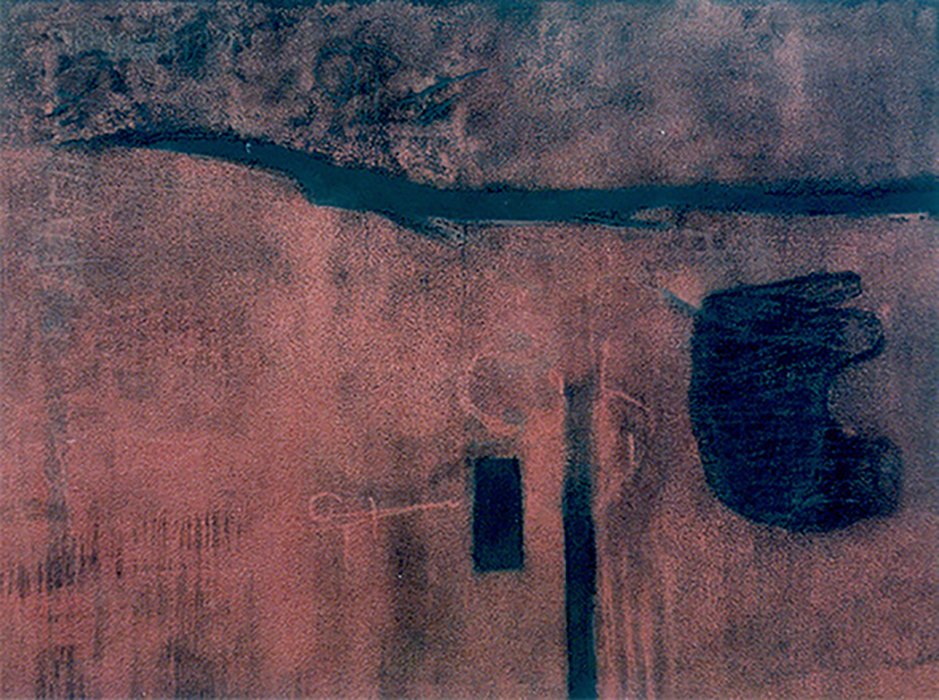
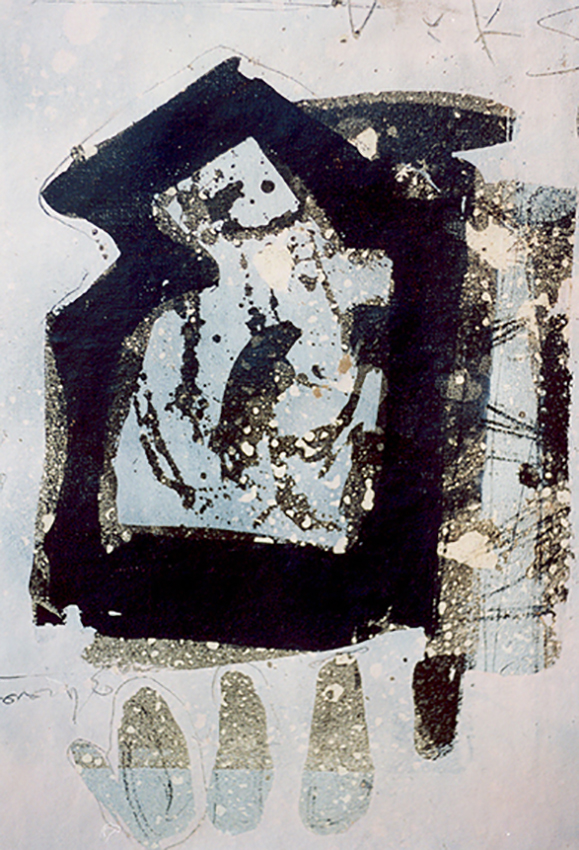
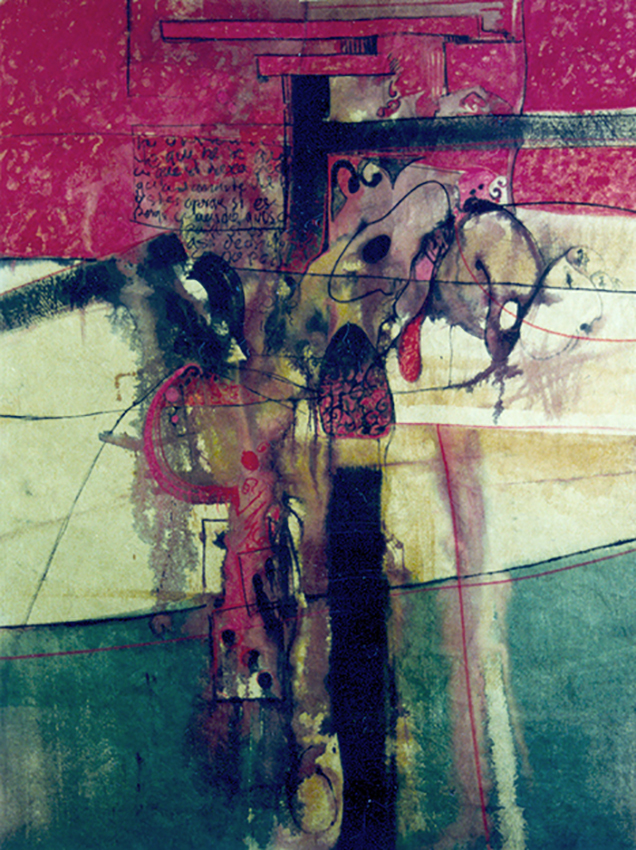
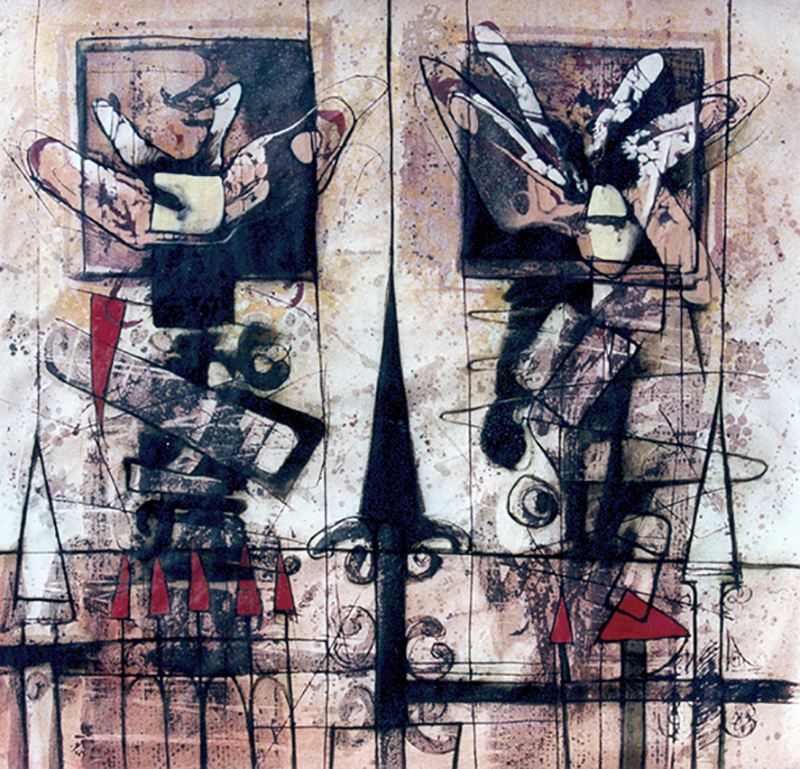
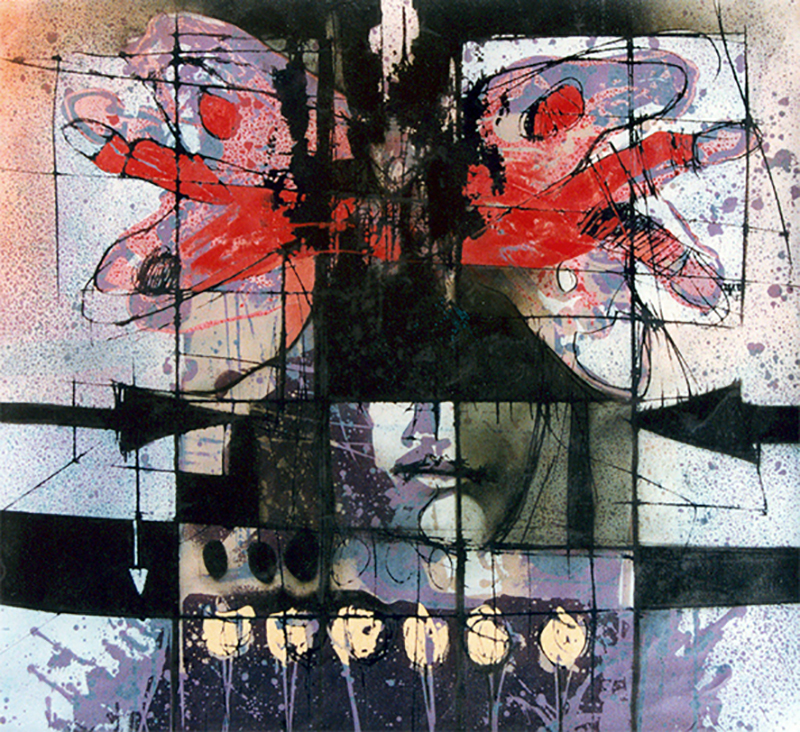
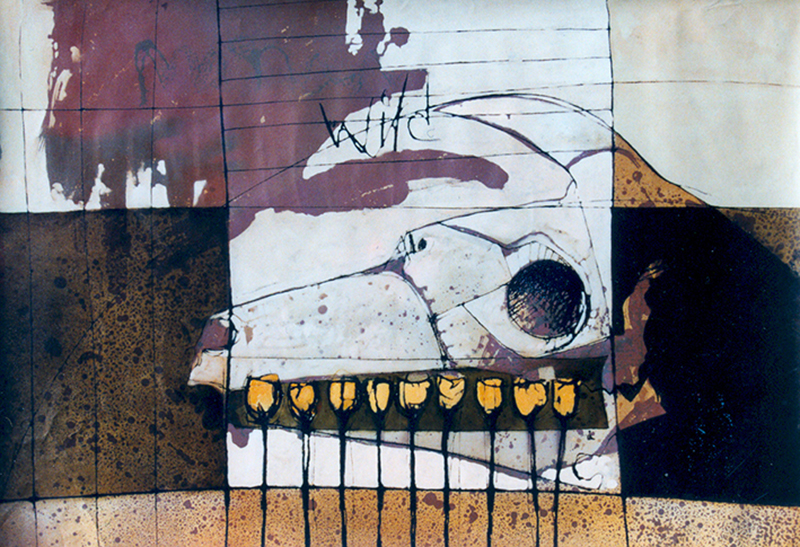
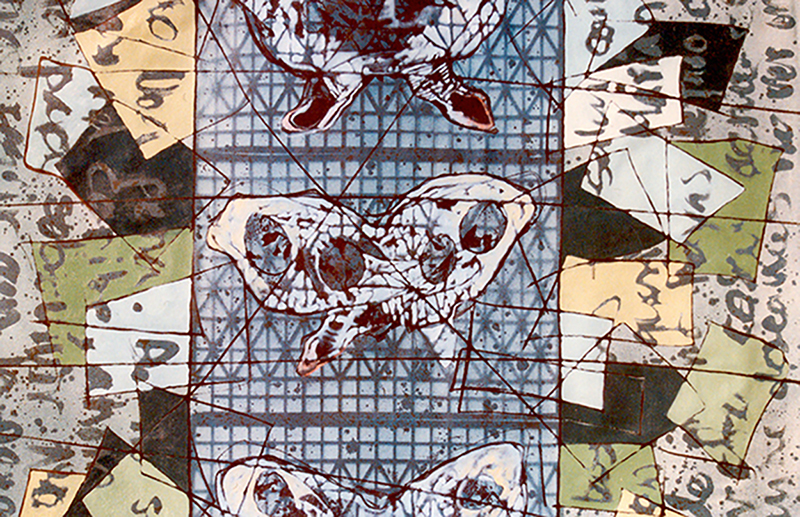
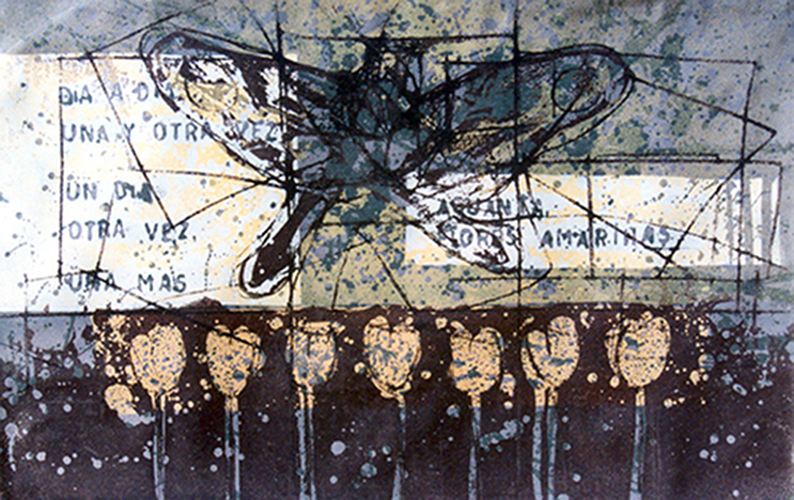
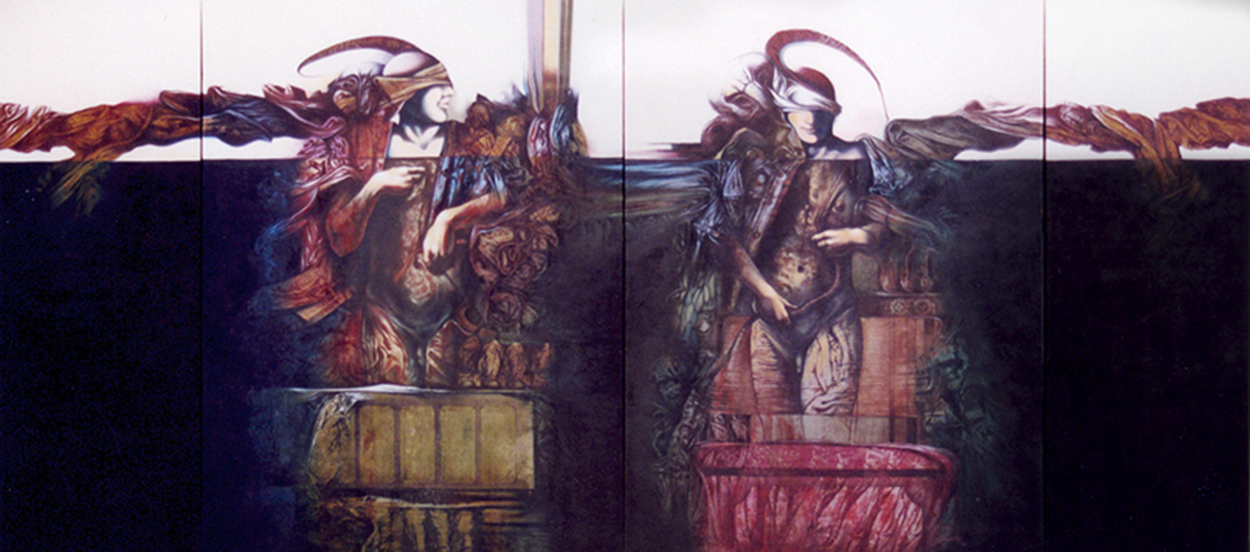
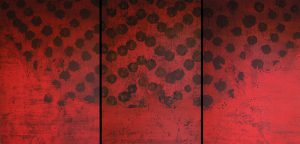
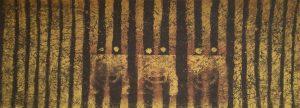
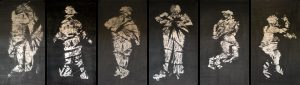
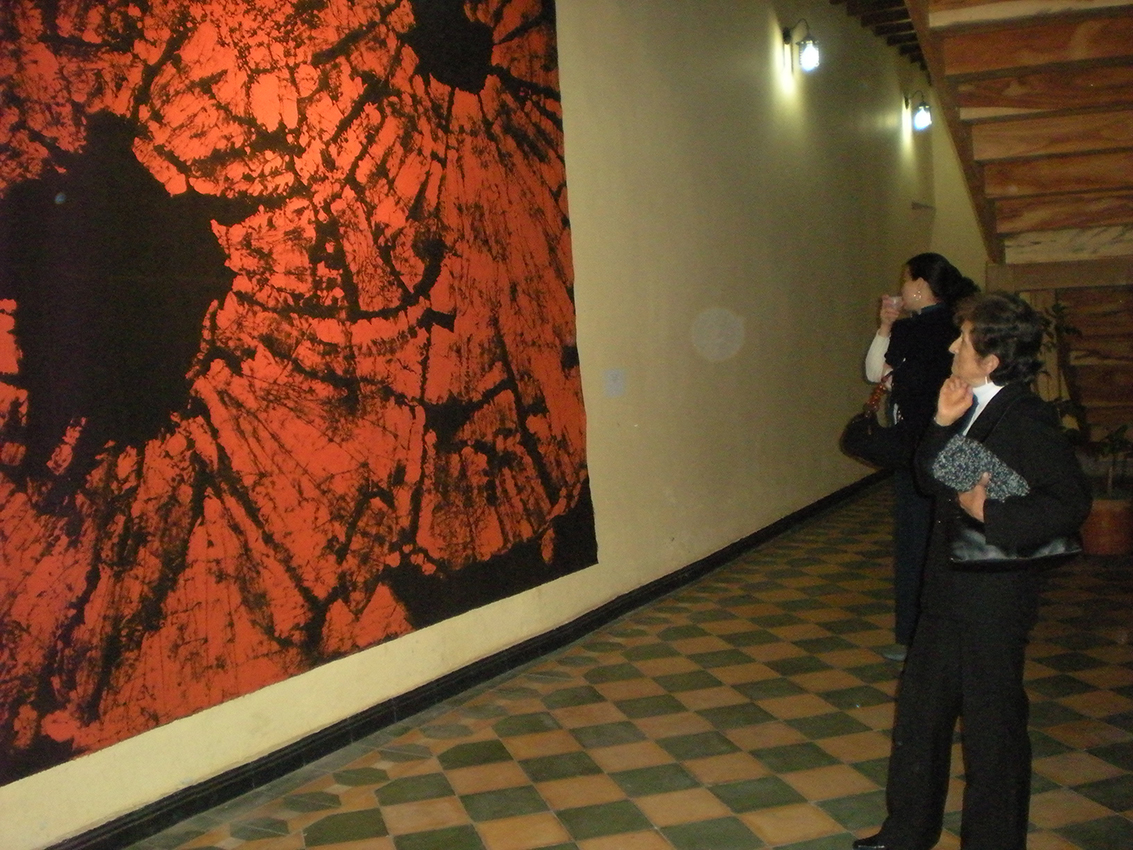
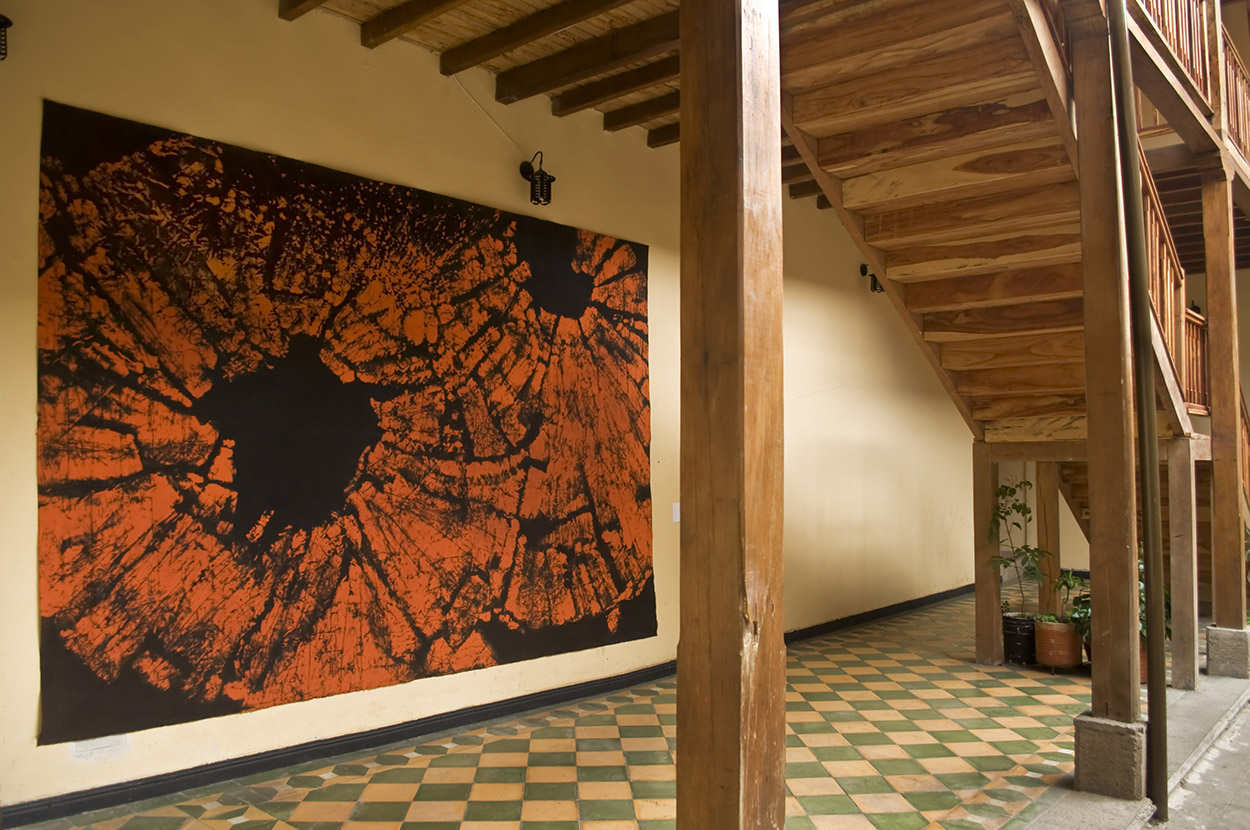
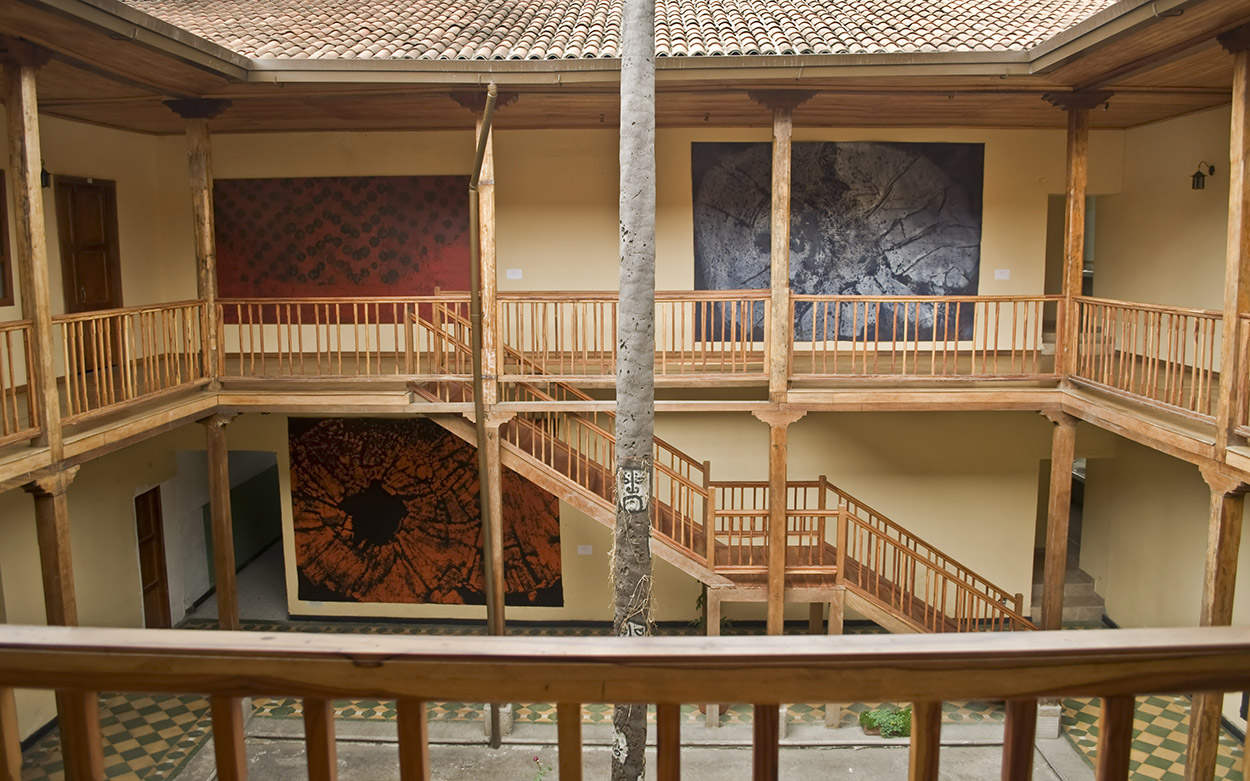
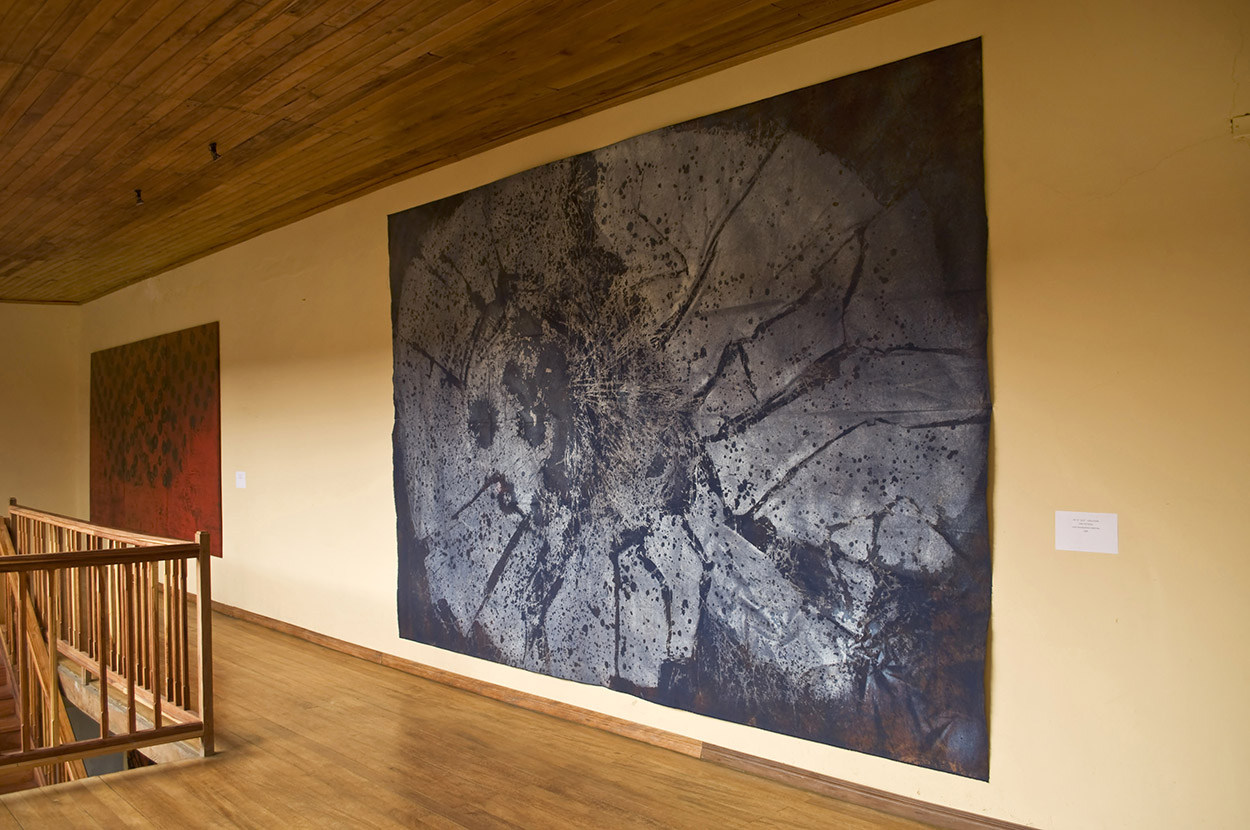
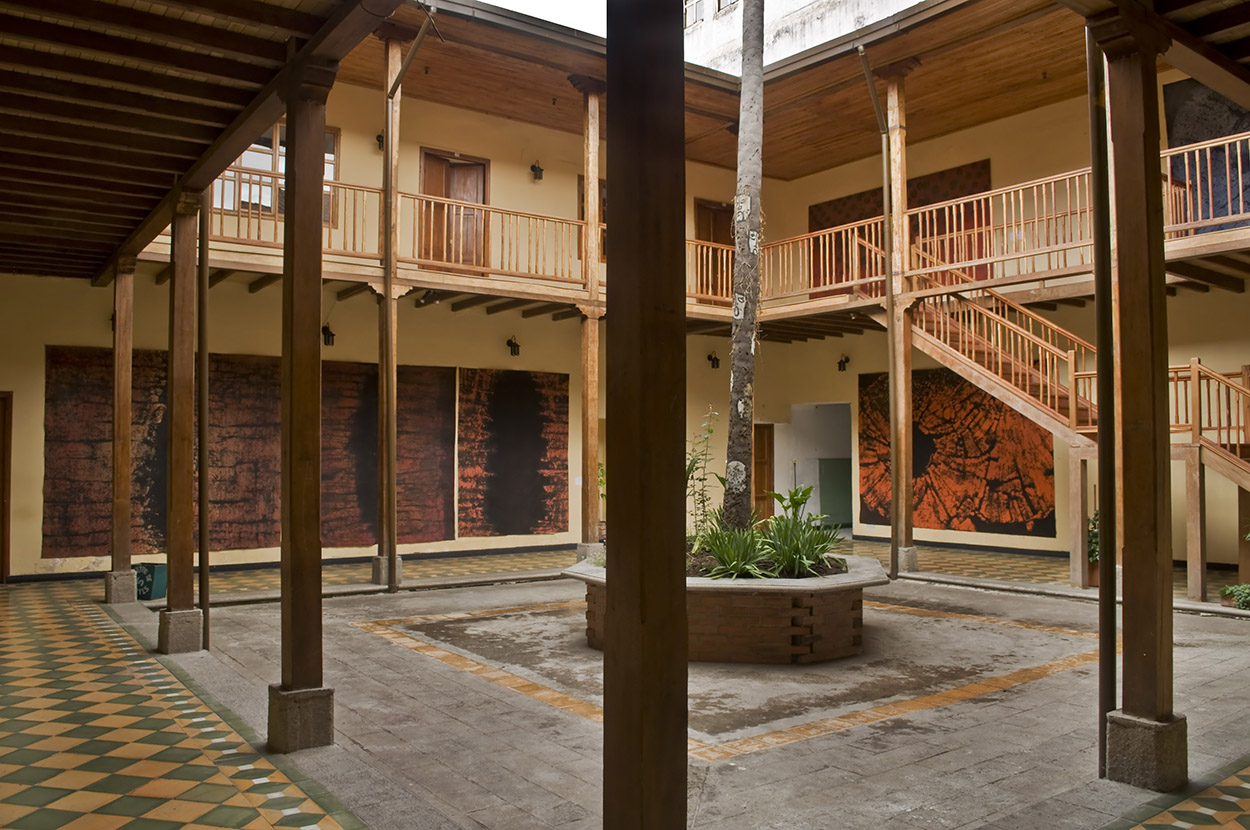
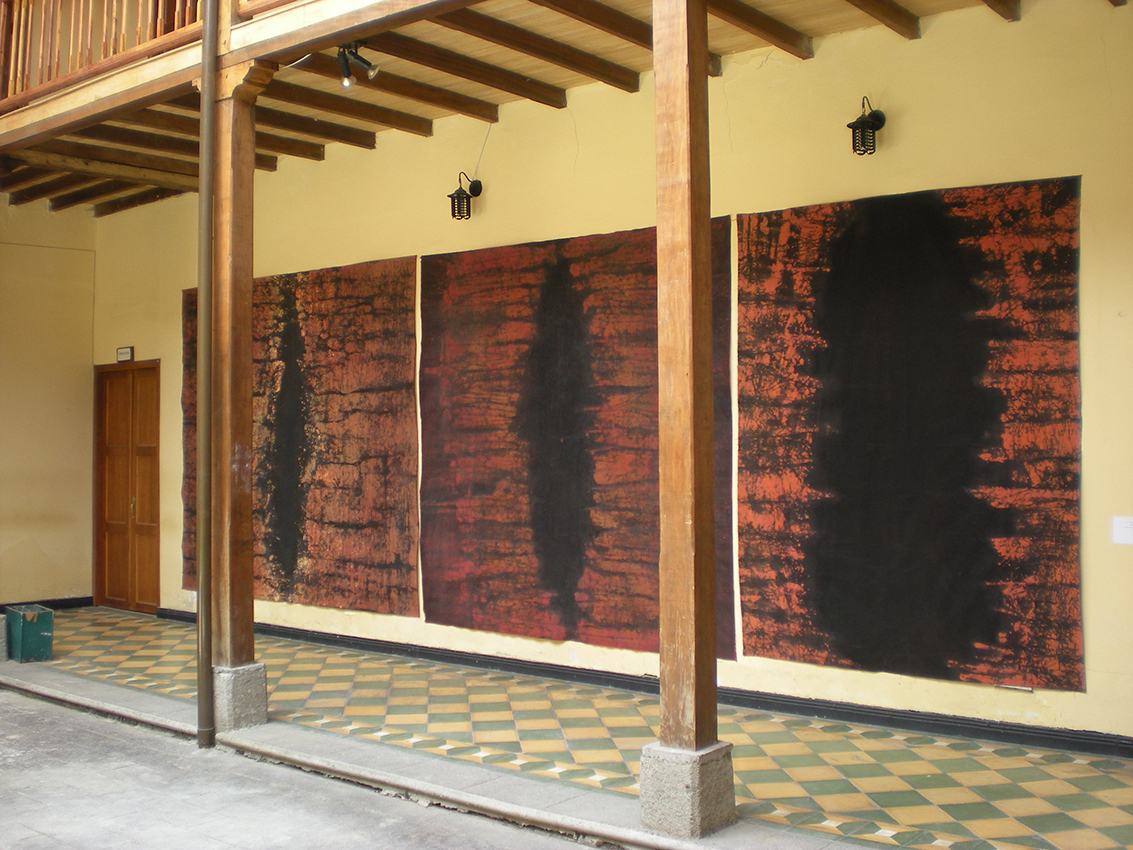
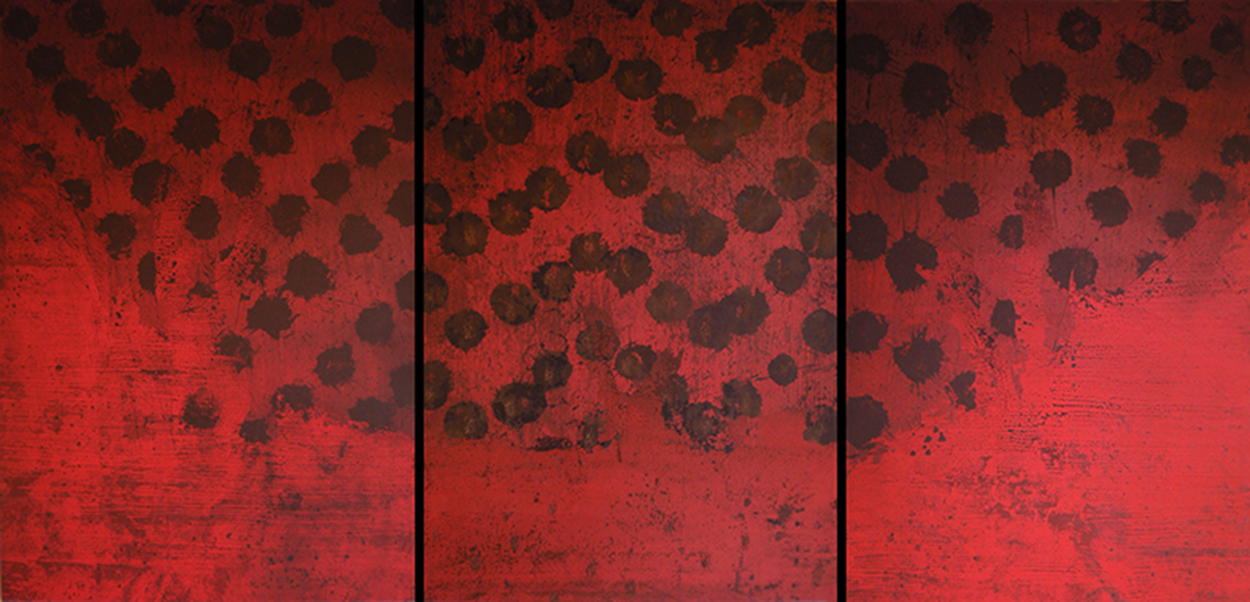
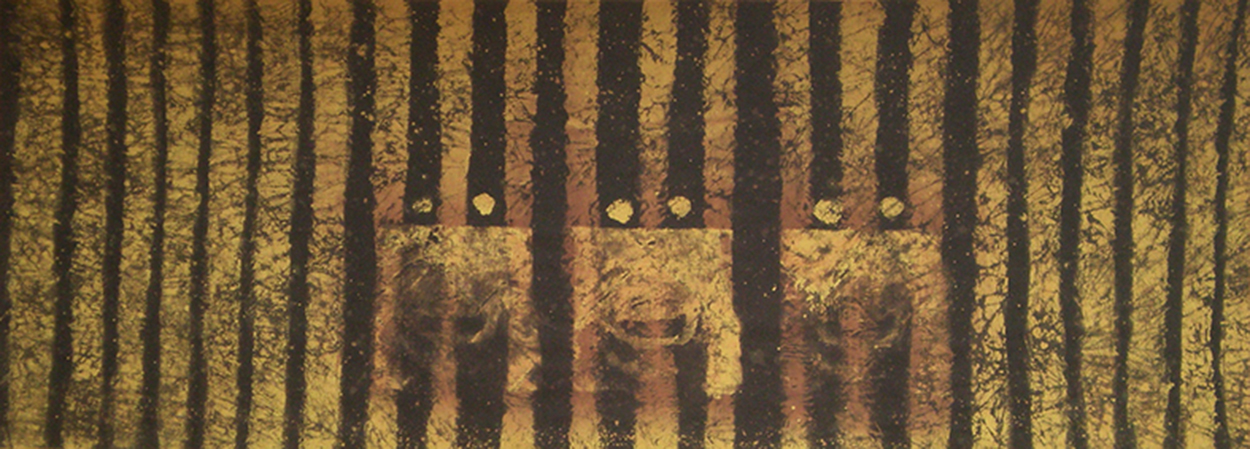
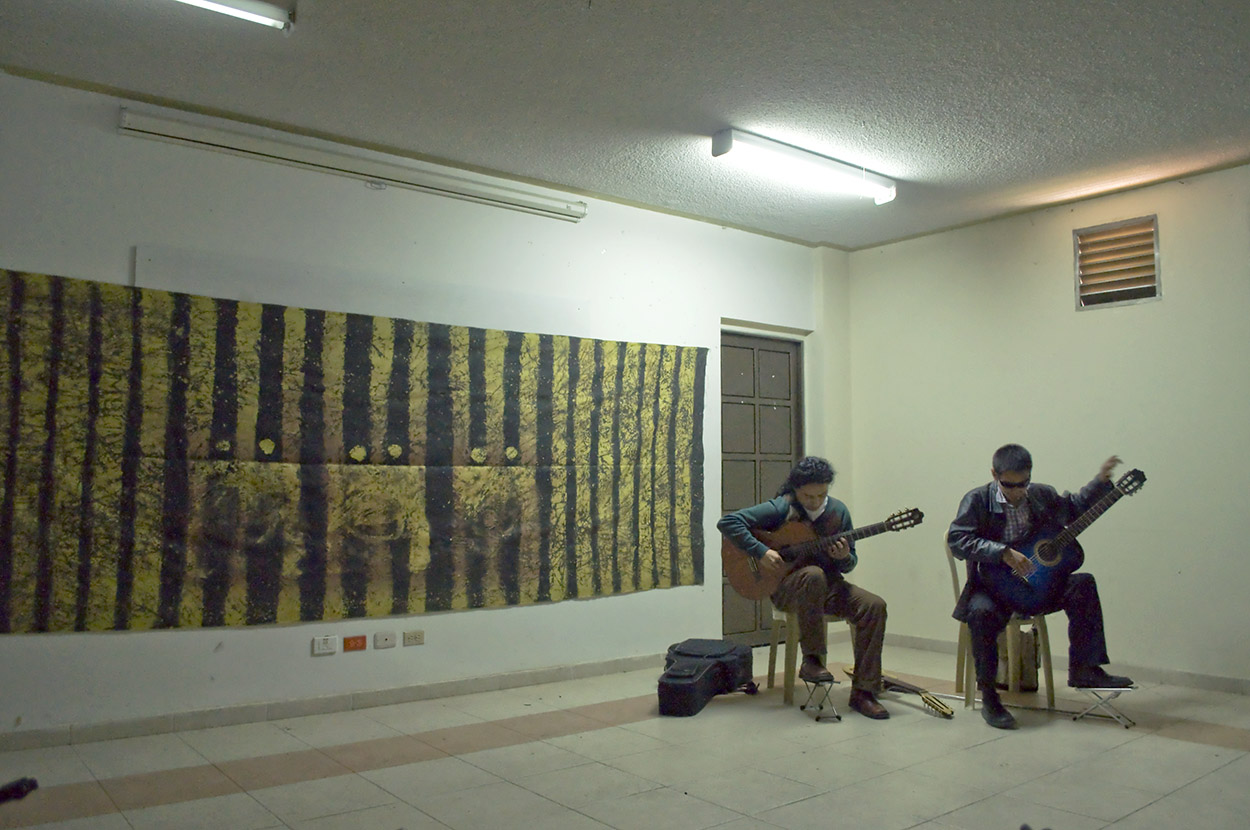
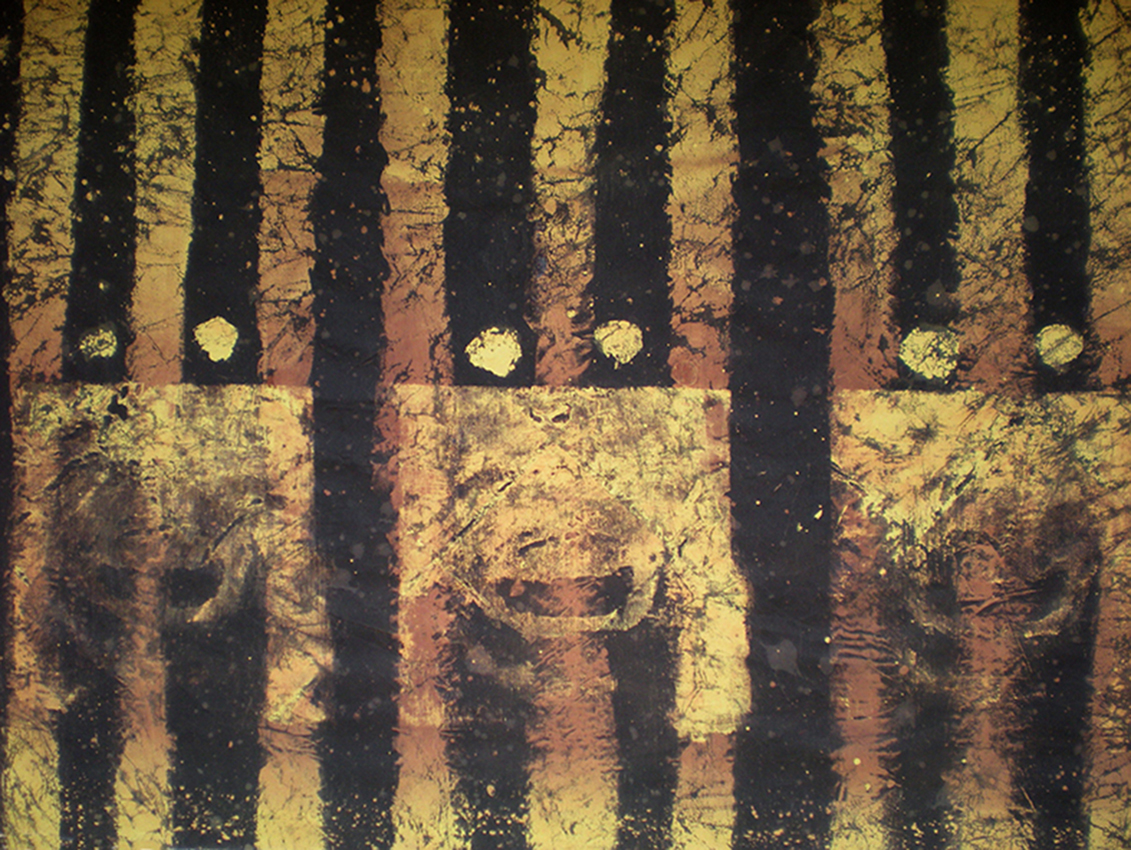
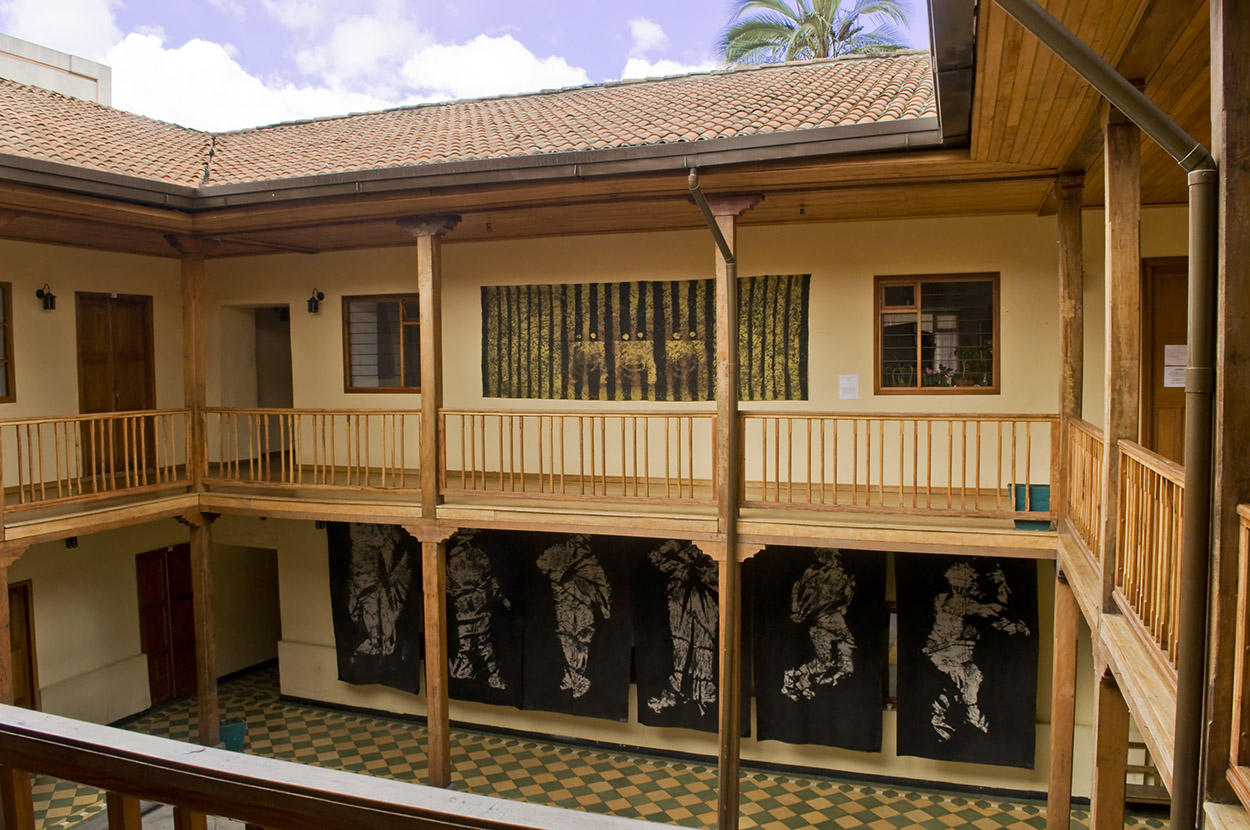
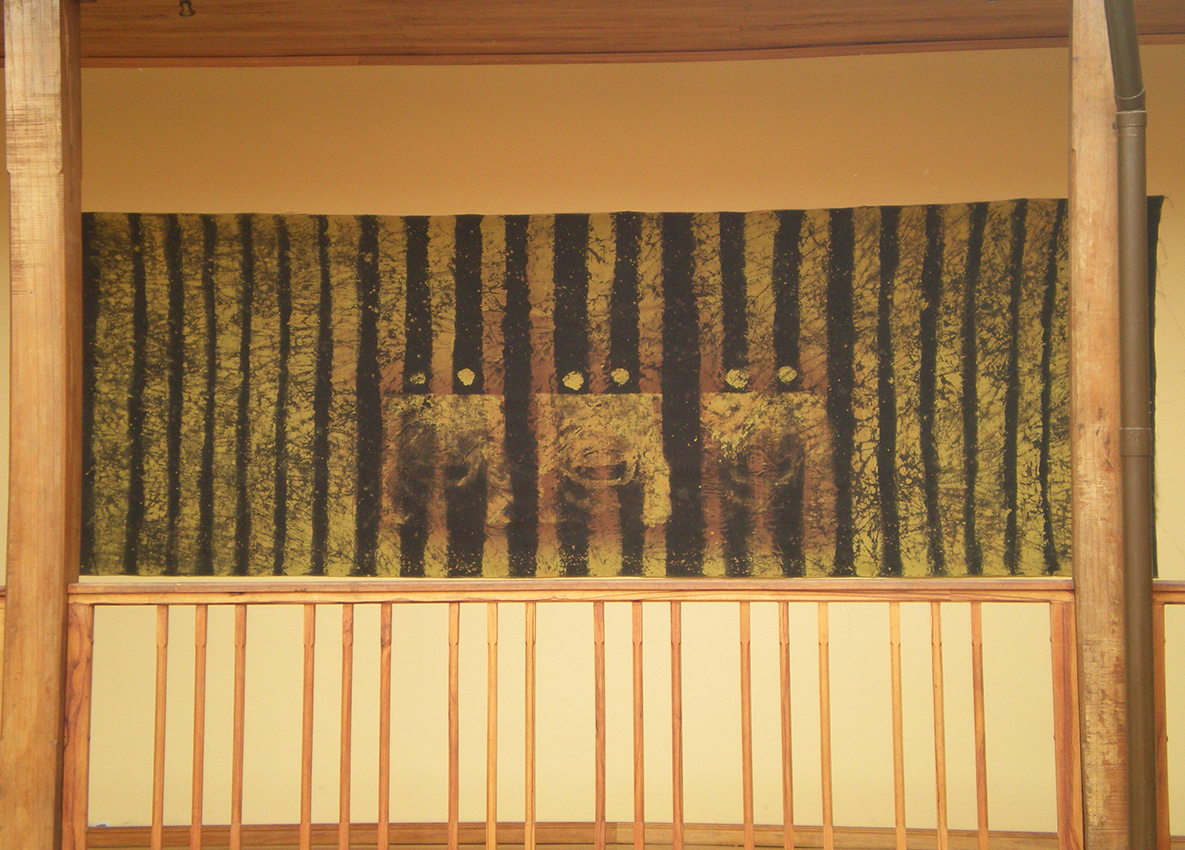
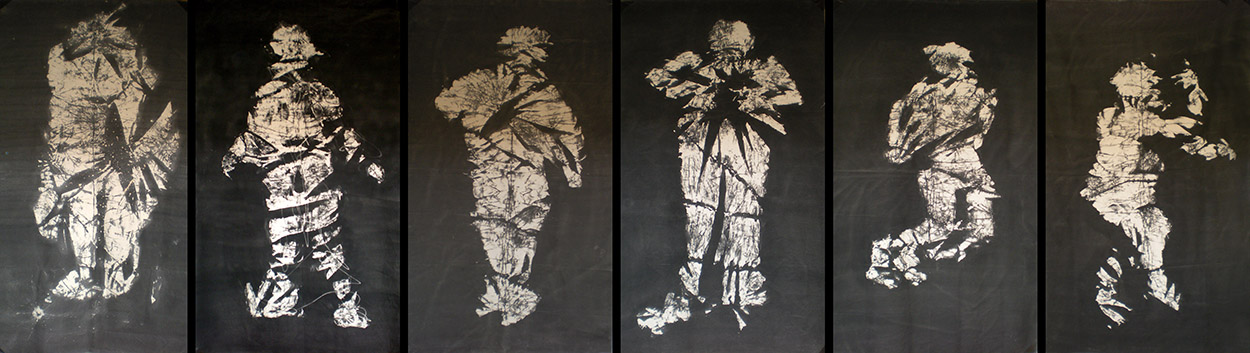
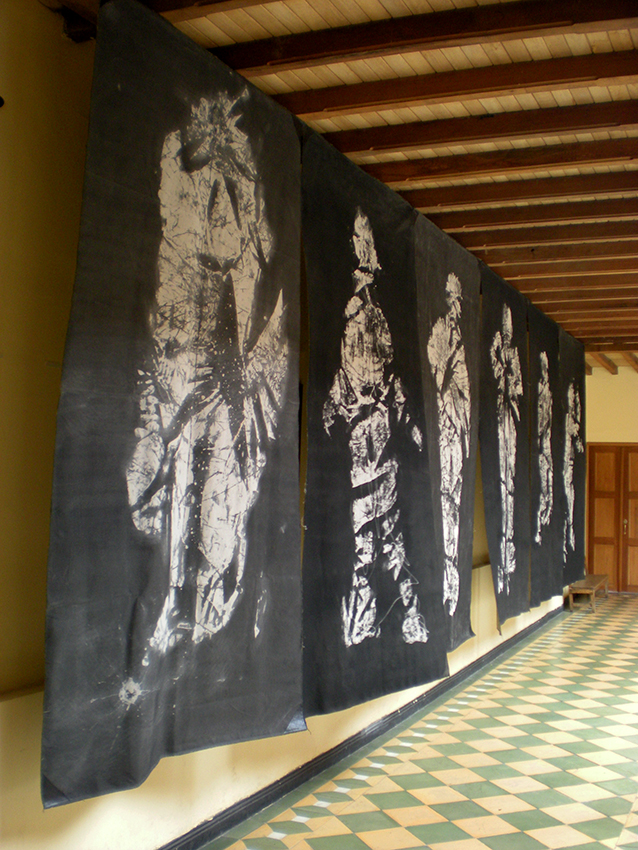
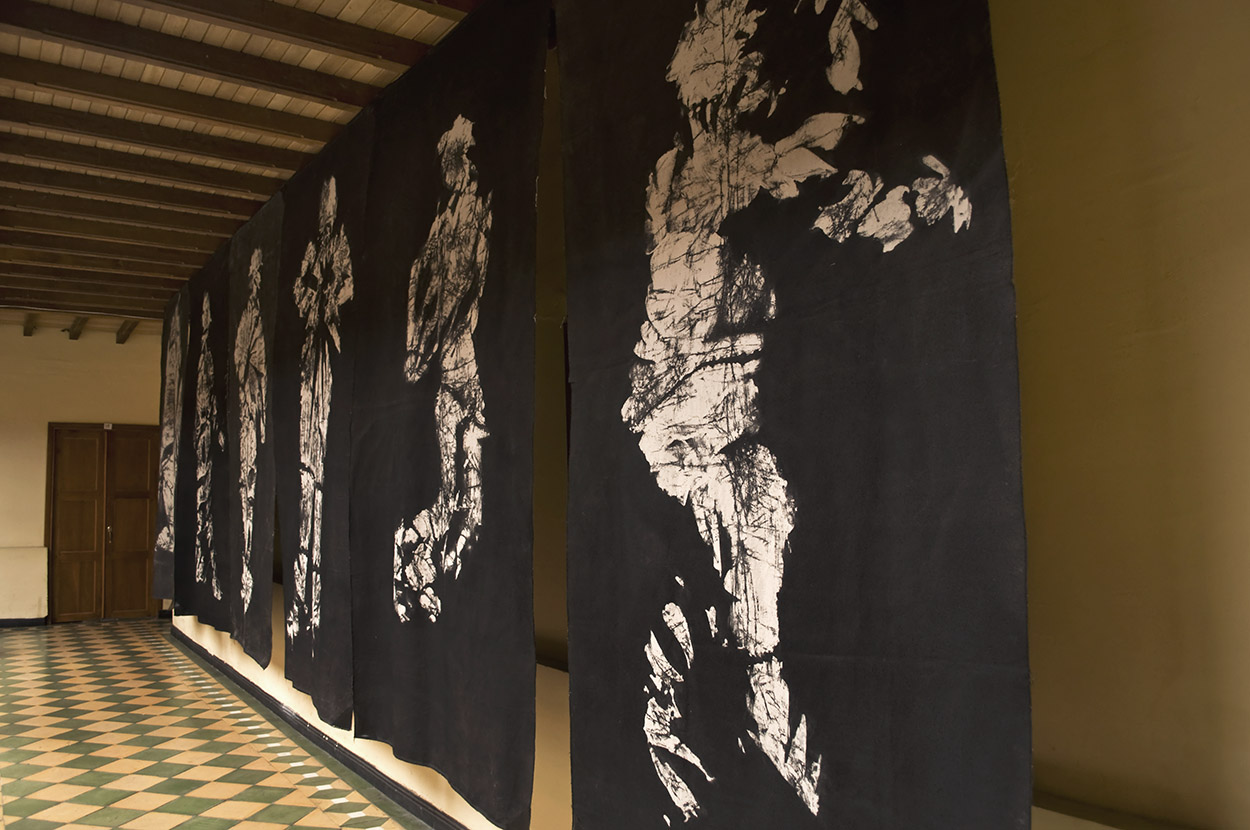
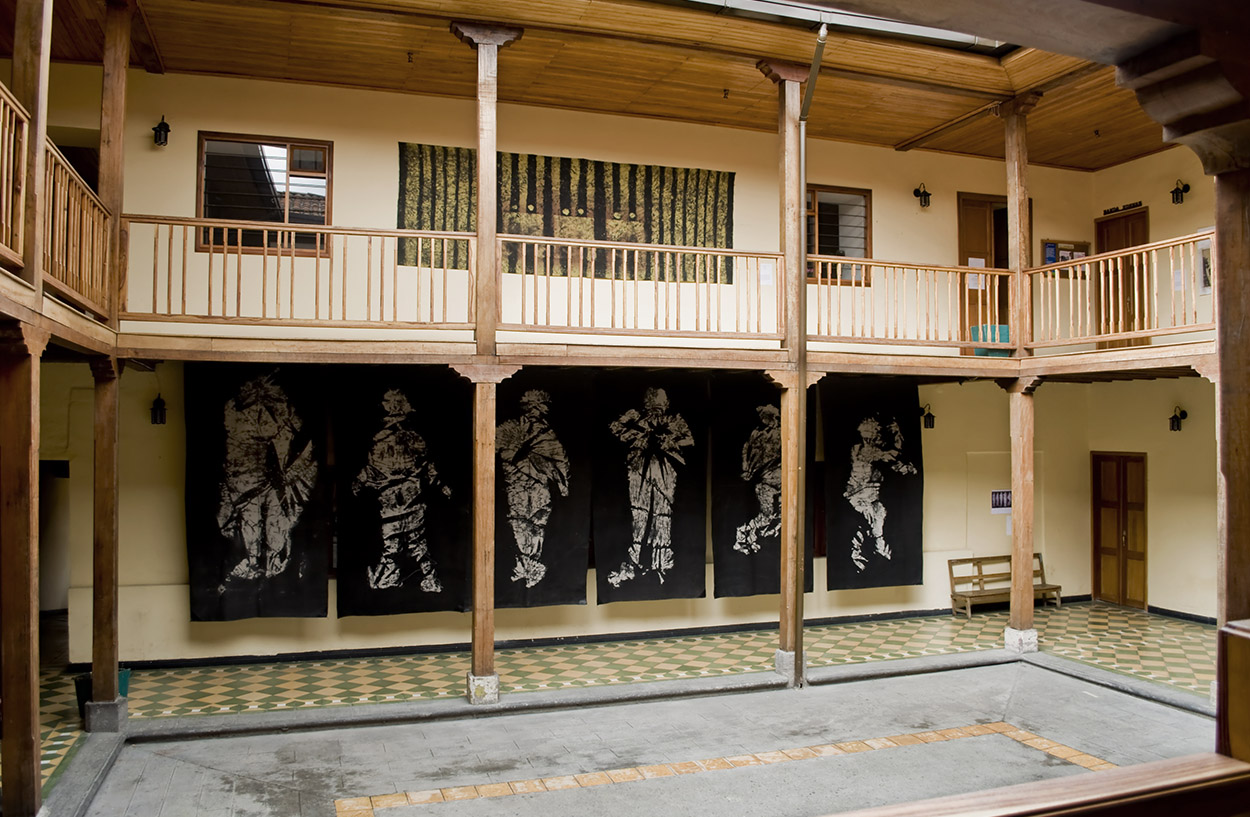
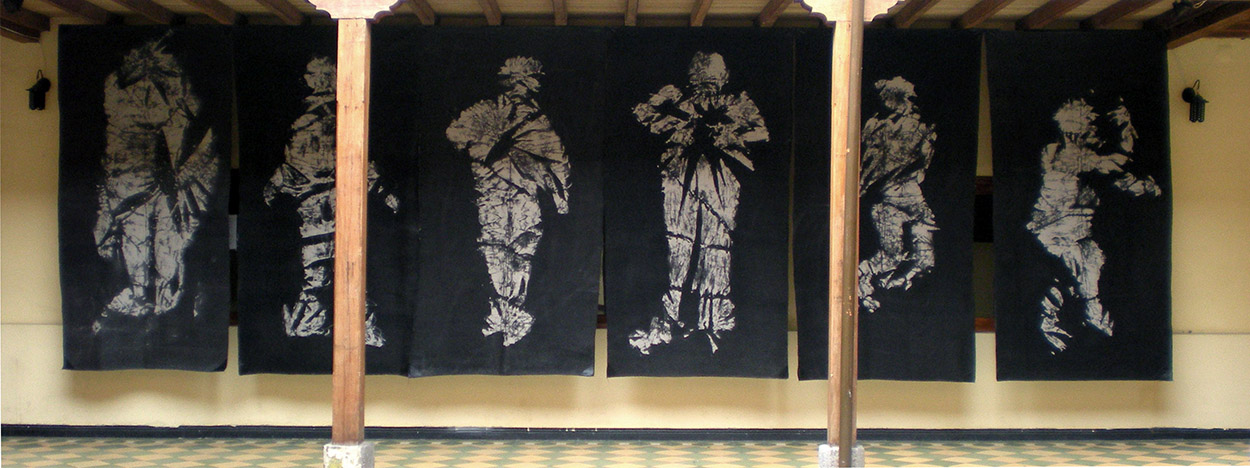
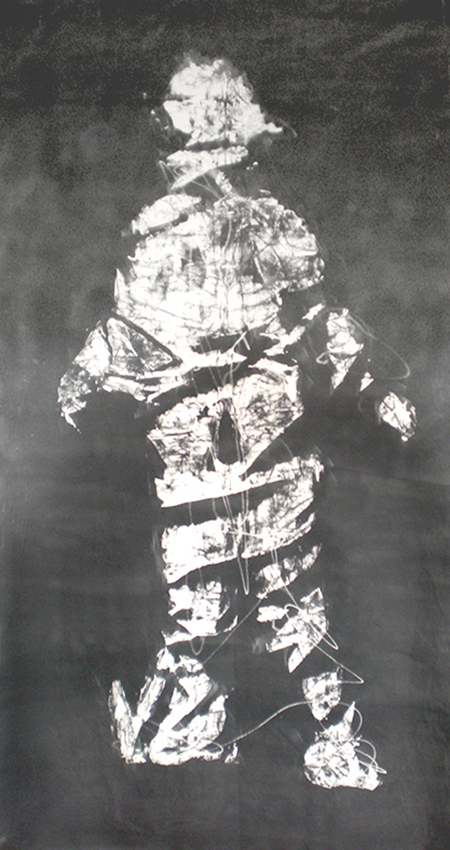
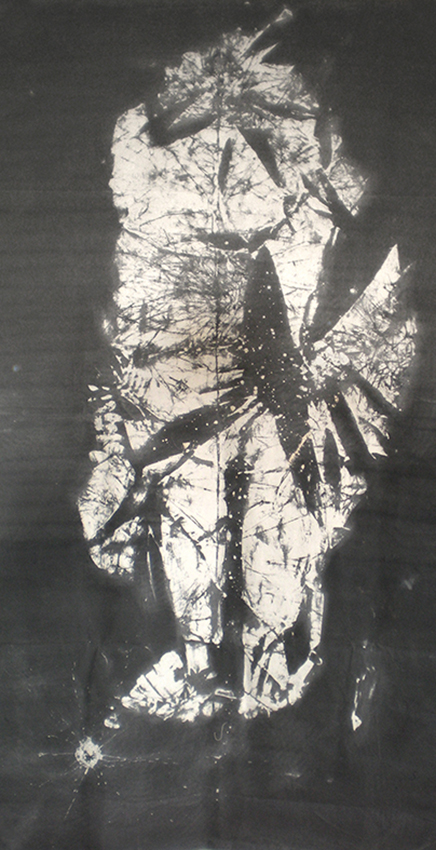
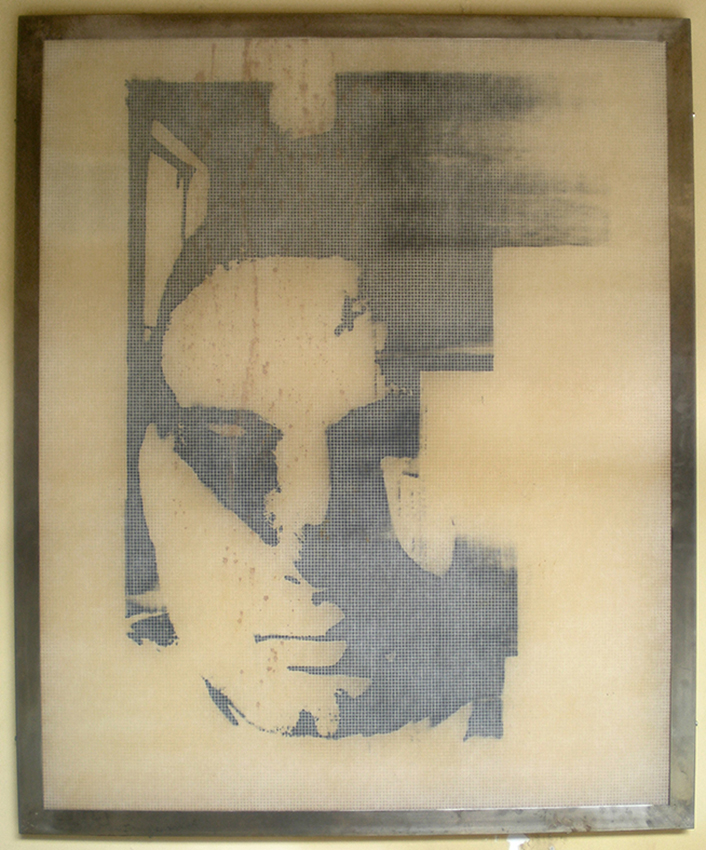
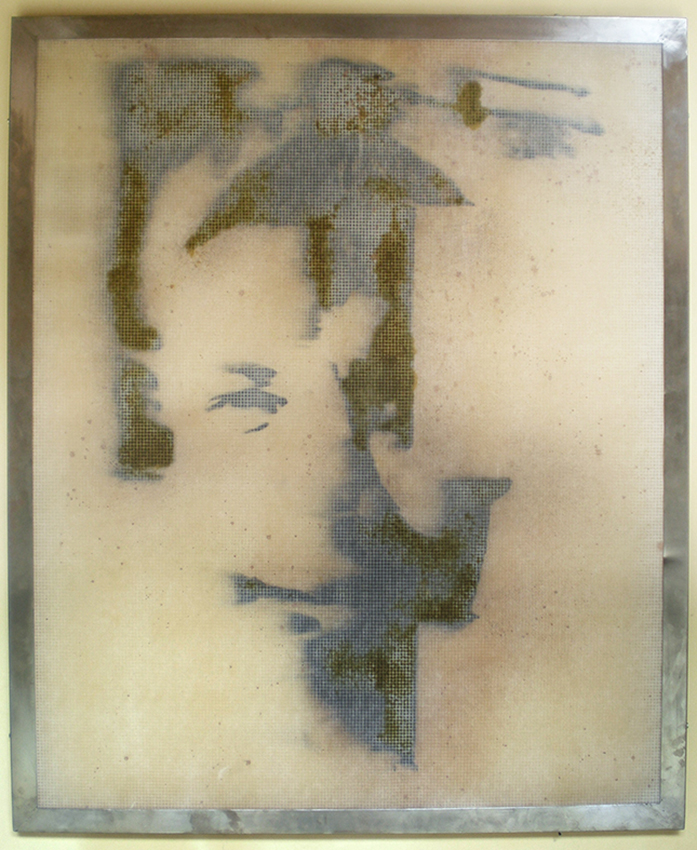
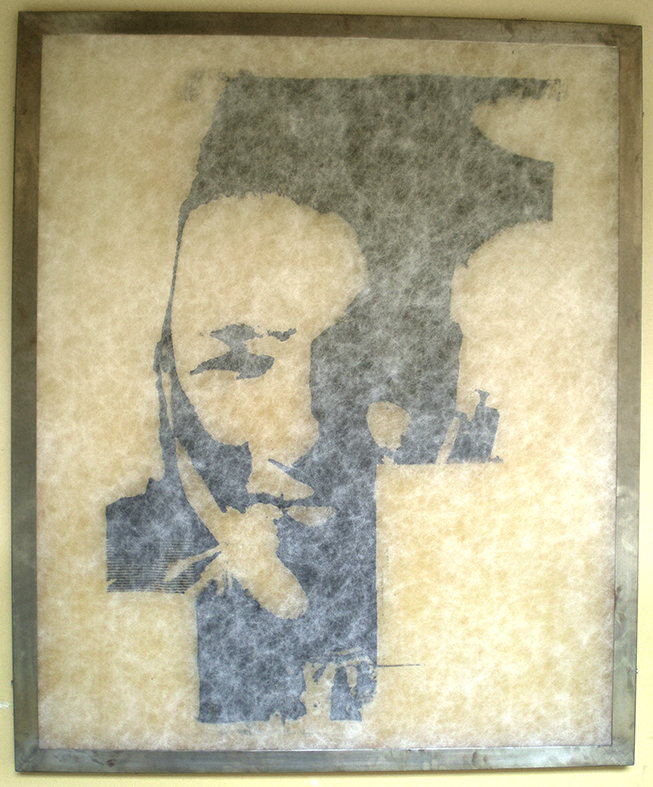
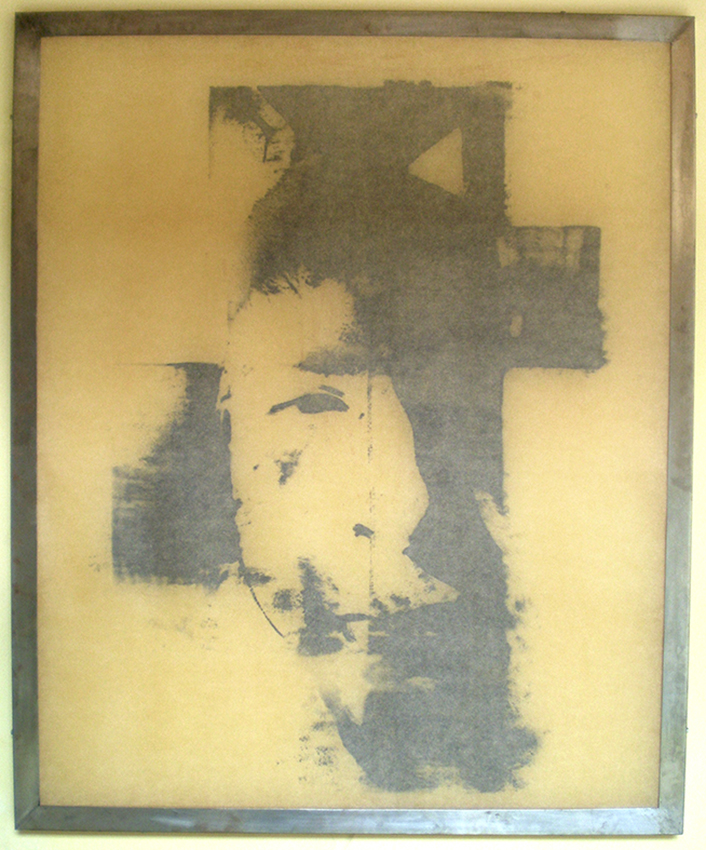
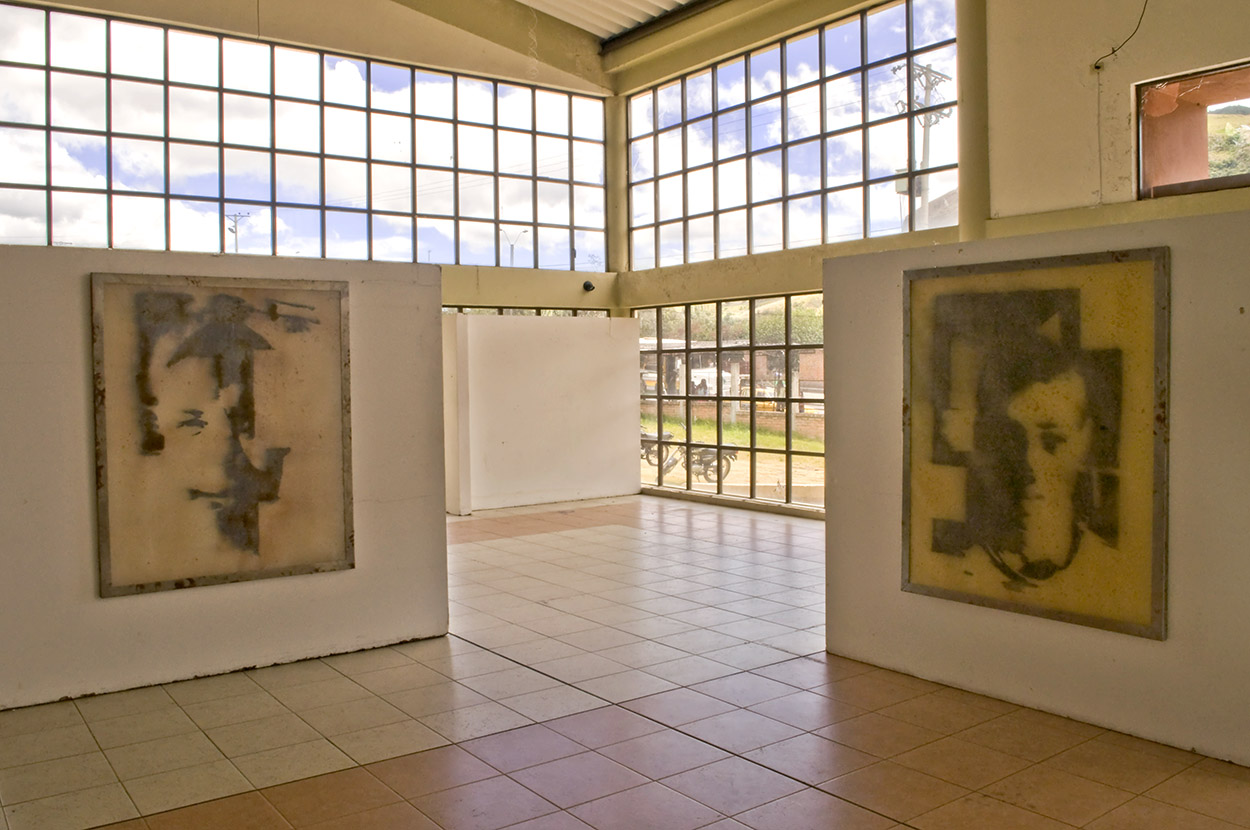
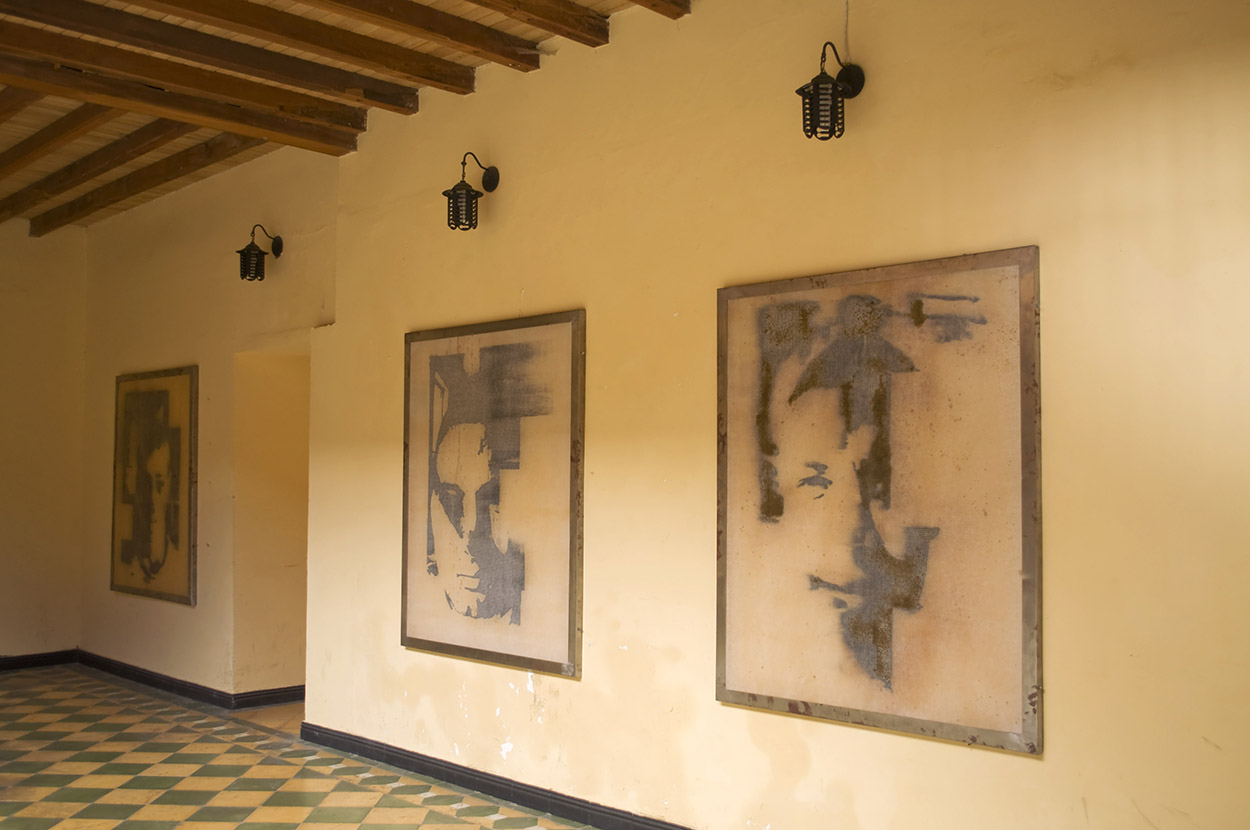
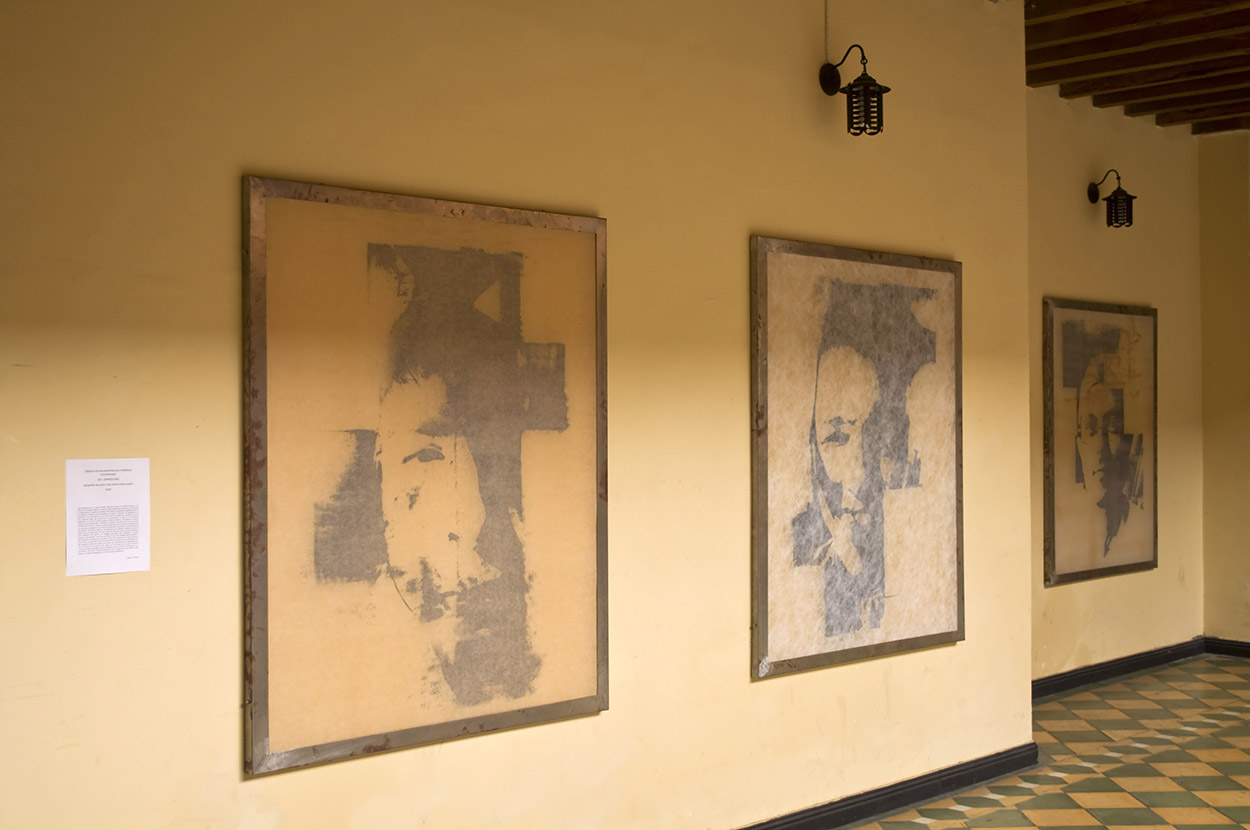
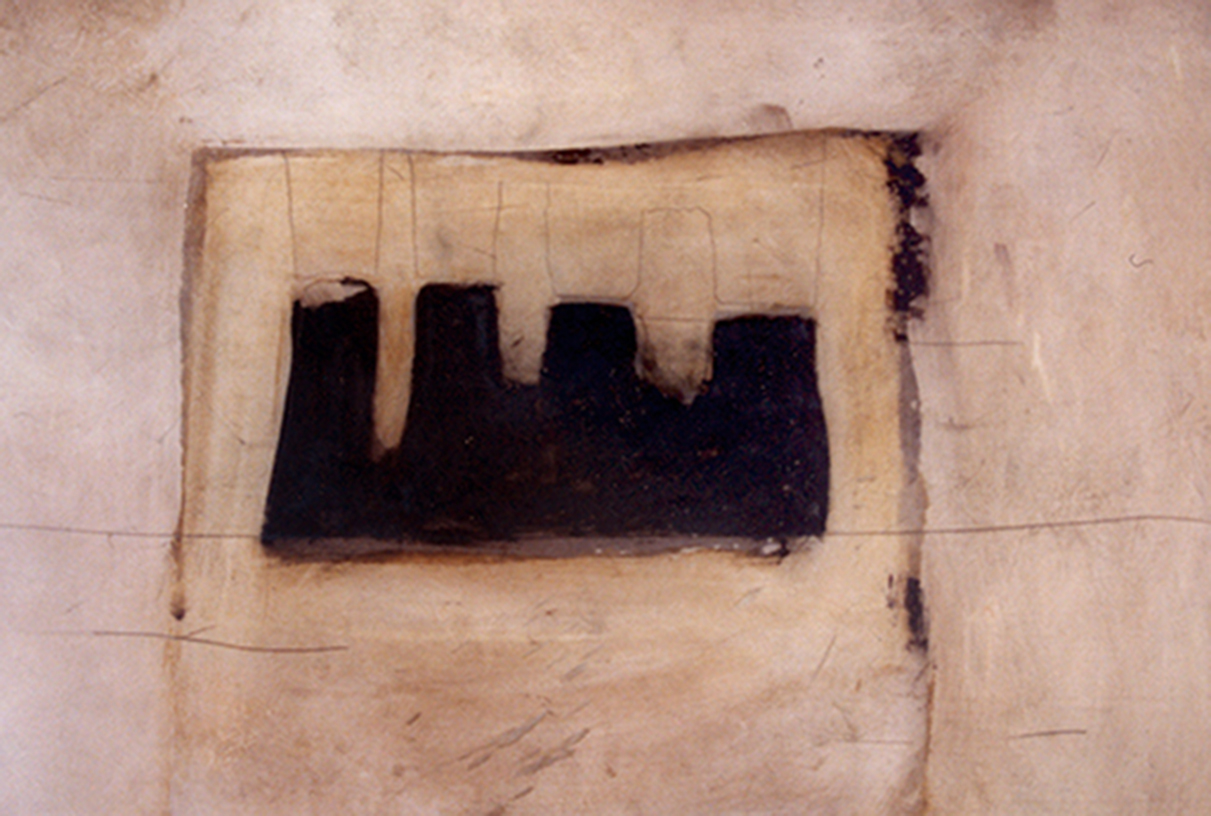
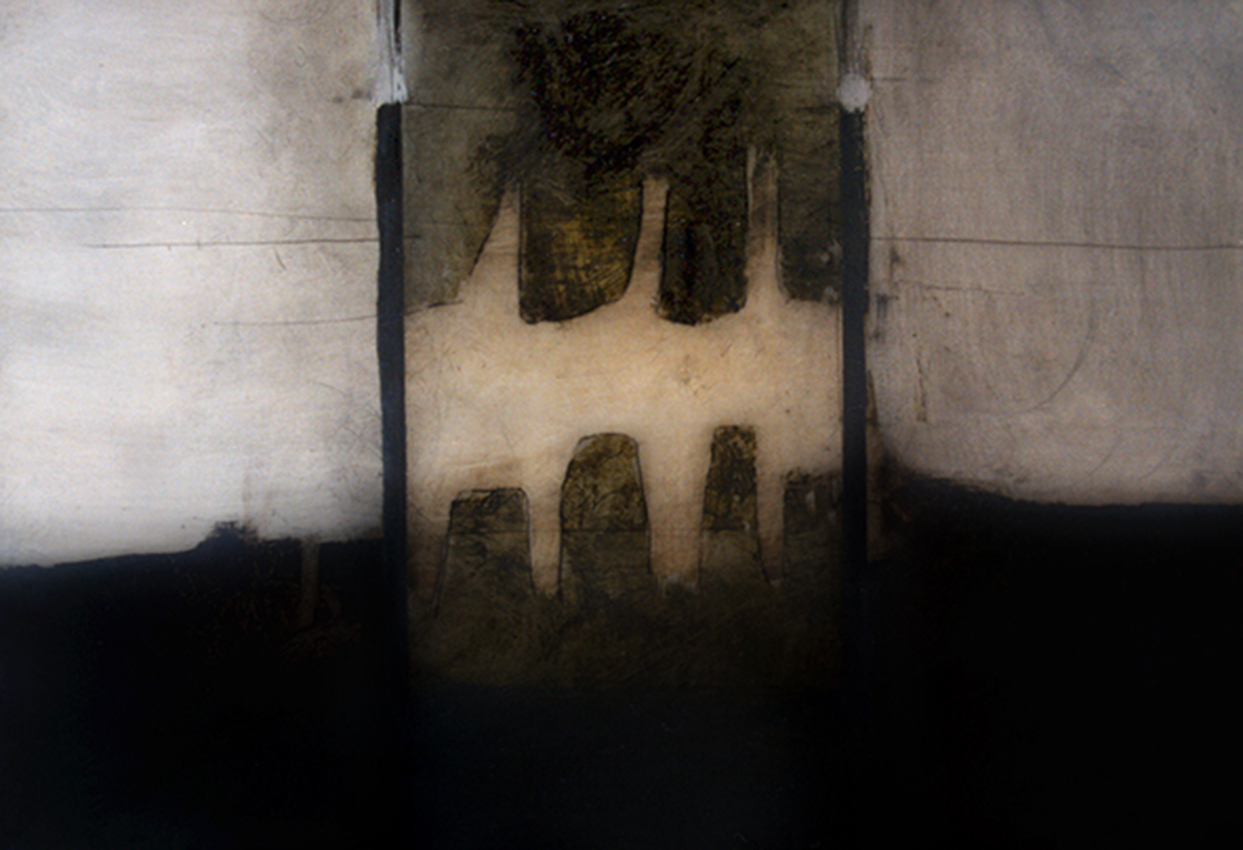
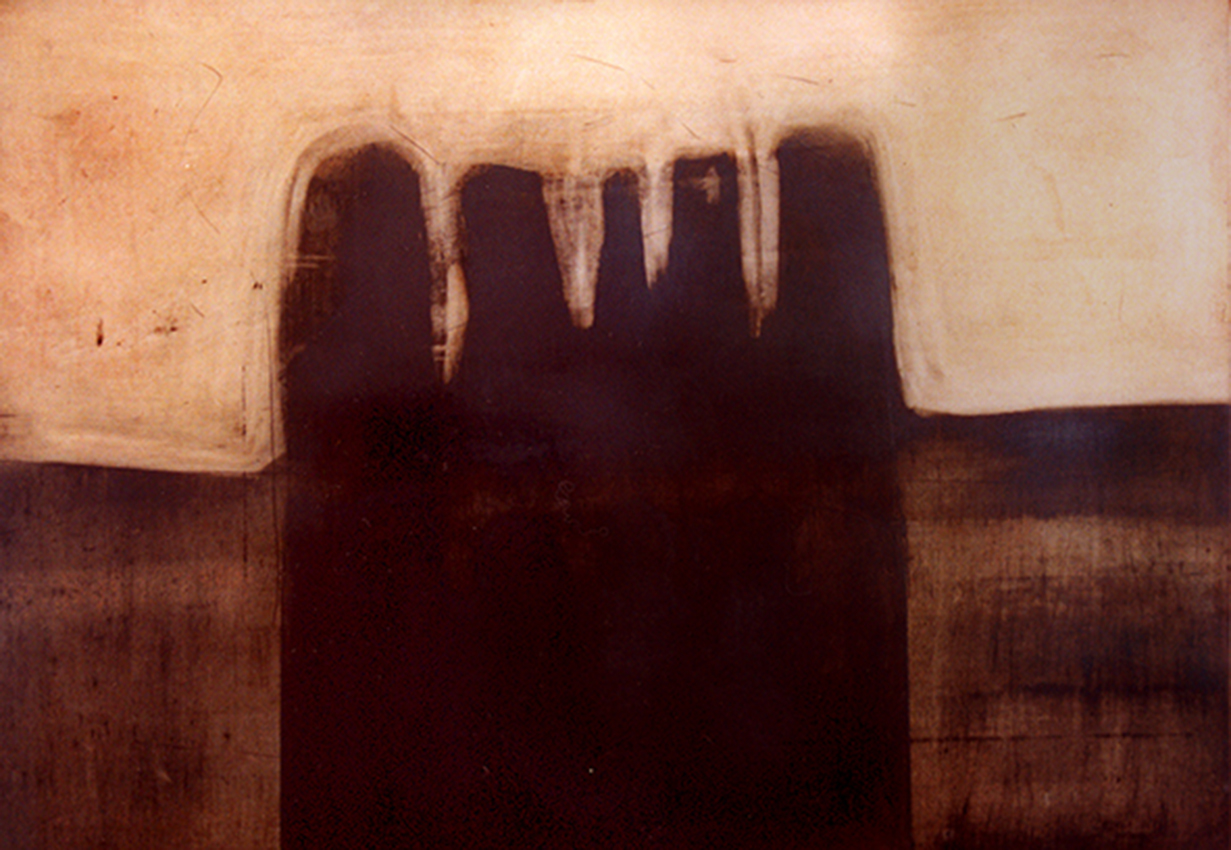
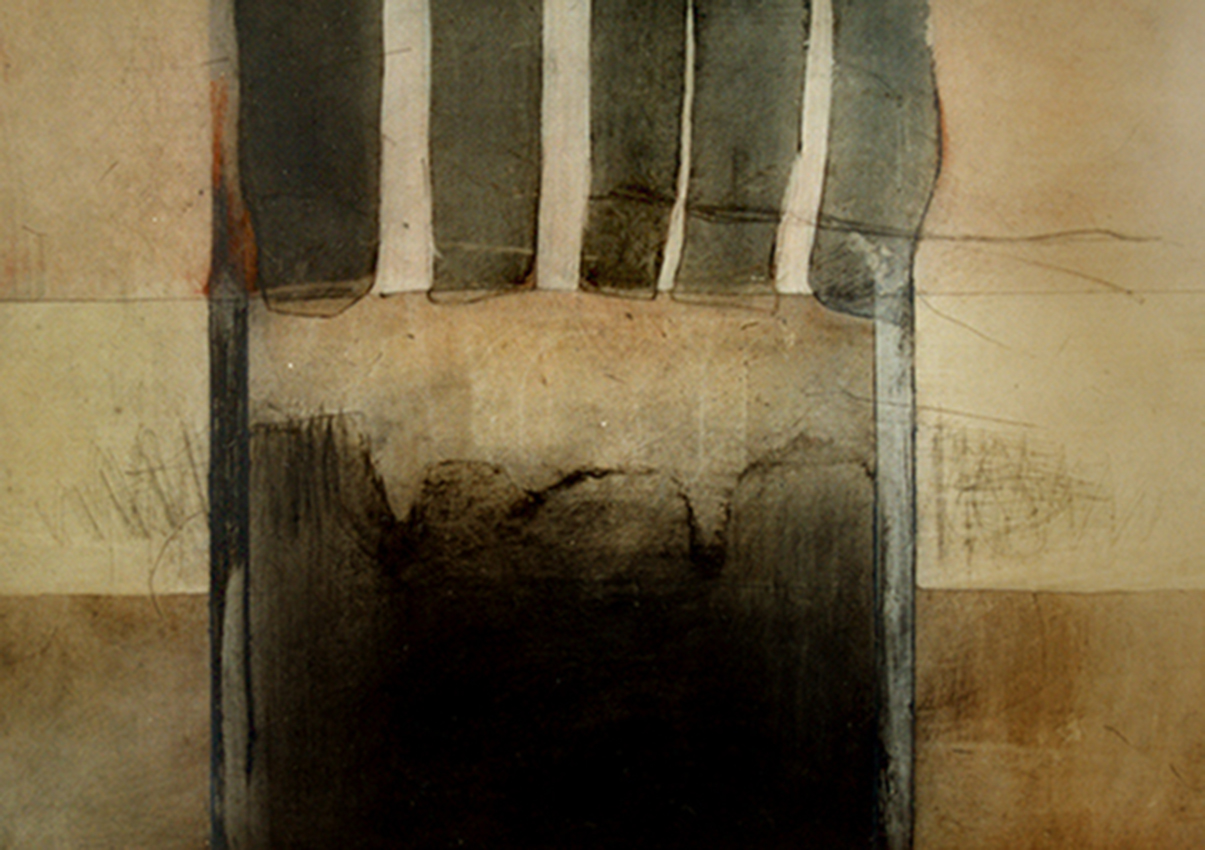
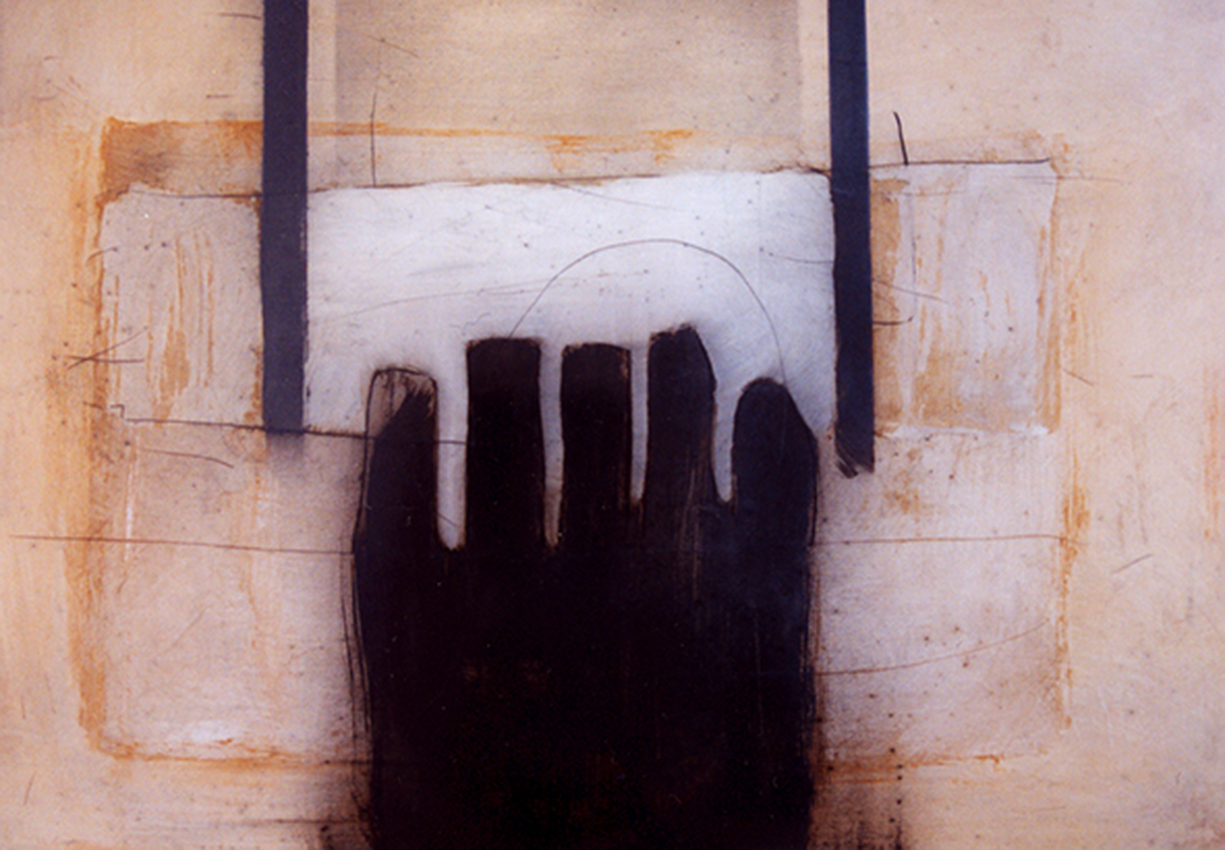
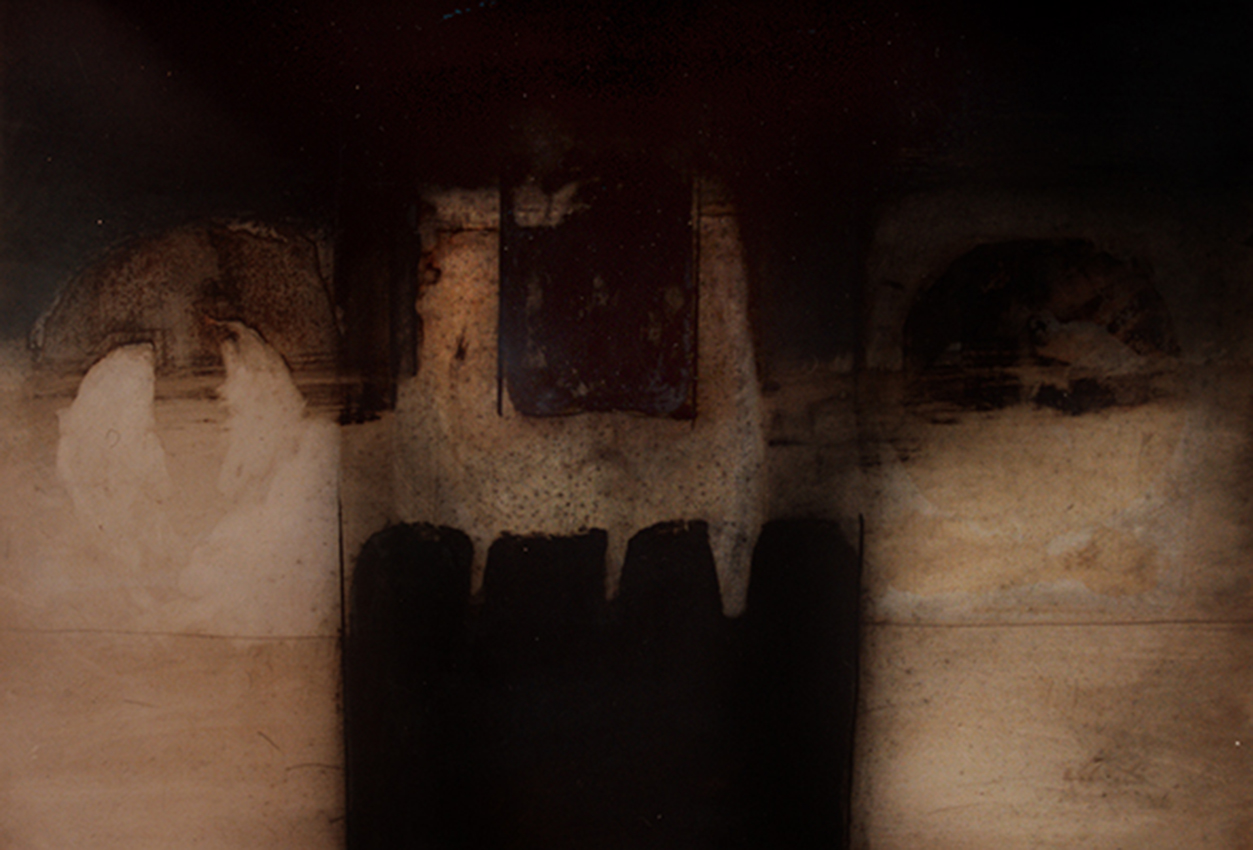
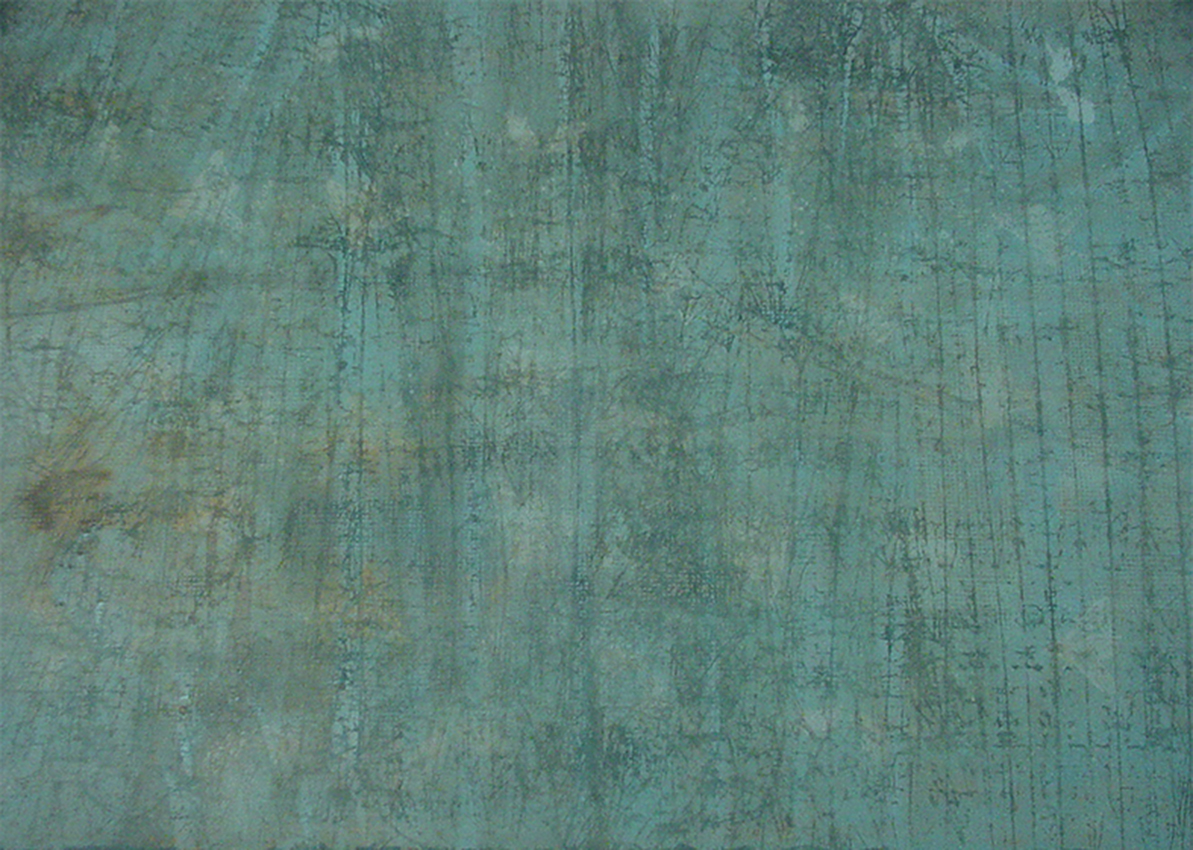
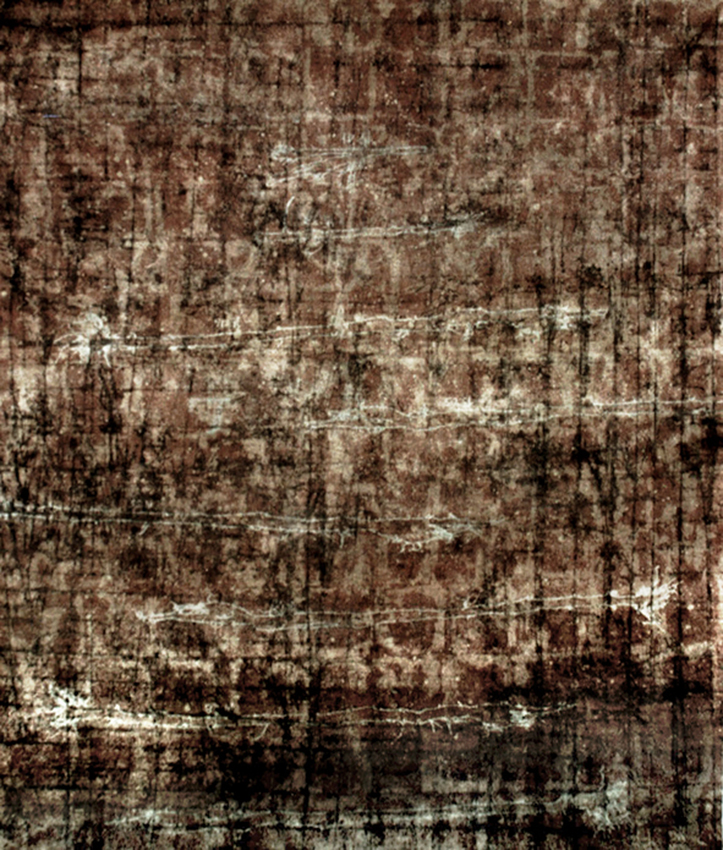
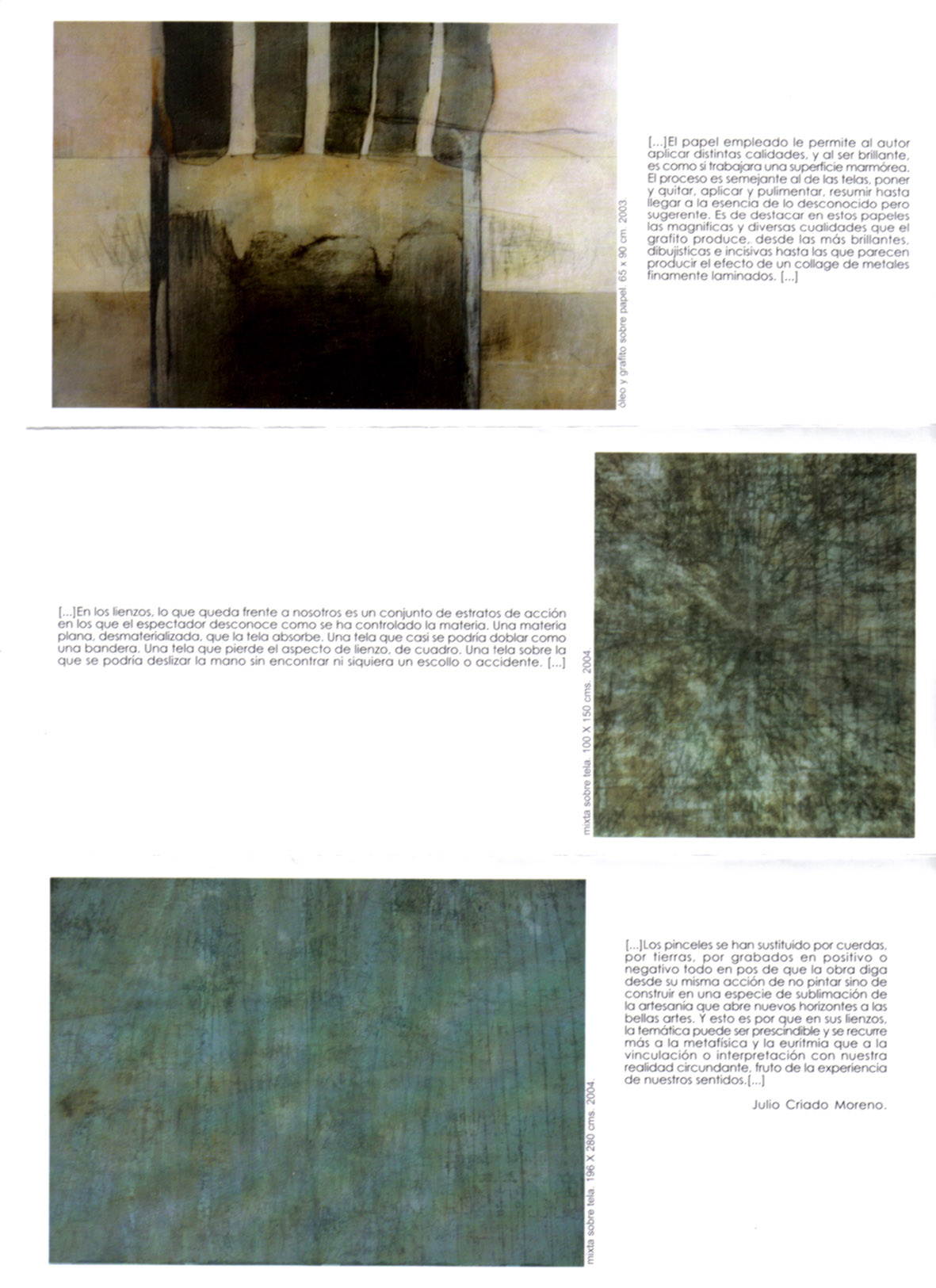
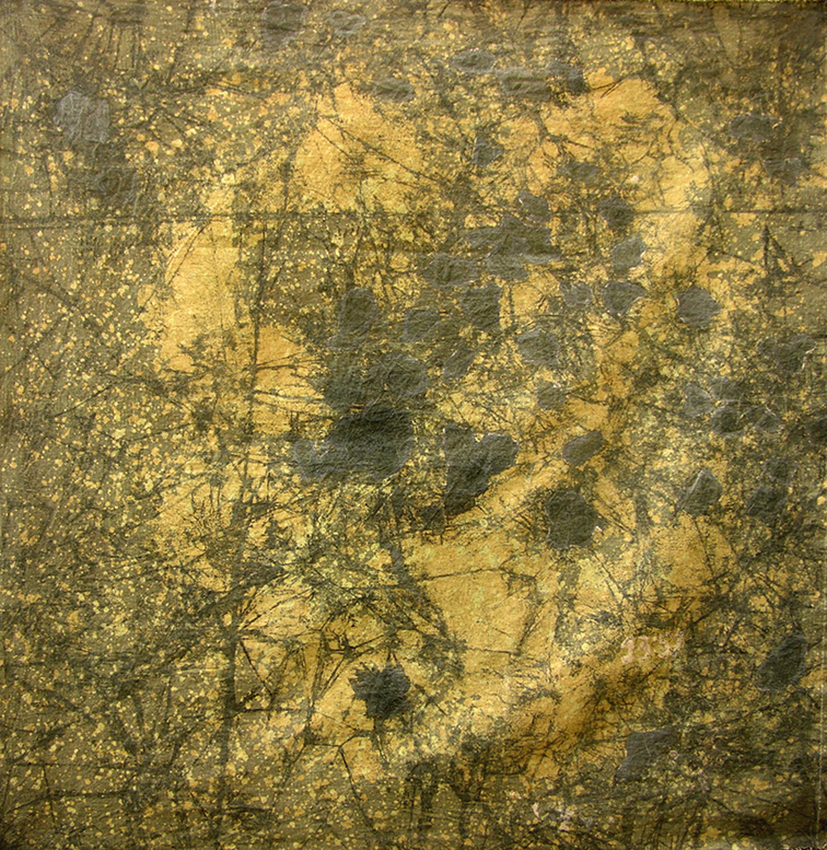
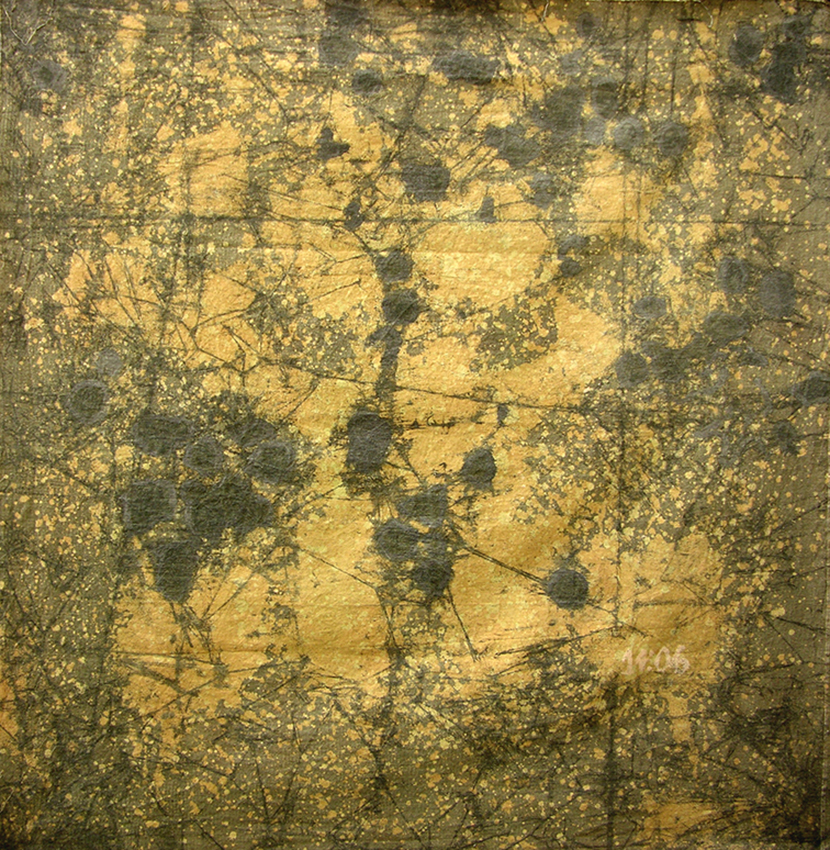
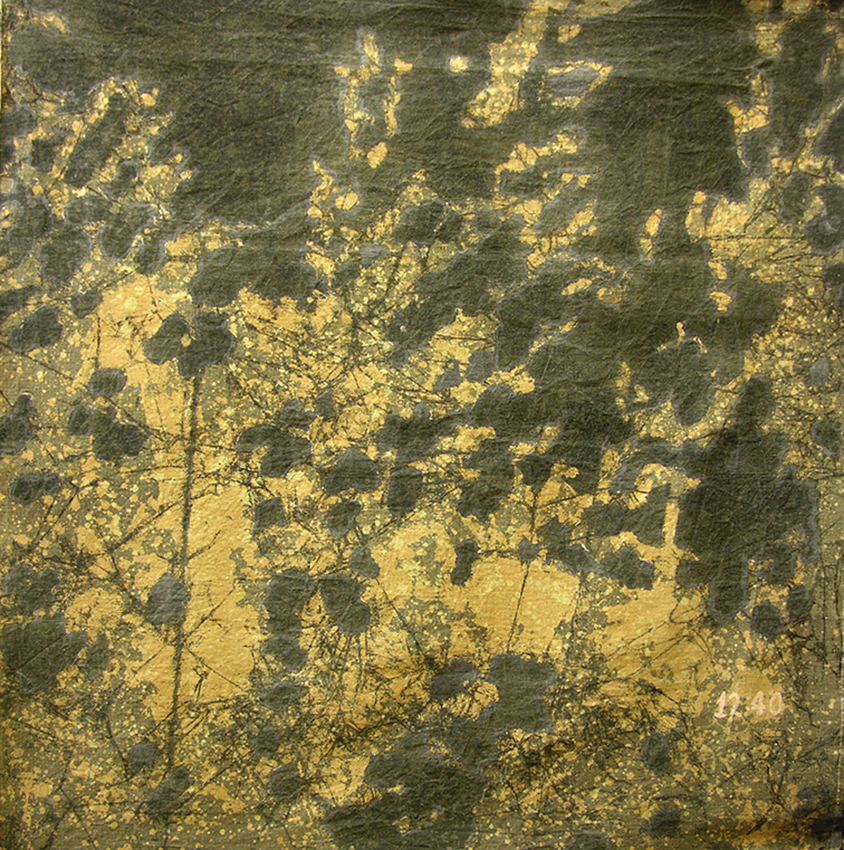
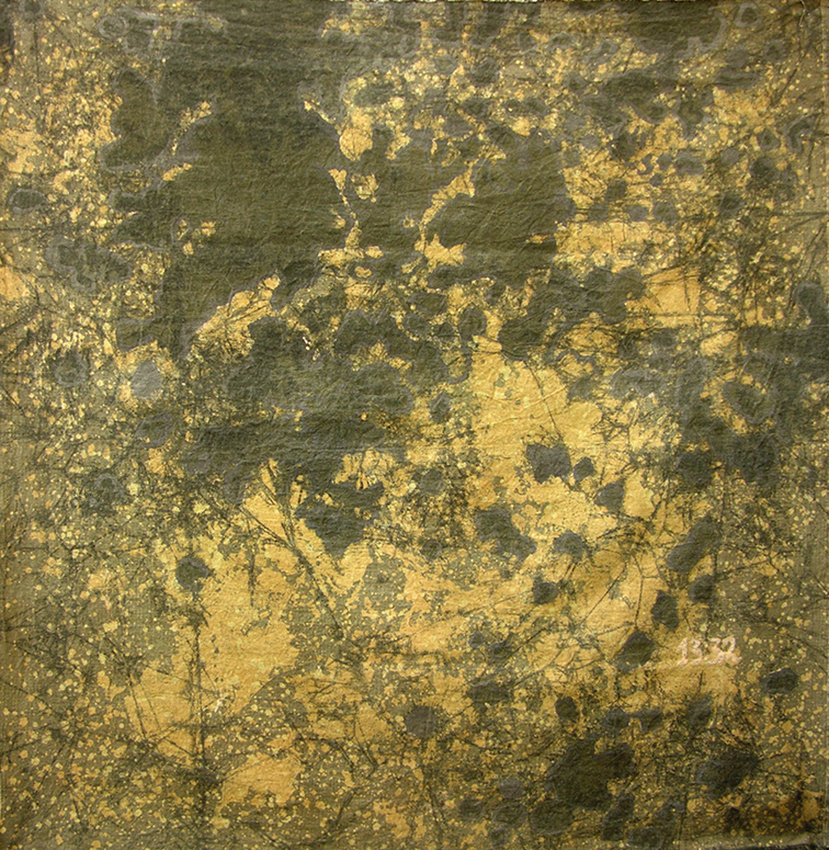
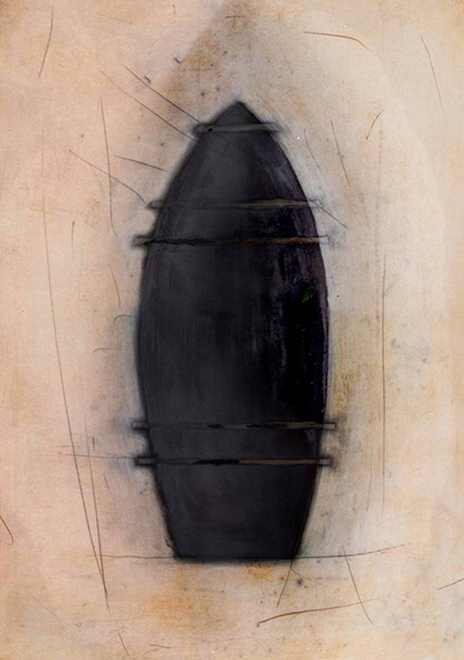
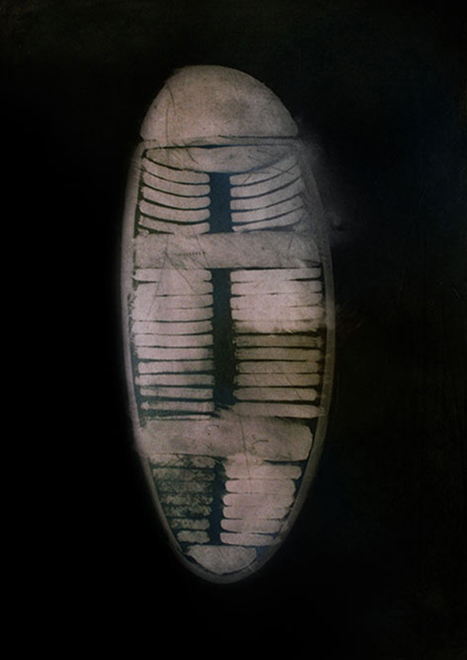
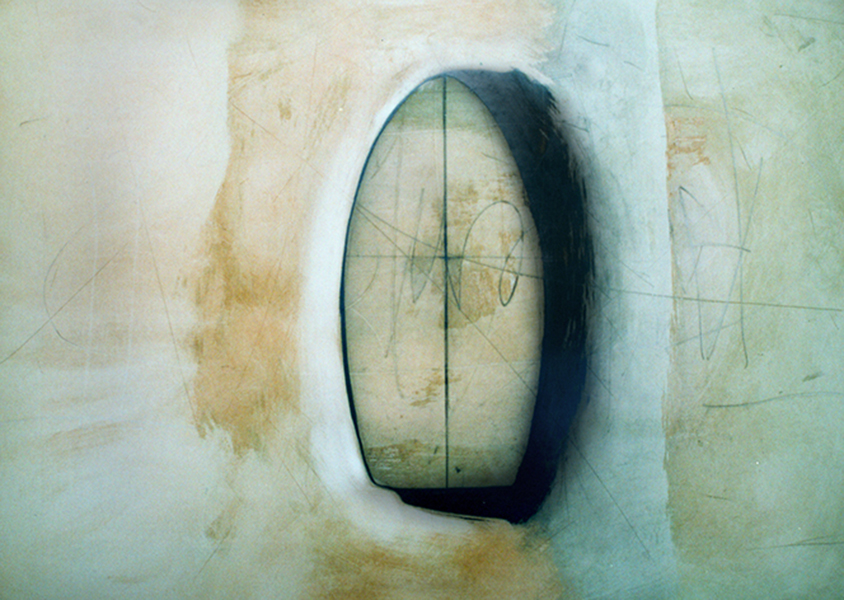
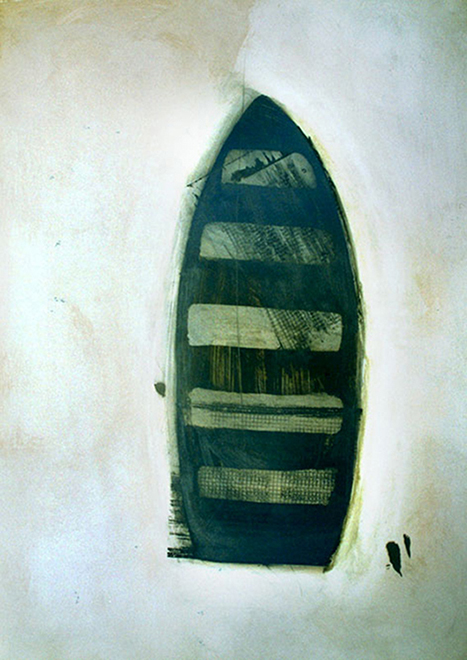
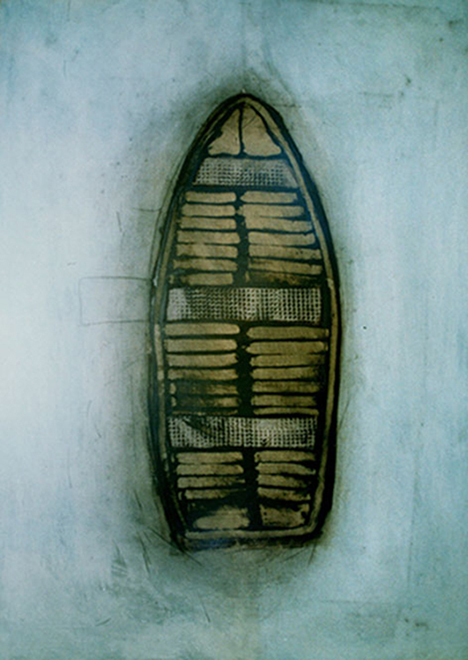
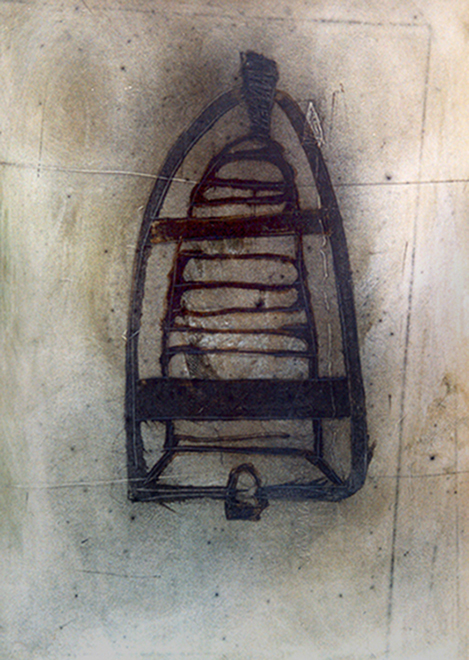
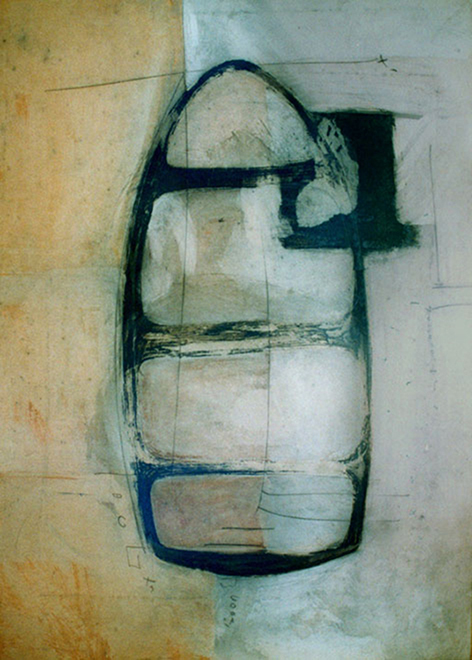
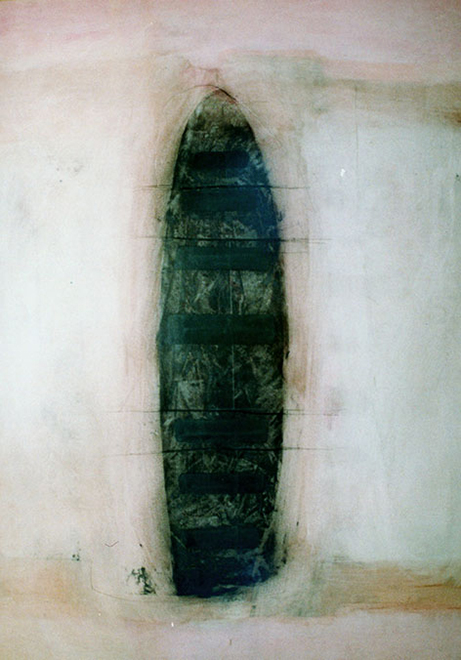
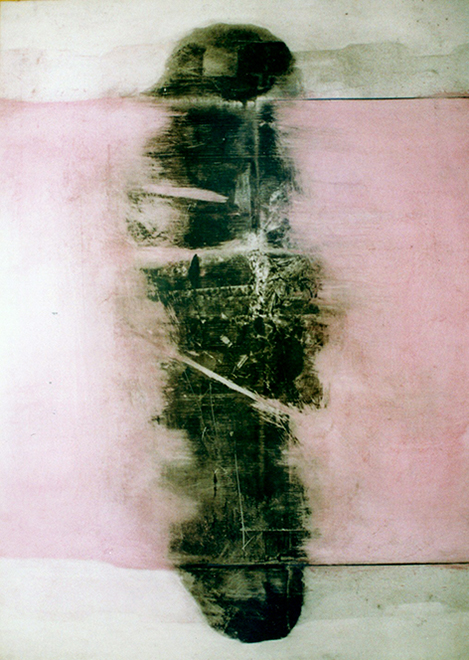
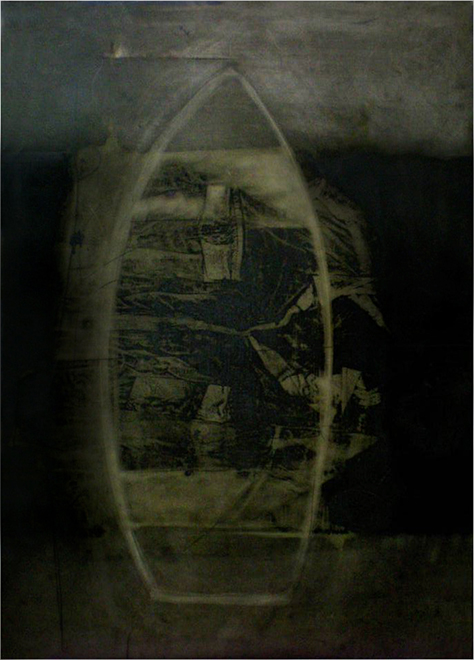
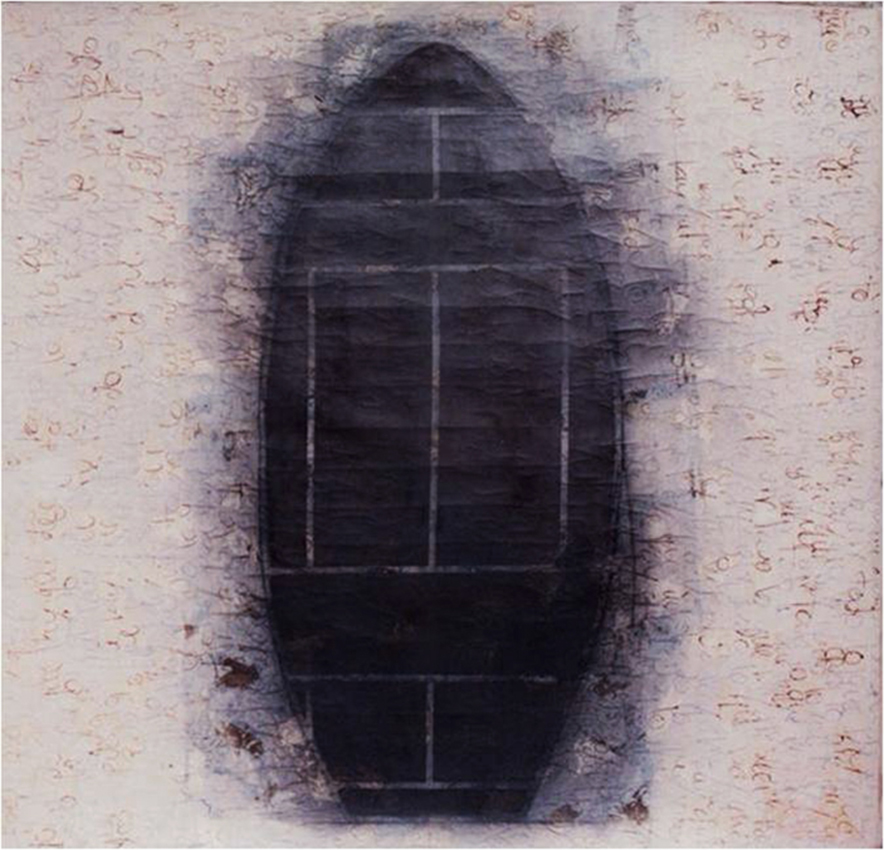
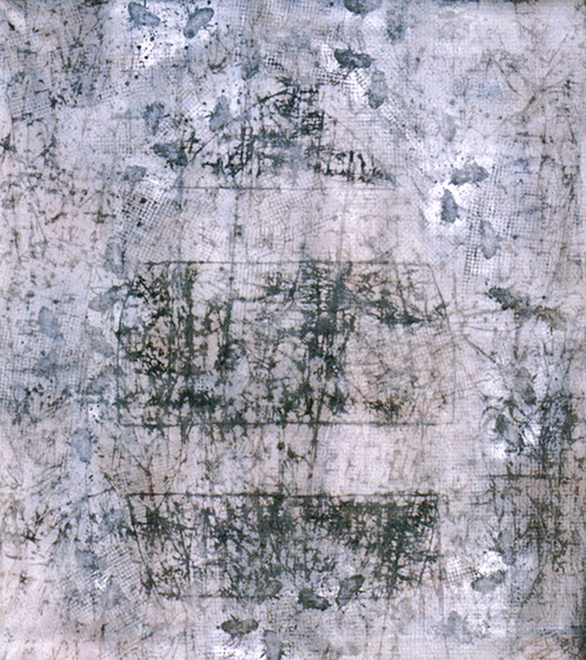
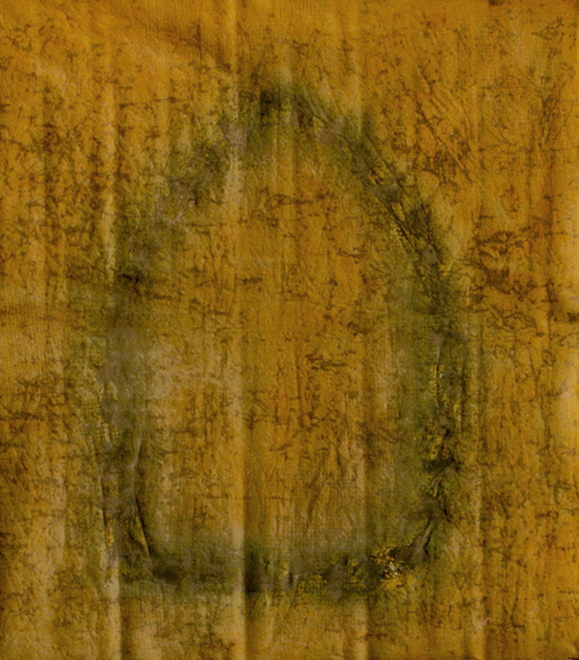
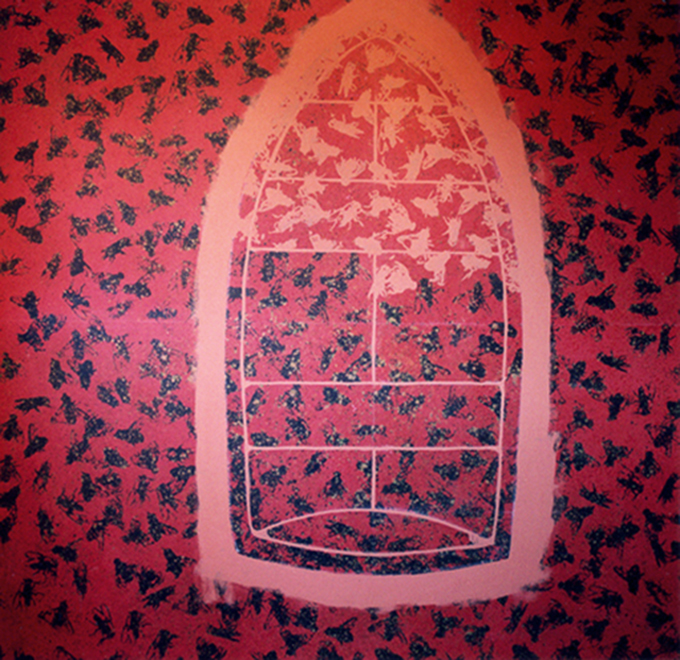
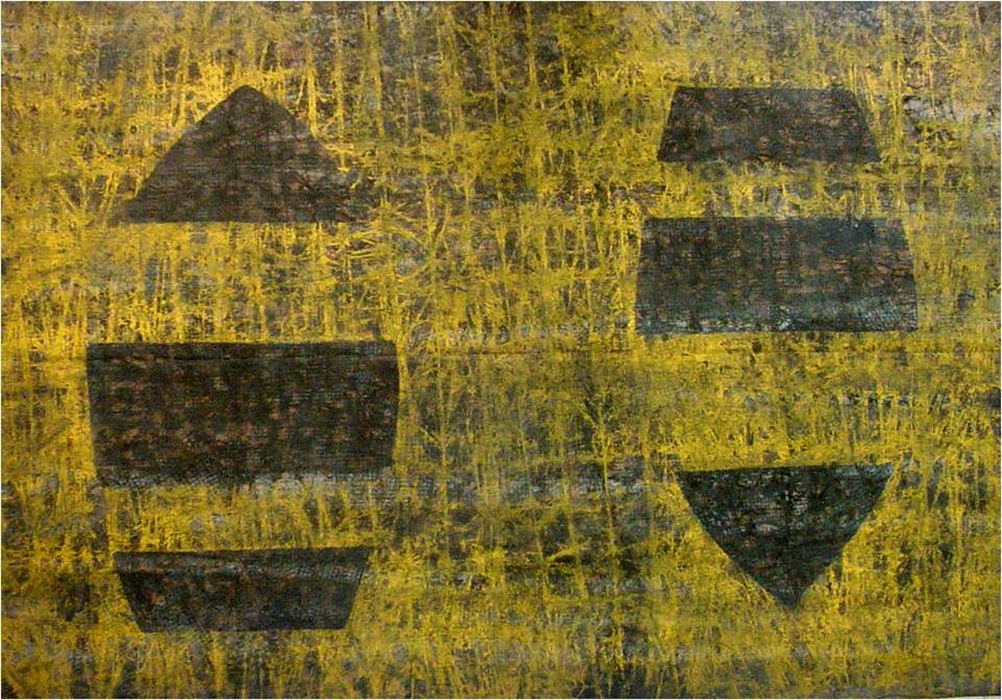
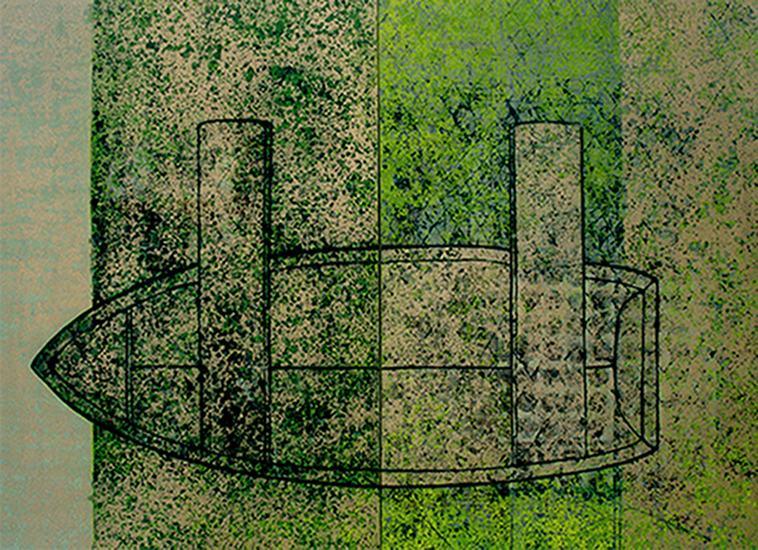
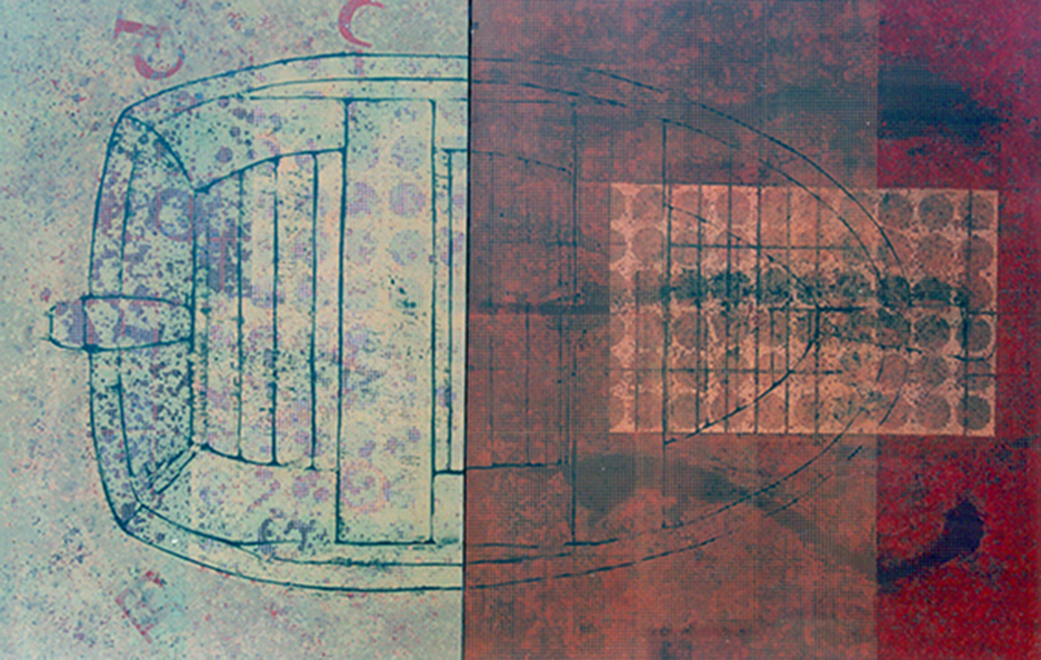
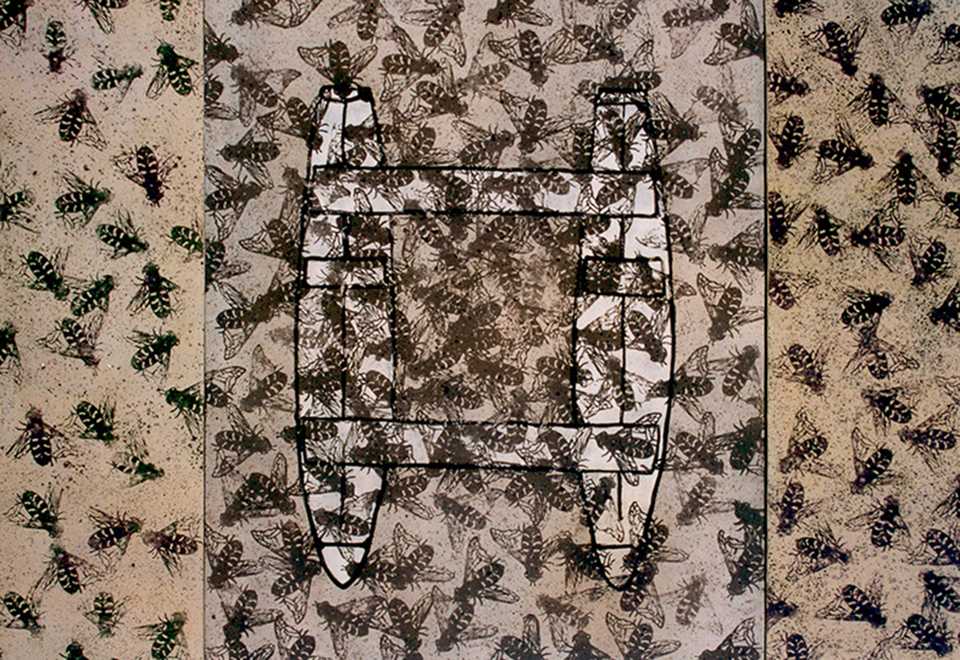
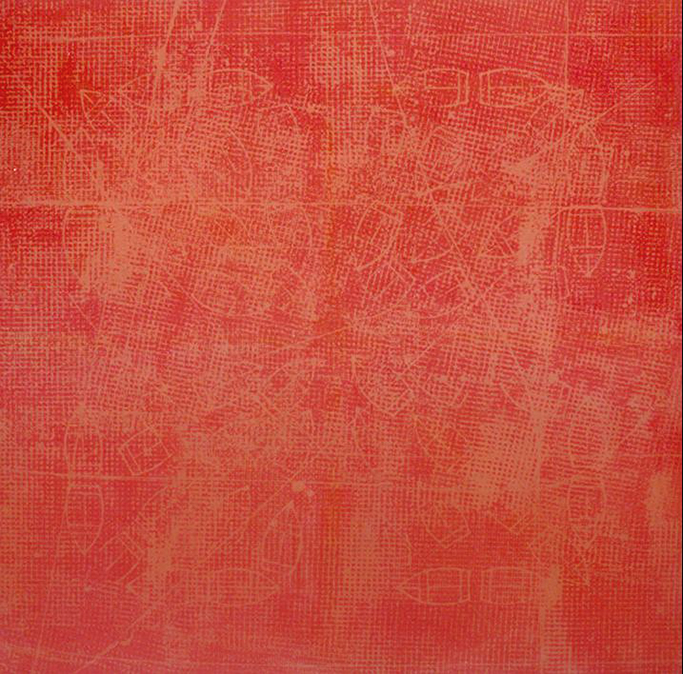
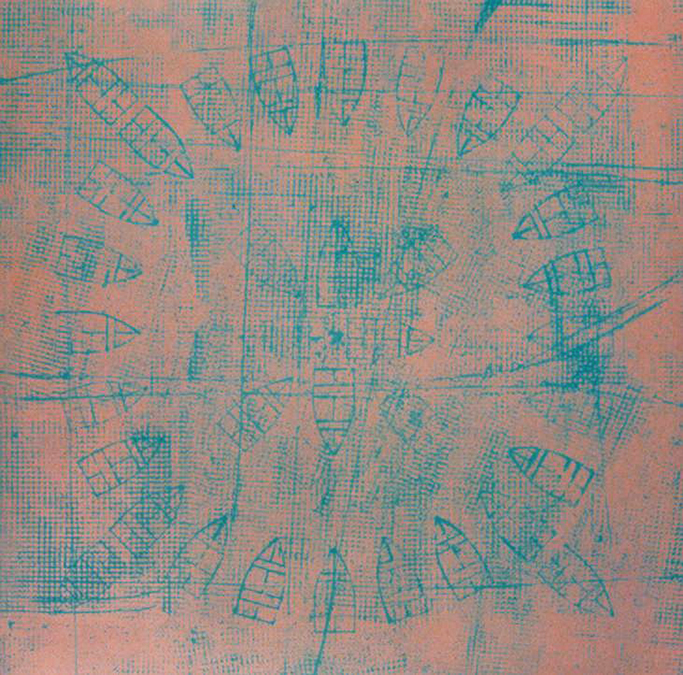
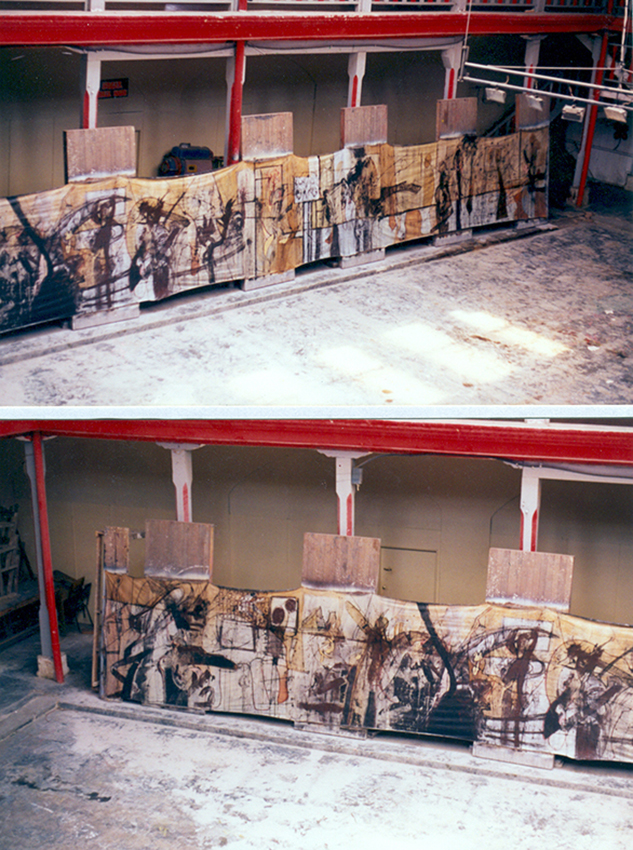
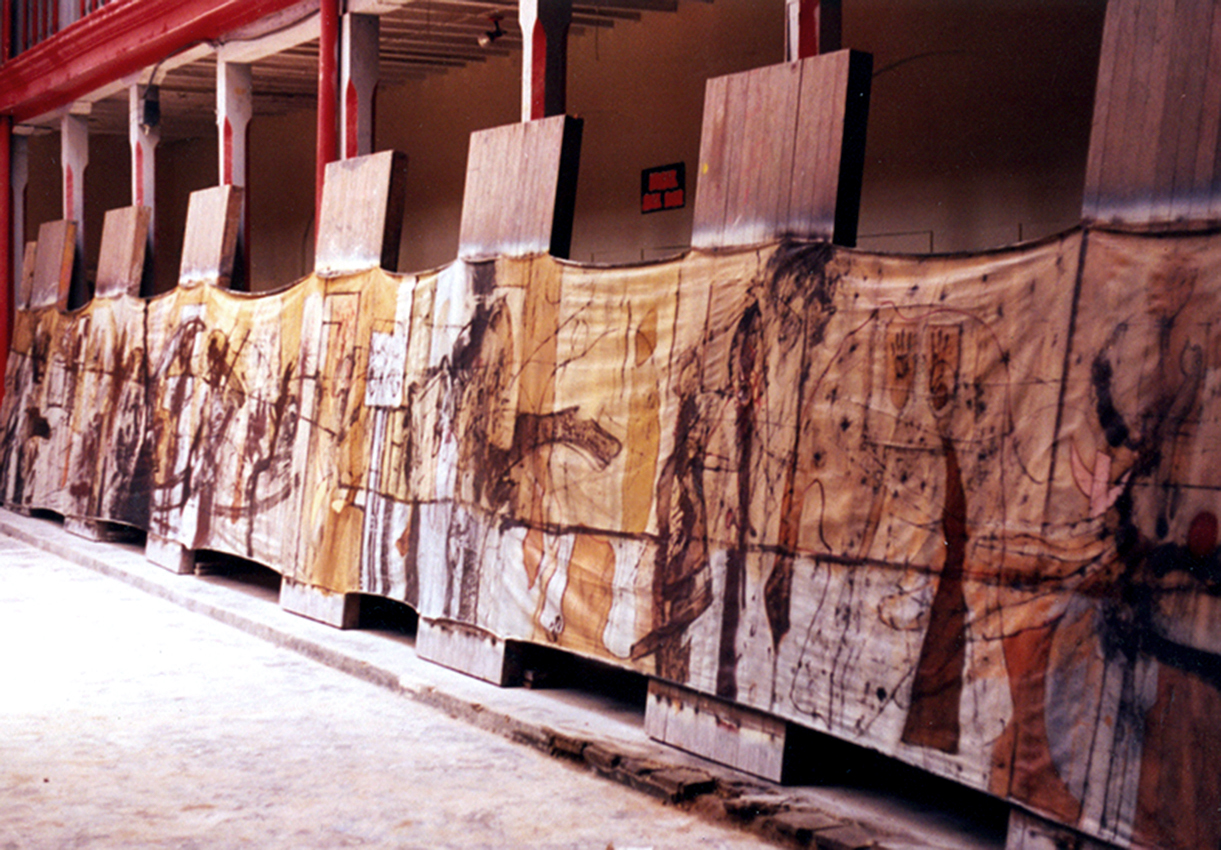
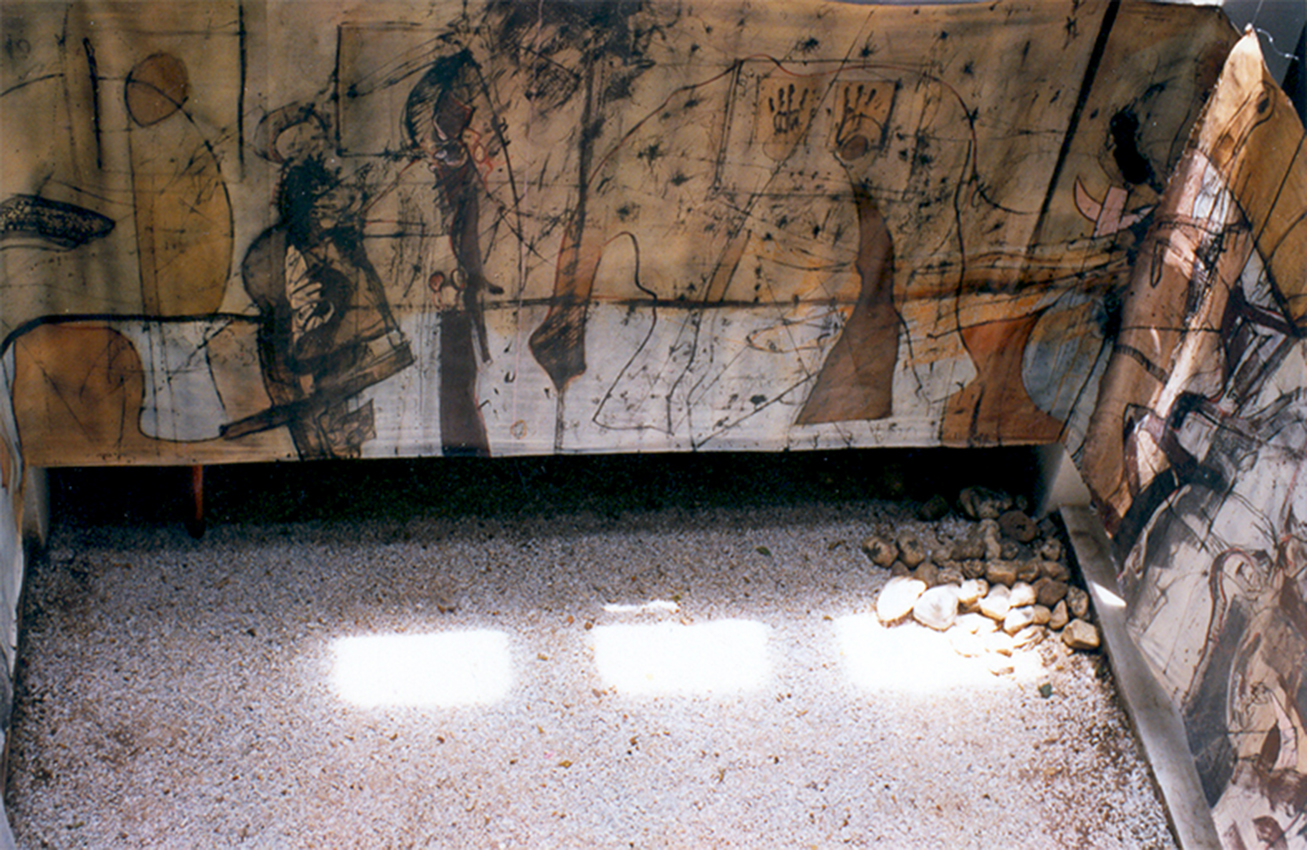
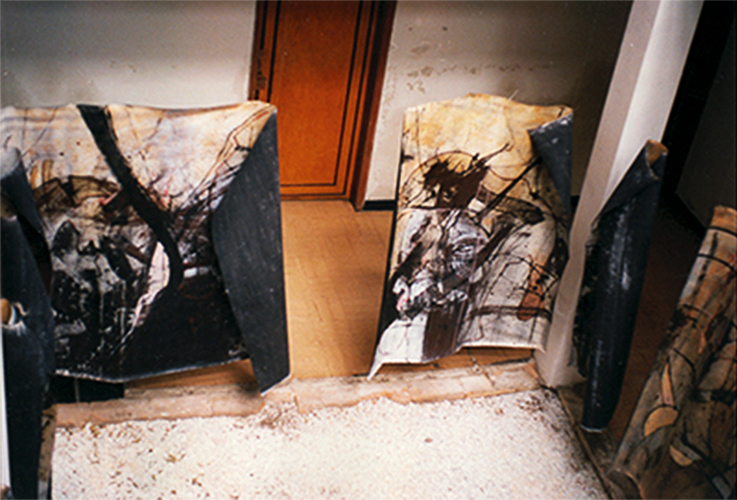
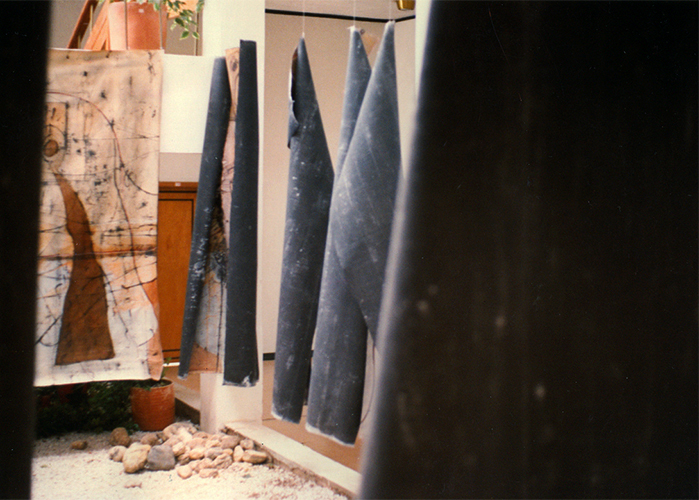
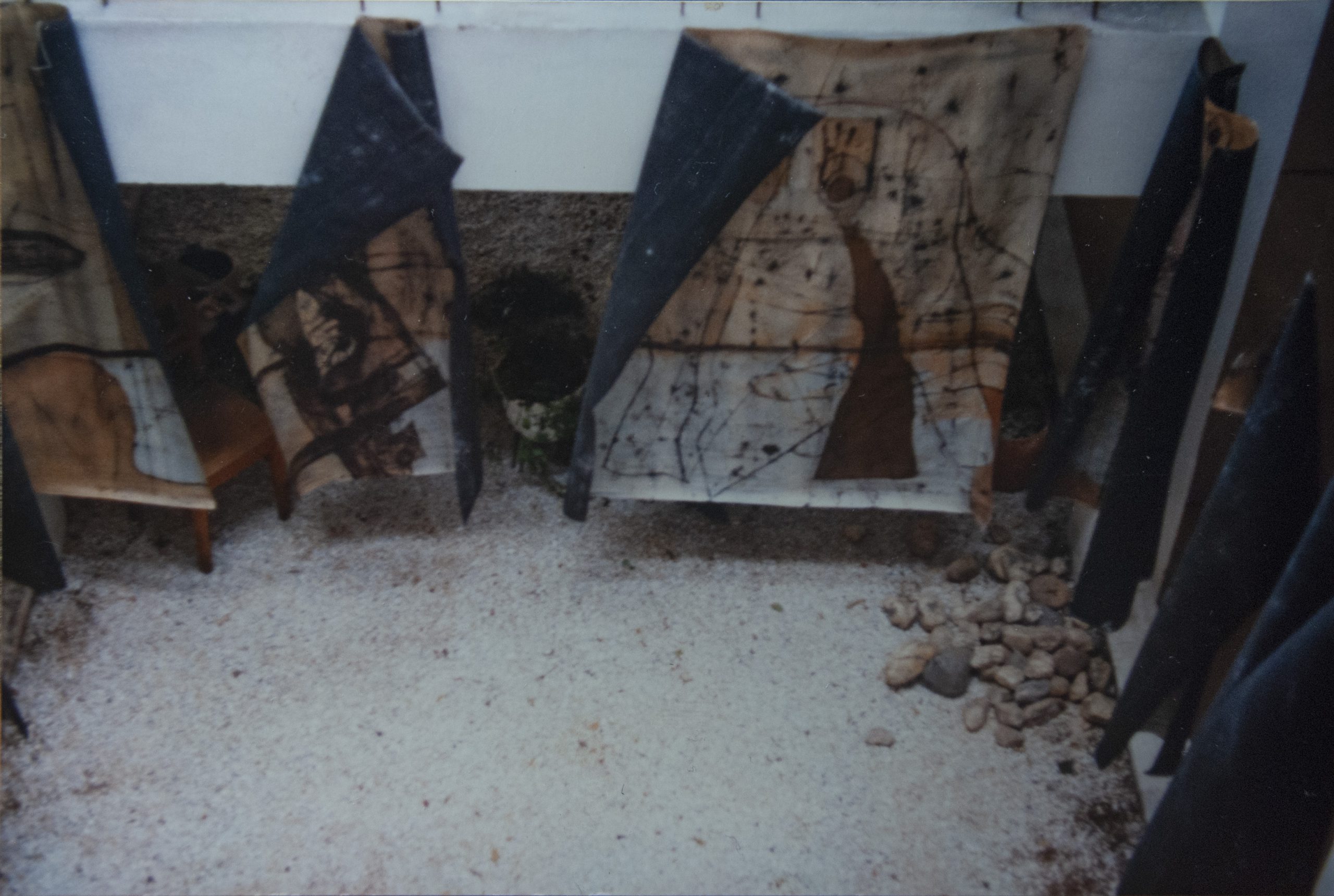
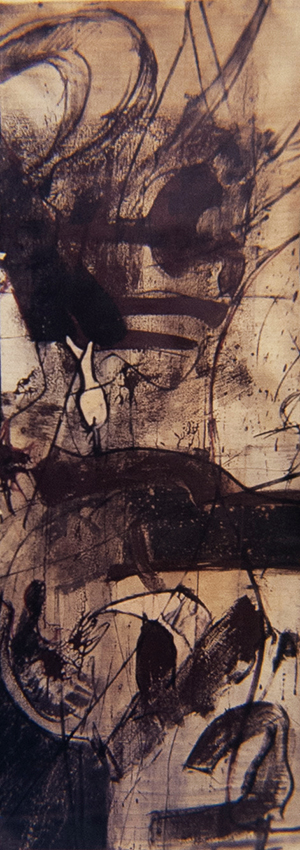
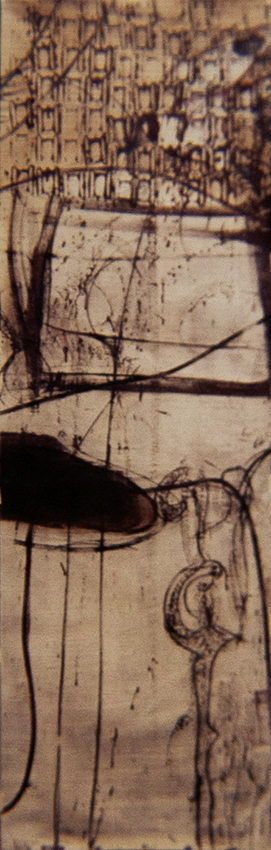
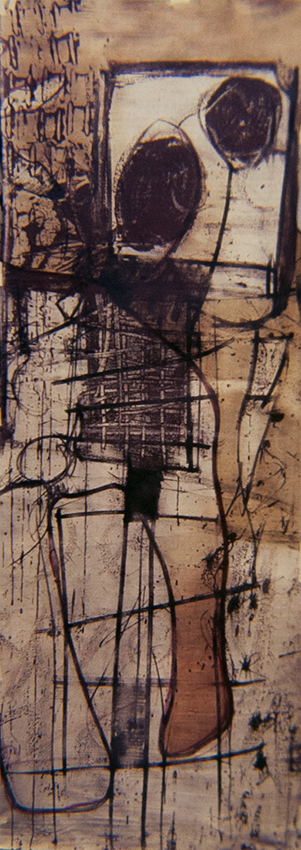
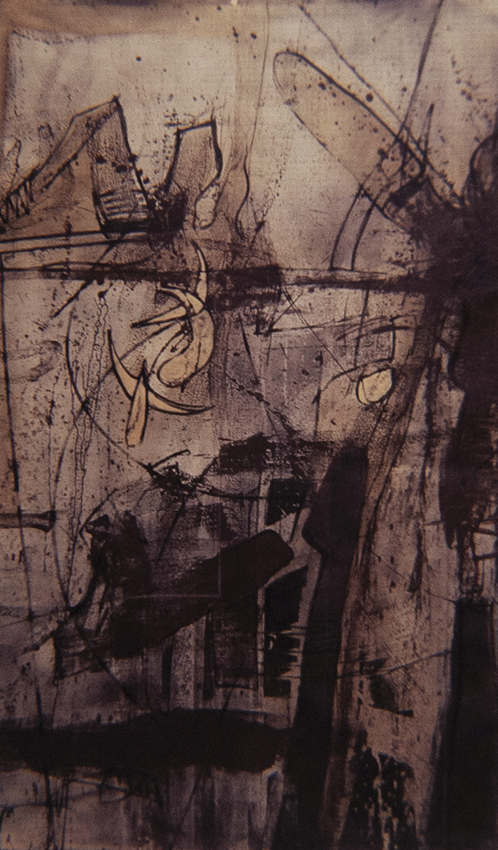
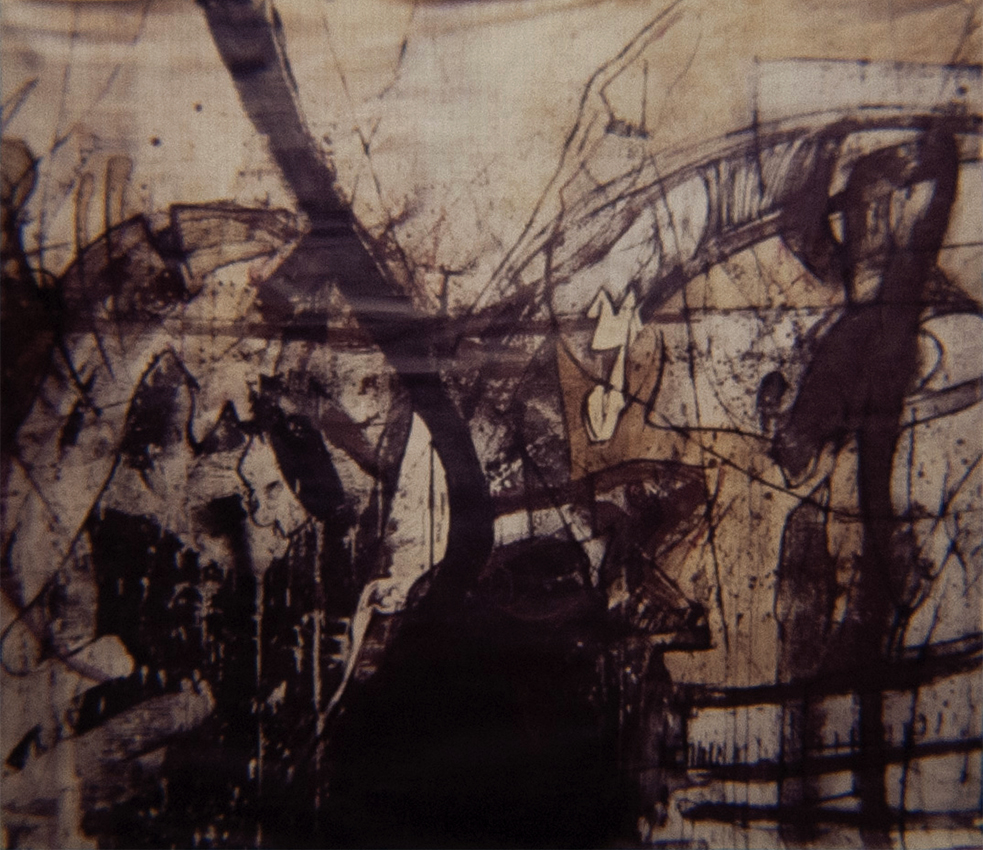
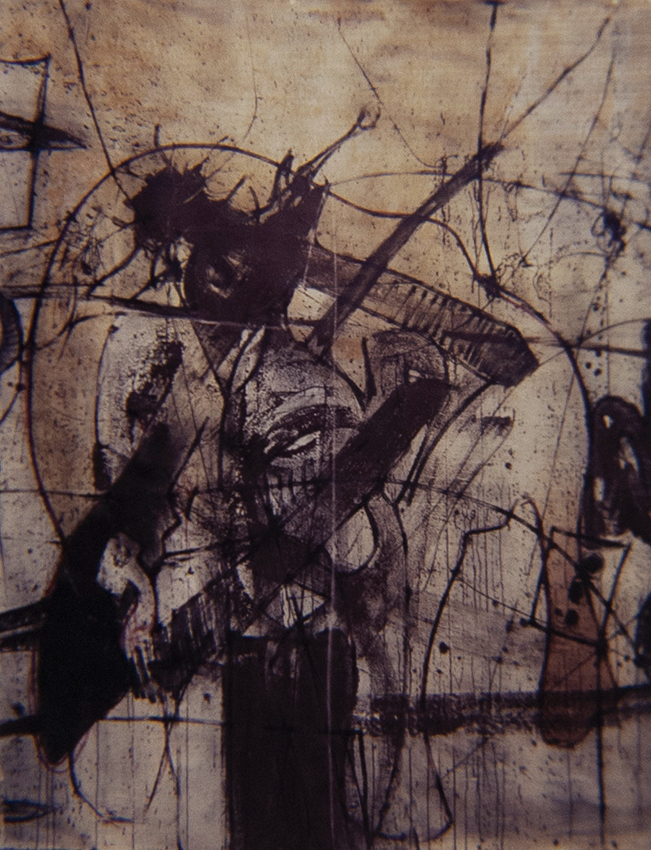
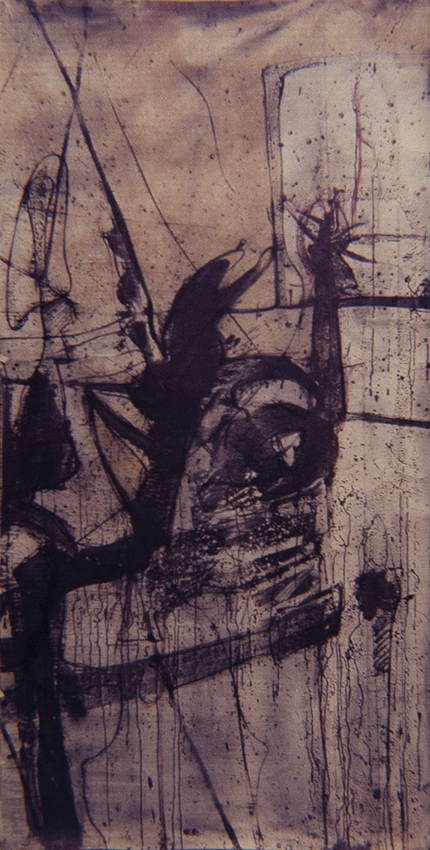
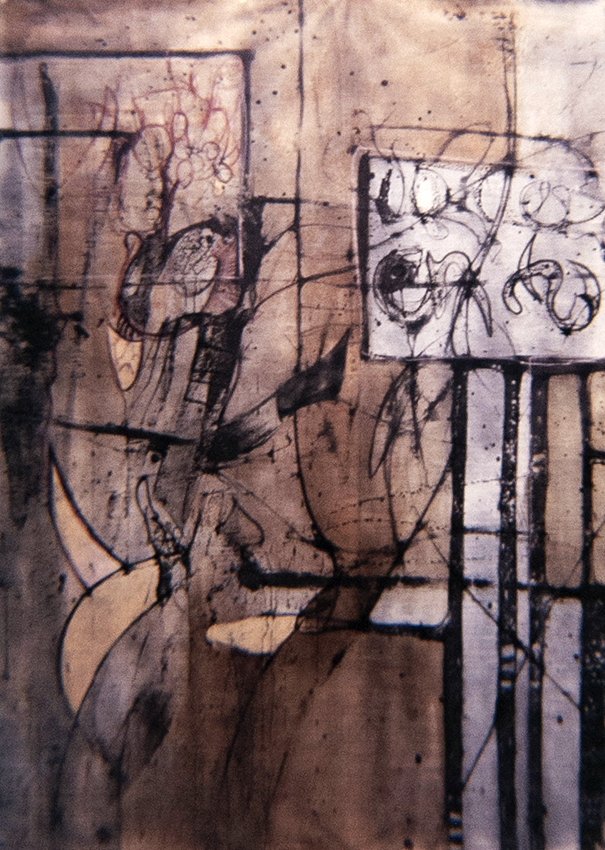
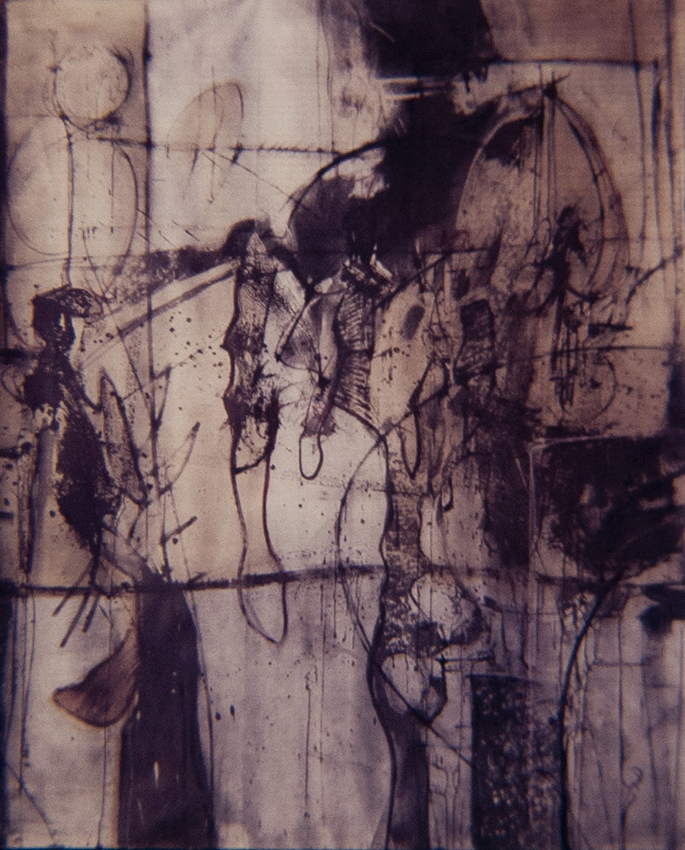
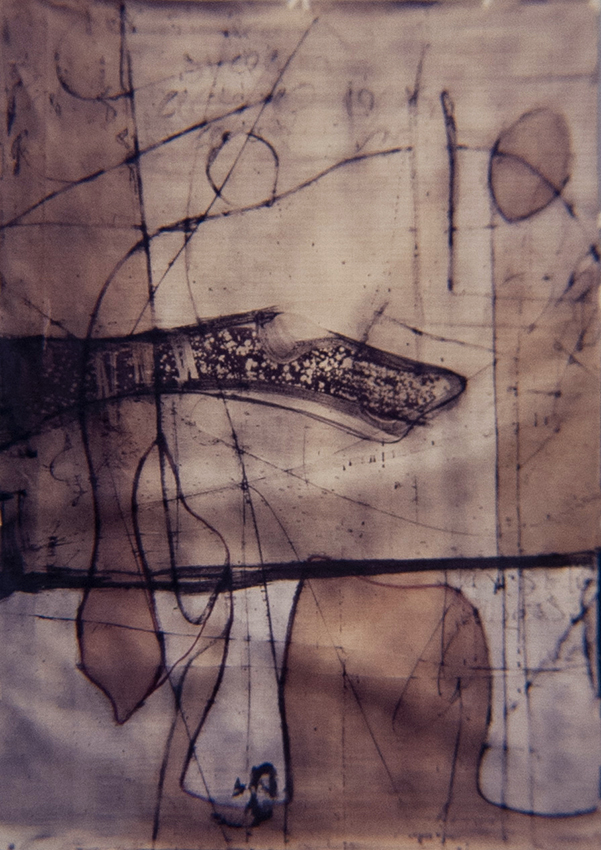
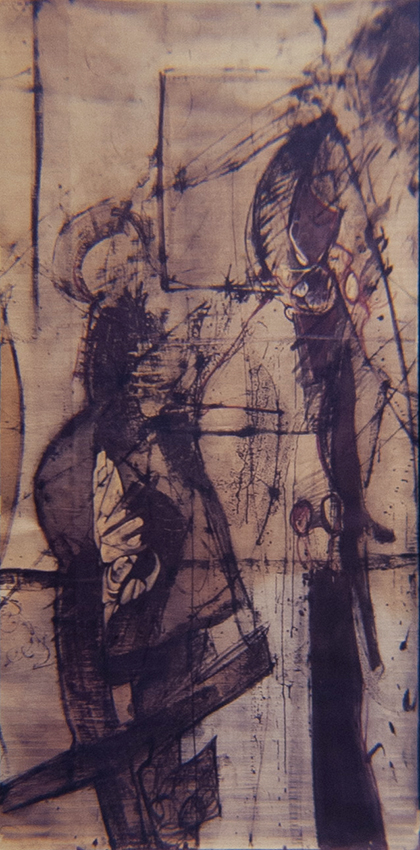
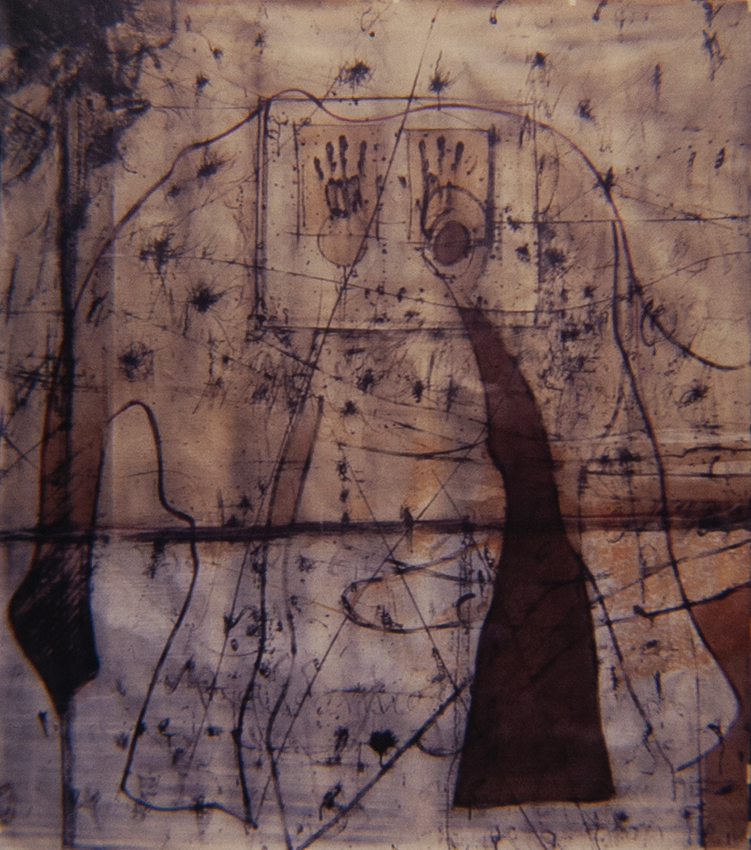
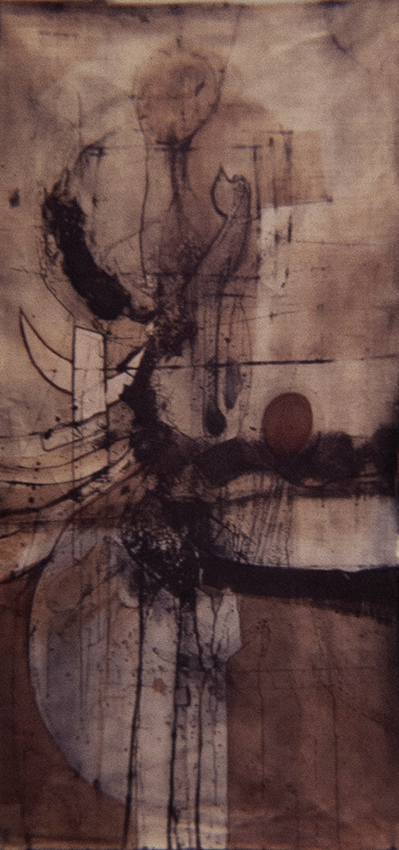
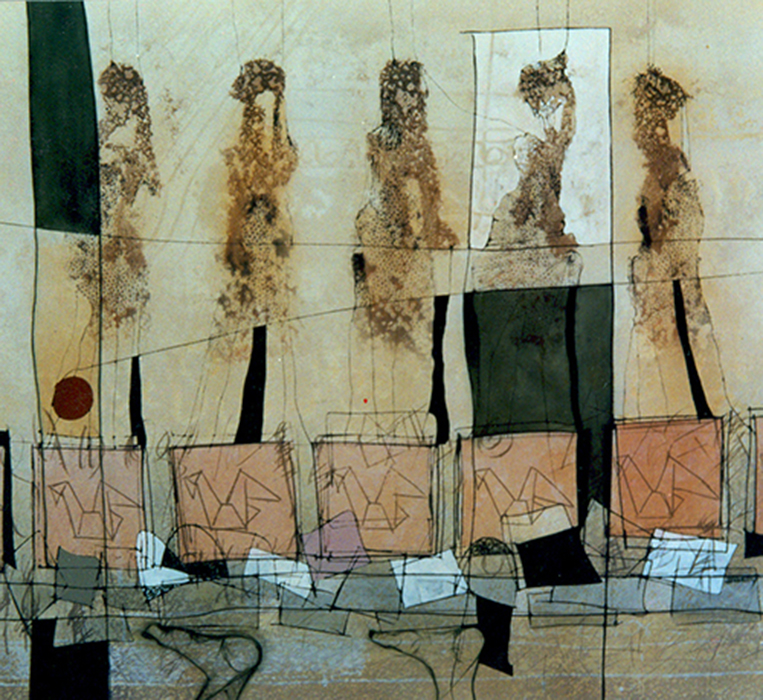
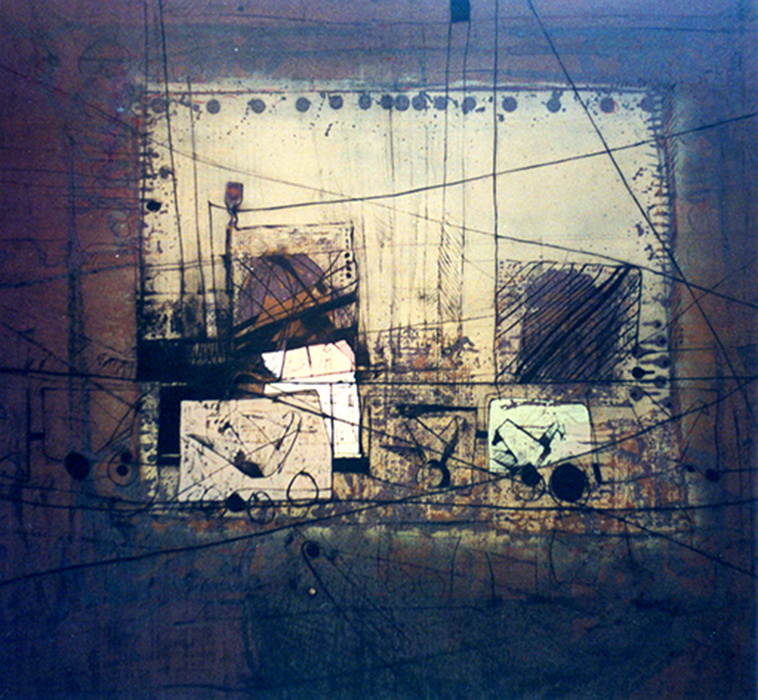
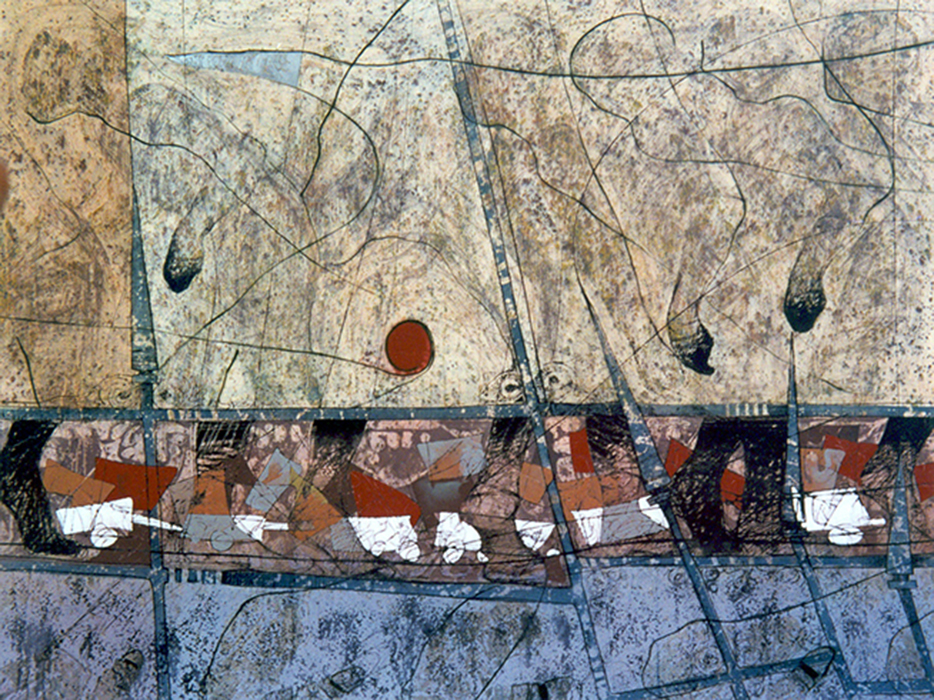
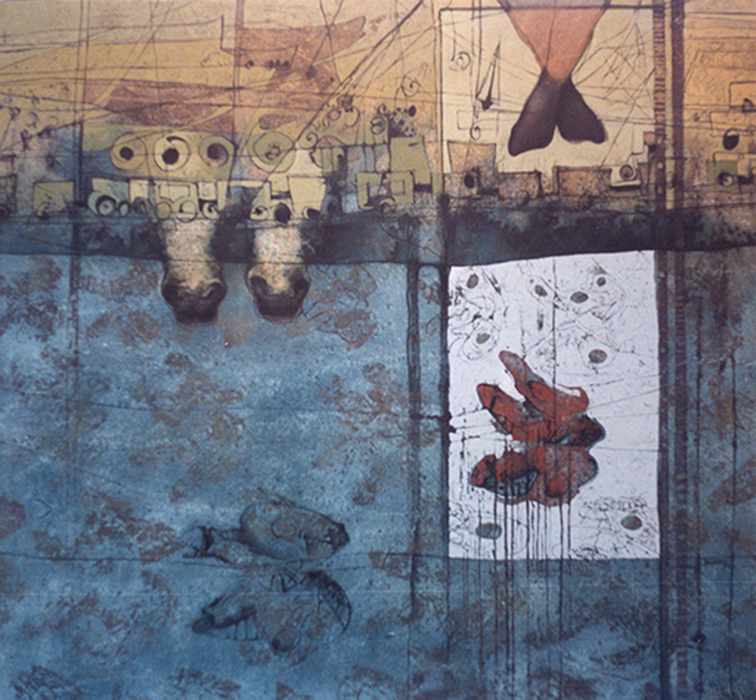
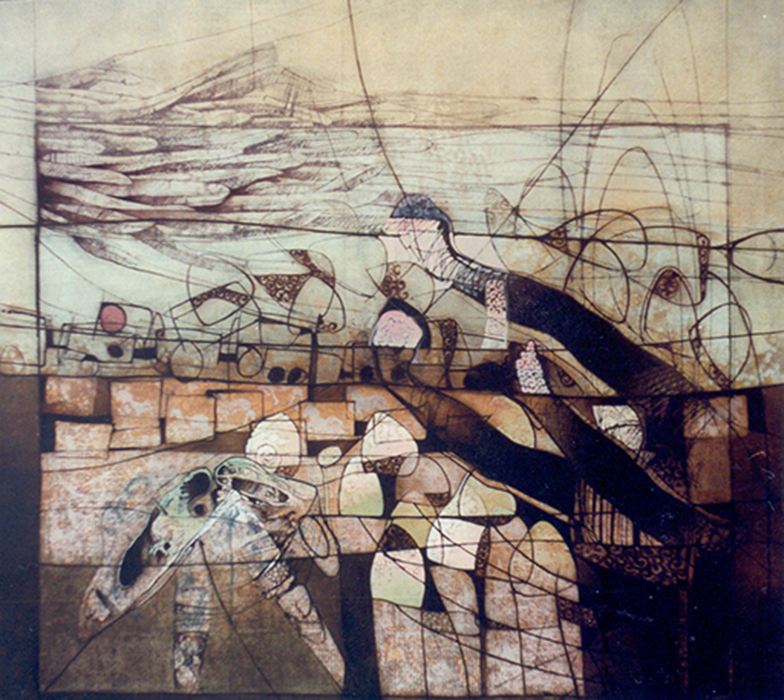
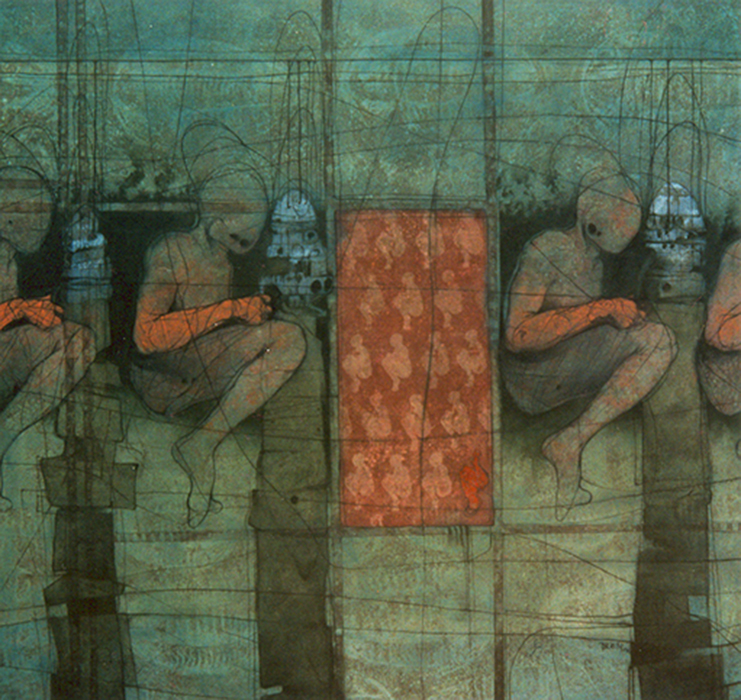
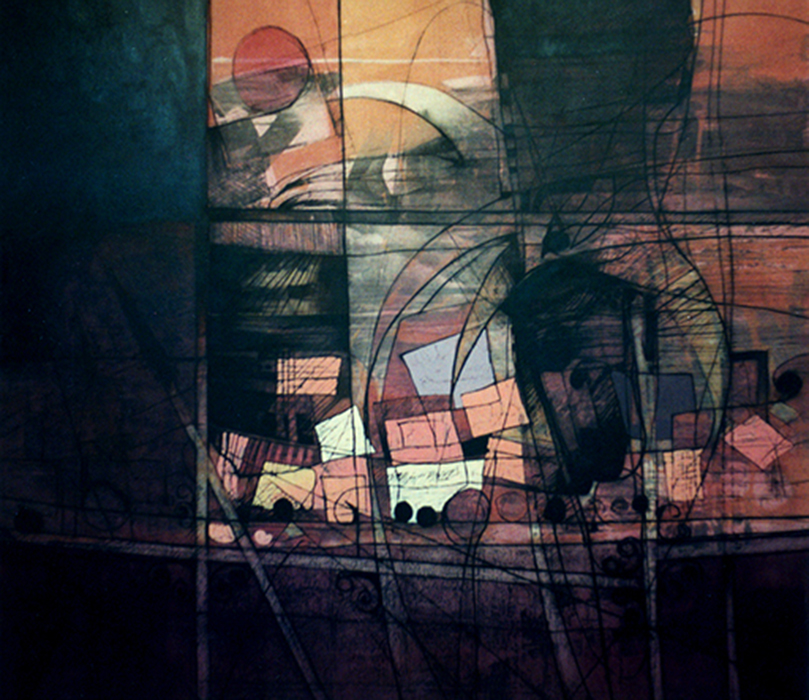
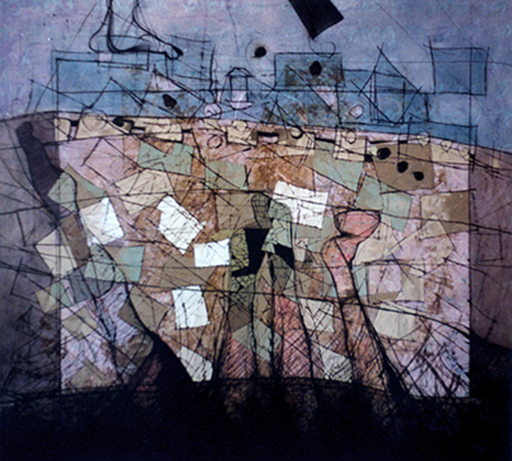
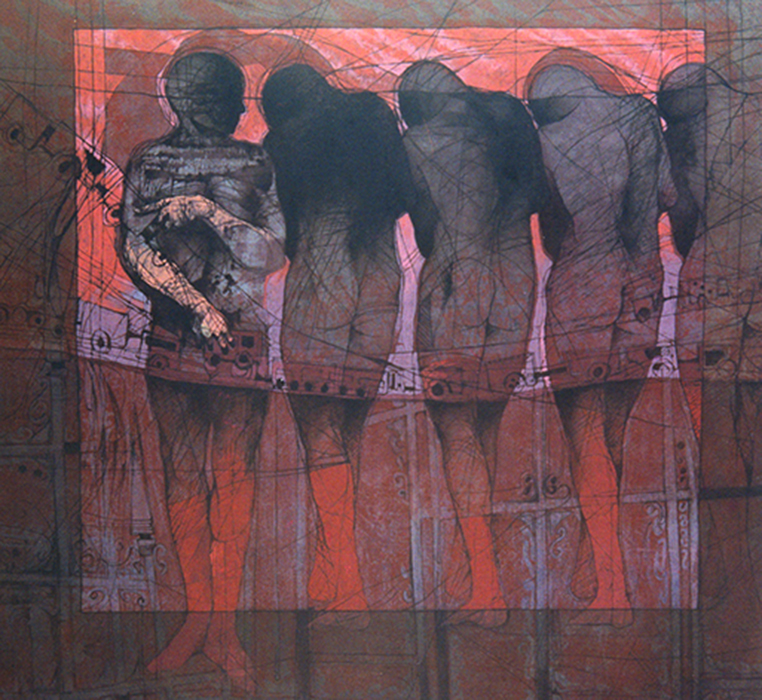
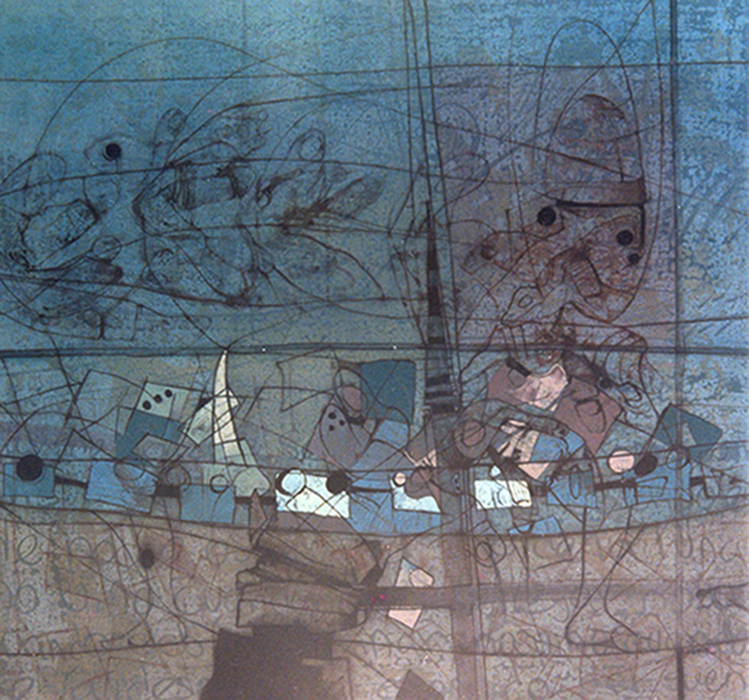
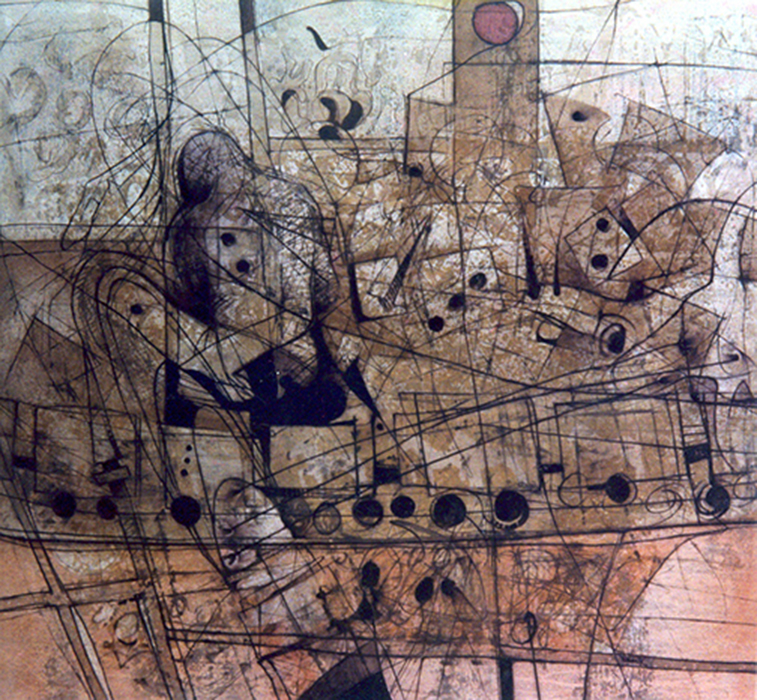
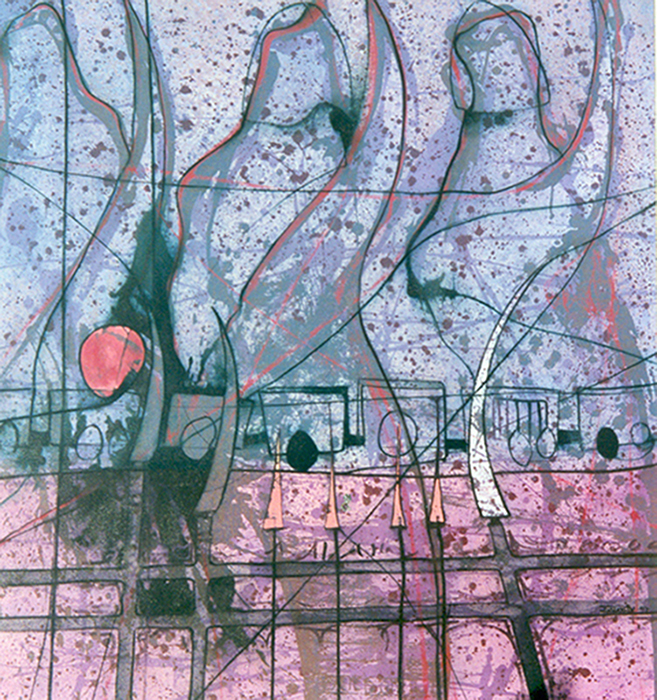
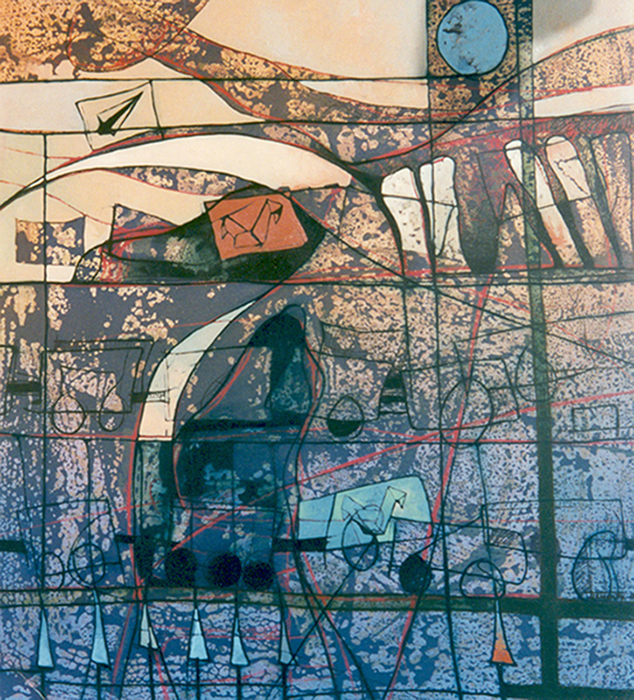
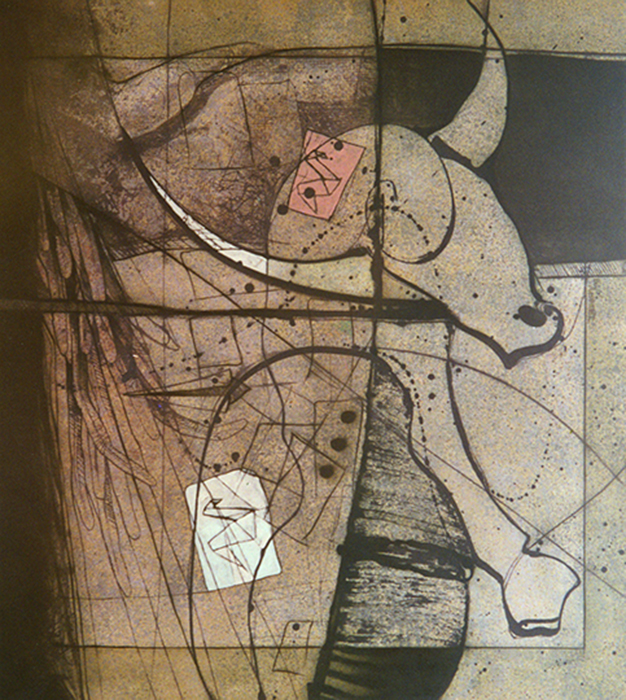
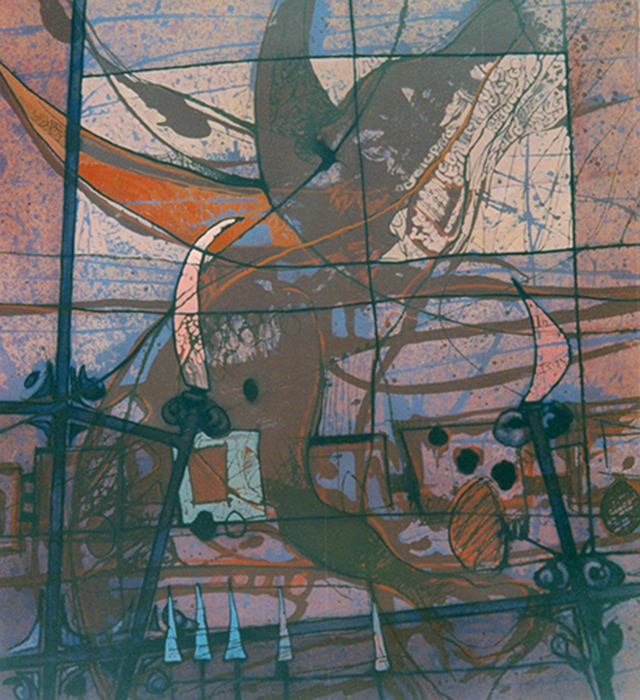
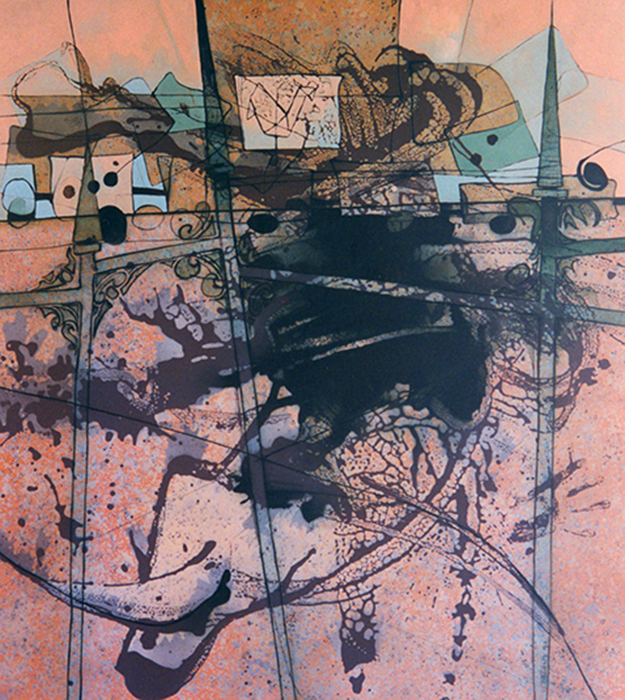
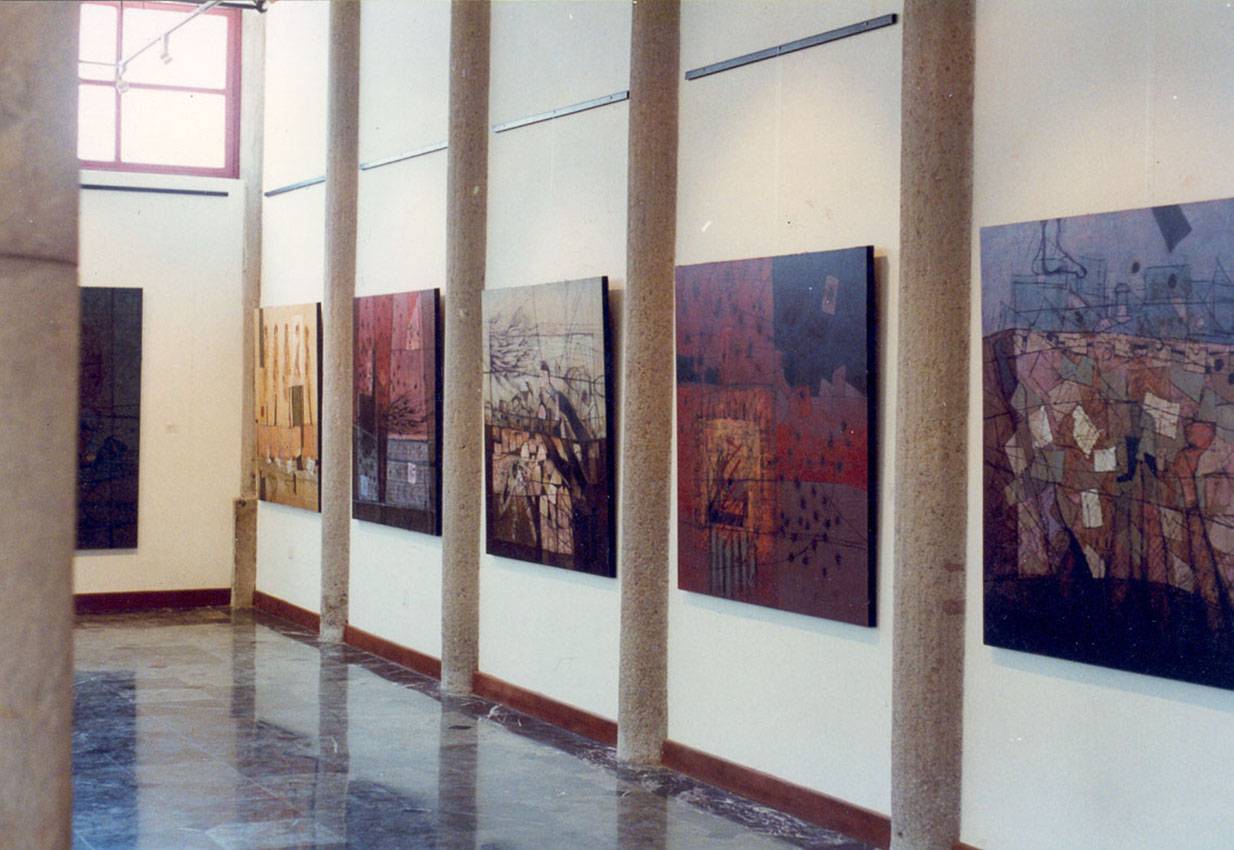
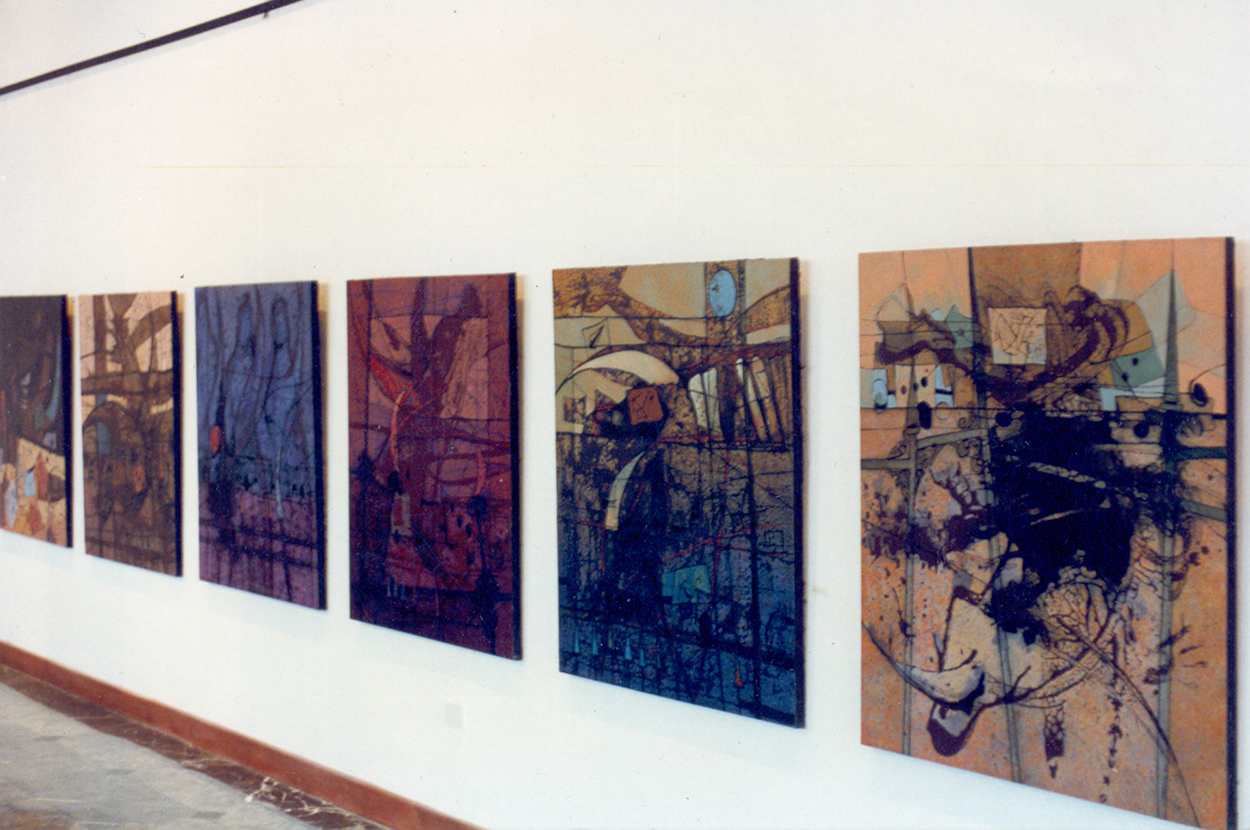
The canvases are piled up in the windows in the artist's studio, like in a souk shop. In the clutter, the orderly chaos of the bazaar, Insuasty recognises each piece and searches for it with the same eagerness of a trader who's found a customer. He describes its virtues as he slowly unwraps it, and then you get the visual impact of its colour and strength, the power of its dimensions, the simplicity of the stain, until it is spread out on the dirty floor of the workshop, like a Persian rug whose craftsmanship and beauty catches the senses.
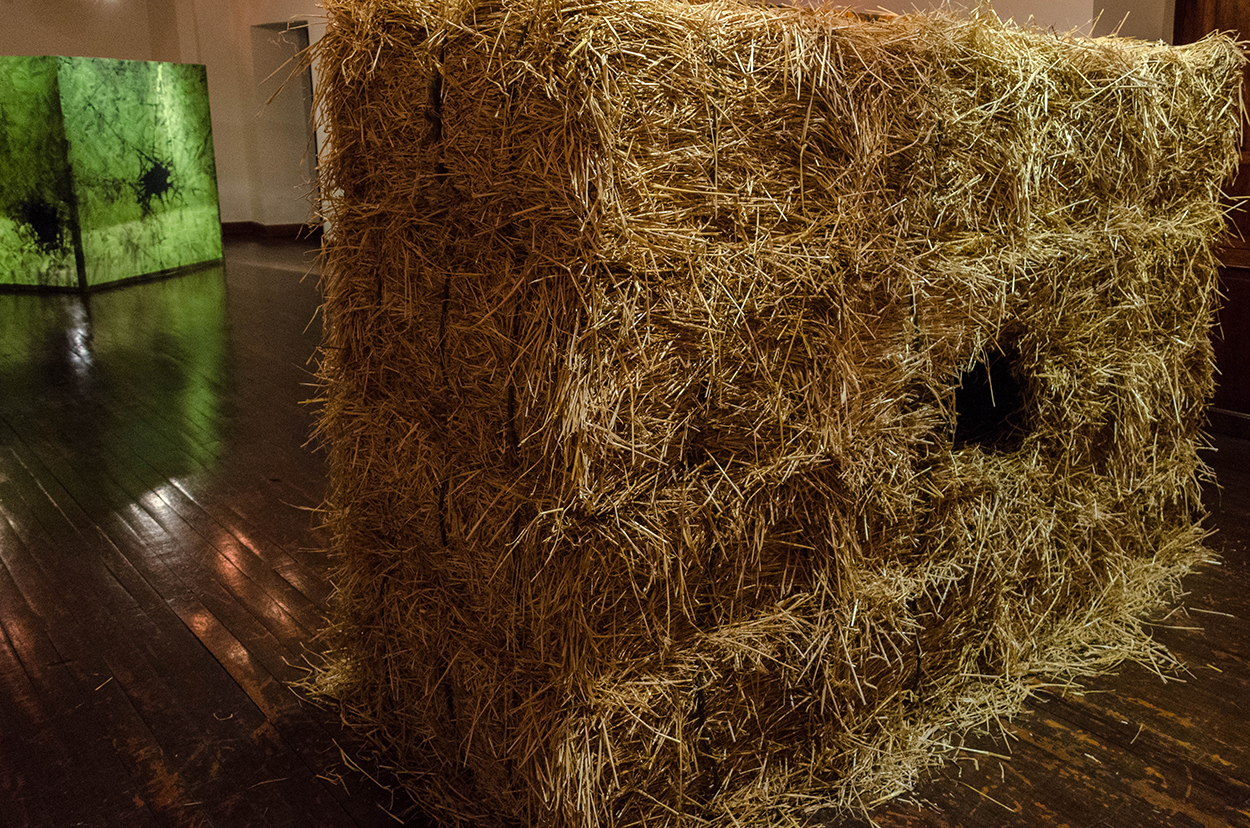
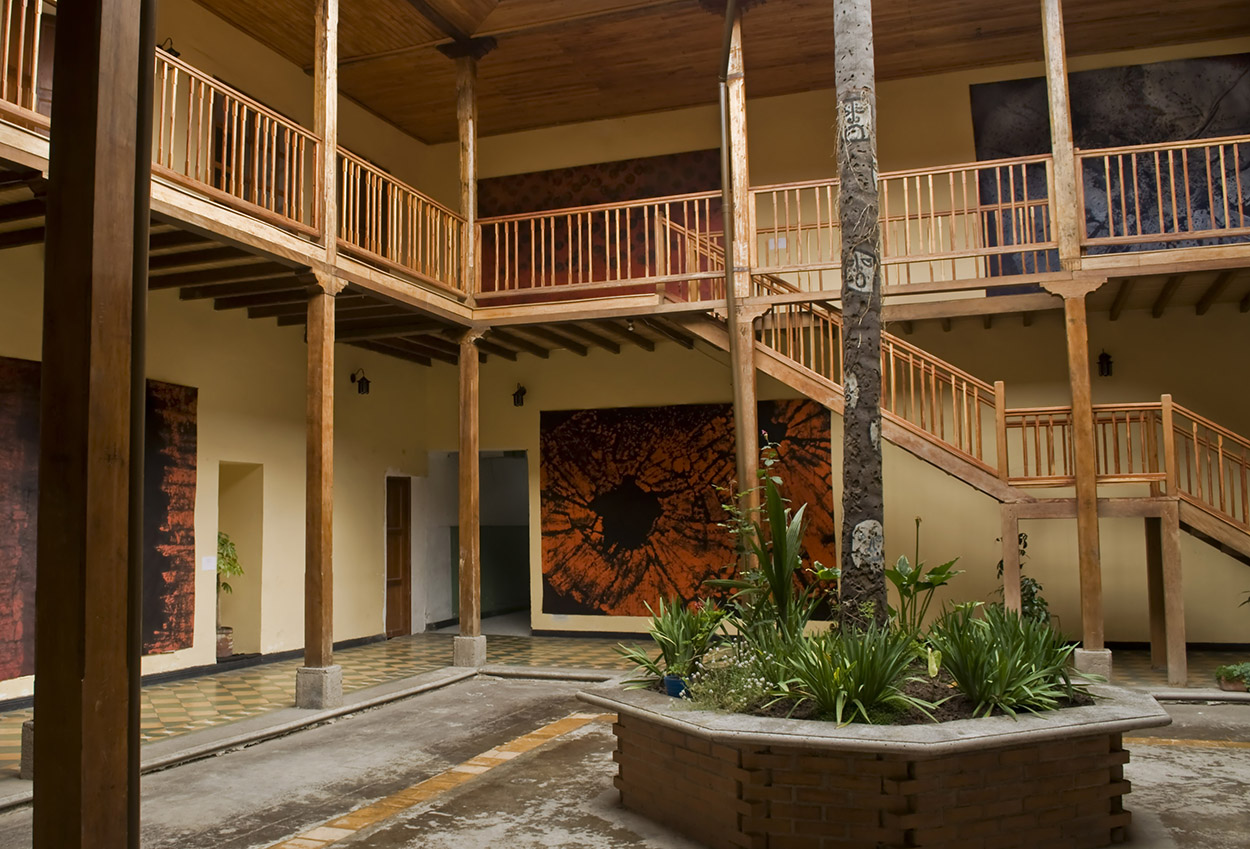
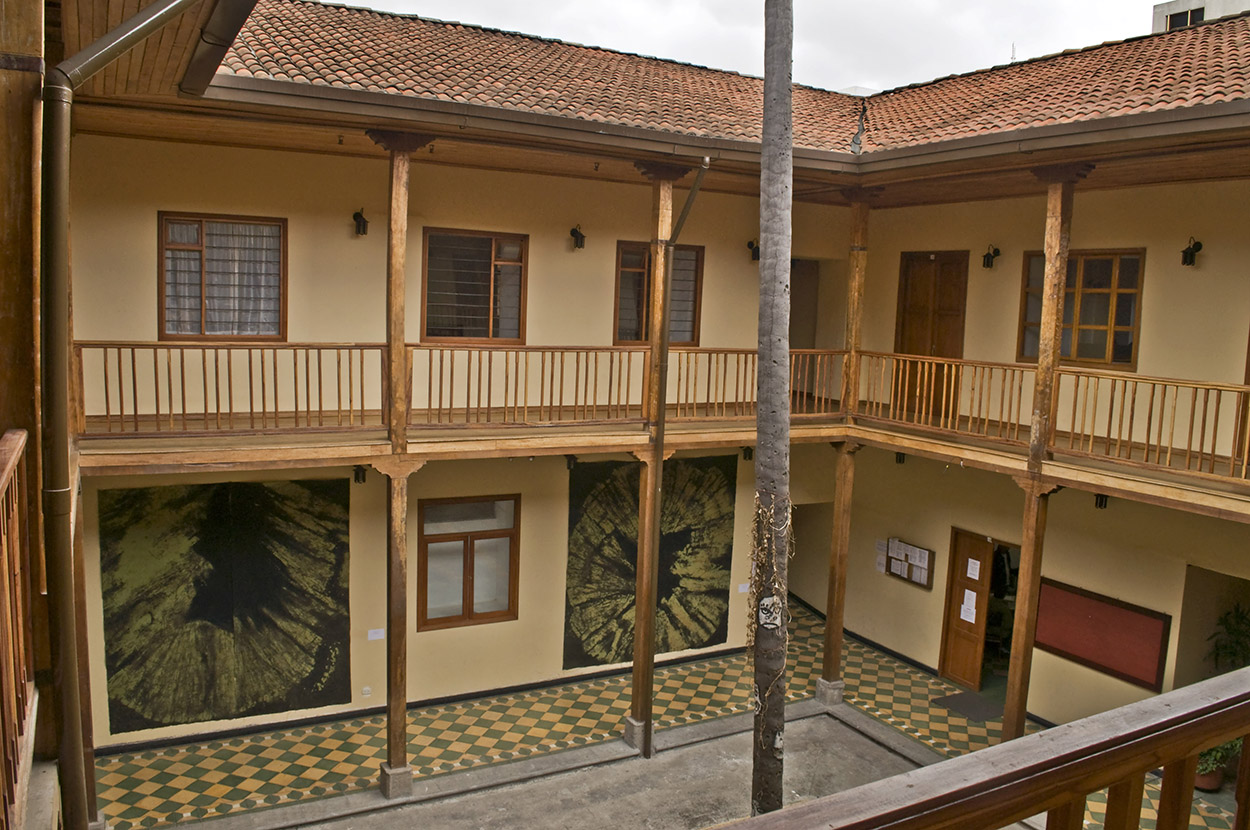
Insuasty's work is oversized. Its magnitude is surprising with the small studio he has in Barcelona, that city in Spain that feels French and that throbs with culture and art from its Roman foundations, nevertheless, remains a village whose restless air has never quite found a home. It may be that it is an oversized city whose undeniable beauty allows us to live in a mirage, but that is not the point; what I am referring to is the proportion-disproportion of the work due to the physical space of the studio. The artist unfolds, in that taken space, with the skill and fluency of an old librarian. He reaches the art piece from the window and shows it, gathering in a corner from where he guides us in this reading of his work, revealing the meaning of his doing, what to do, and at the same time, revealing himself, as in his technique, before our eyes.
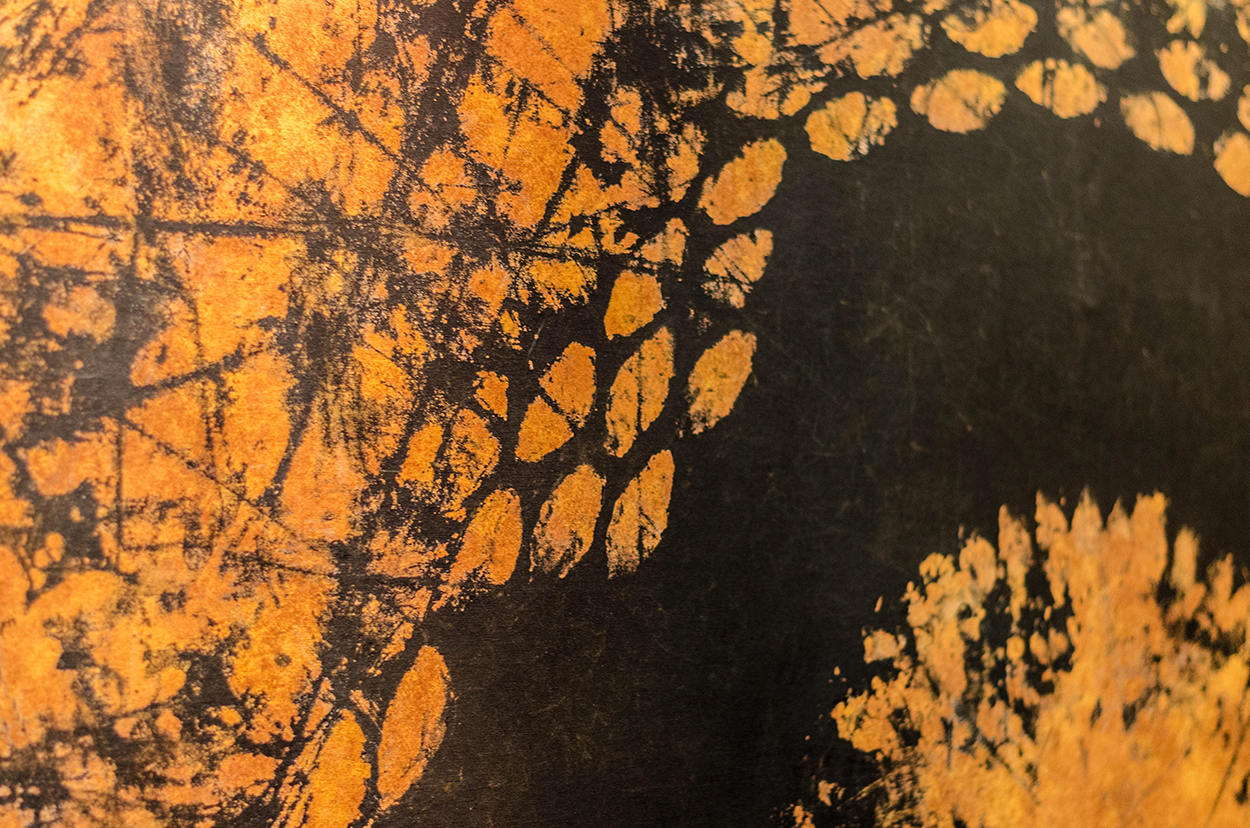
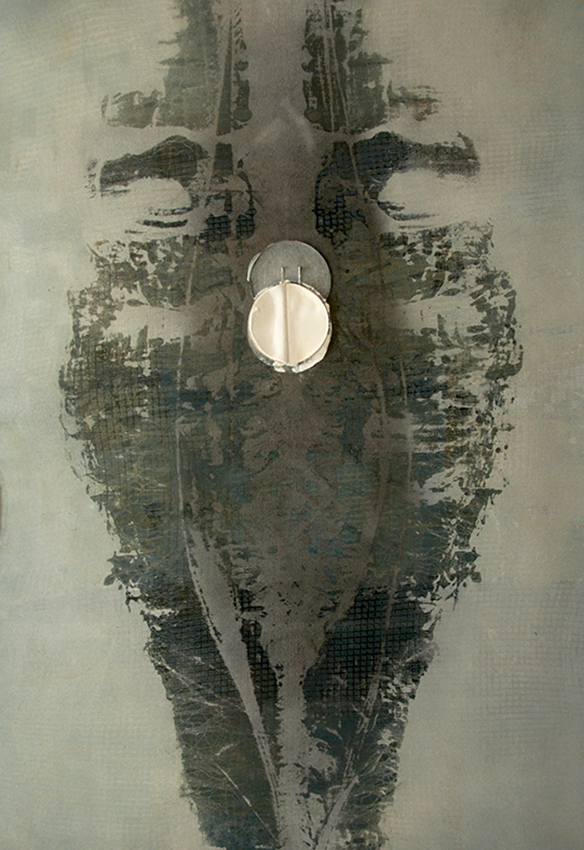
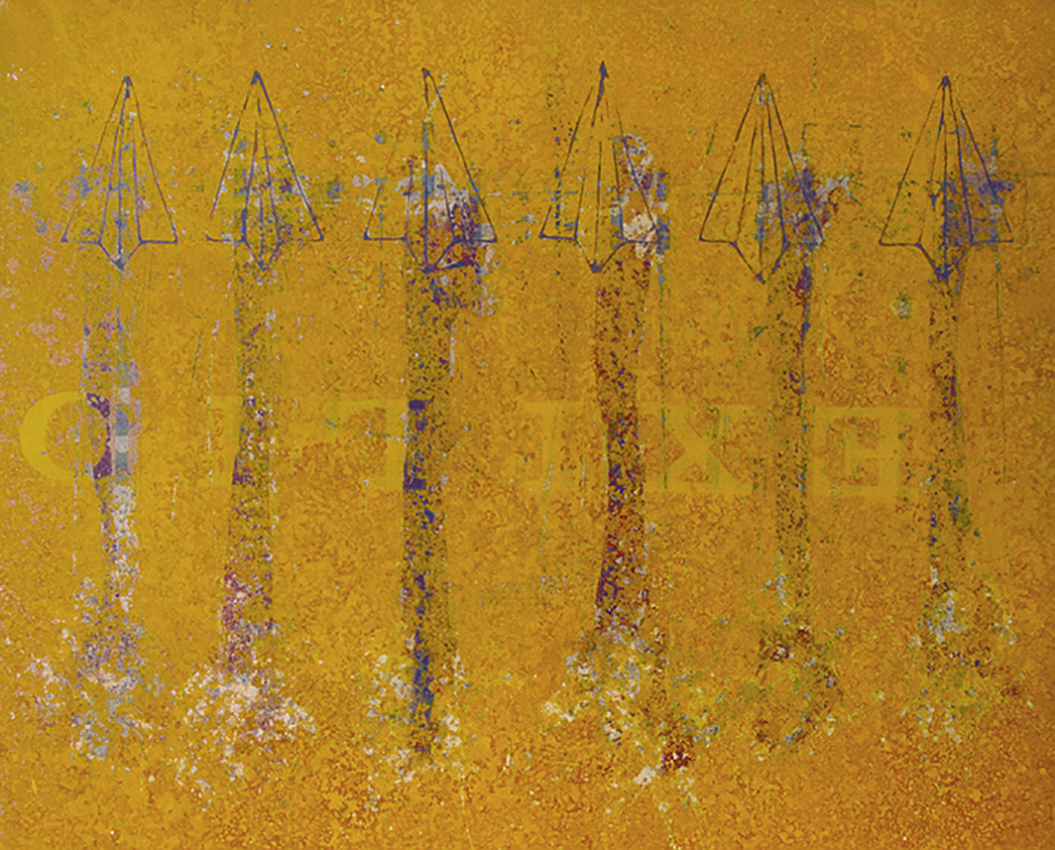
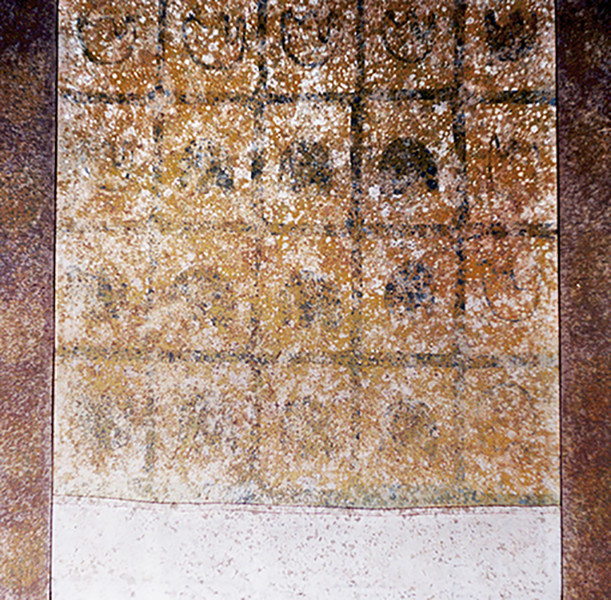
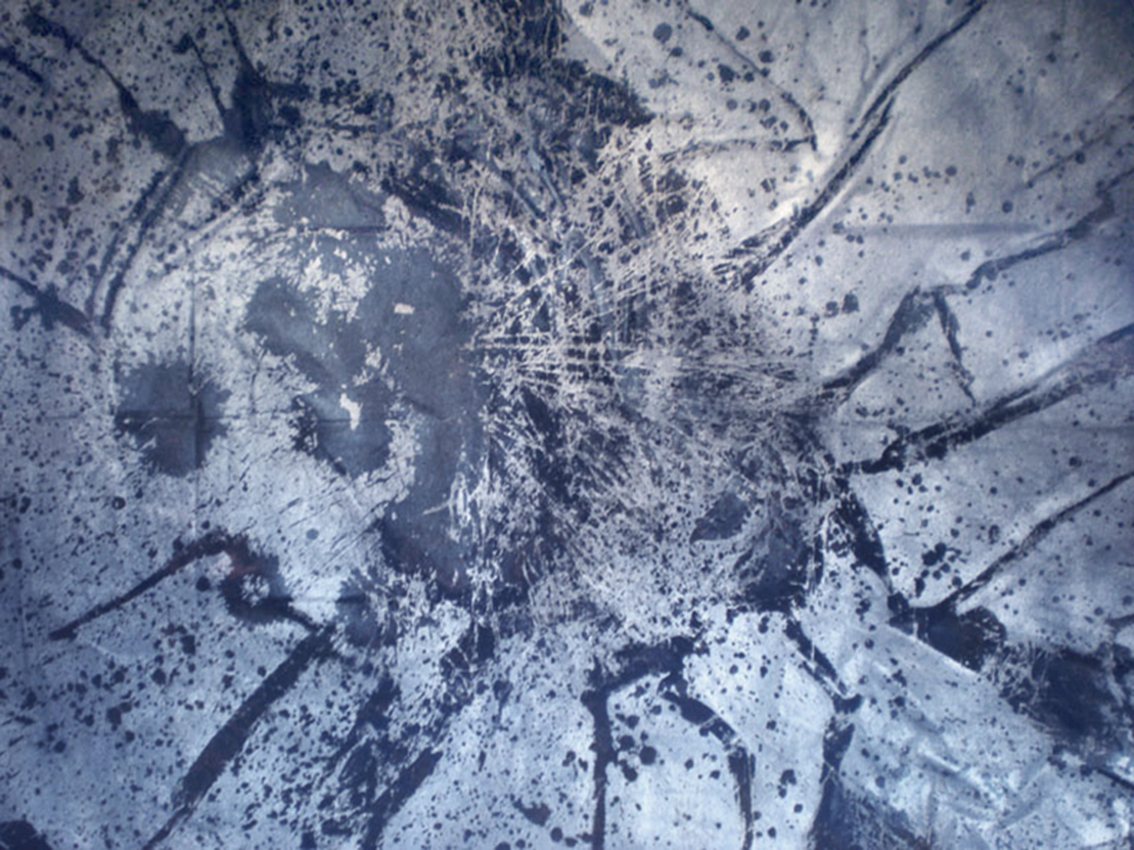
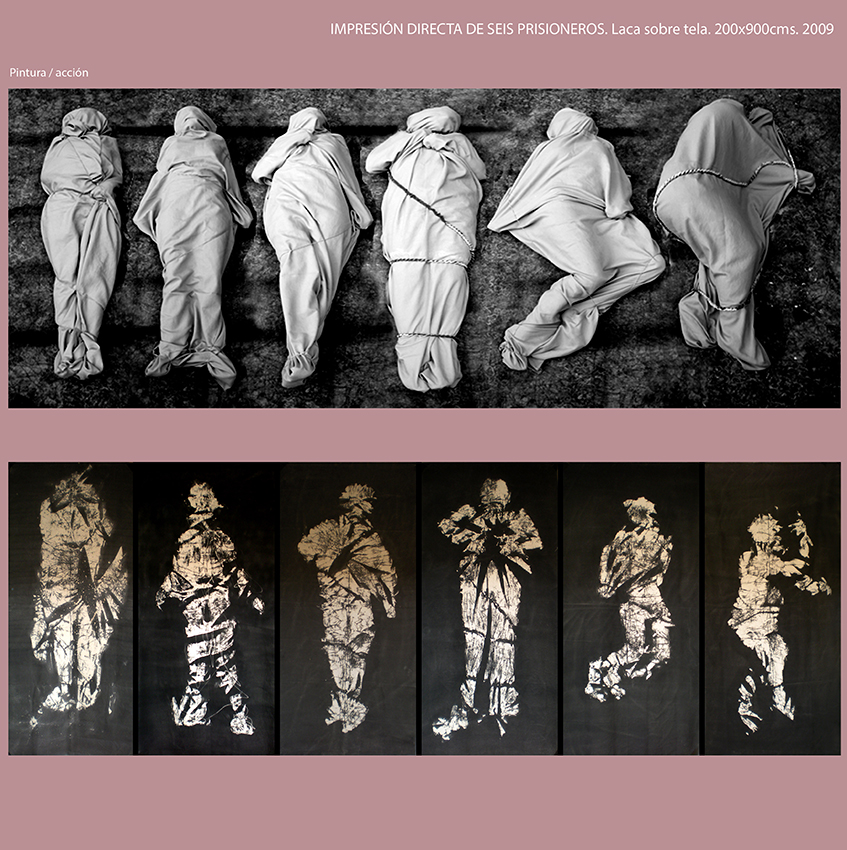
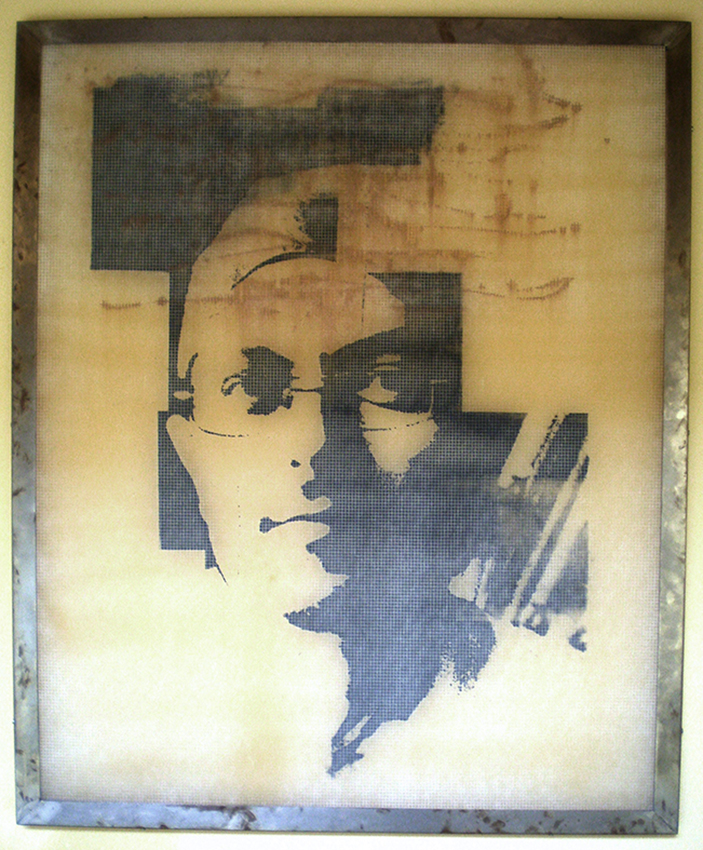
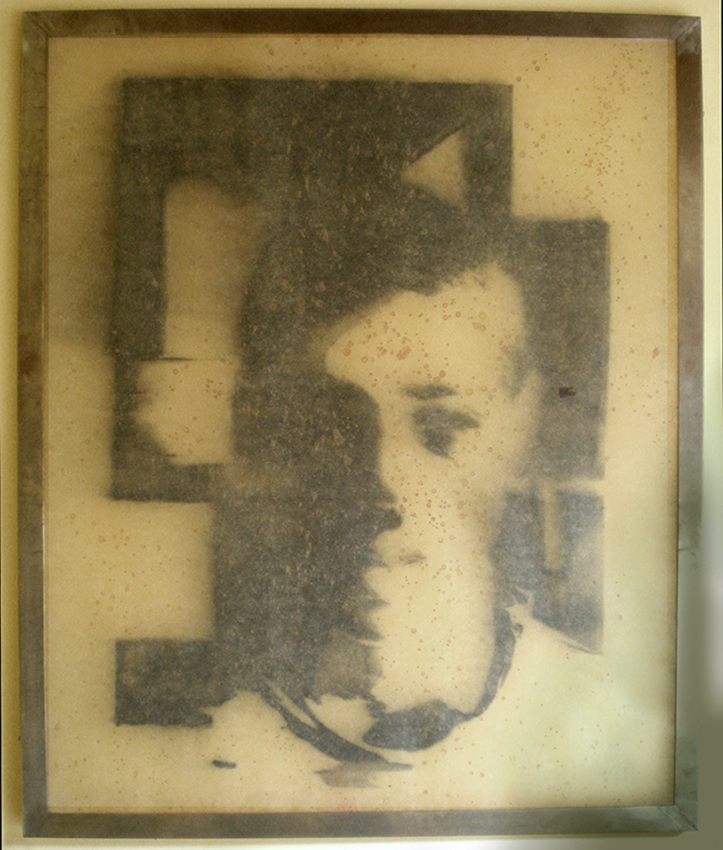
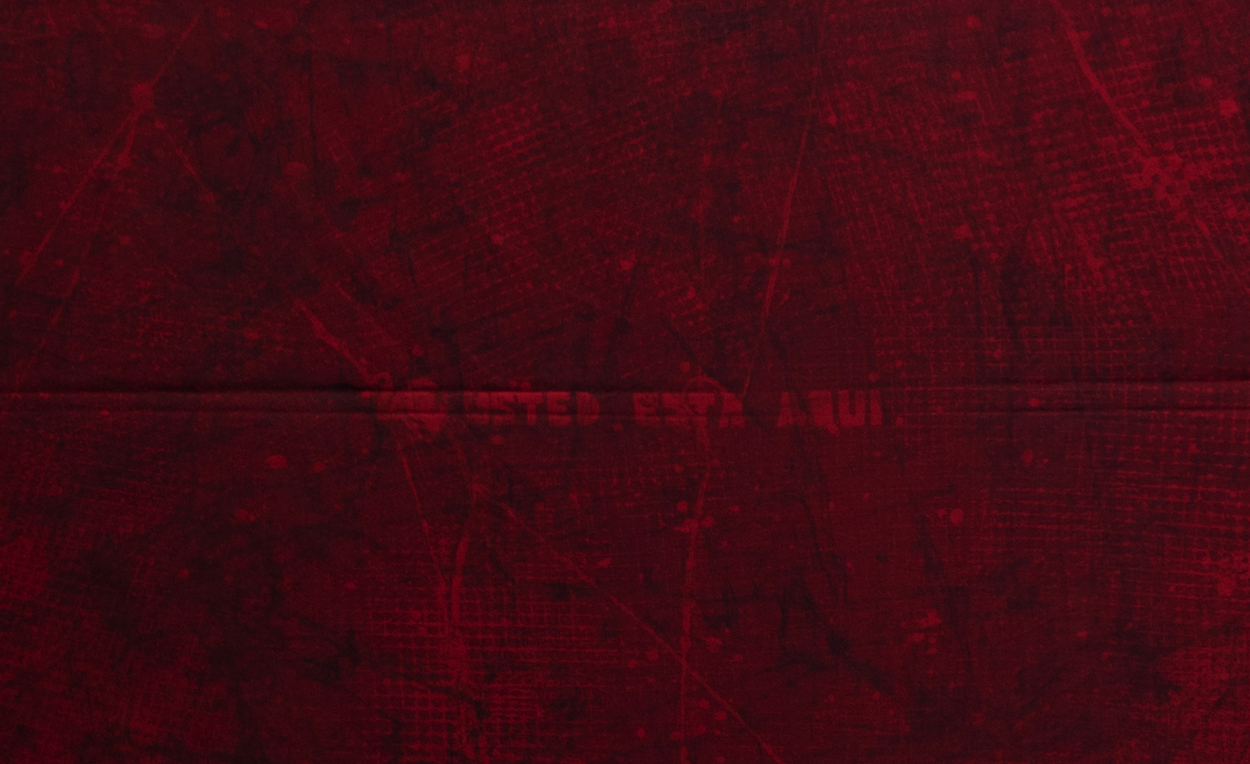
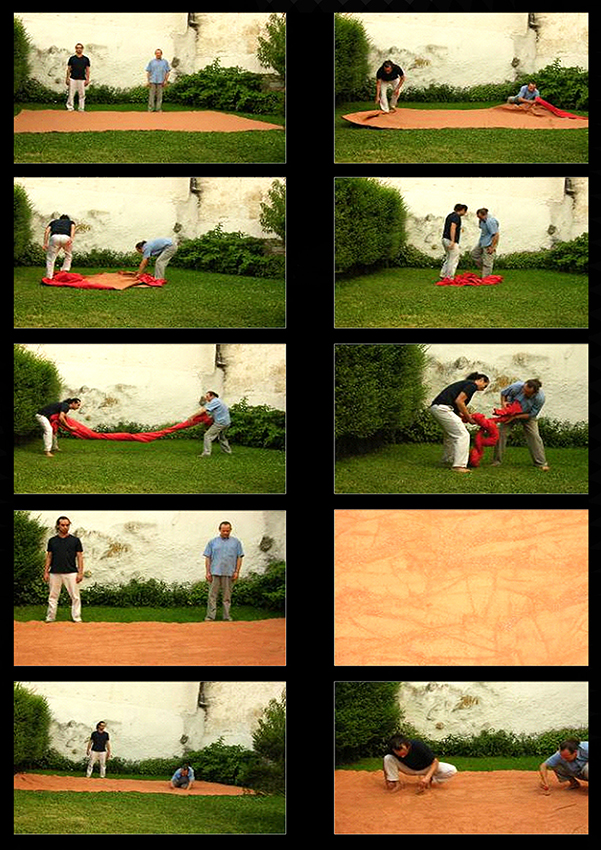
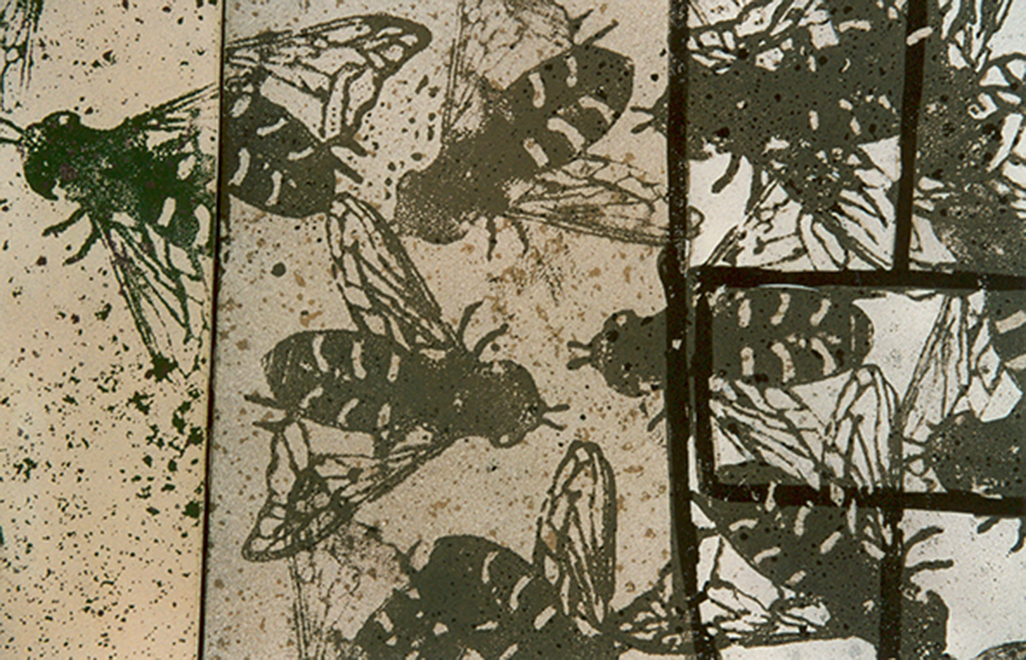
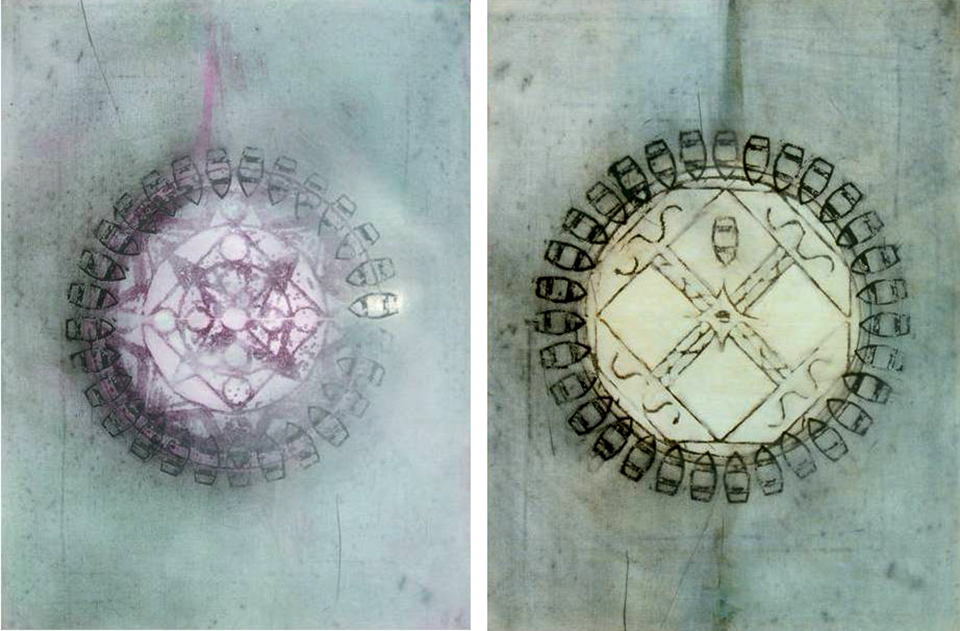
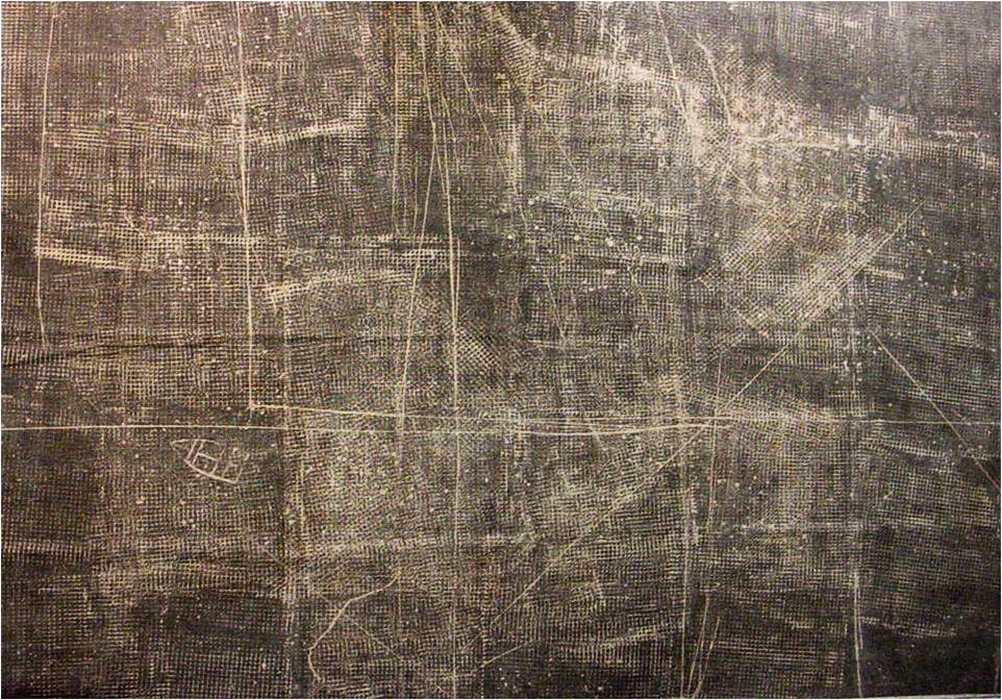
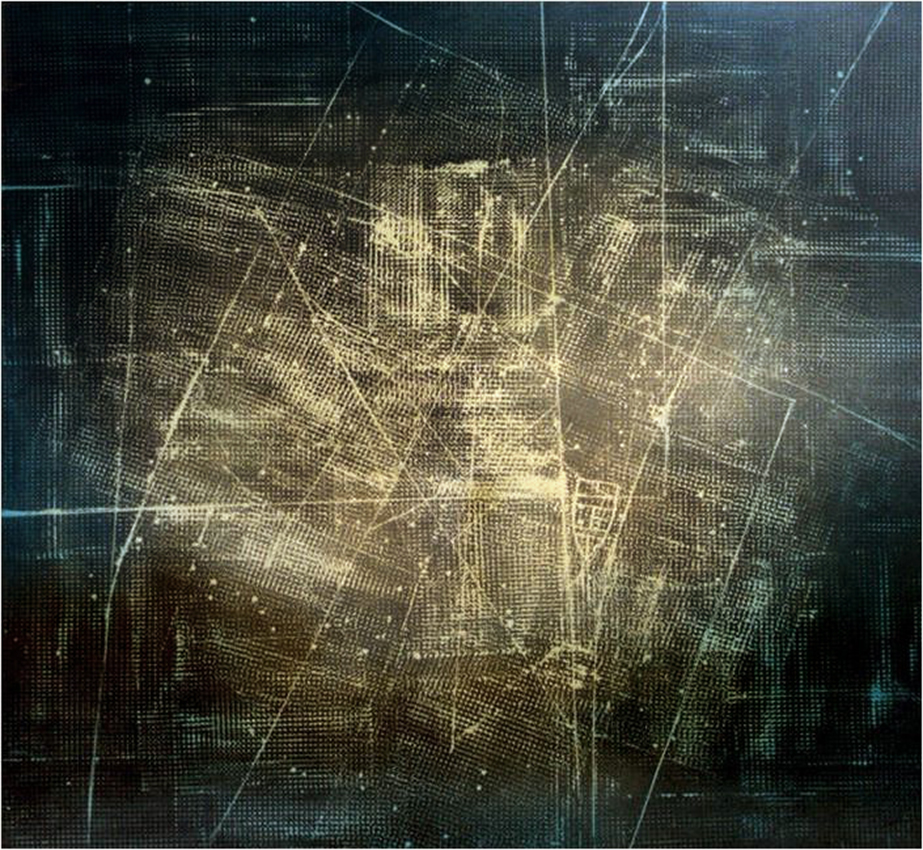
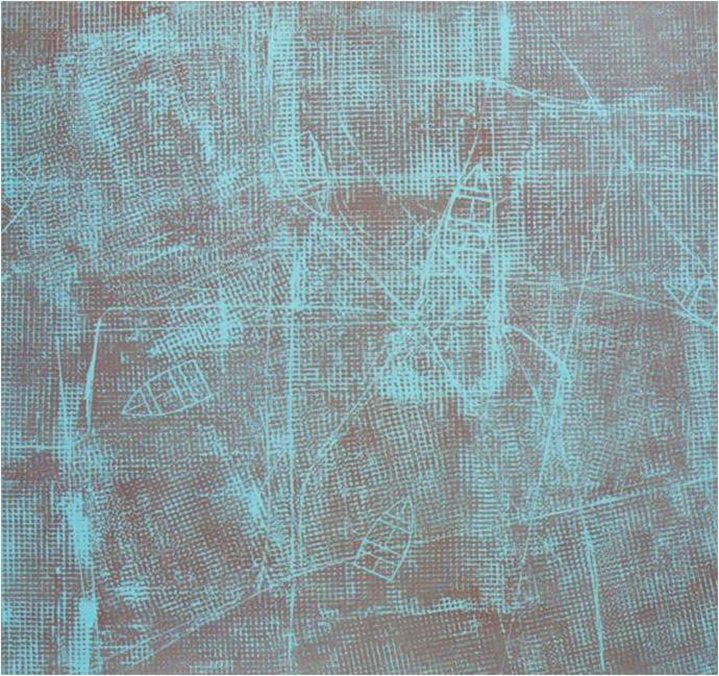
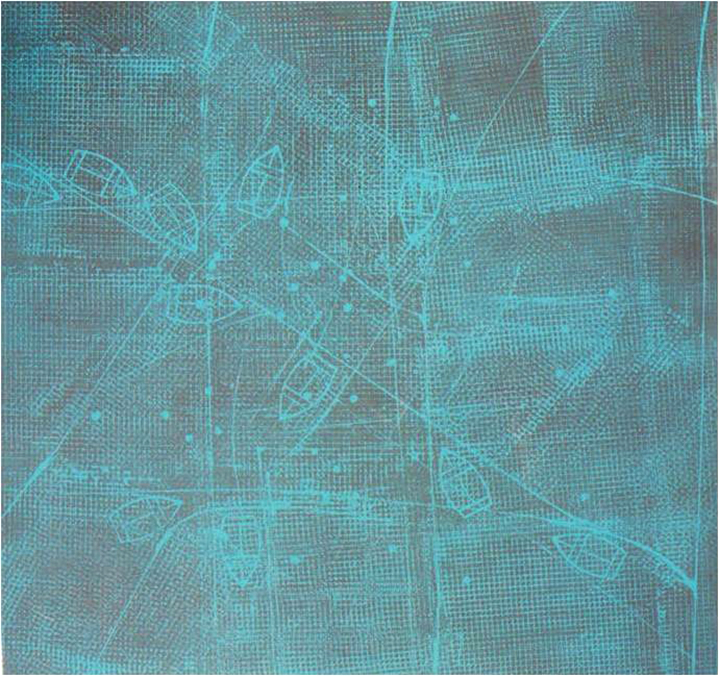
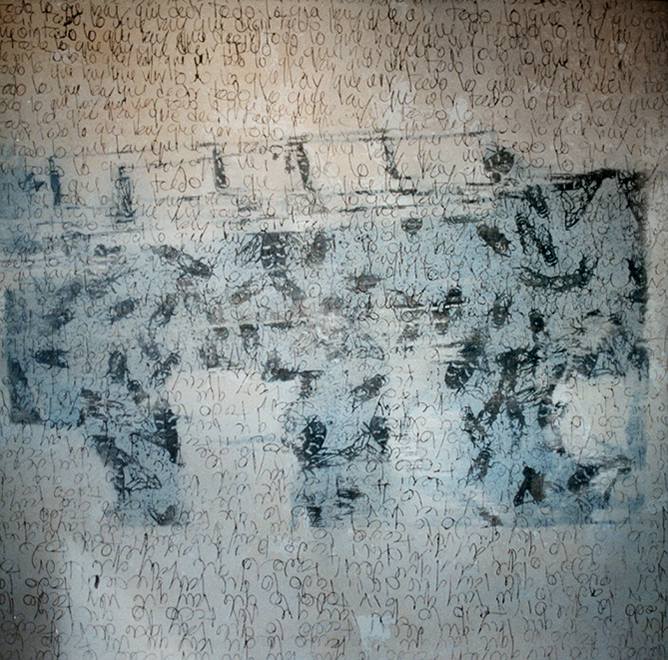
Because Insuasty's technique is a development, a process of inverting the forms and unveiling them, develop them, as in the manner of the alchemists, where intuition and reason fight that old creative battle that orders, disarranges, intuits, deduces, creates, recreates, and so on, until logic is imposed, a balance between the contenders and the work is signed and confined to its place on the shelves of the souk studio. In the process of revealing his work to us, Edgar's enthusiastic and leisurely conversation leaves us with the sensation that he moves with certainty in chance, that he foresees in advance the outcome of the chaos, orders the disorder, and that he knows for sure the twists and turns of the road. The final order in his work is not only a technical matter but also a conceptual one.
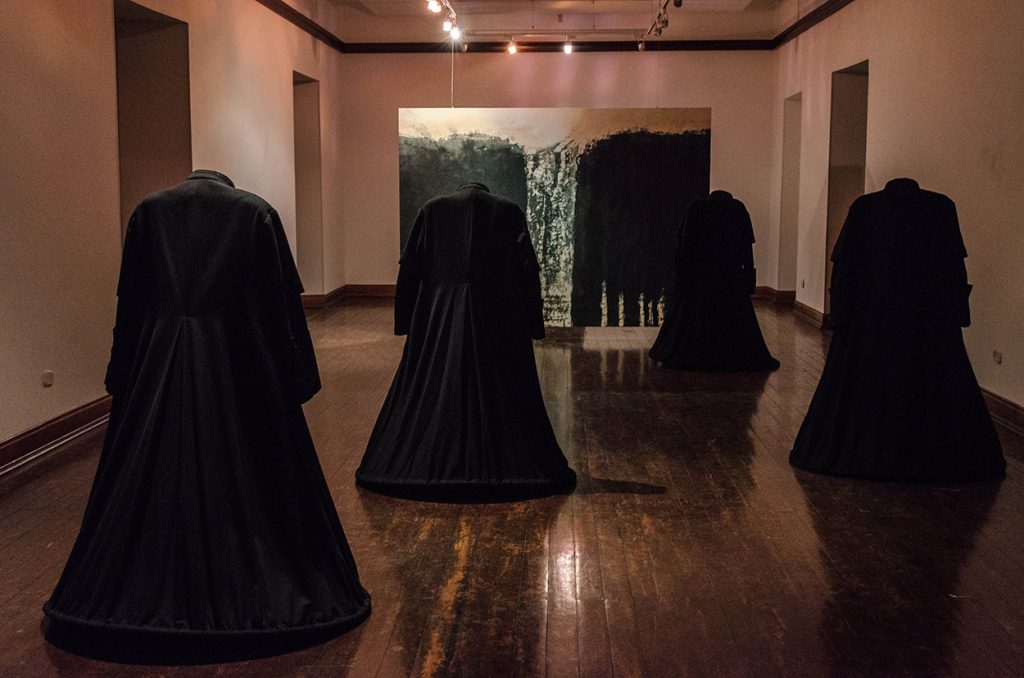
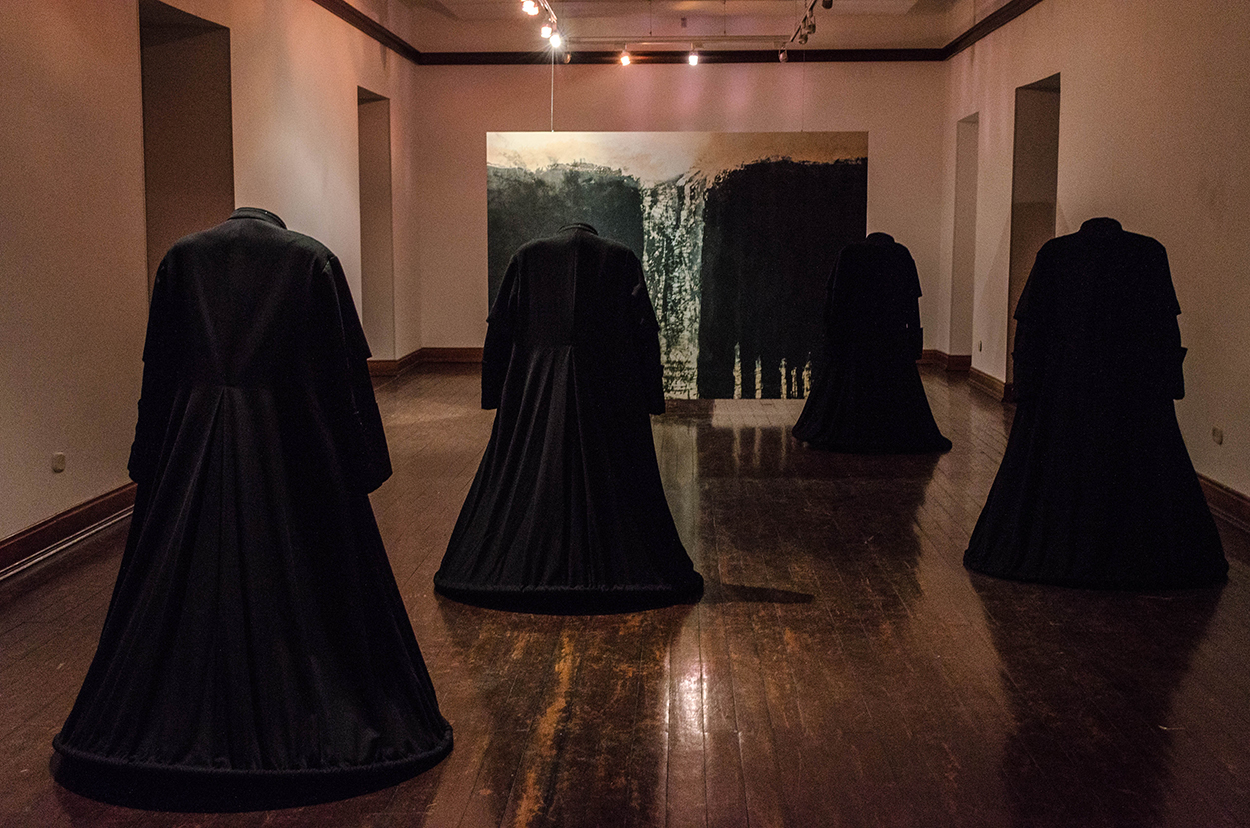
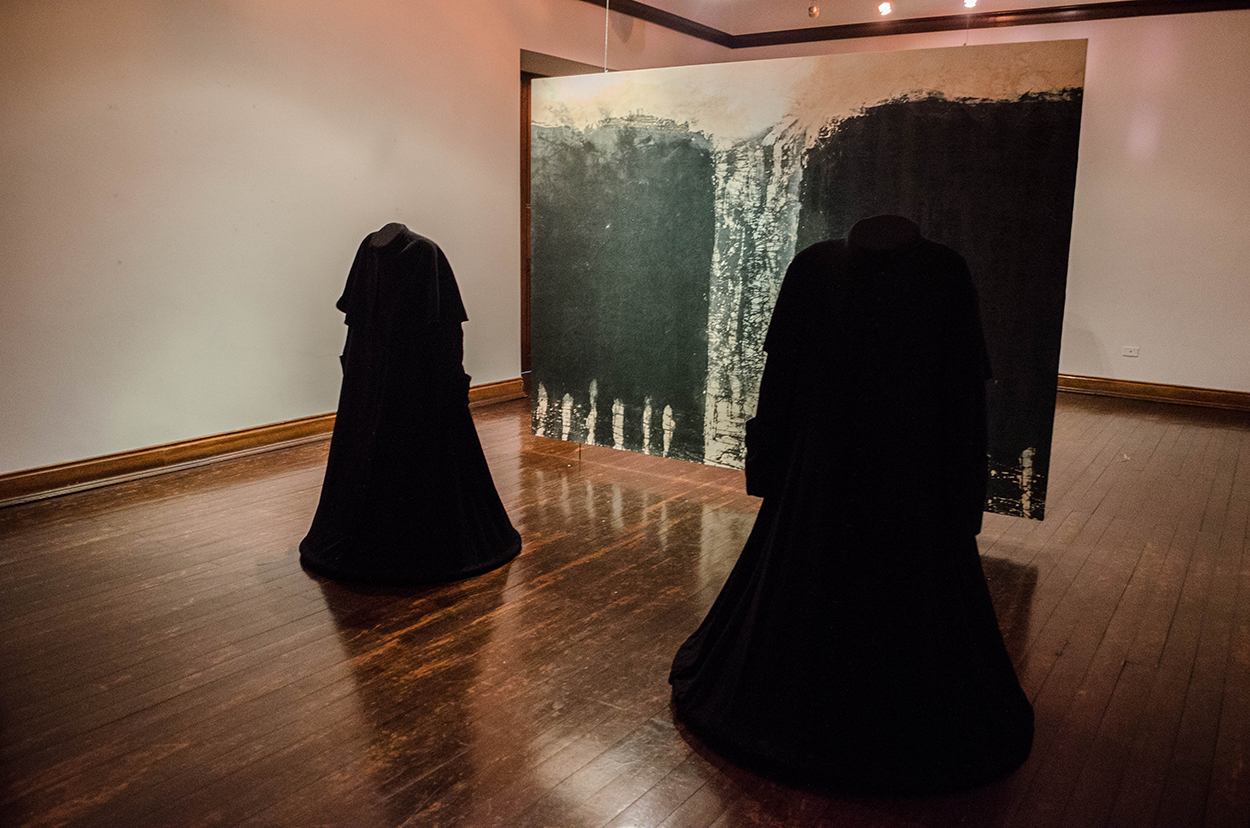
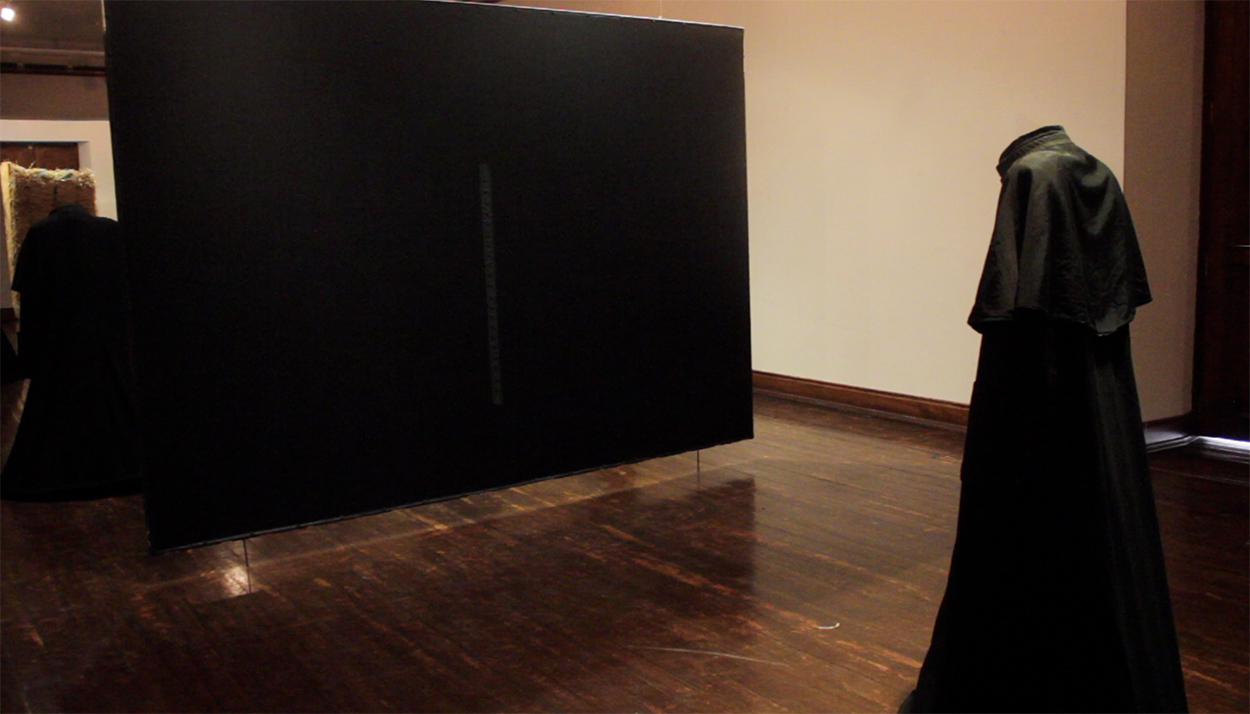
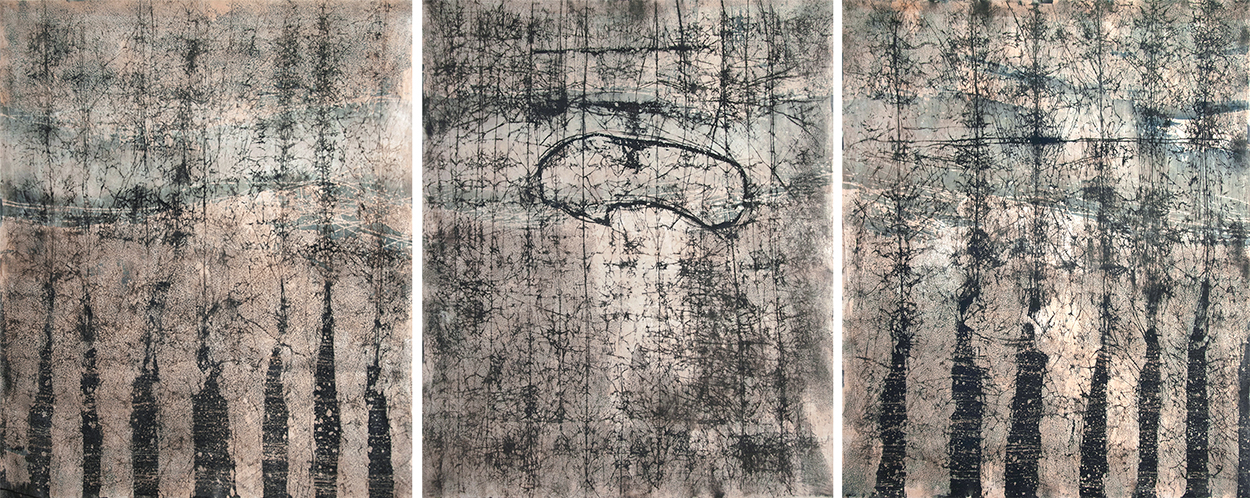
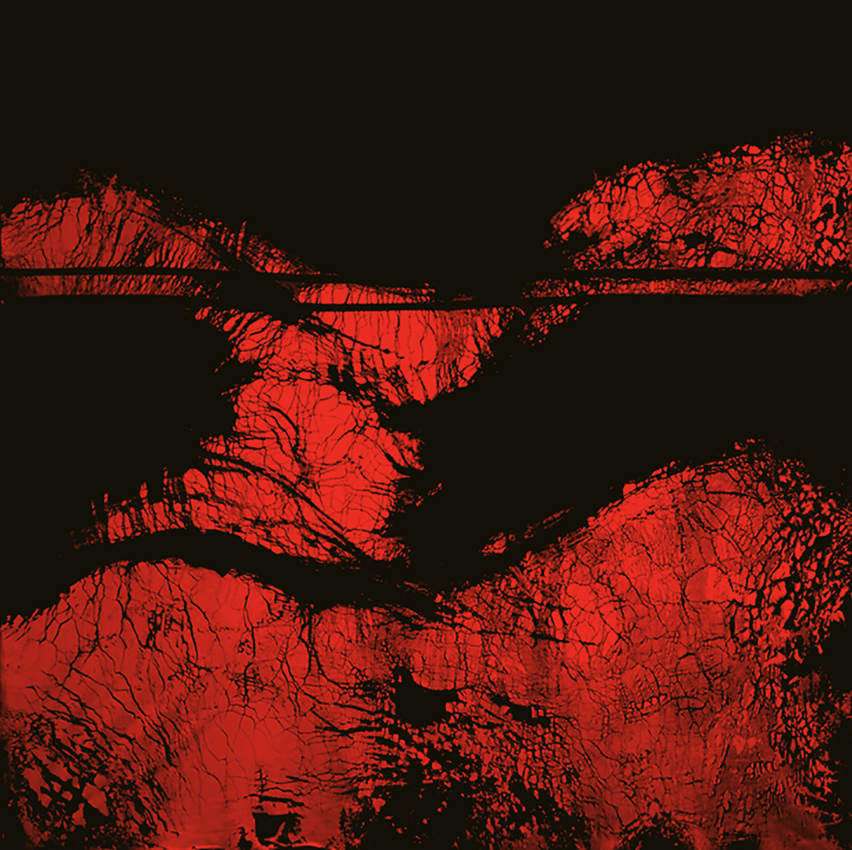
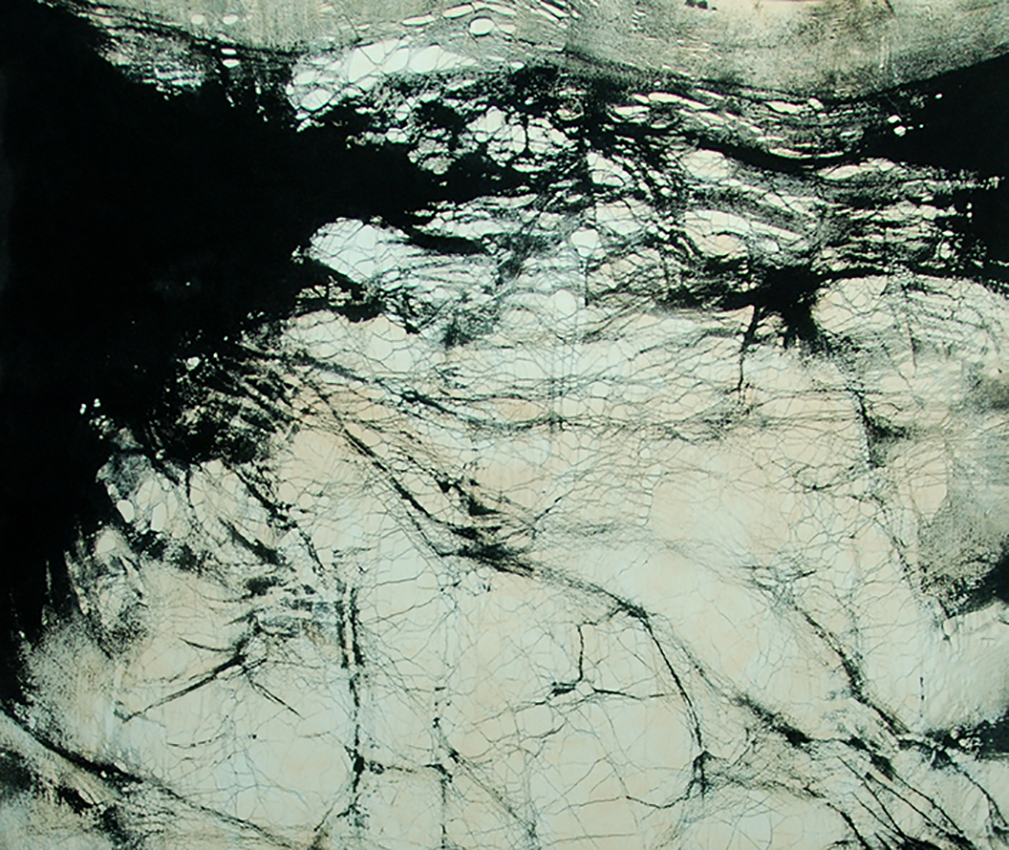
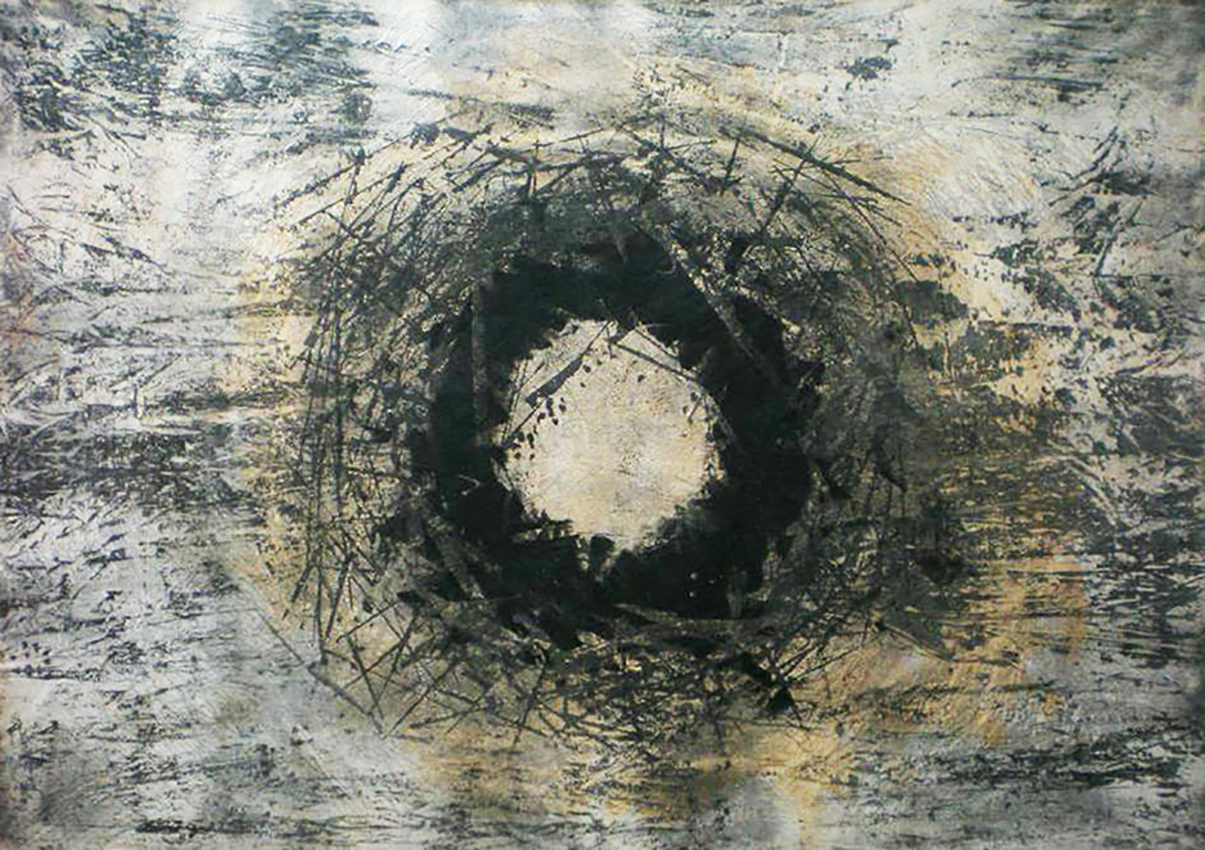
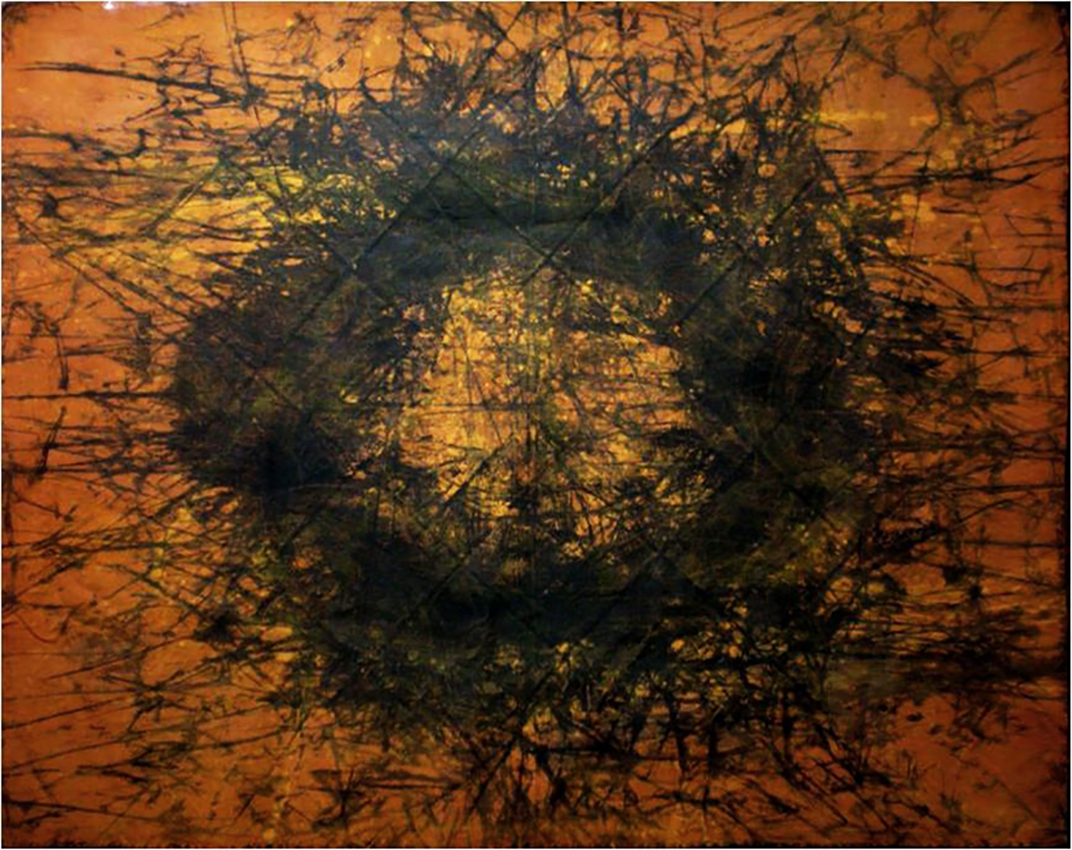
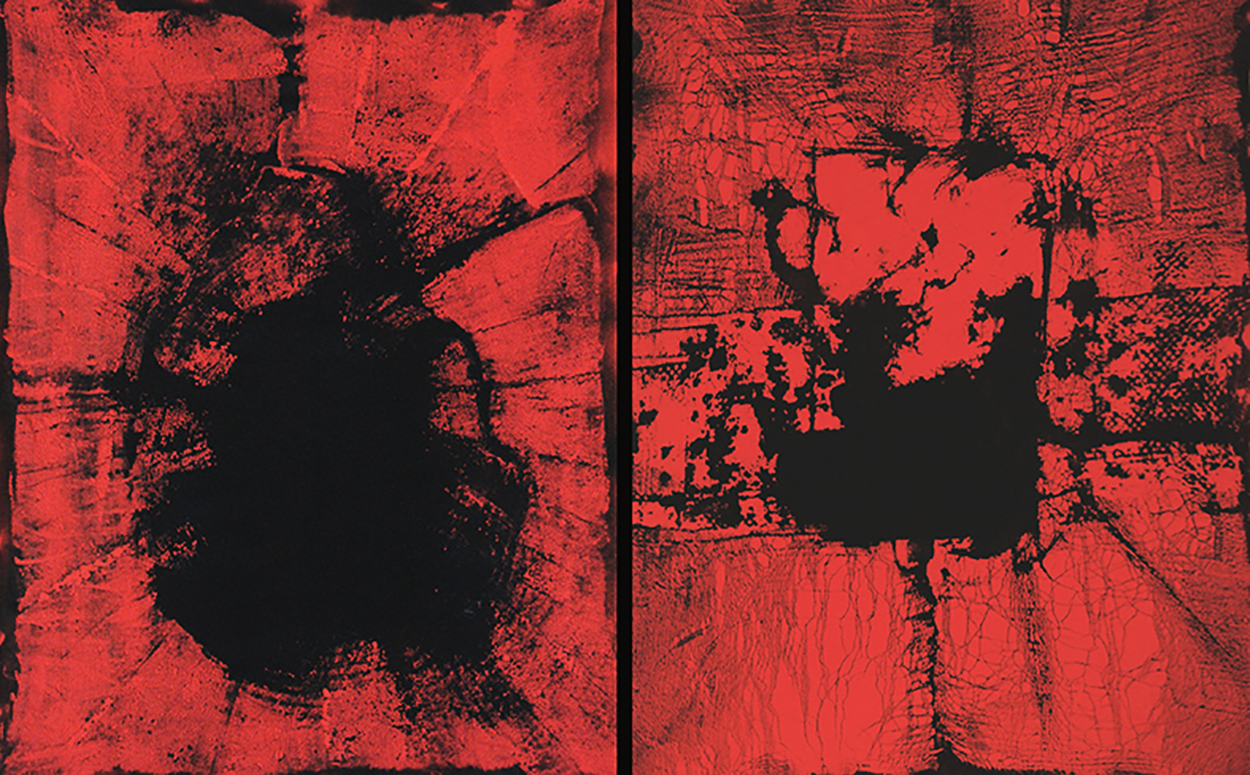
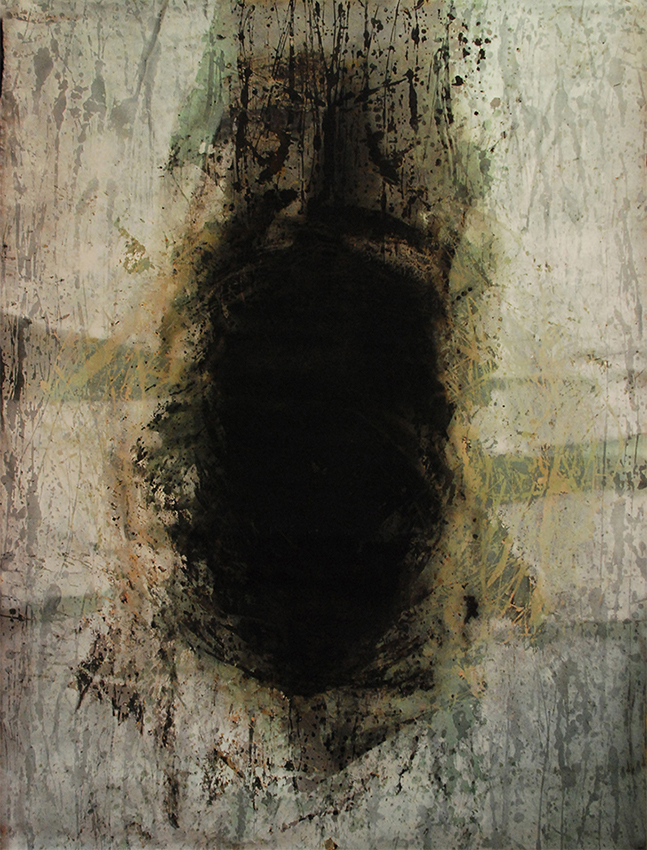
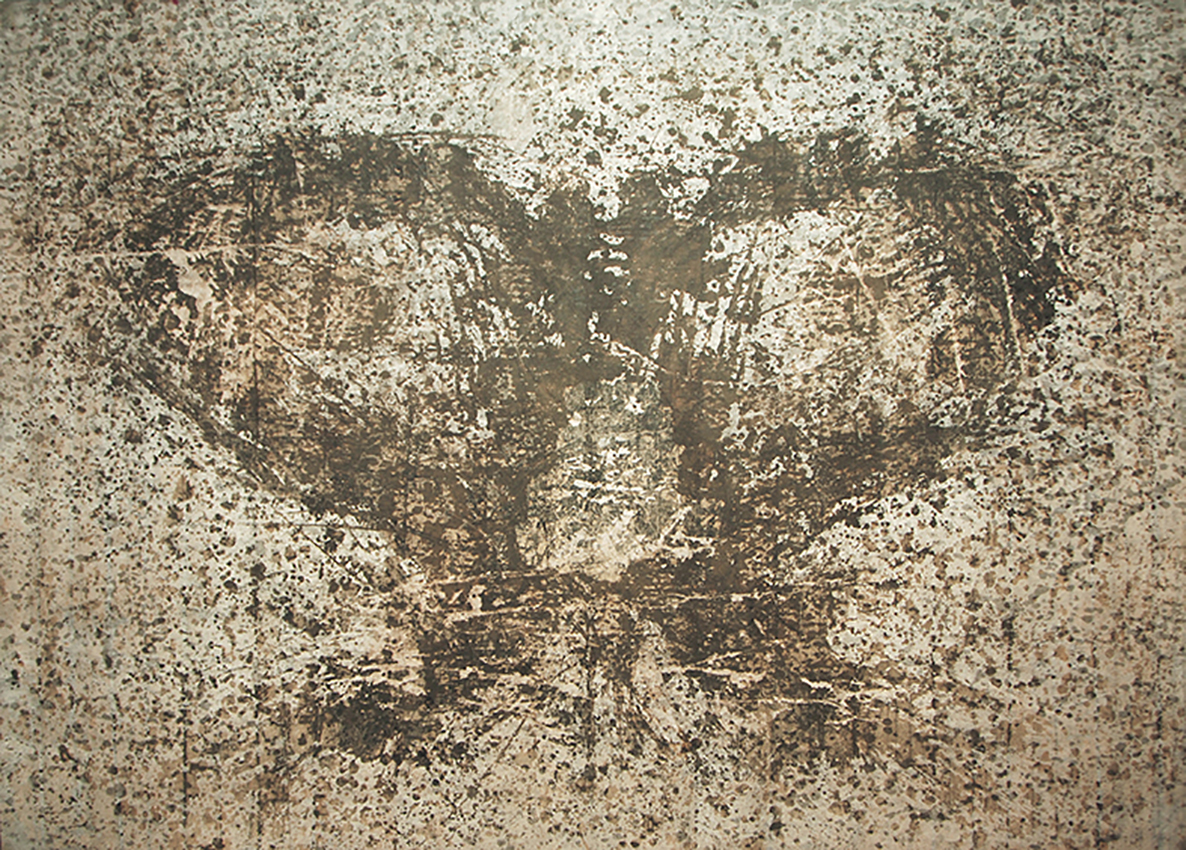
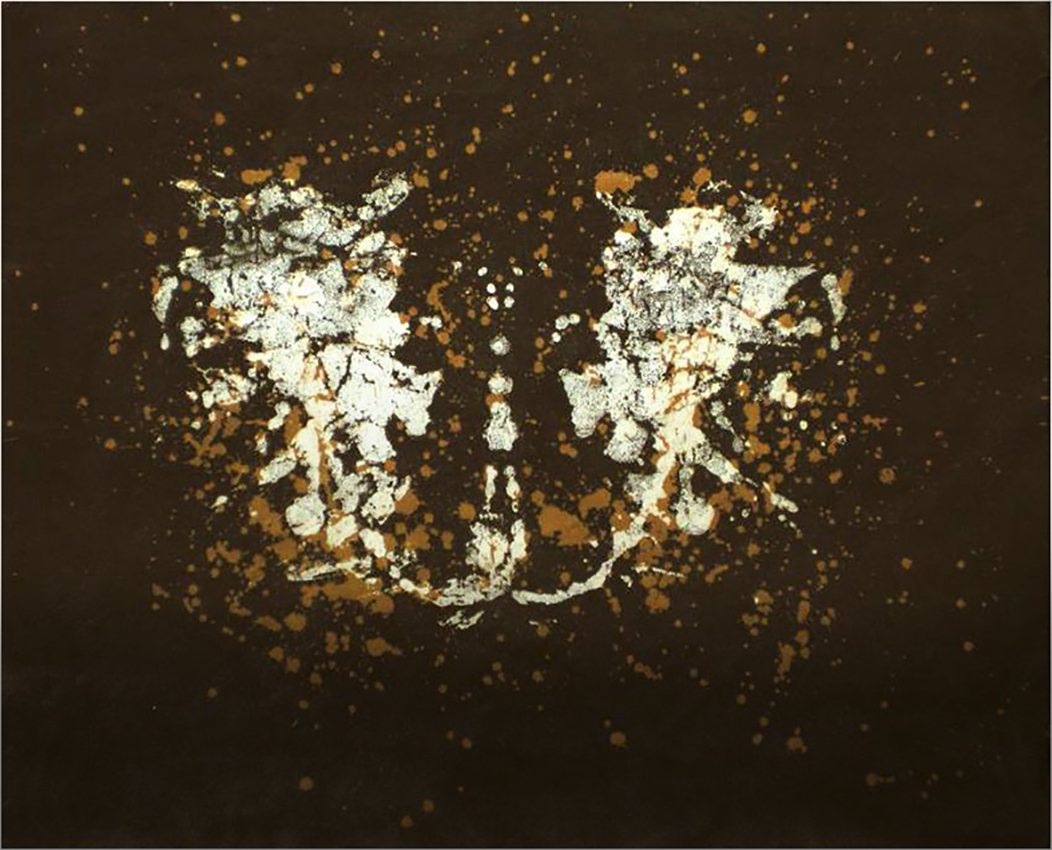
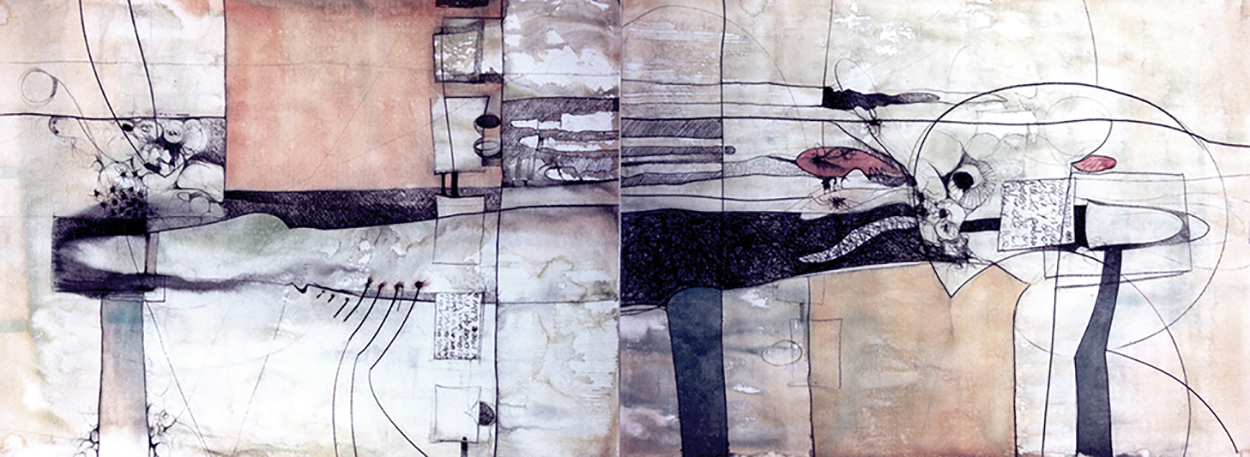
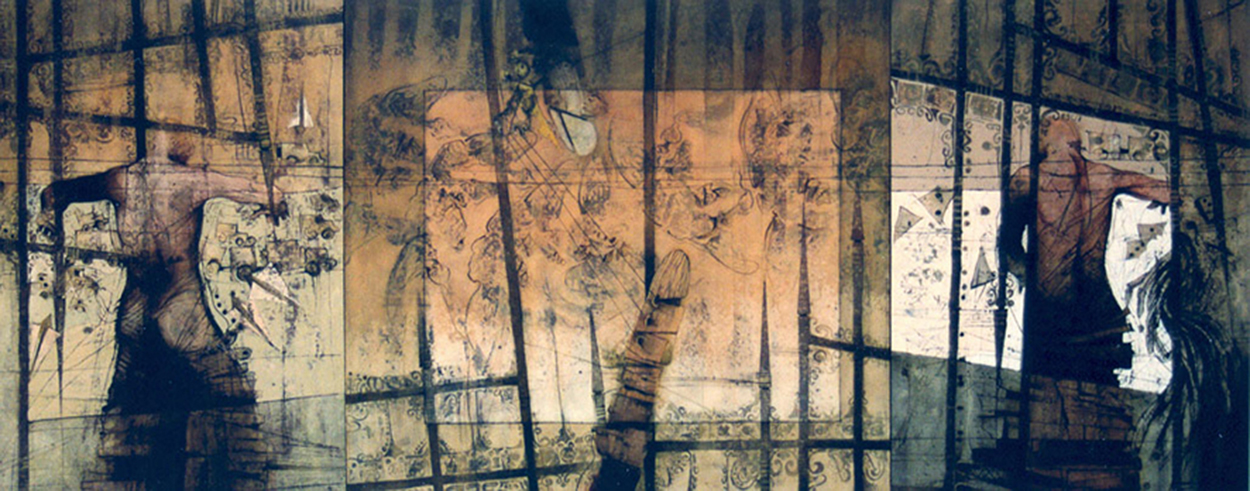
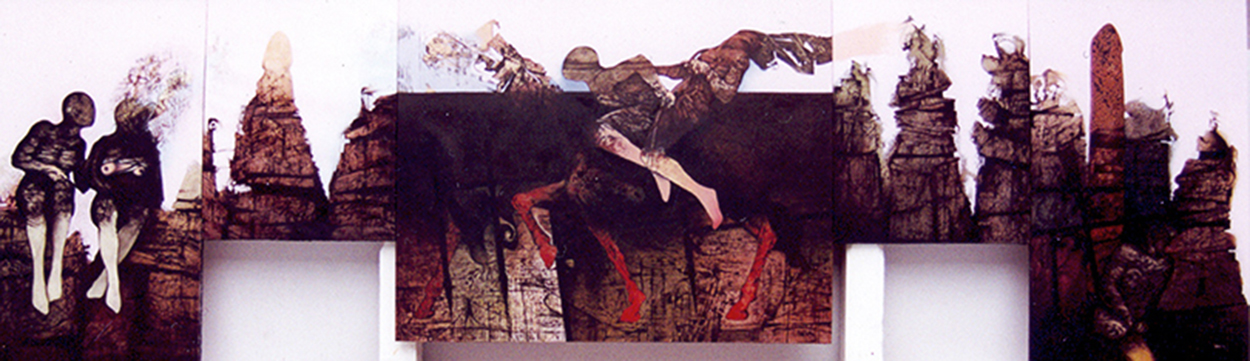
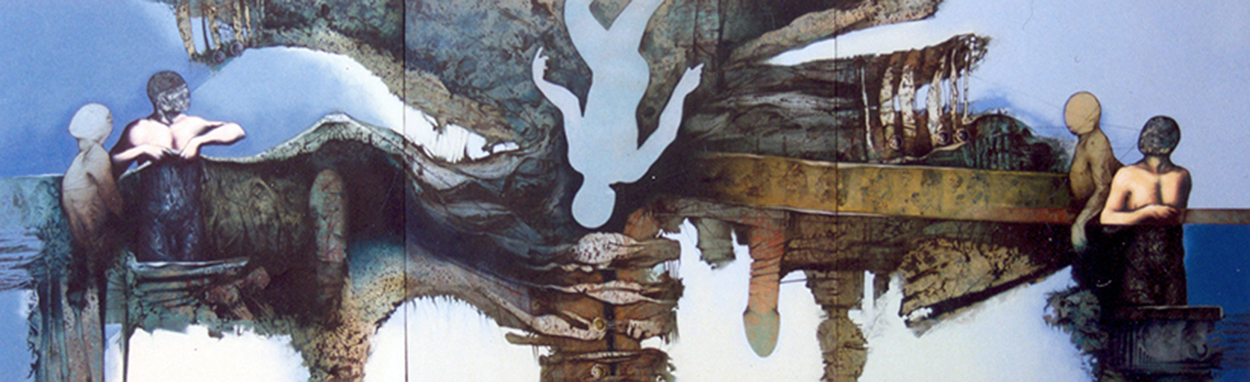
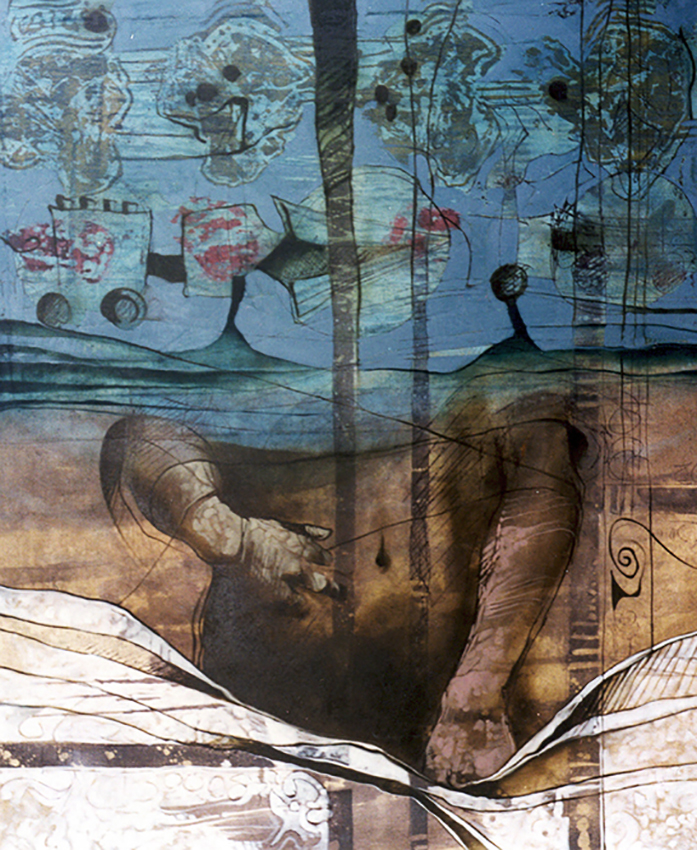
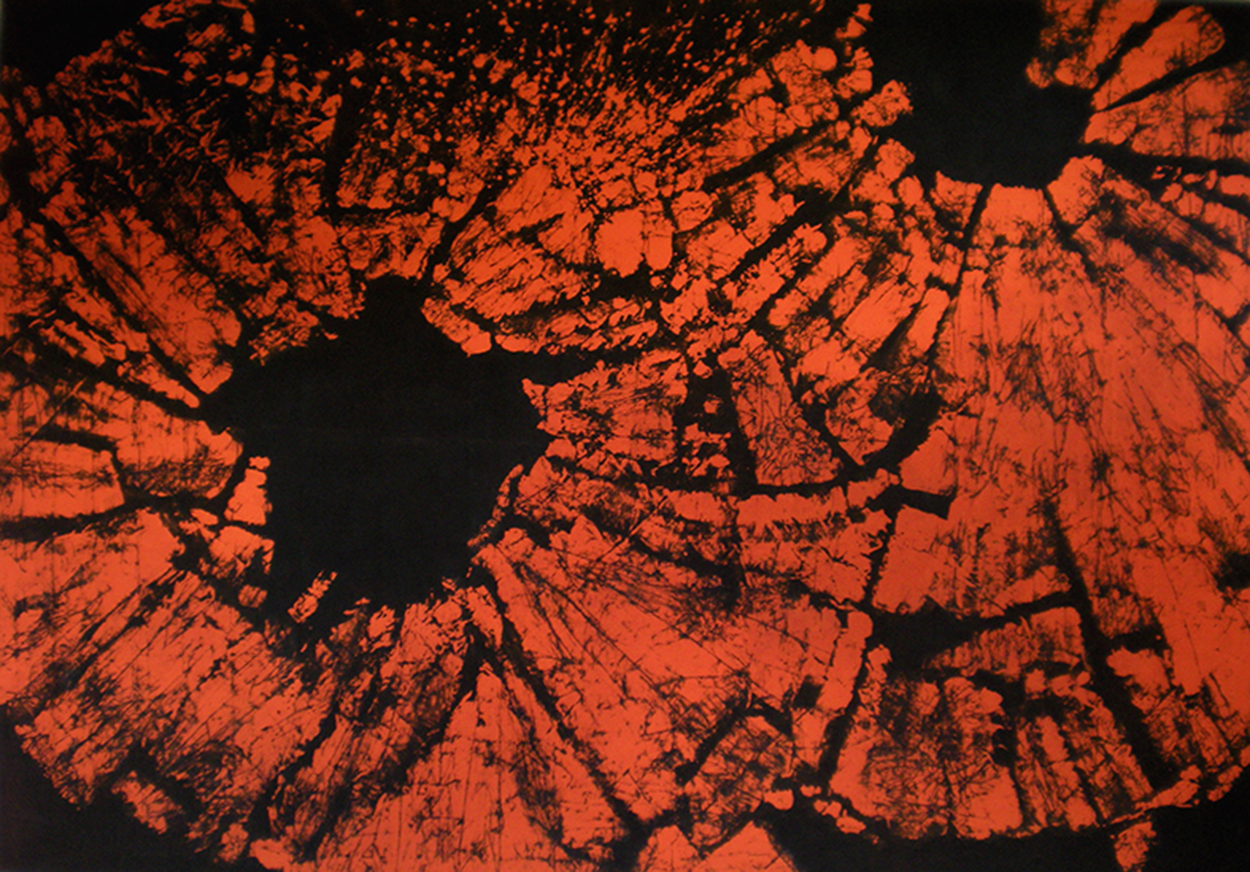
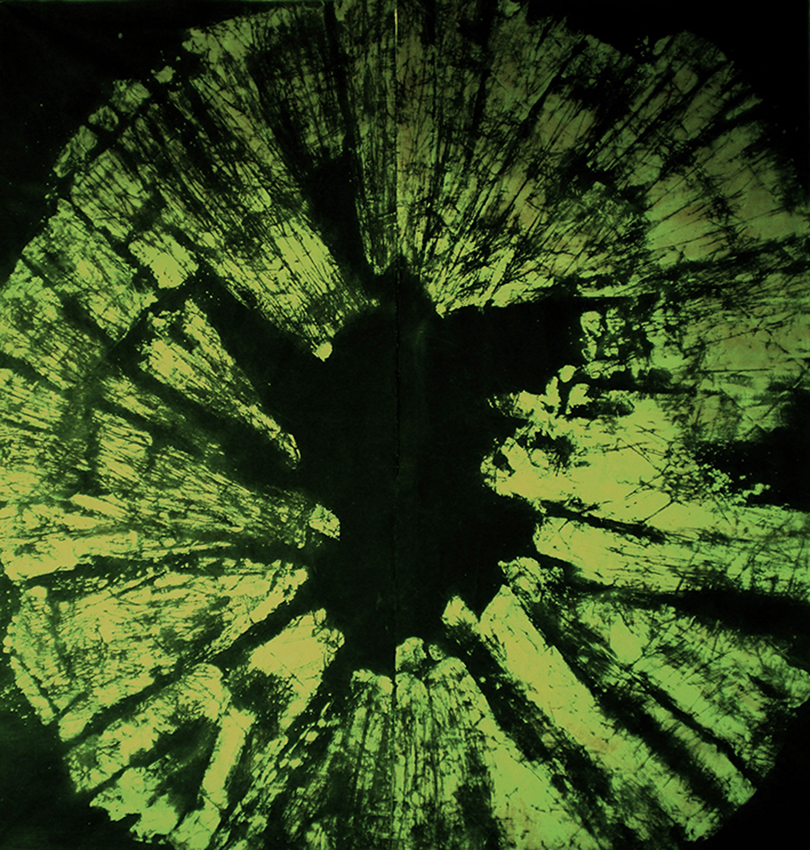
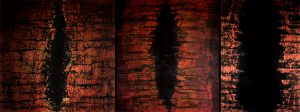
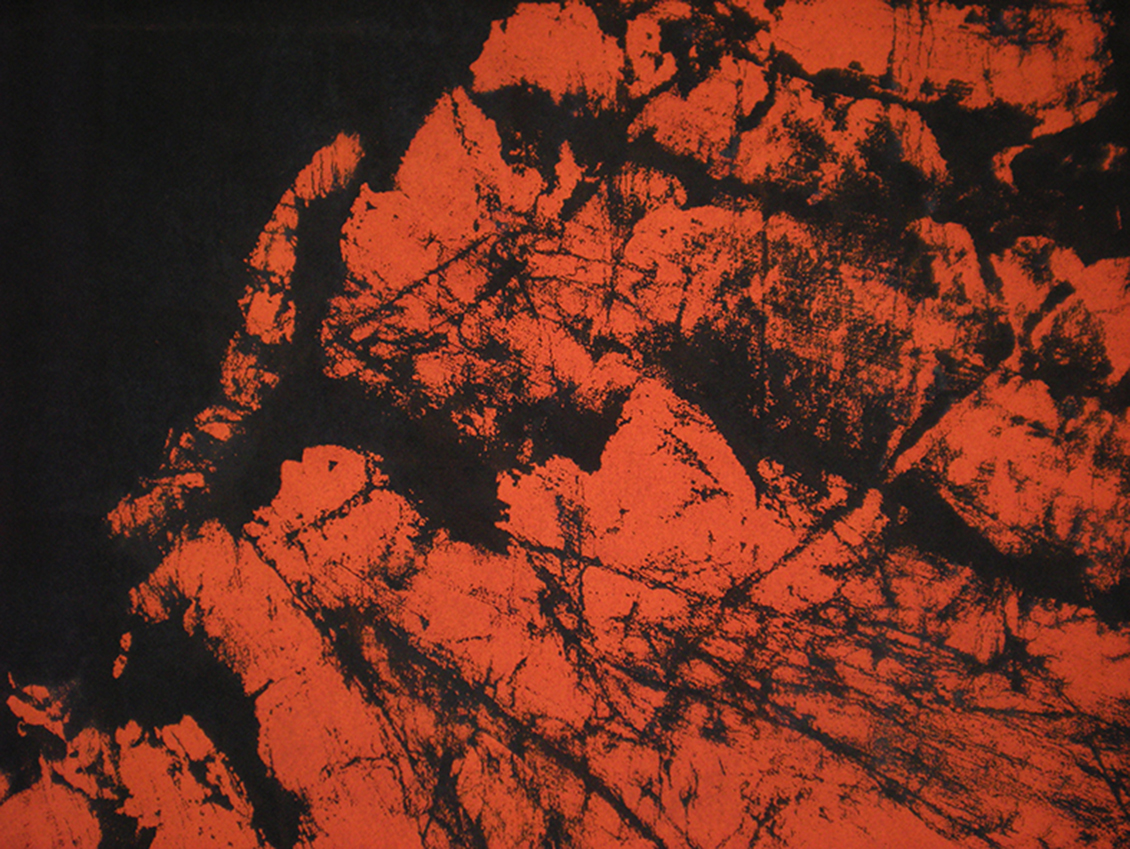
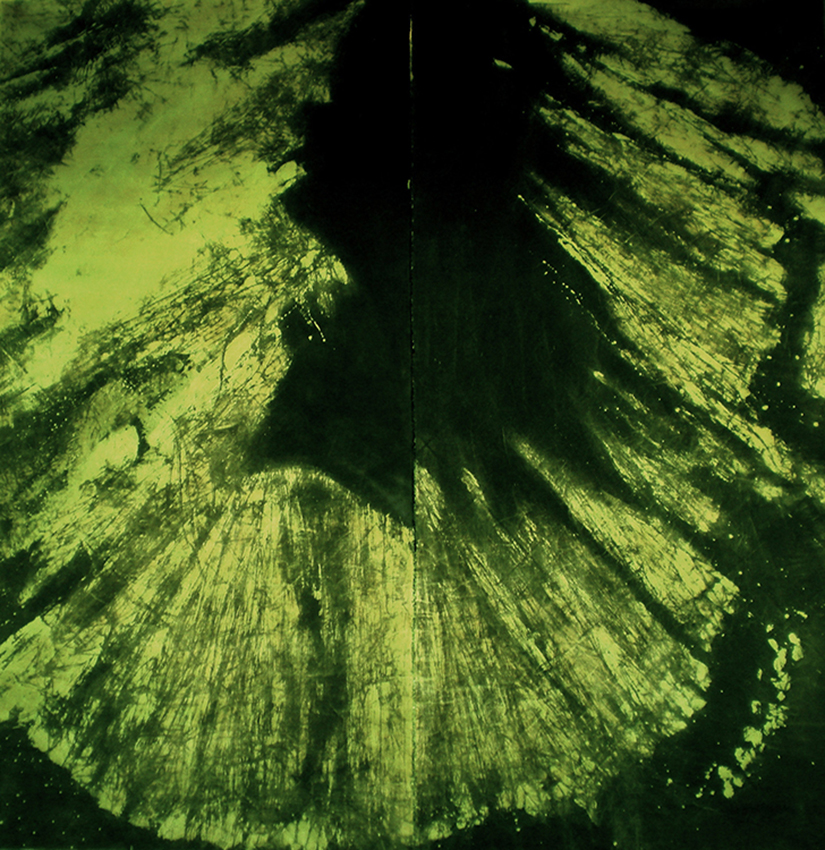
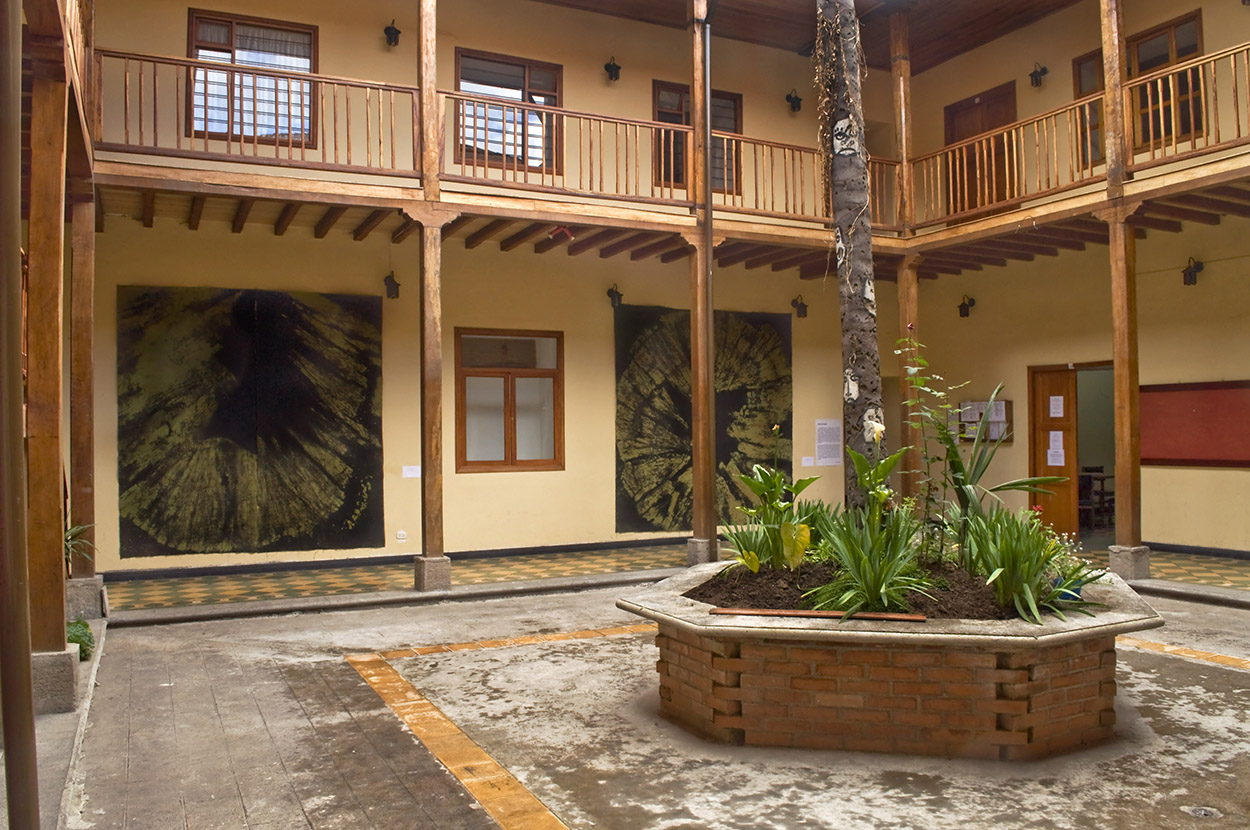
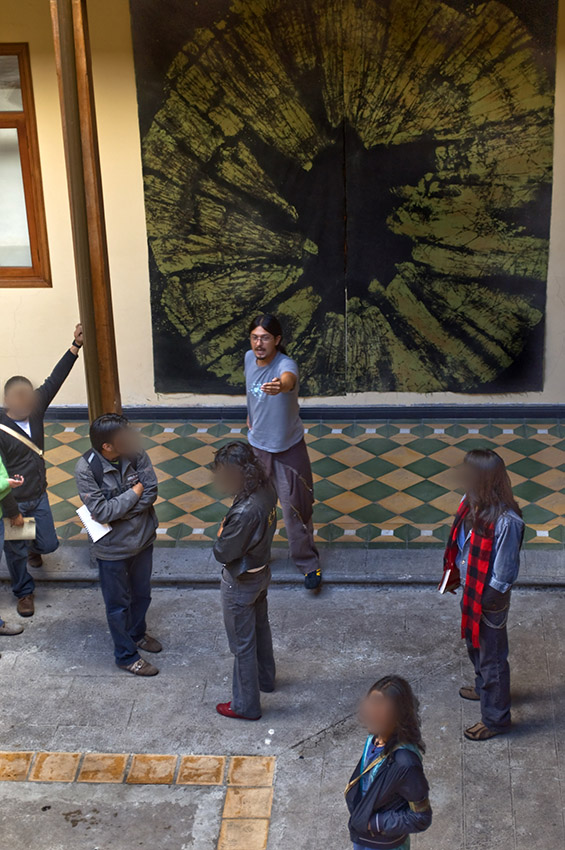
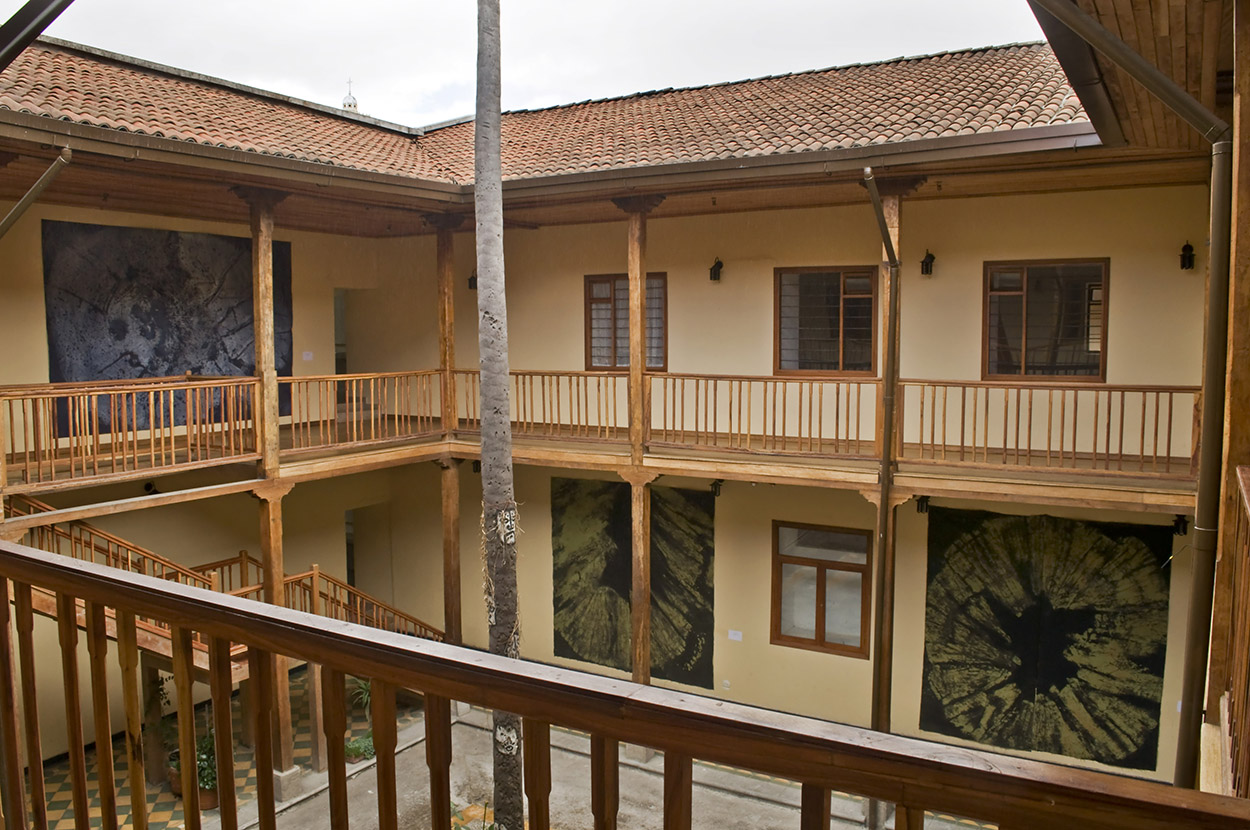
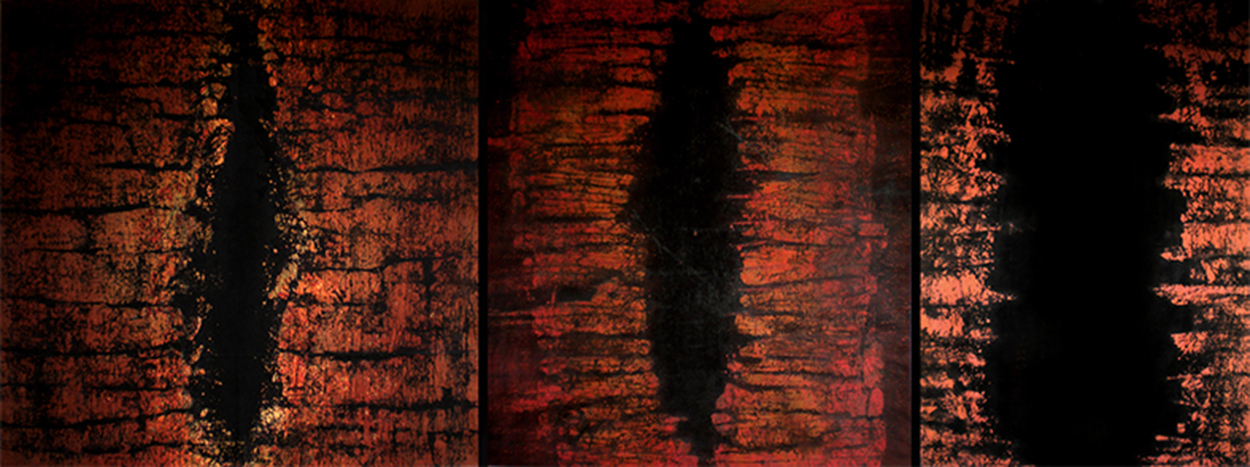
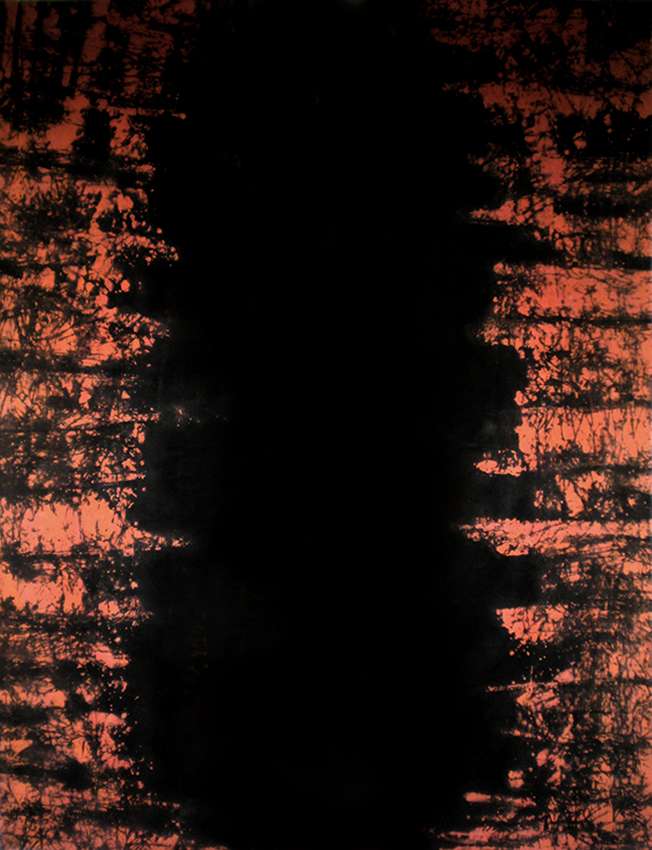
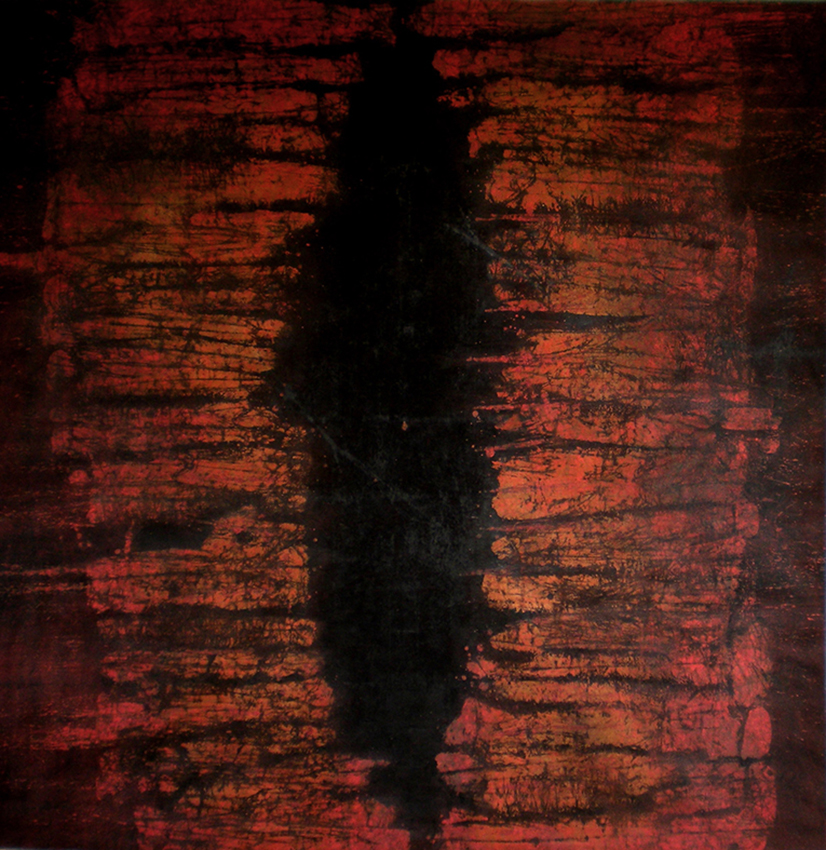
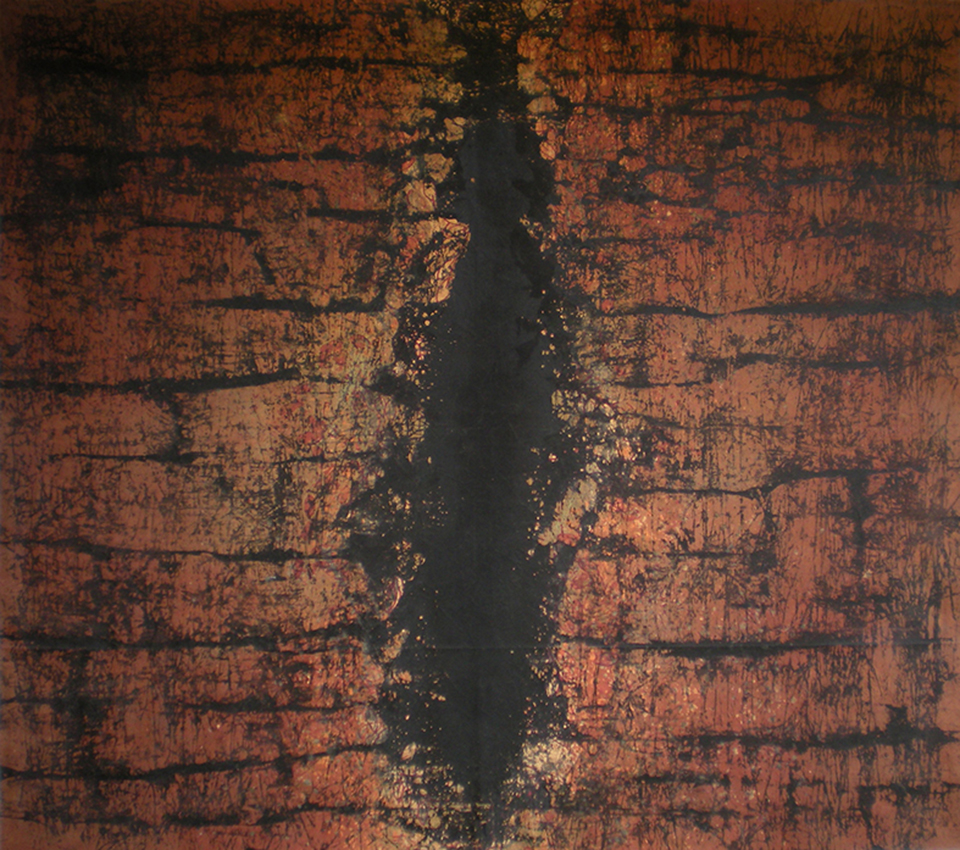
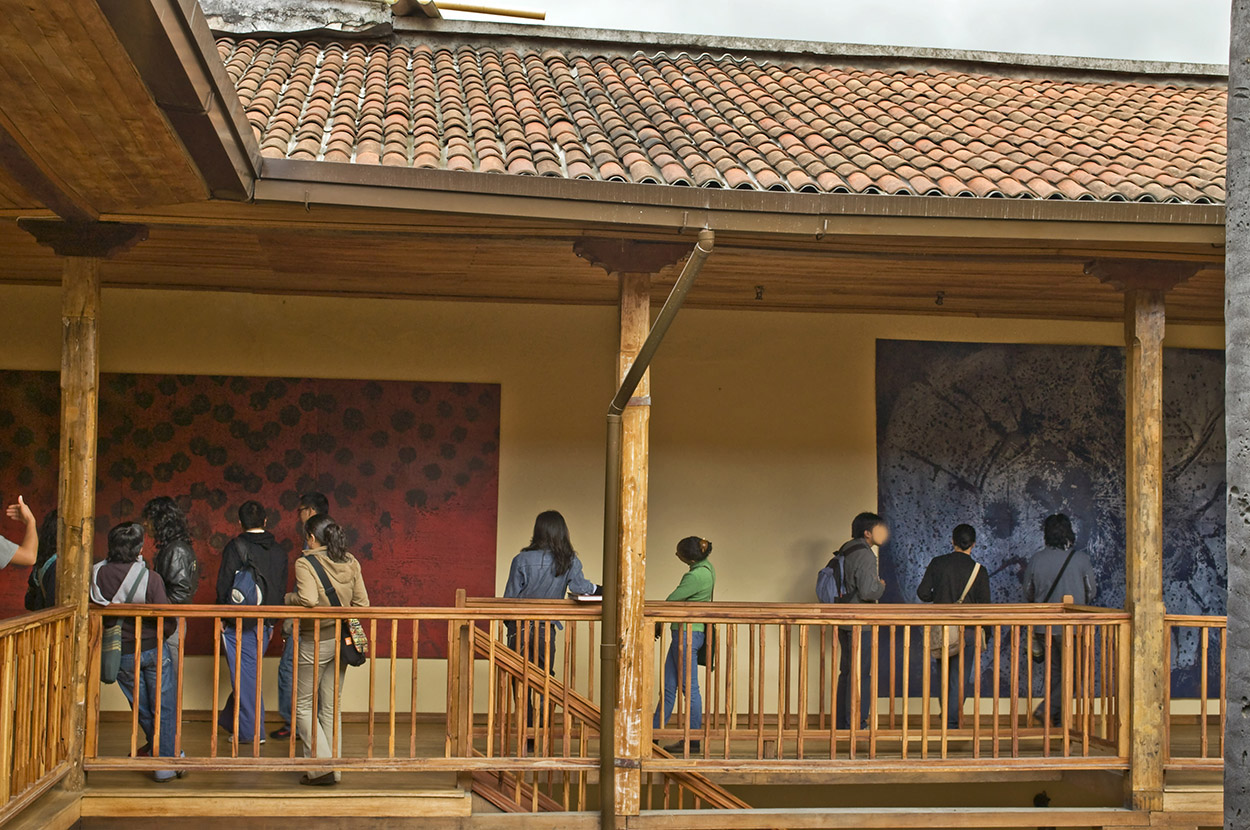
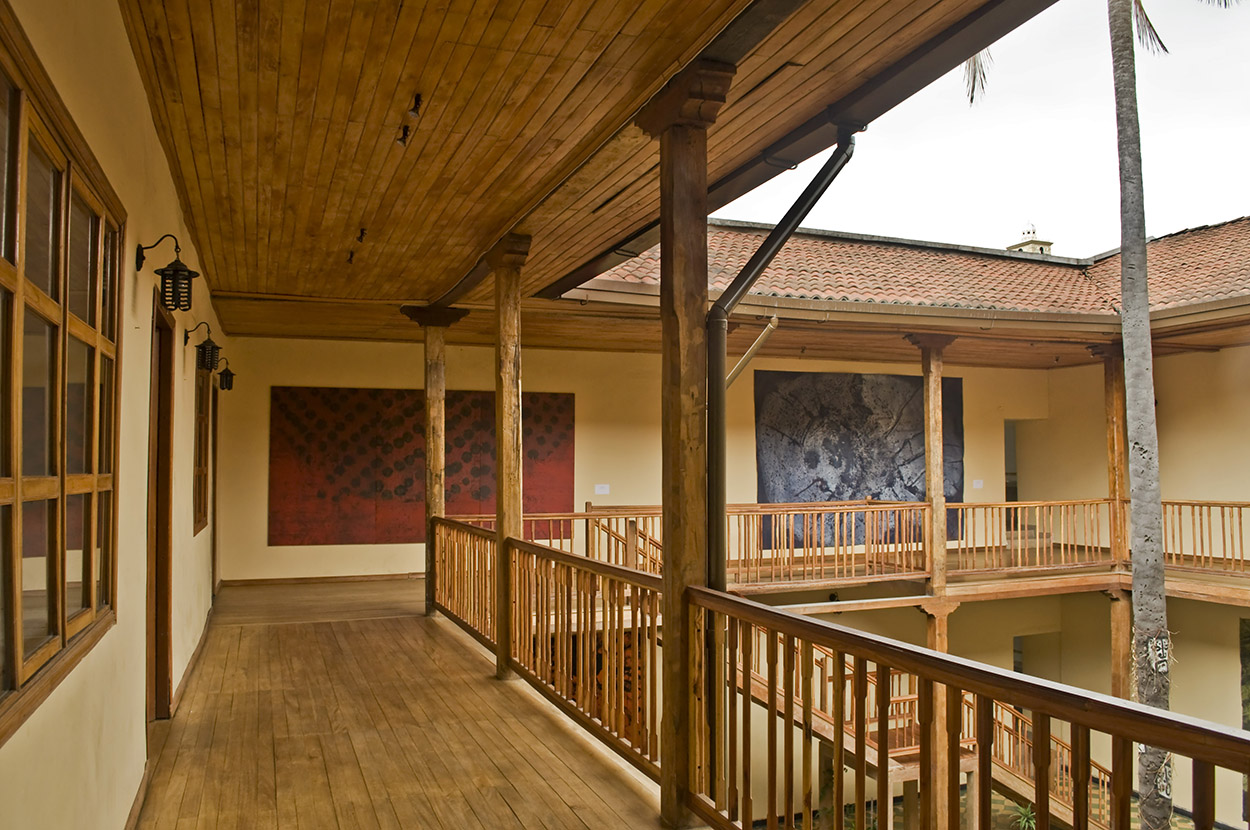
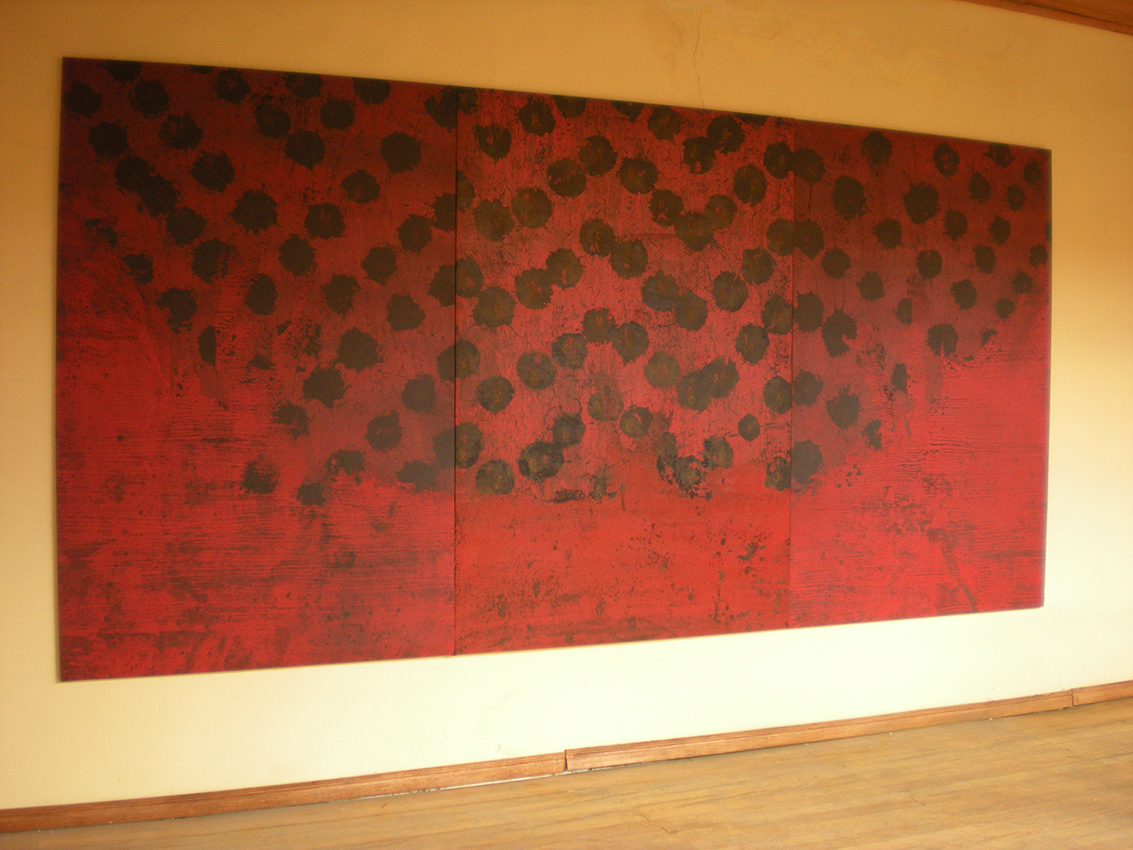
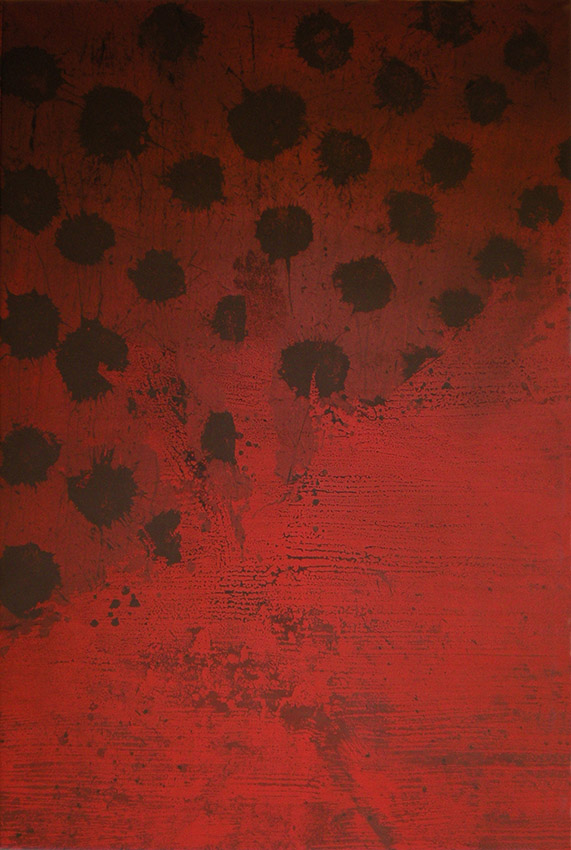
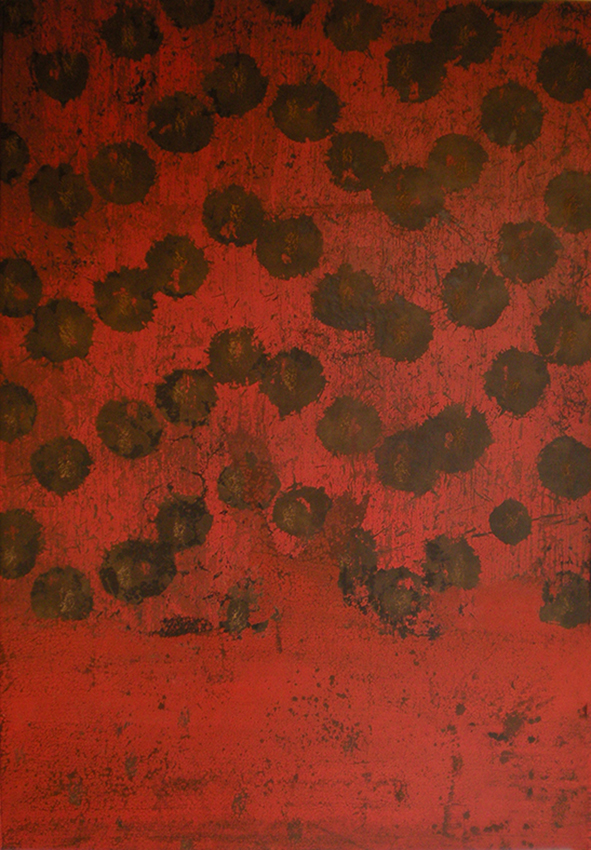
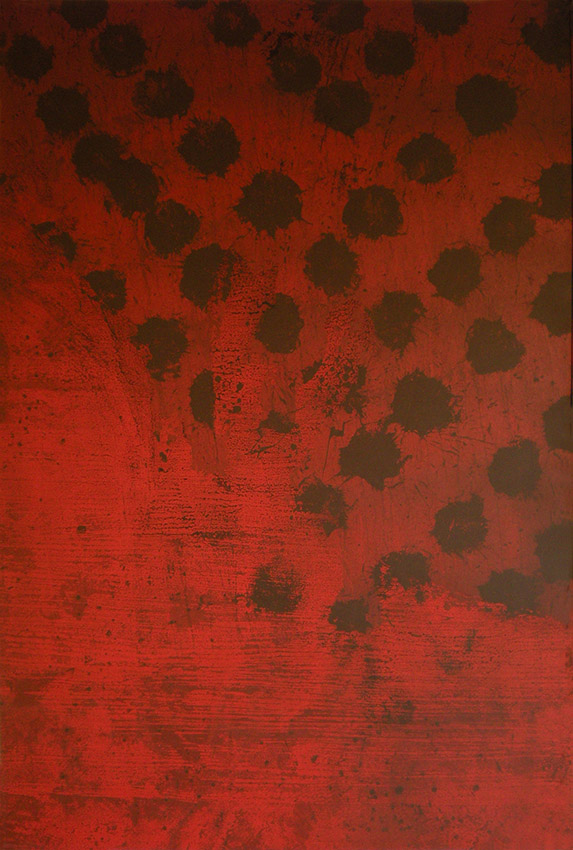
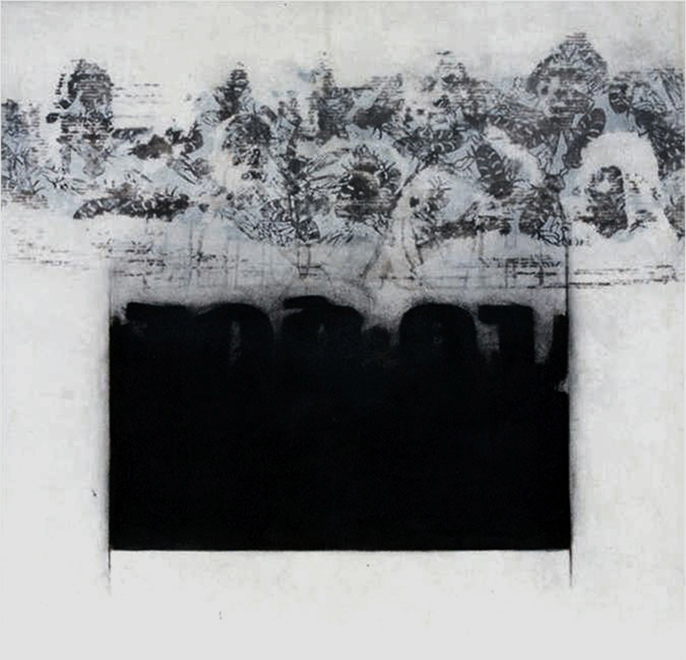
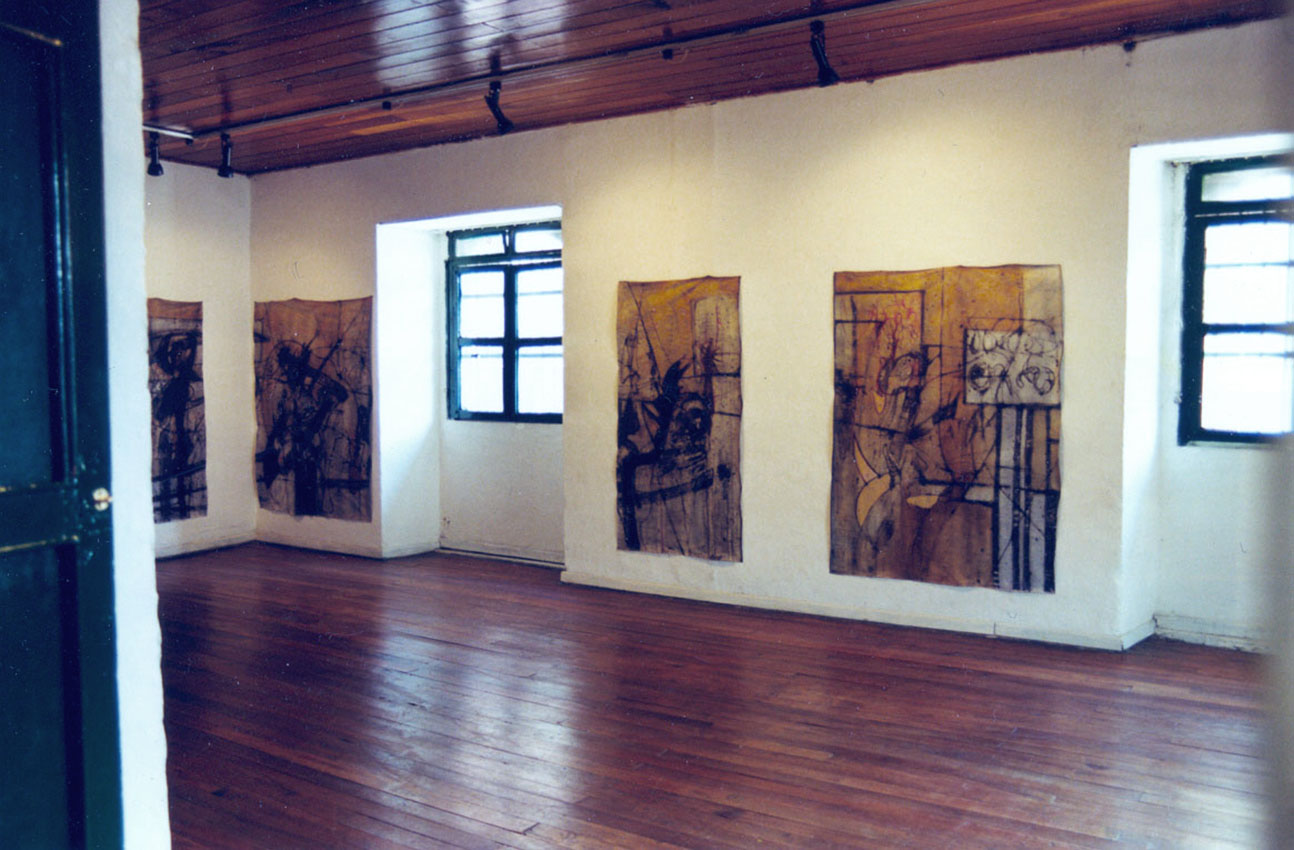
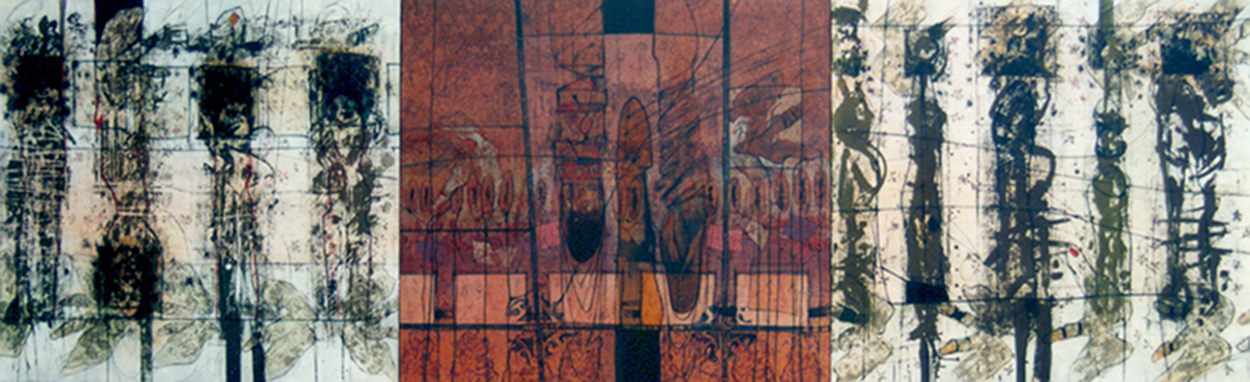
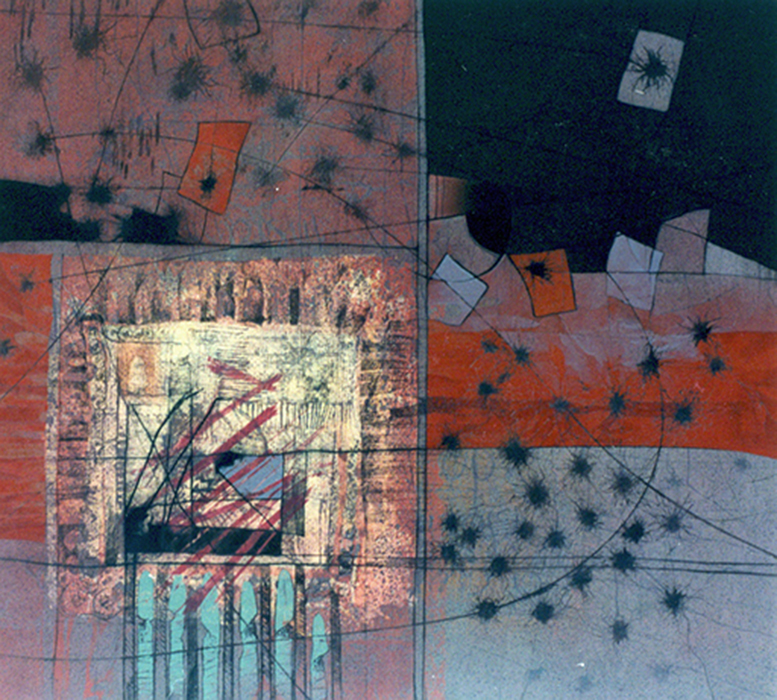
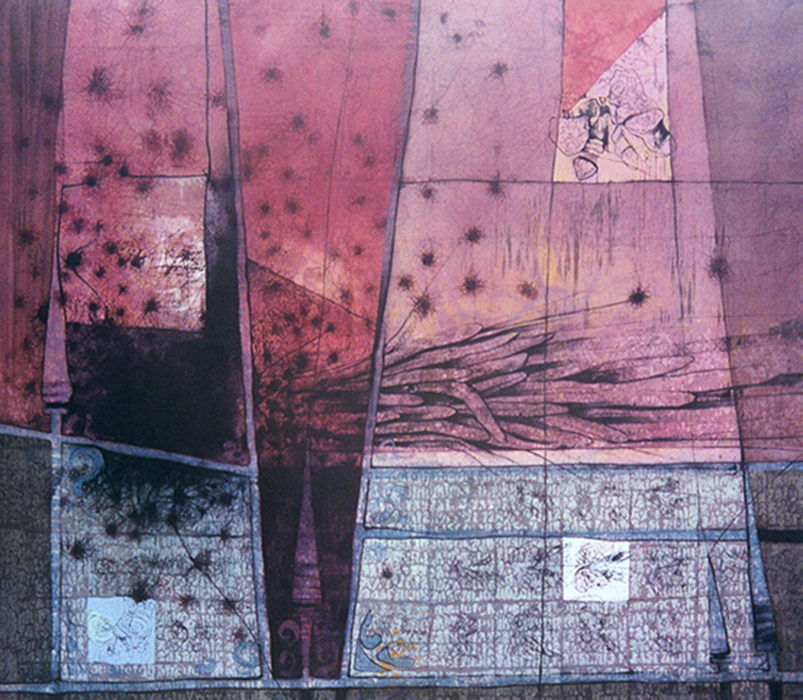
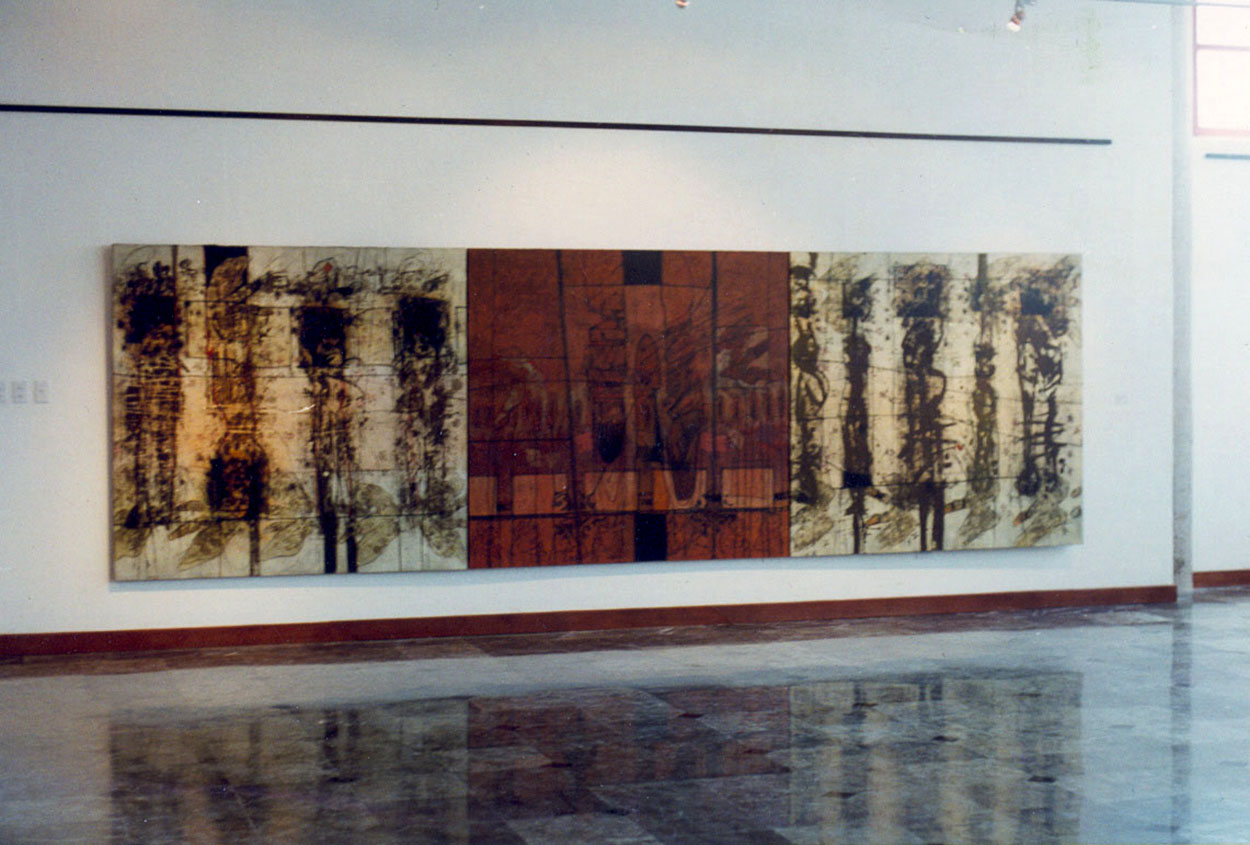
Sitting in front of one of the enormous triptychs of his volcanoes that initiate the process of "Line of Fire," he goes on inquiring, climbing into this crater, about the explosive nature of volcanoes, their capacity for destruction, their capacity for creation and the construction of the landscape, etc.., and proposes a similarity where the measure is the human being, the man in the broadest sense, establishing a relationship with his explosive nature, where the result is pain and suffering, violence and destruction, war and hatred, atavistic elements of a species with great creativITY and at the same time a capacity to self-destructive.
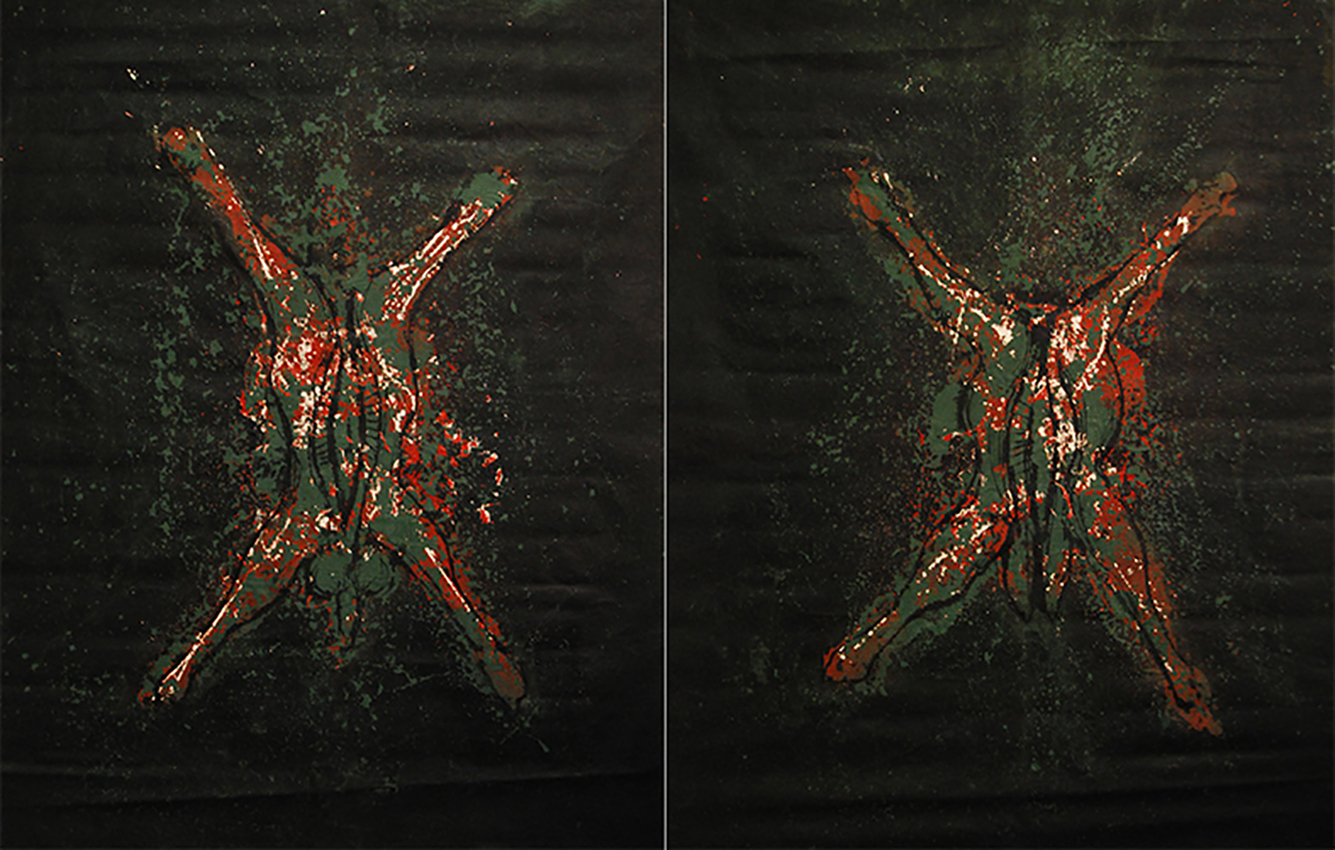
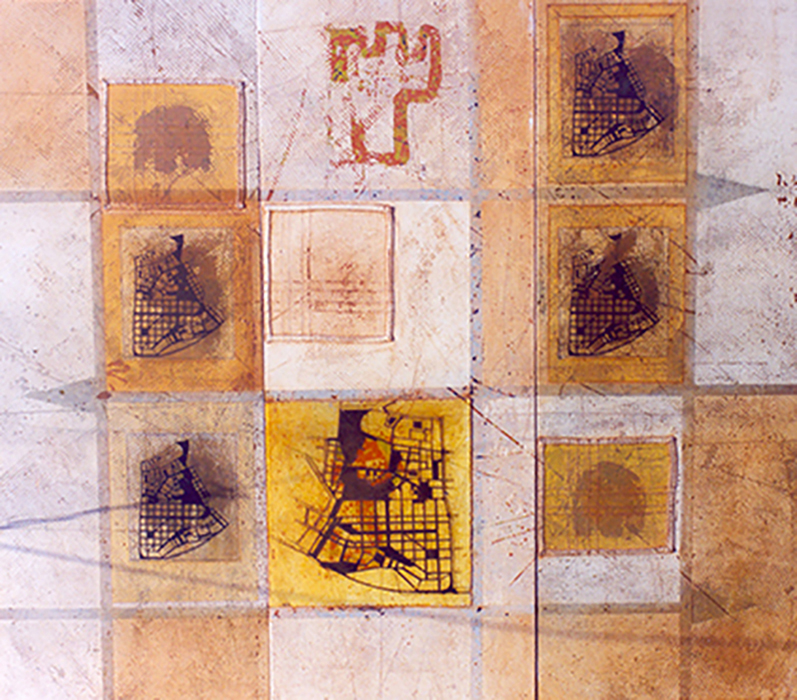
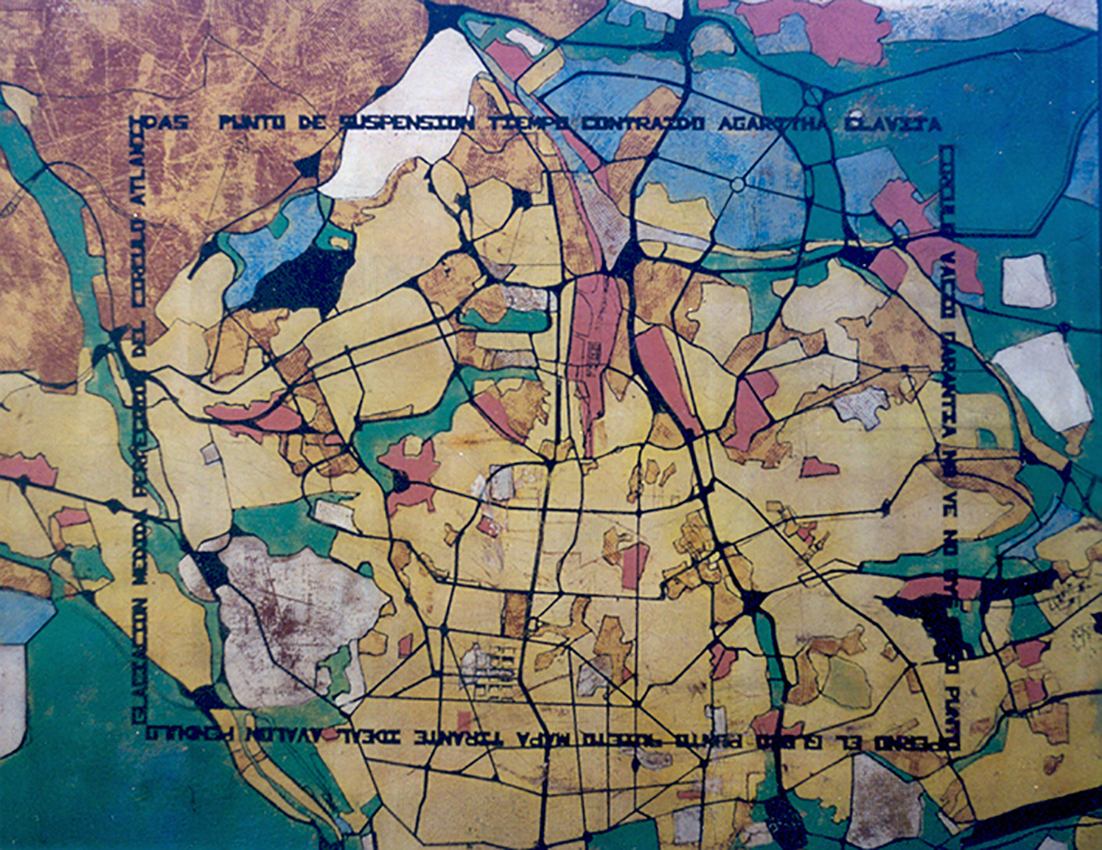
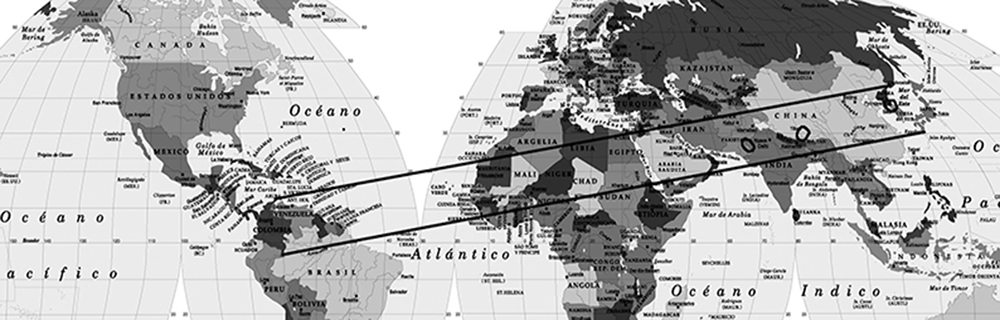
The Galeras volcano floods the beautiful city of Pasto with ashes, and from that roar of the land that disturbs the placid Andean silence, also arises the artist's concern about his own nature, as a human being, as a creator, as a member of a community, violated by the telluric force of hatred, as a citizen of a country hit by violence, social injustice, state crime, paramilitary, guerrilla warfare, drug trafficking, and much more misfortunes that make us the epicentre of almost all disasters. From this origin that all Colombians suffer from, Edgar traces, from two distant points of Colombia, two coordinates, two symbolic sites, two ecliptic lines that he projects like an ominous shadow over the rest of the planet, revealing to us once again, a geographical dimension that we could call, a tropic of disaster , in which the points that he points out to us, these other chosen coordinates, reveal these human volcanoes: explosions of political hatreds, religious disasters, barbarities, injustices of war and hunger, genocides and cruelties, miseries of the unreason of an anthropophagous species of excessive ambitions.
The globe could be revolving, and volcanoes would emerge all over the planet, from north to south and from east to west; in a landscape of degrees, minutes, and seconds; lines of fire, smoking craters, explosive epicentres, to which Insuasty brings us closer with his artistic metaphor, putting his finger on the sore spot, from his volcanic origin, in both senses, by the Galeras that dominates his geography of birth and his memory, and that other volcano which is our country, eroded by the lava of blood that runs through us from the "patria boba" (a historical period in Colombia) to the present day, that country in which one would like that, as the maximum expression of its telluric fury, everything would remain, like the Galeras, in a roar and a fine rain of ash. Just ash.
Agustín Jiménez Pimentel
Barcelona. 2009-08-21