LAUGHTER OF NINE.
Edgar Insuasty. Tinta Invisible. Barcelona. 2009
By: Roy Francesc.
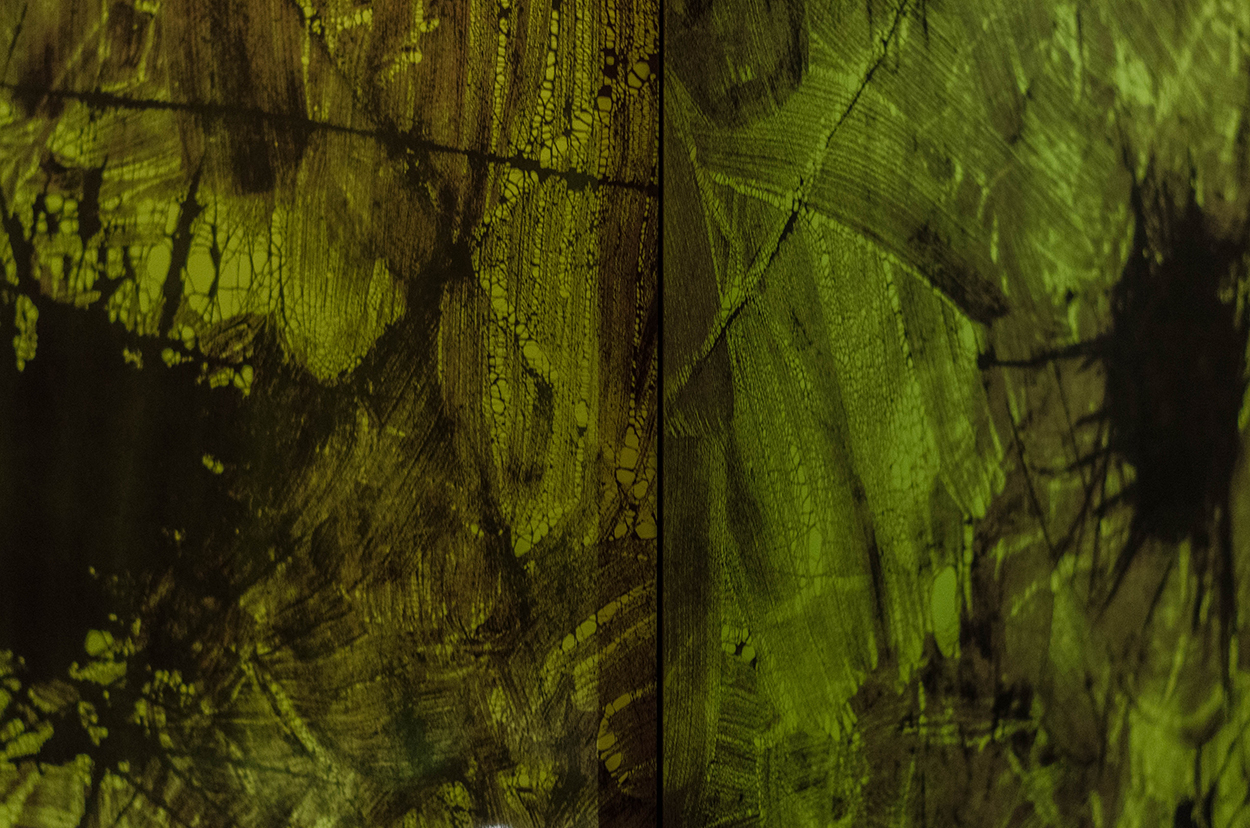
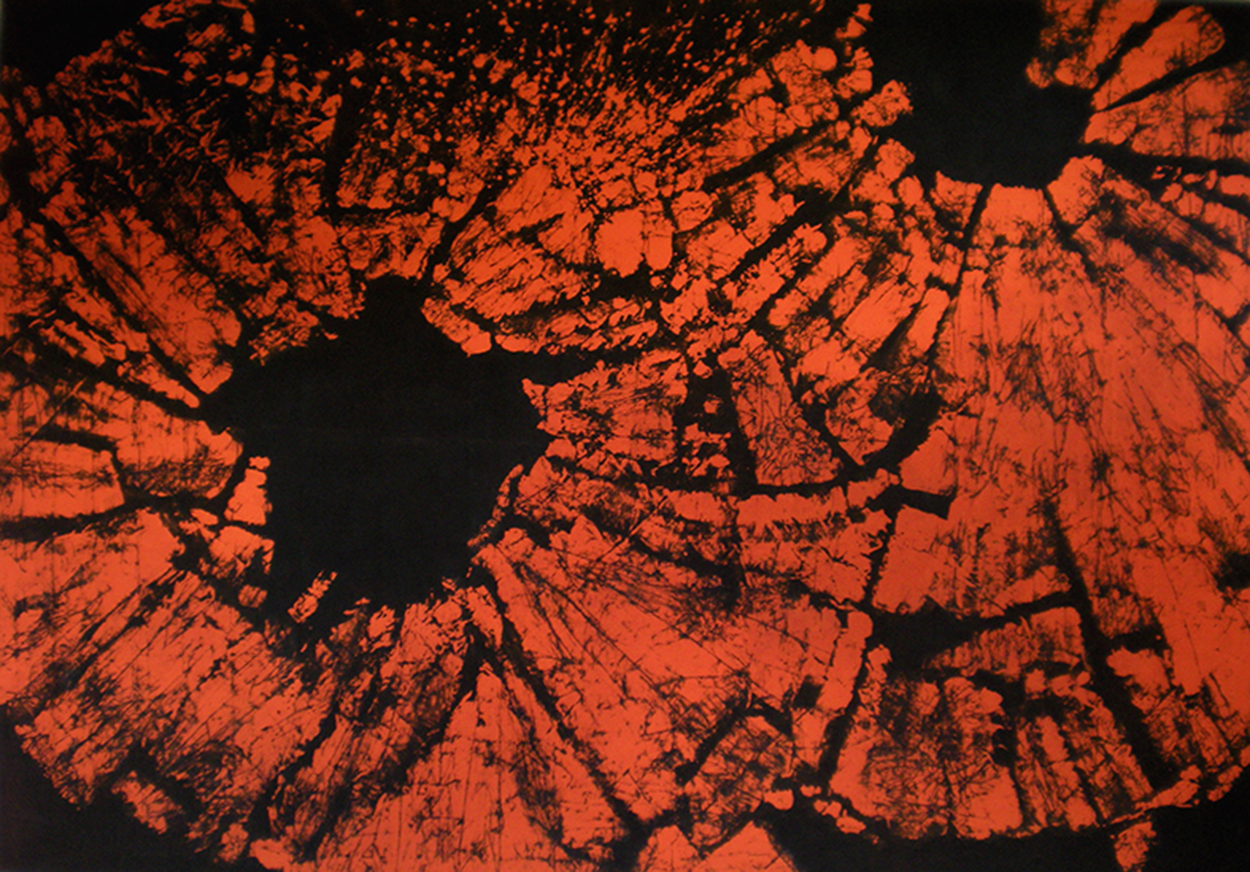
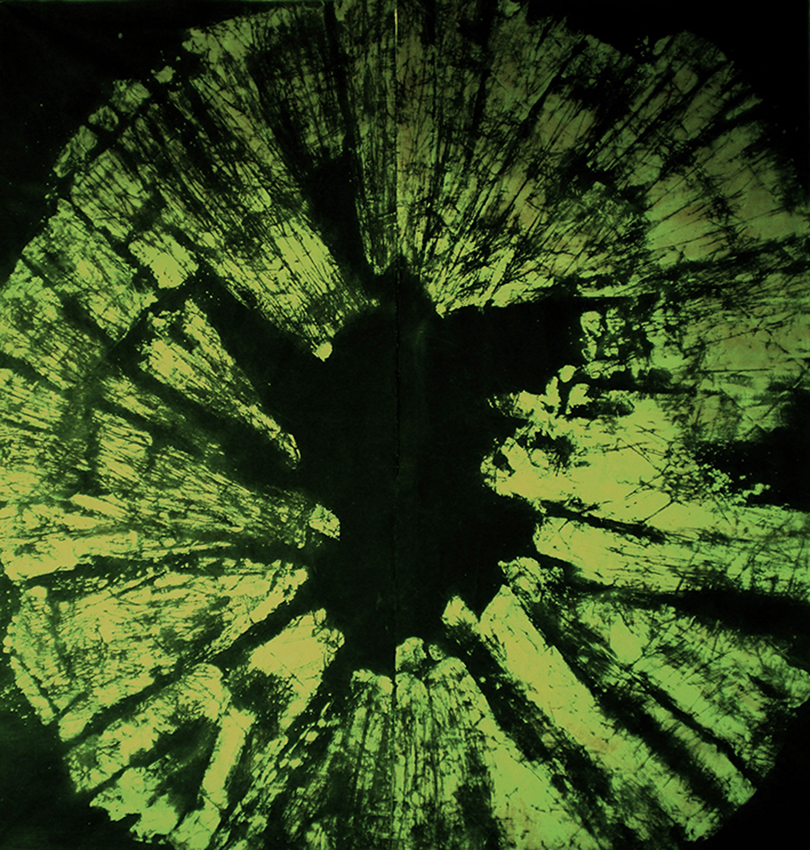
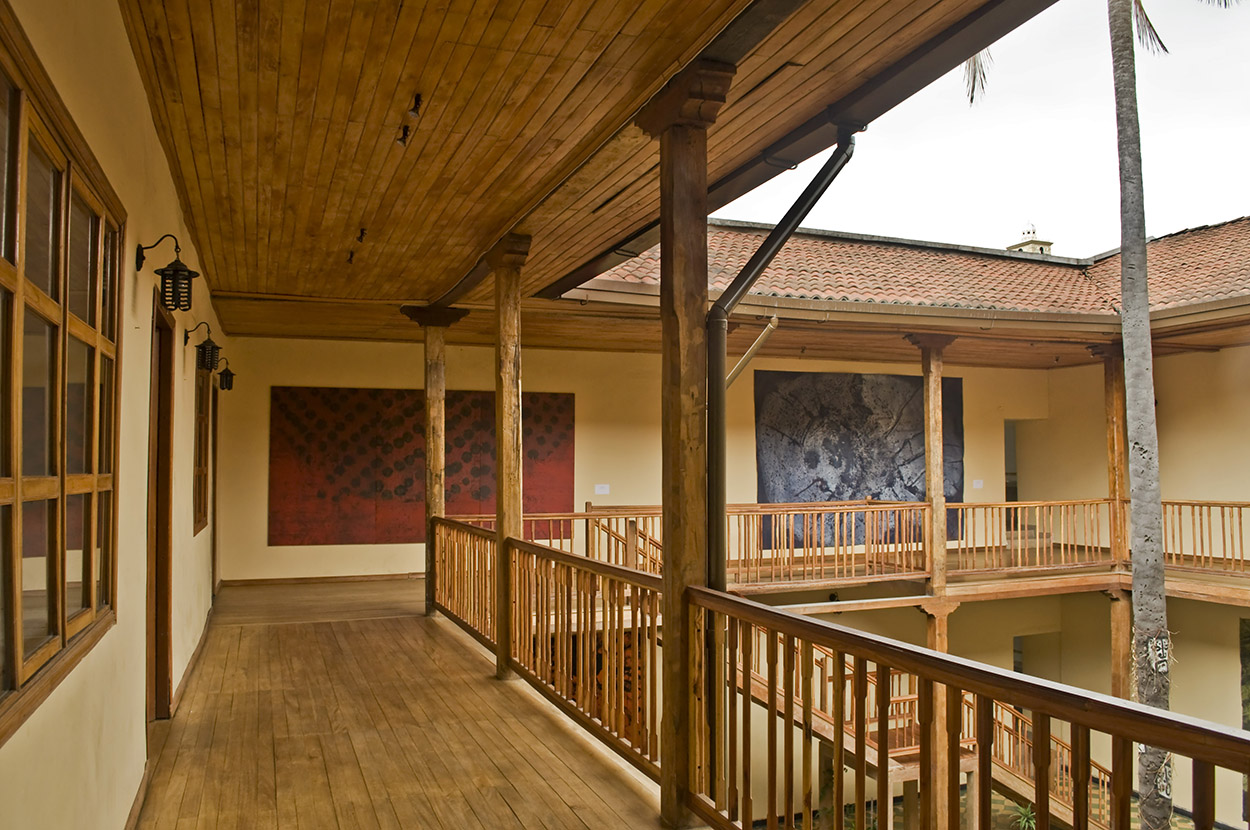
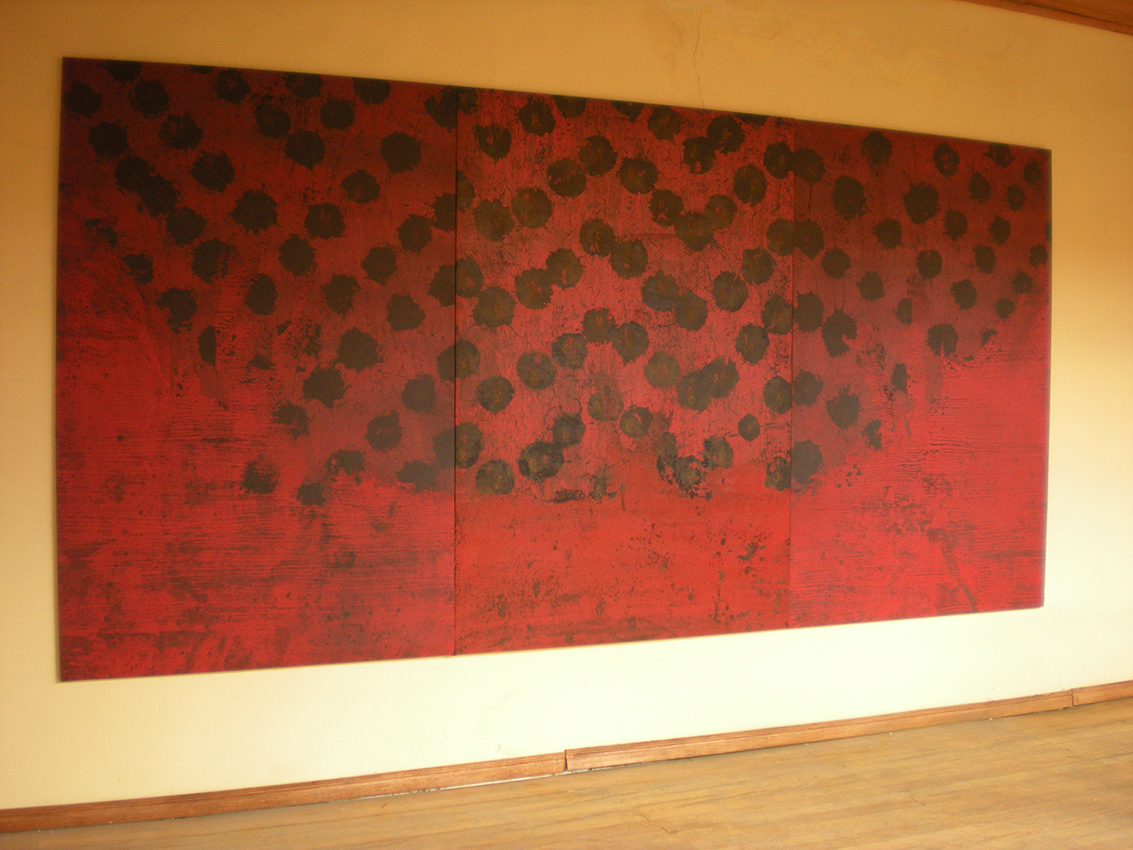
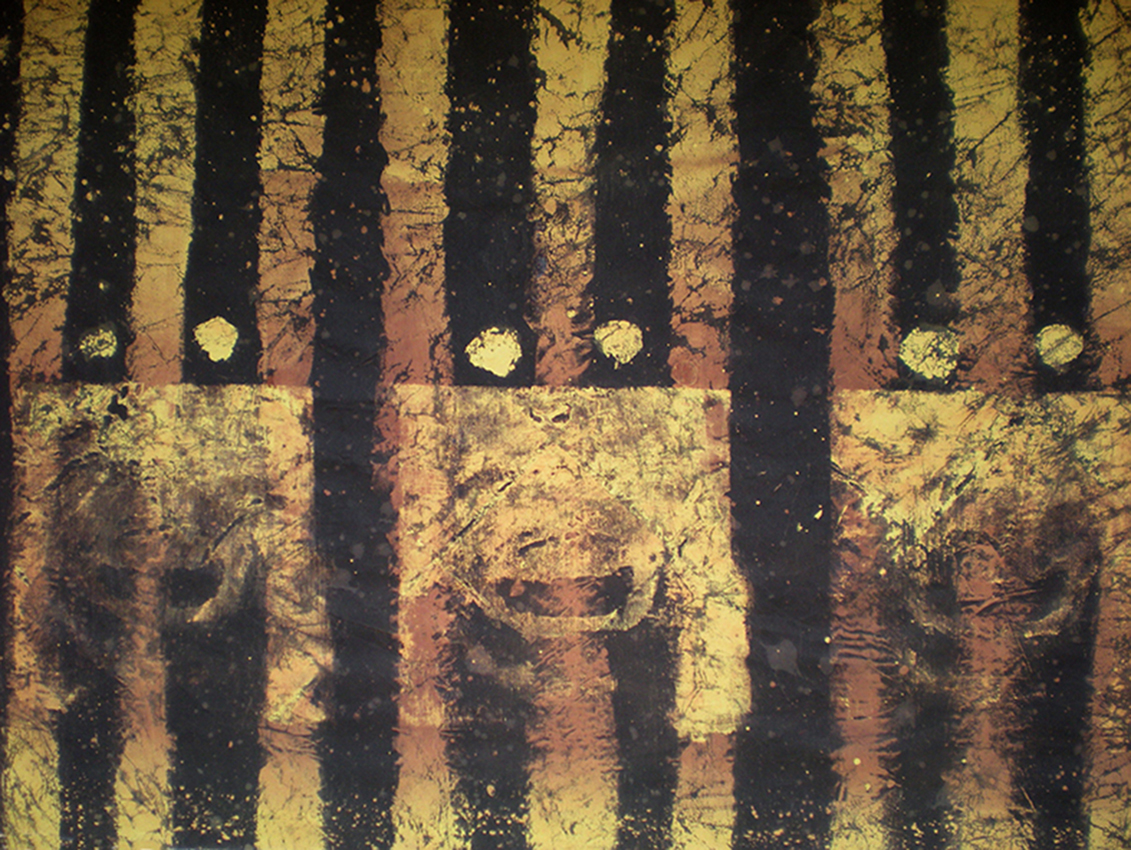
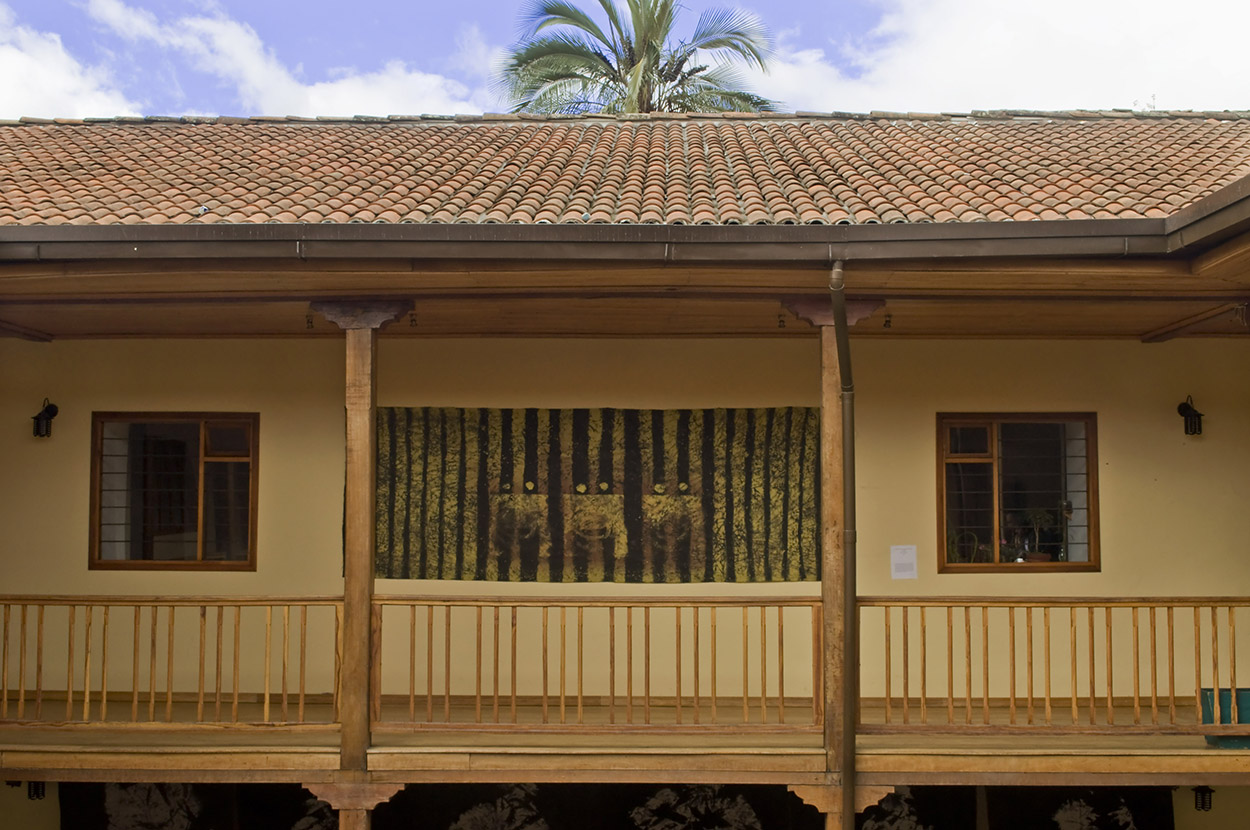
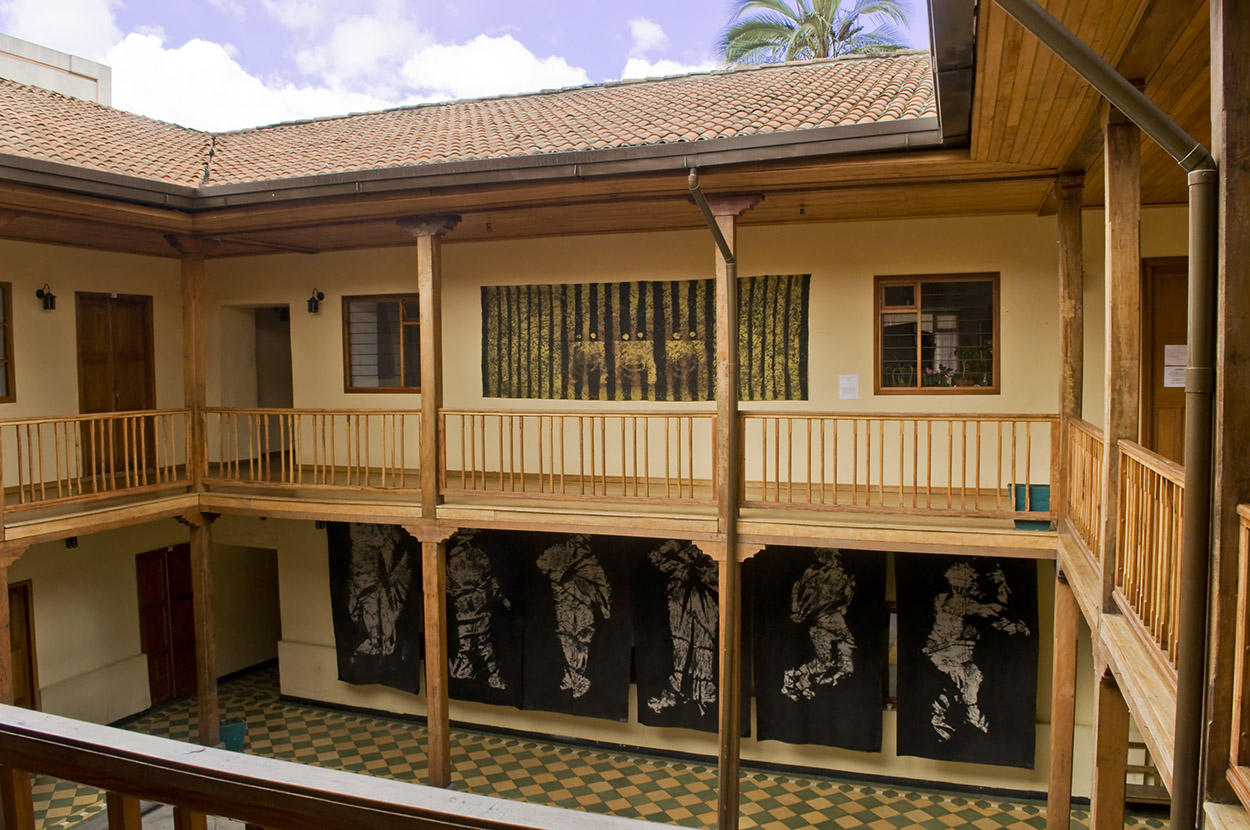
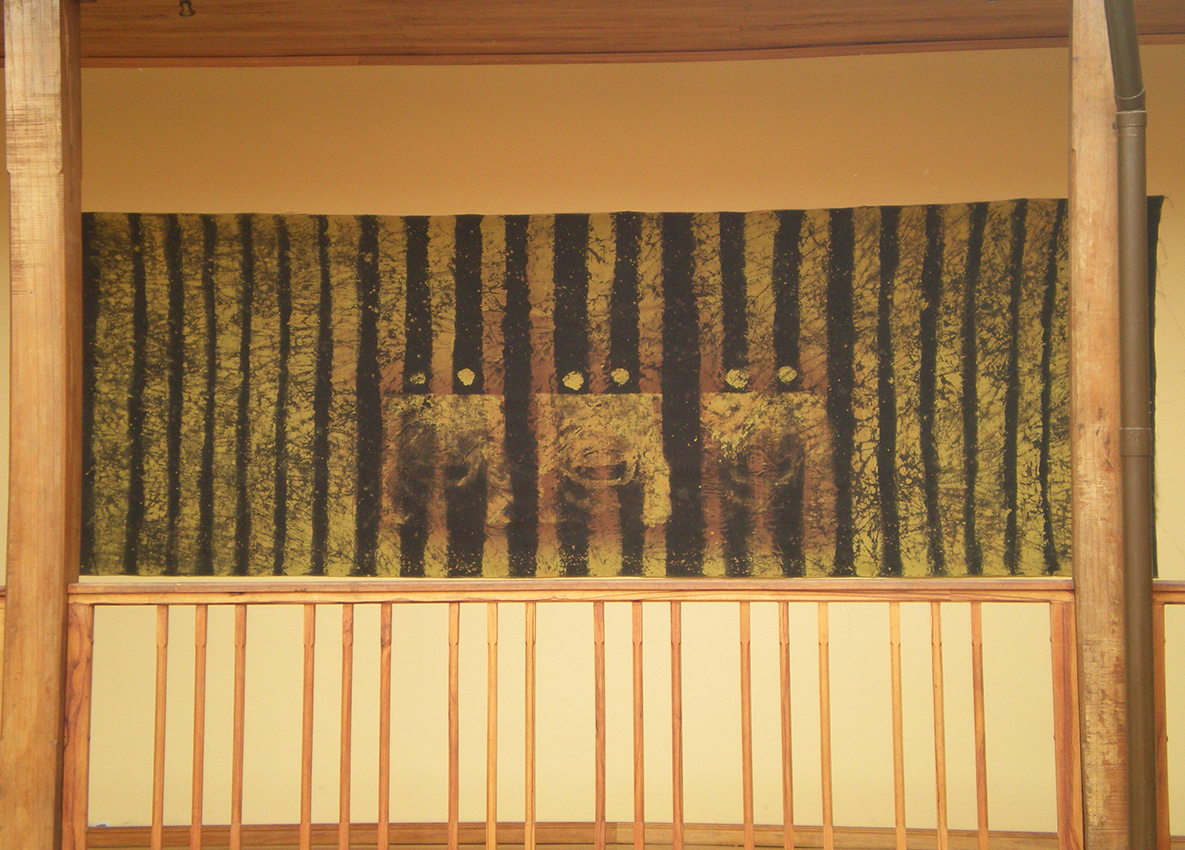
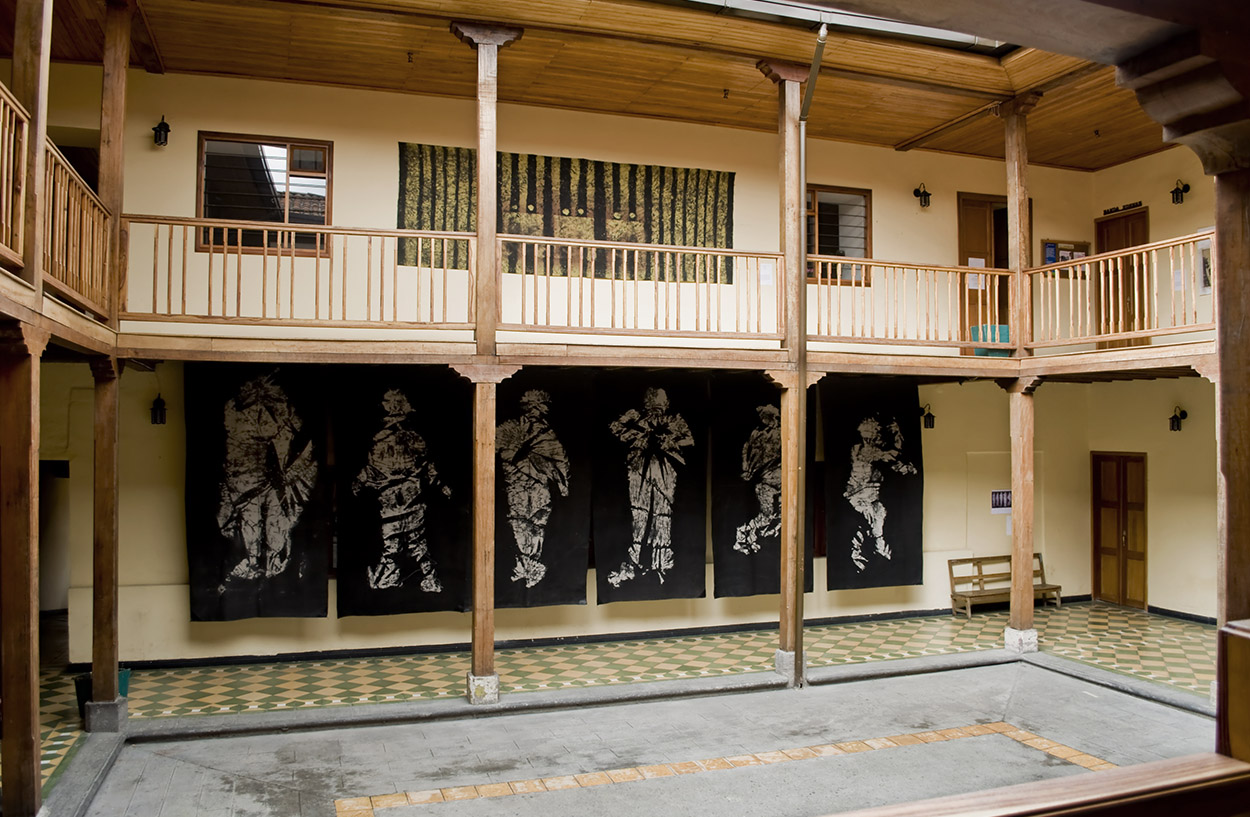
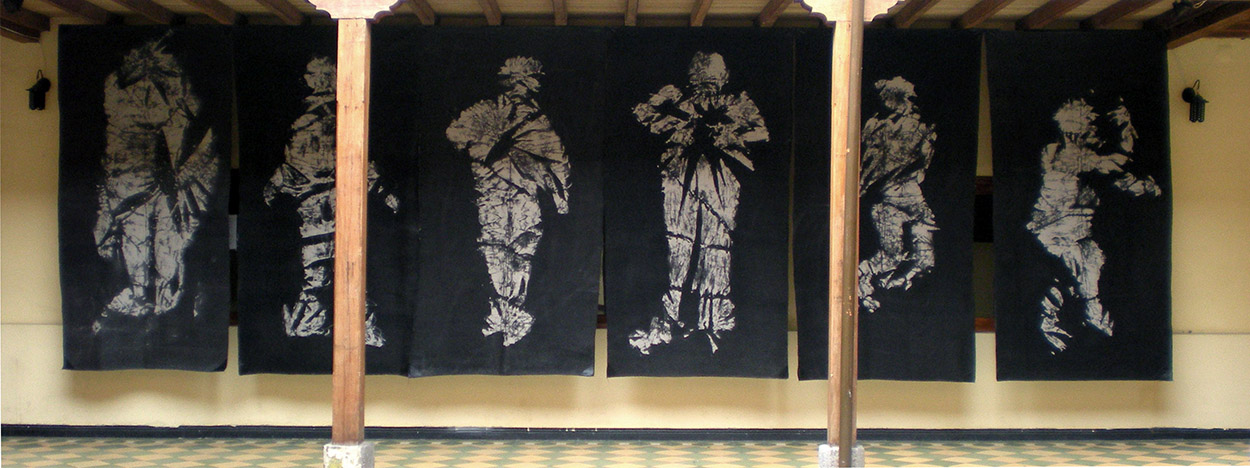
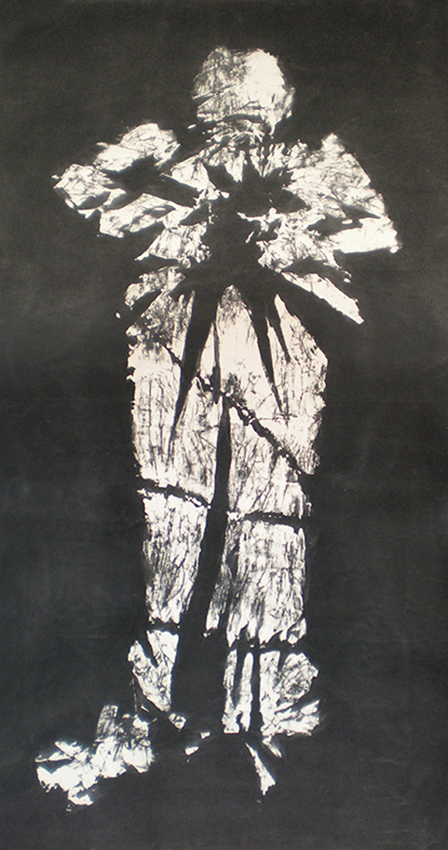
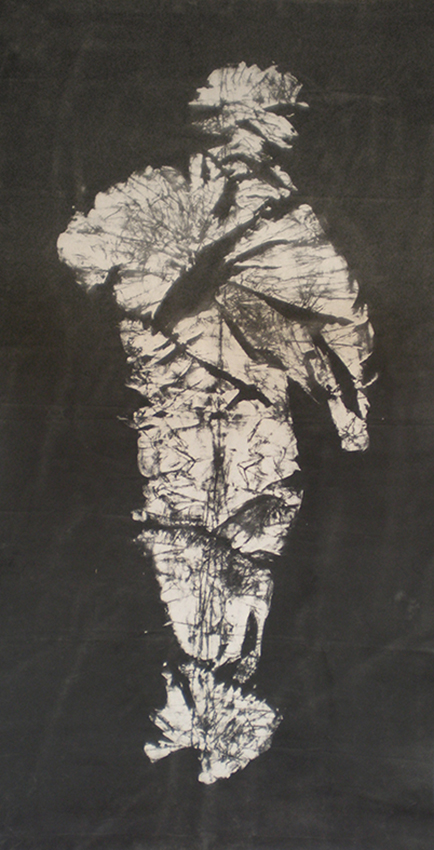
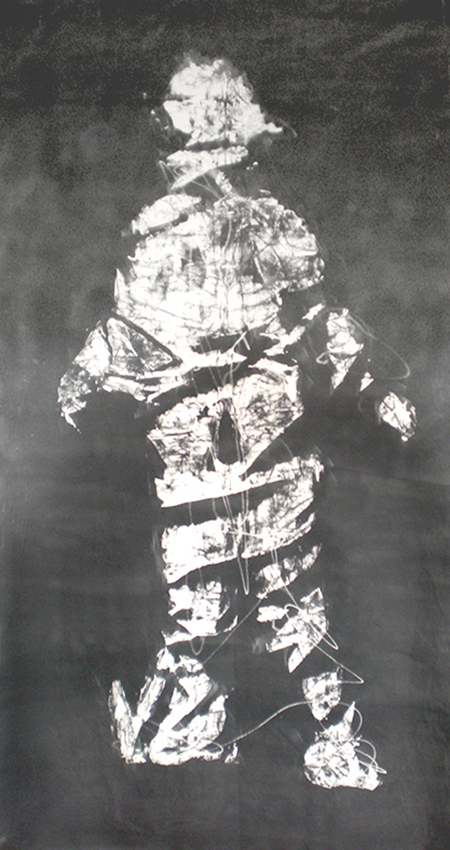
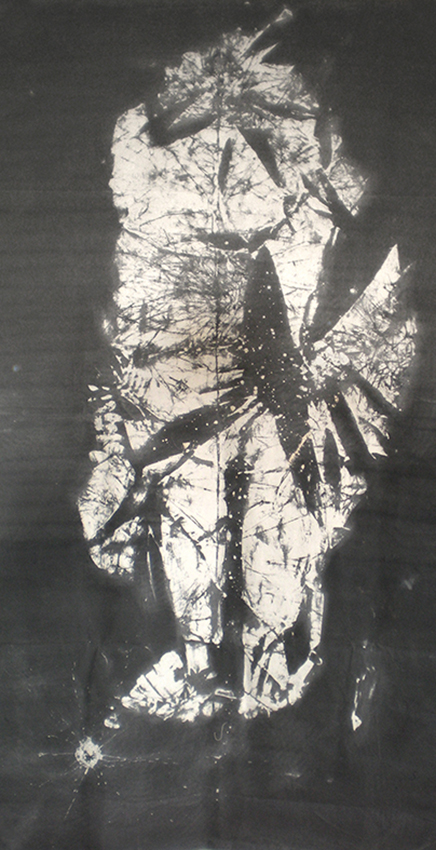
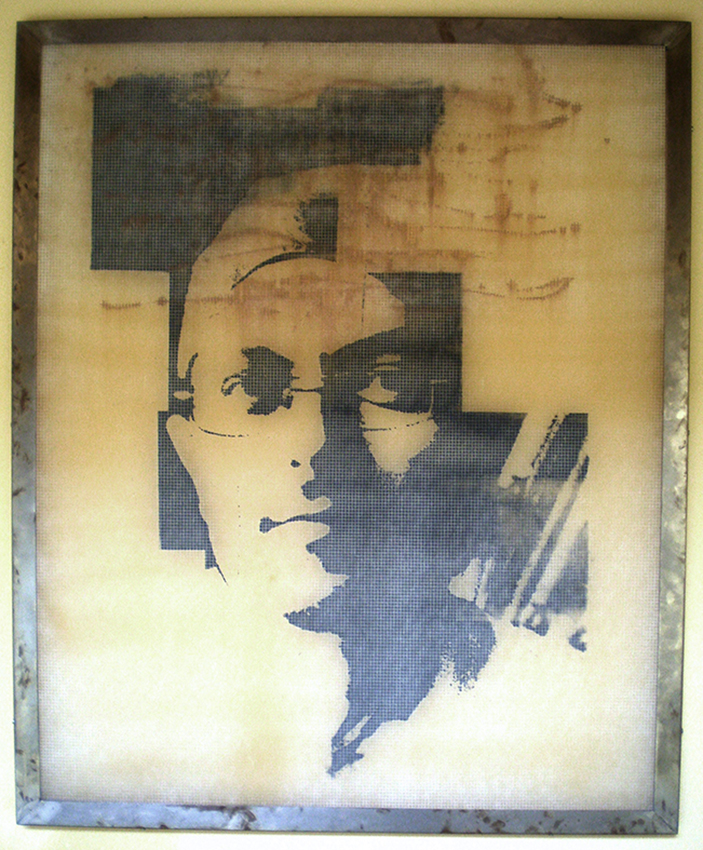
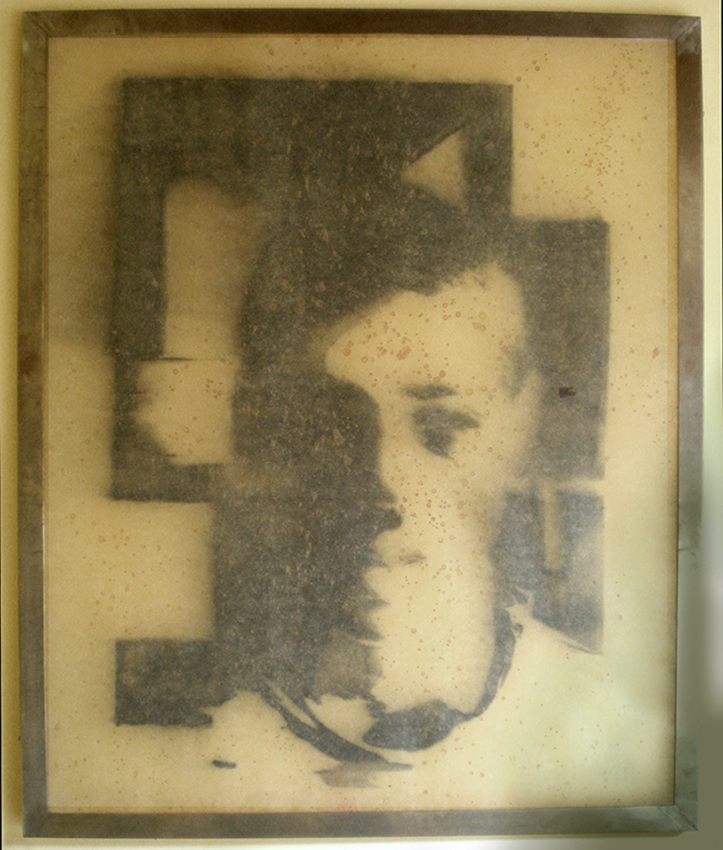
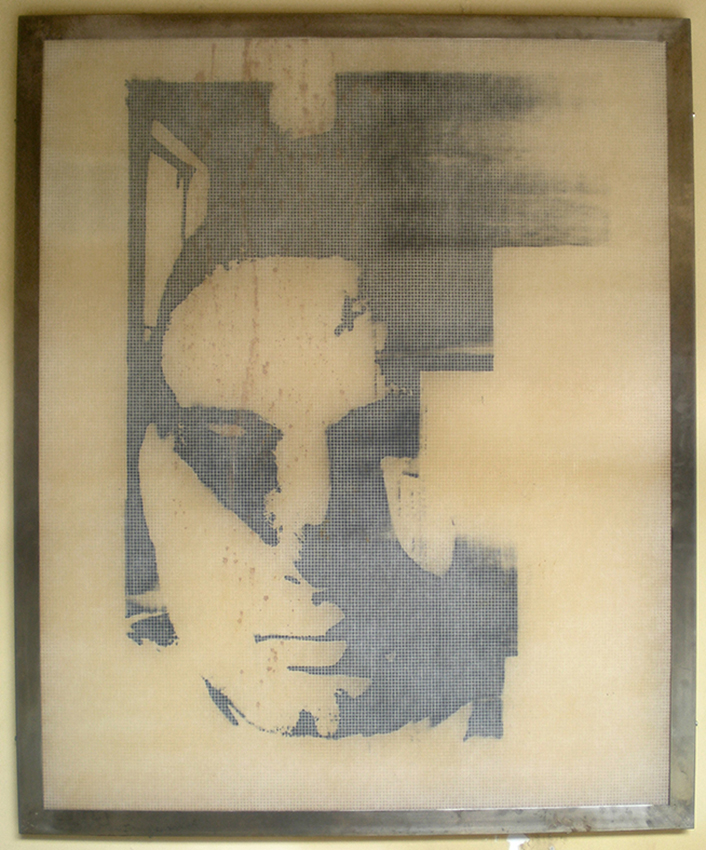
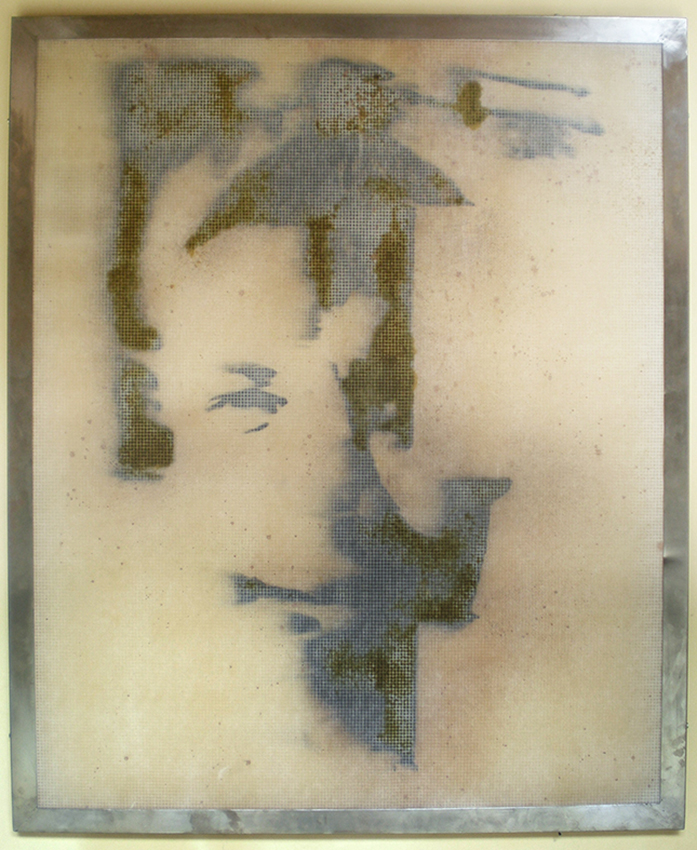
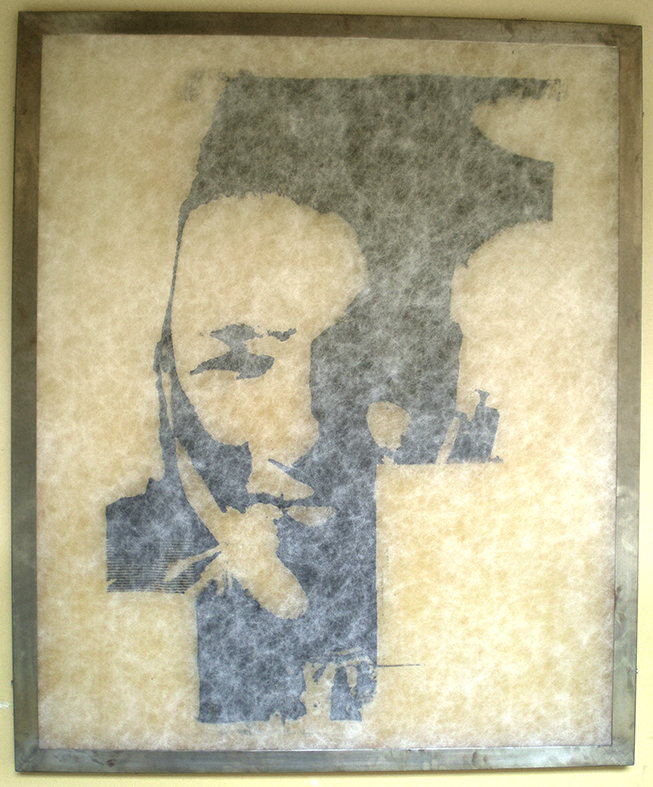
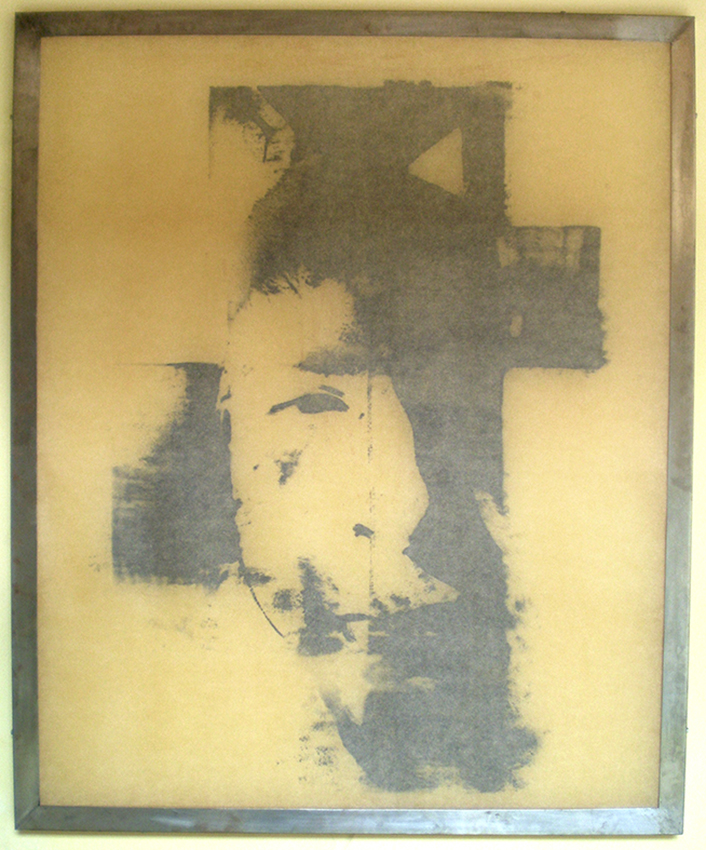
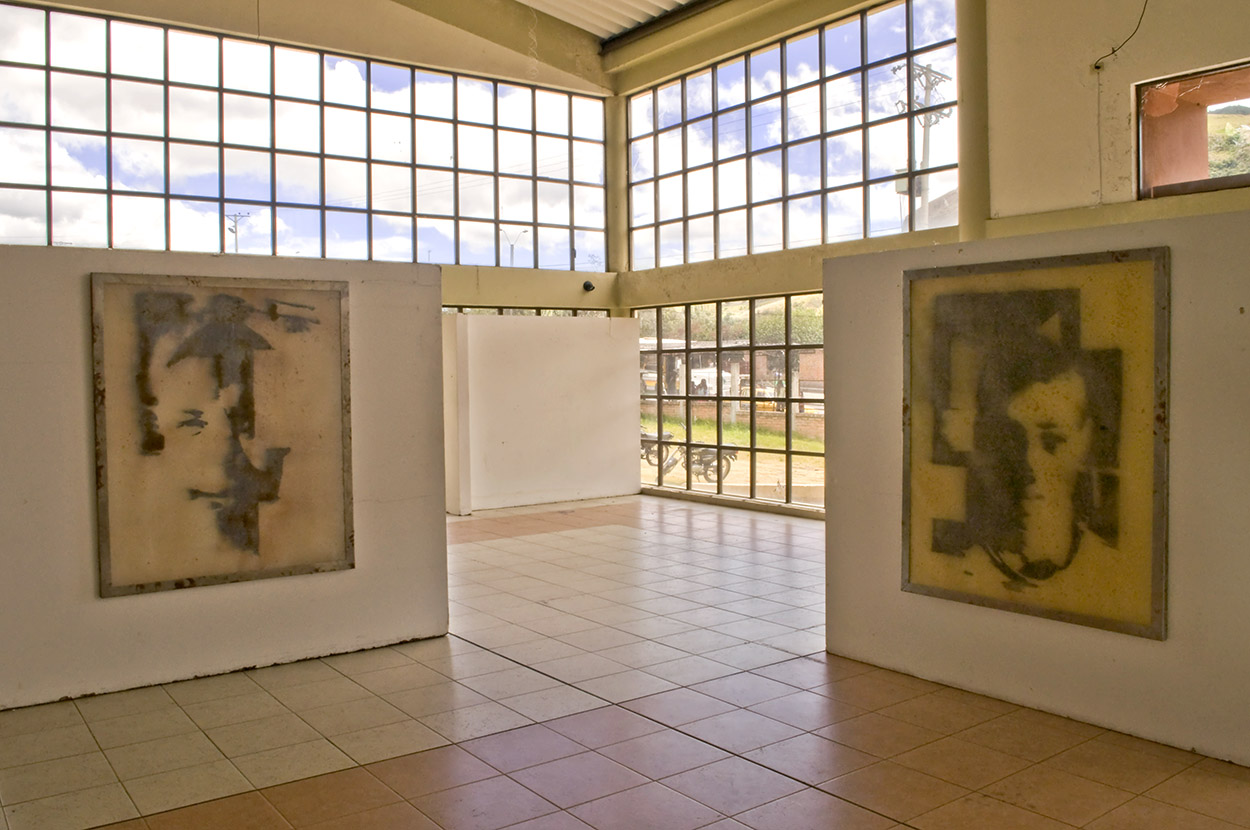
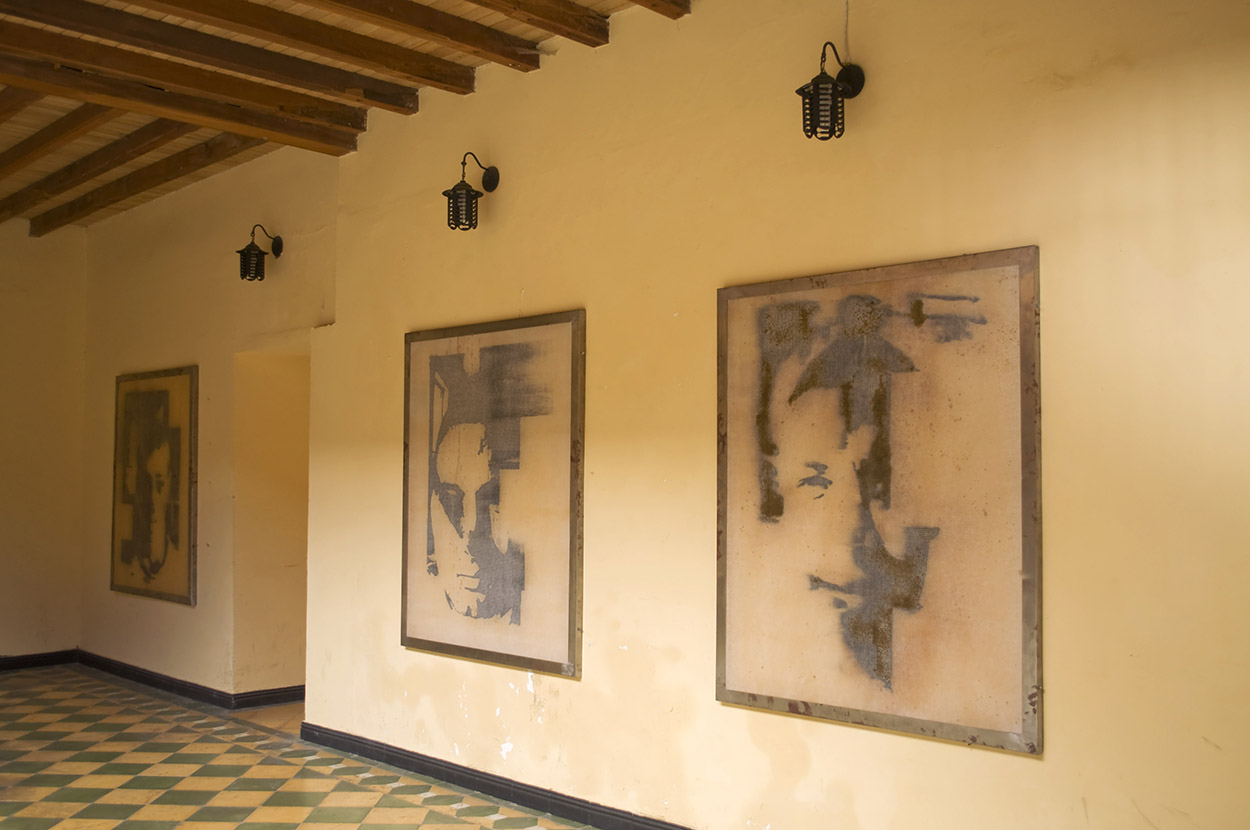
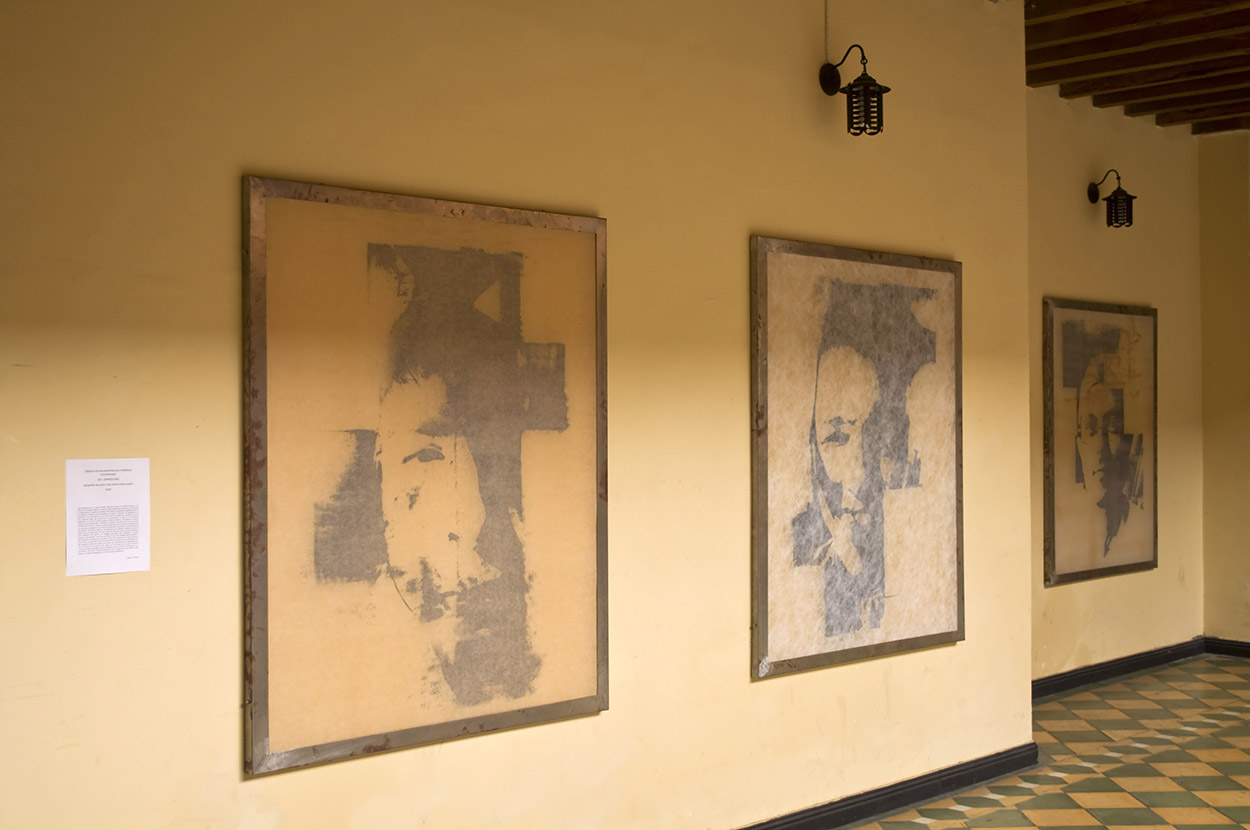
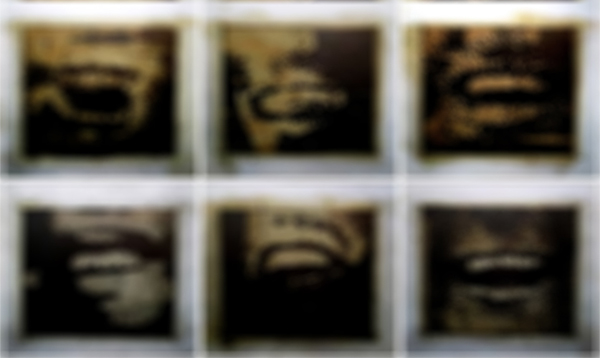
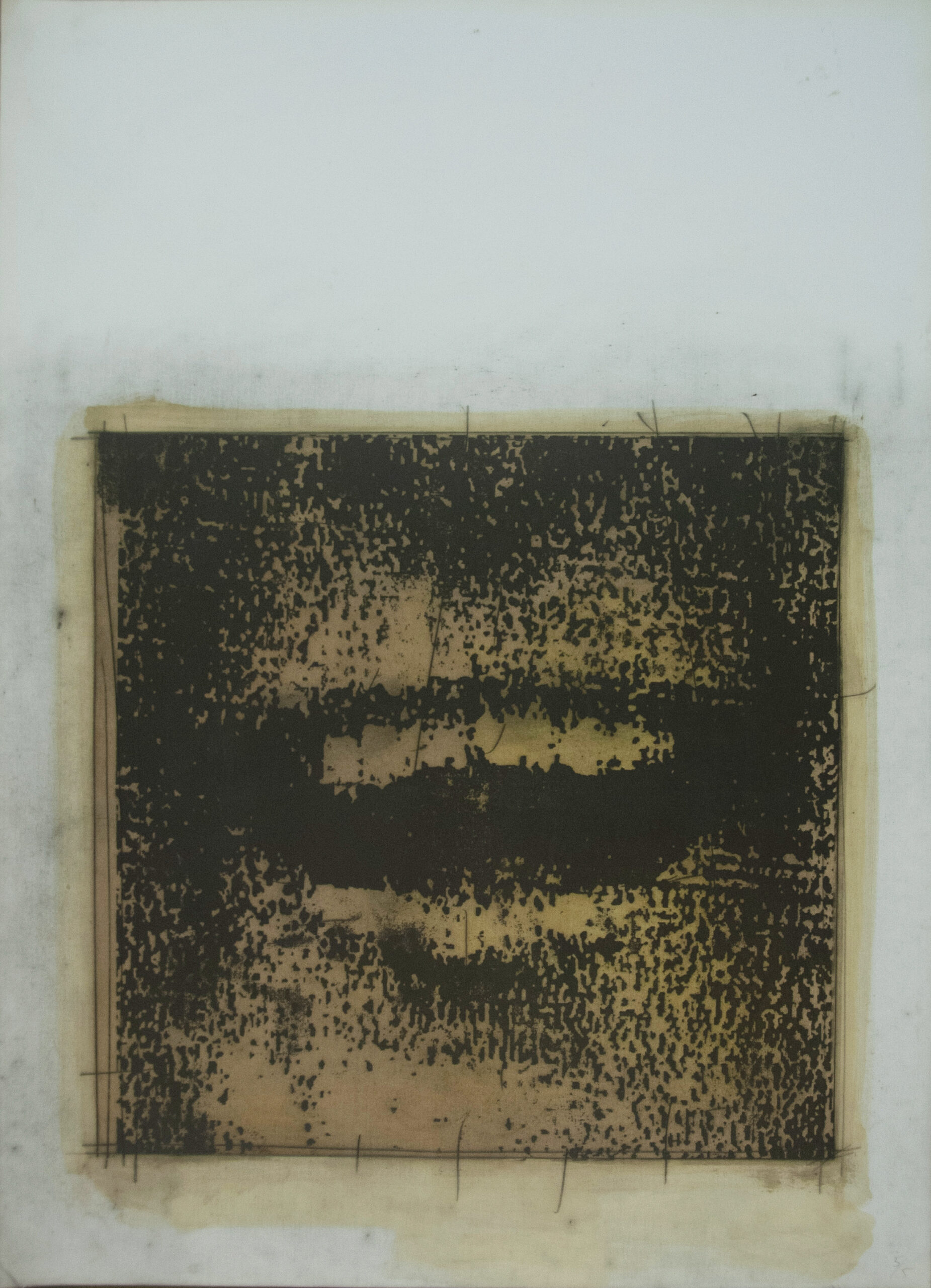
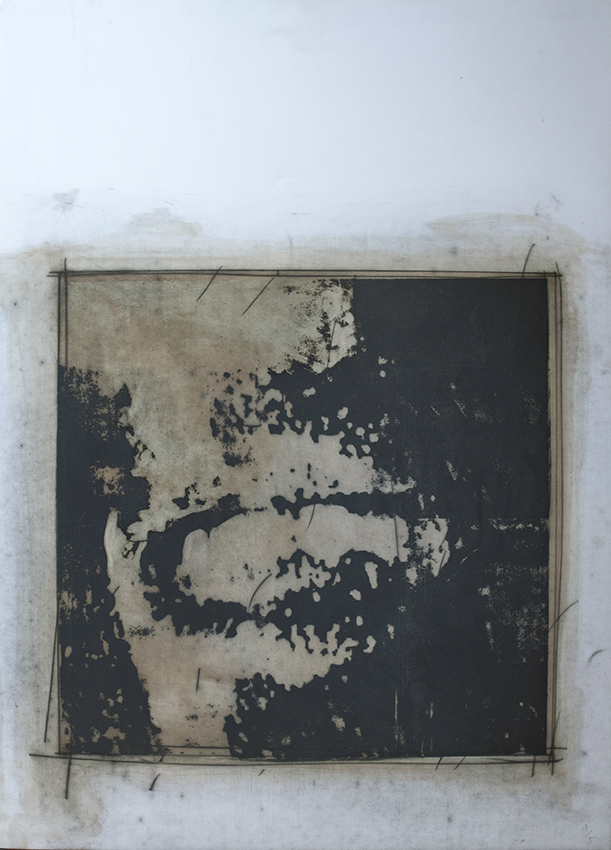
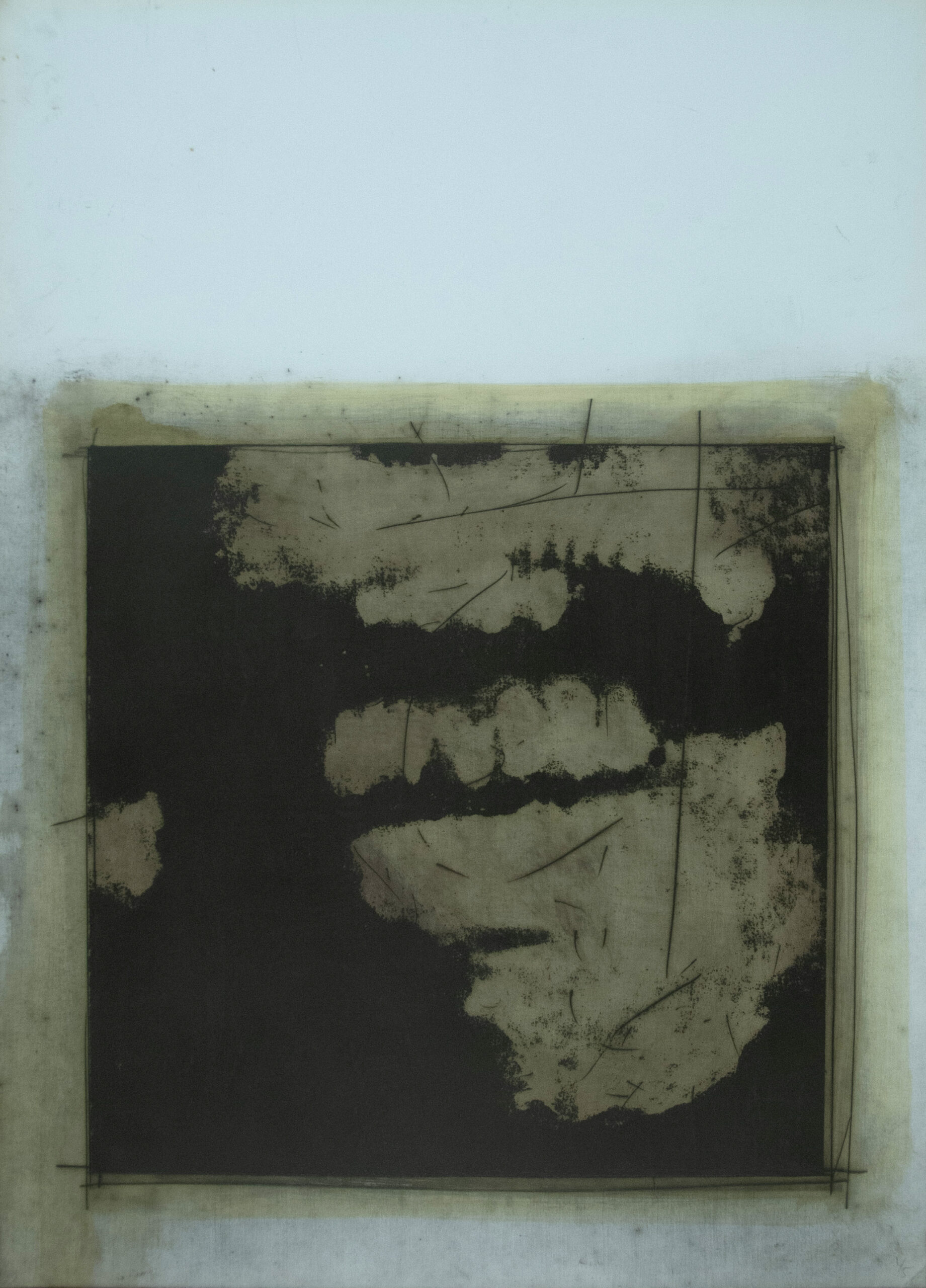
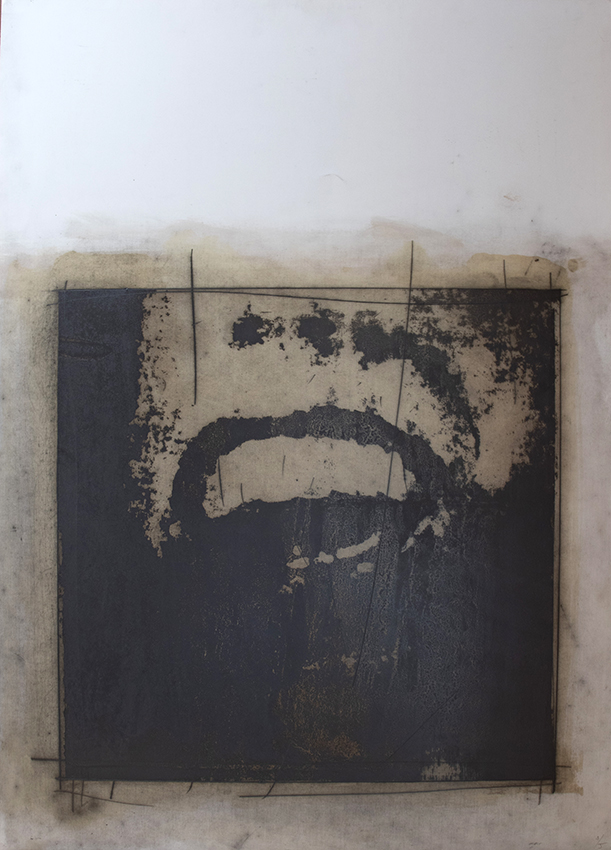
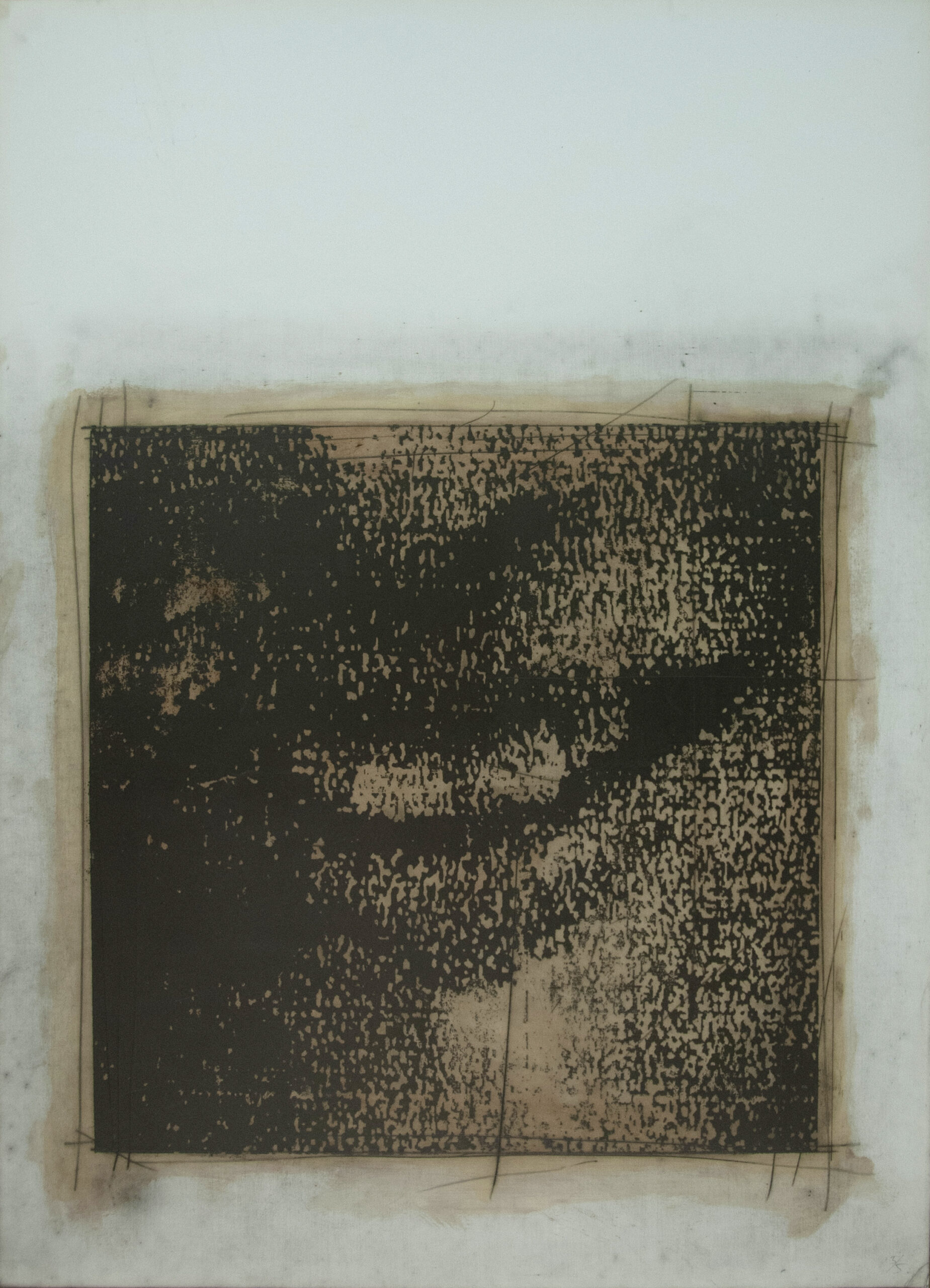
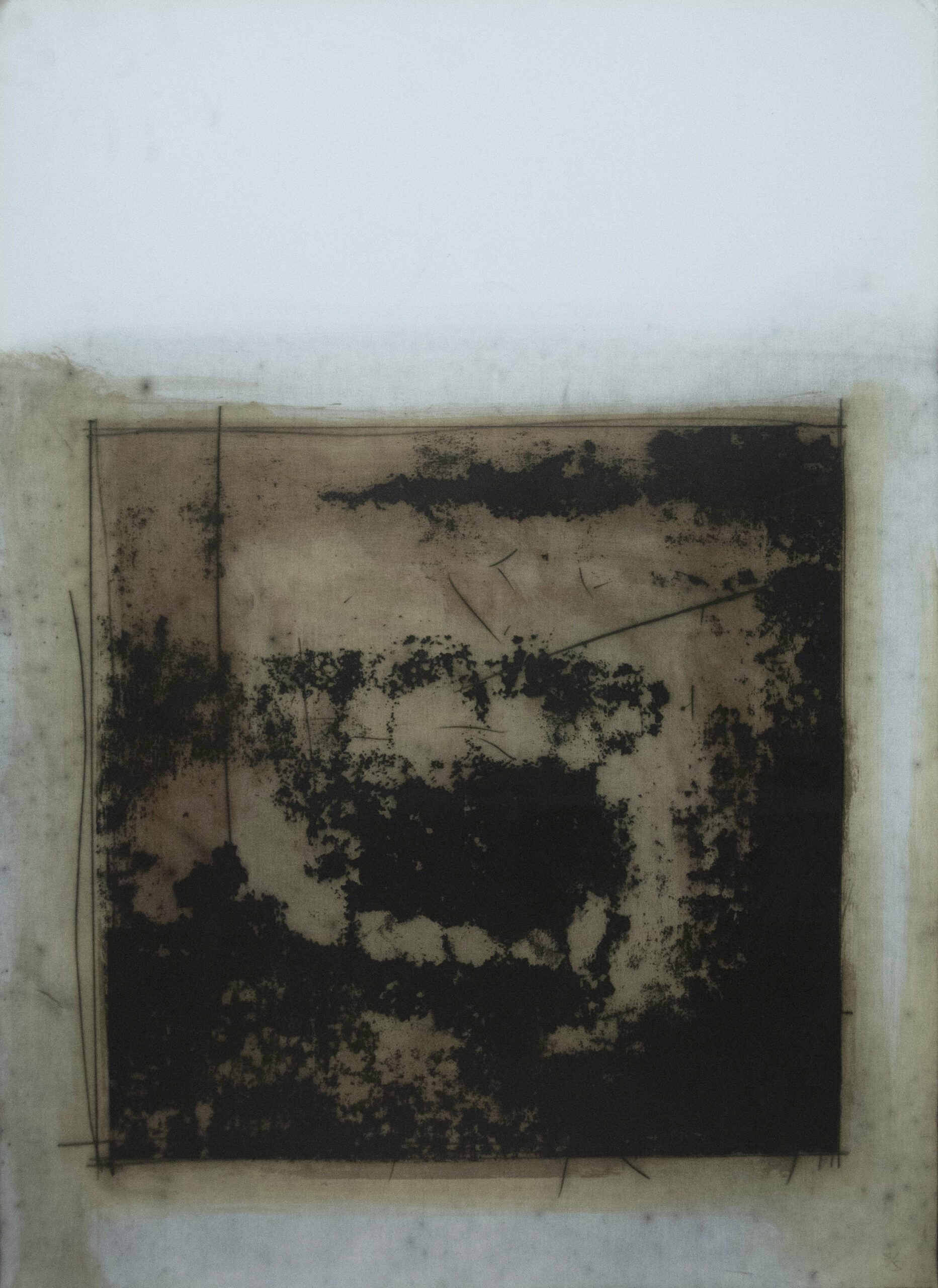
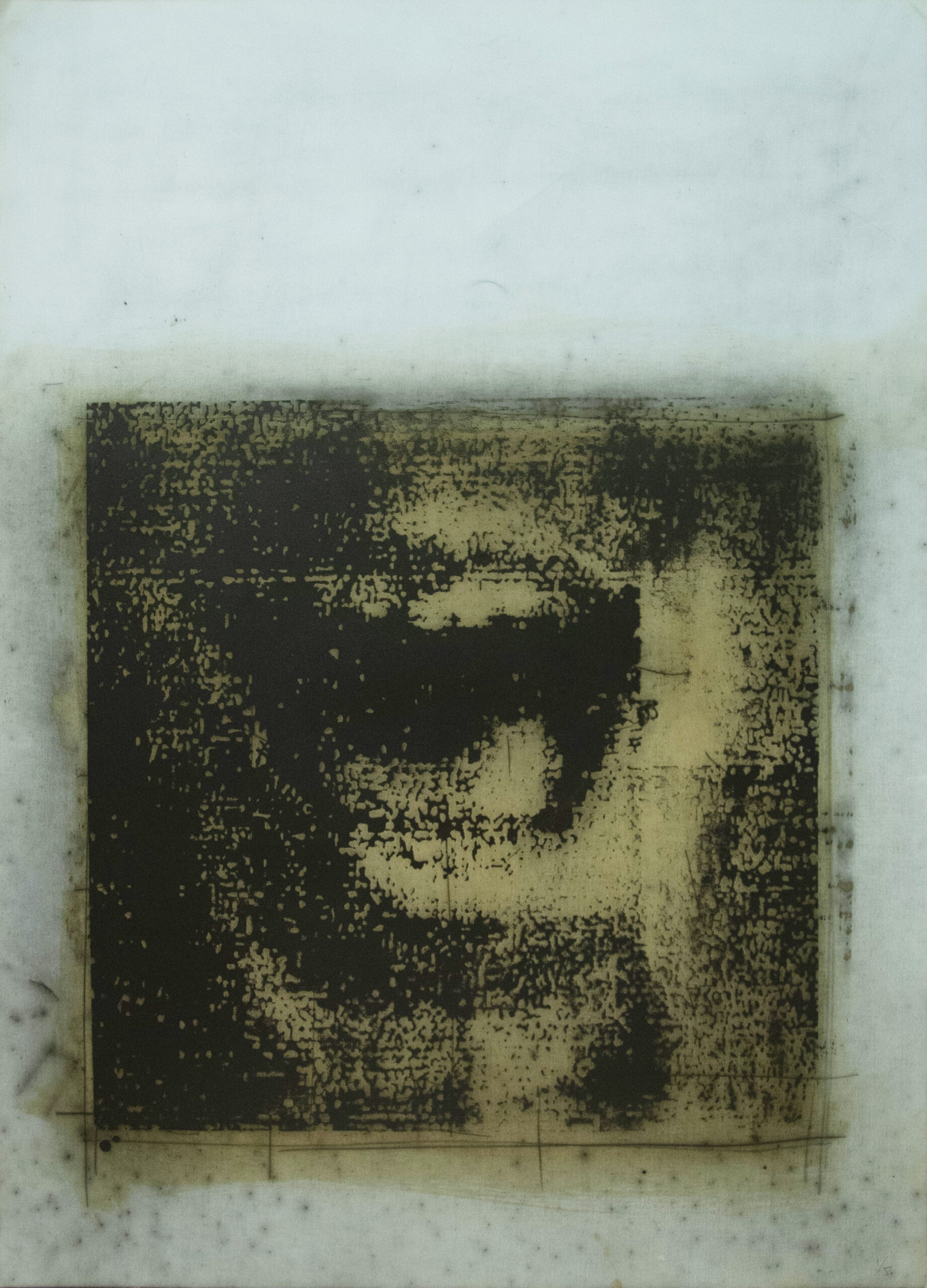
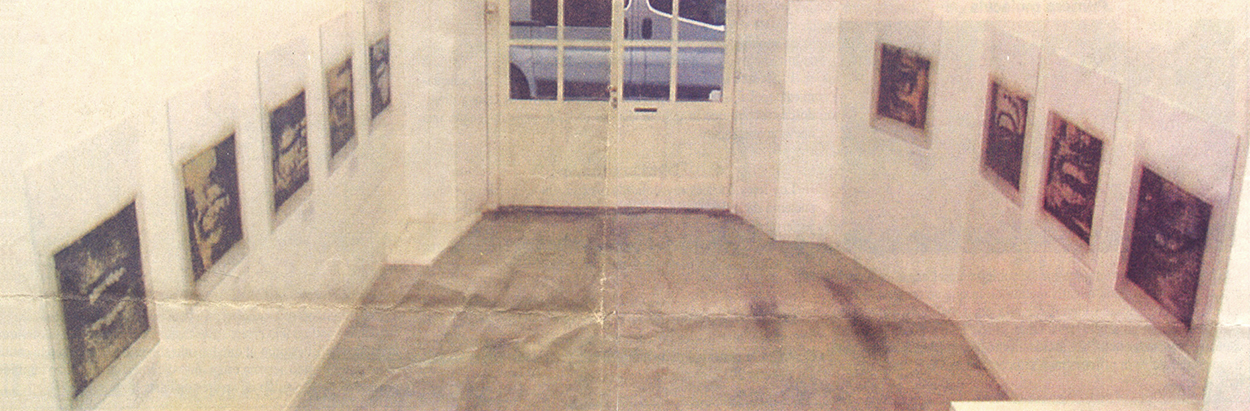
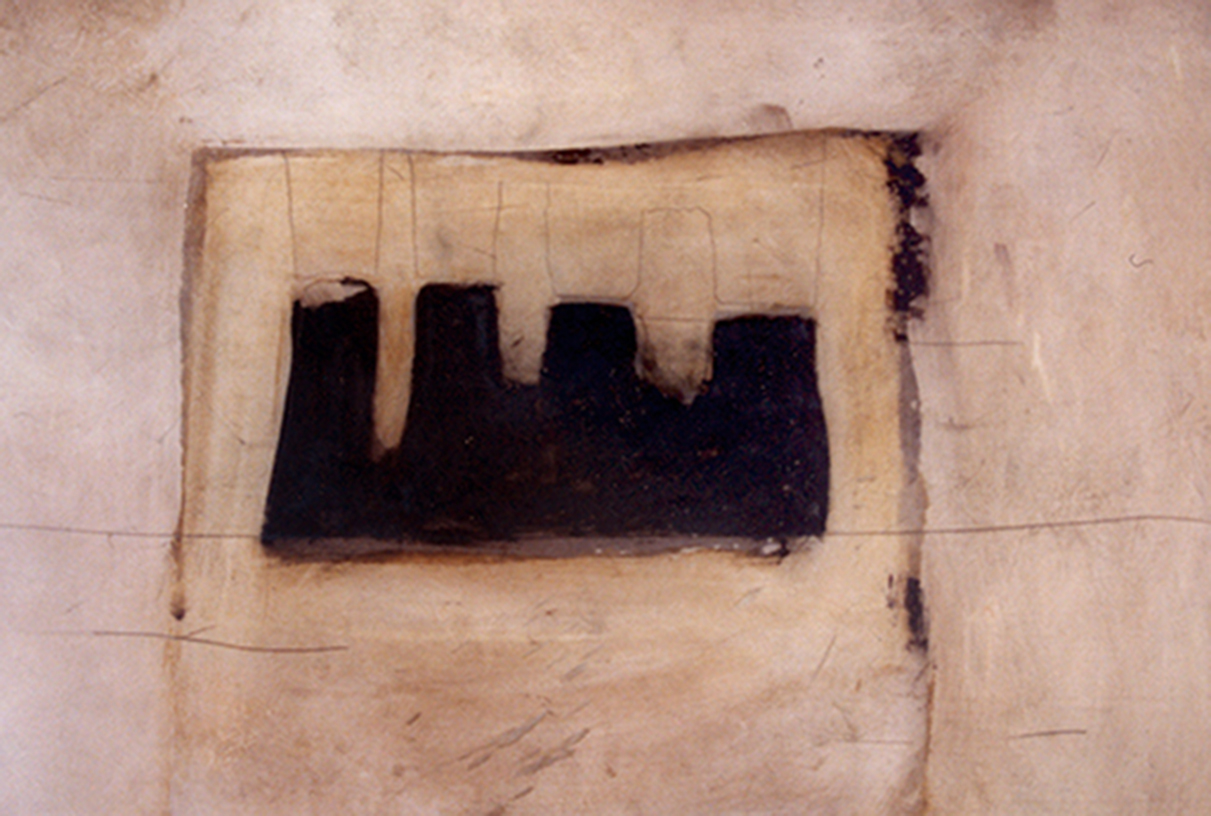
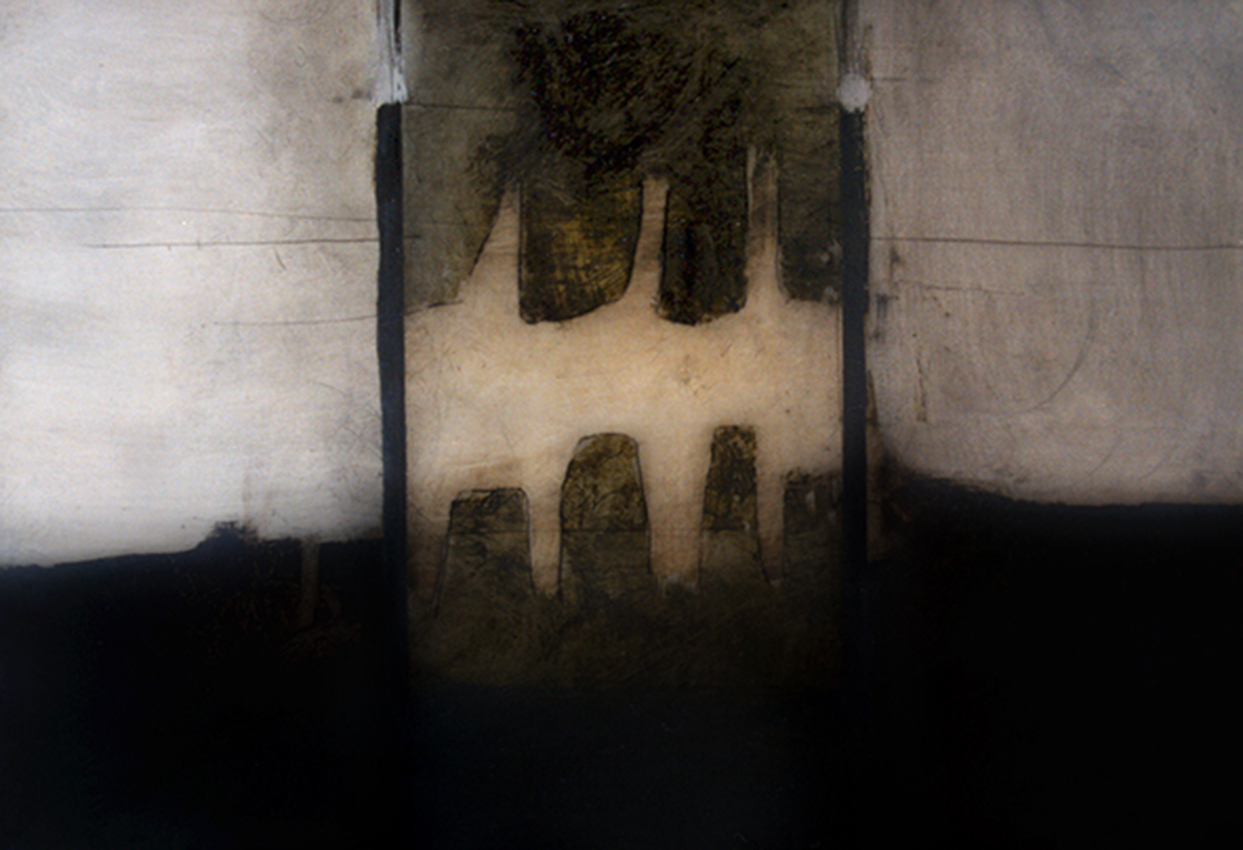
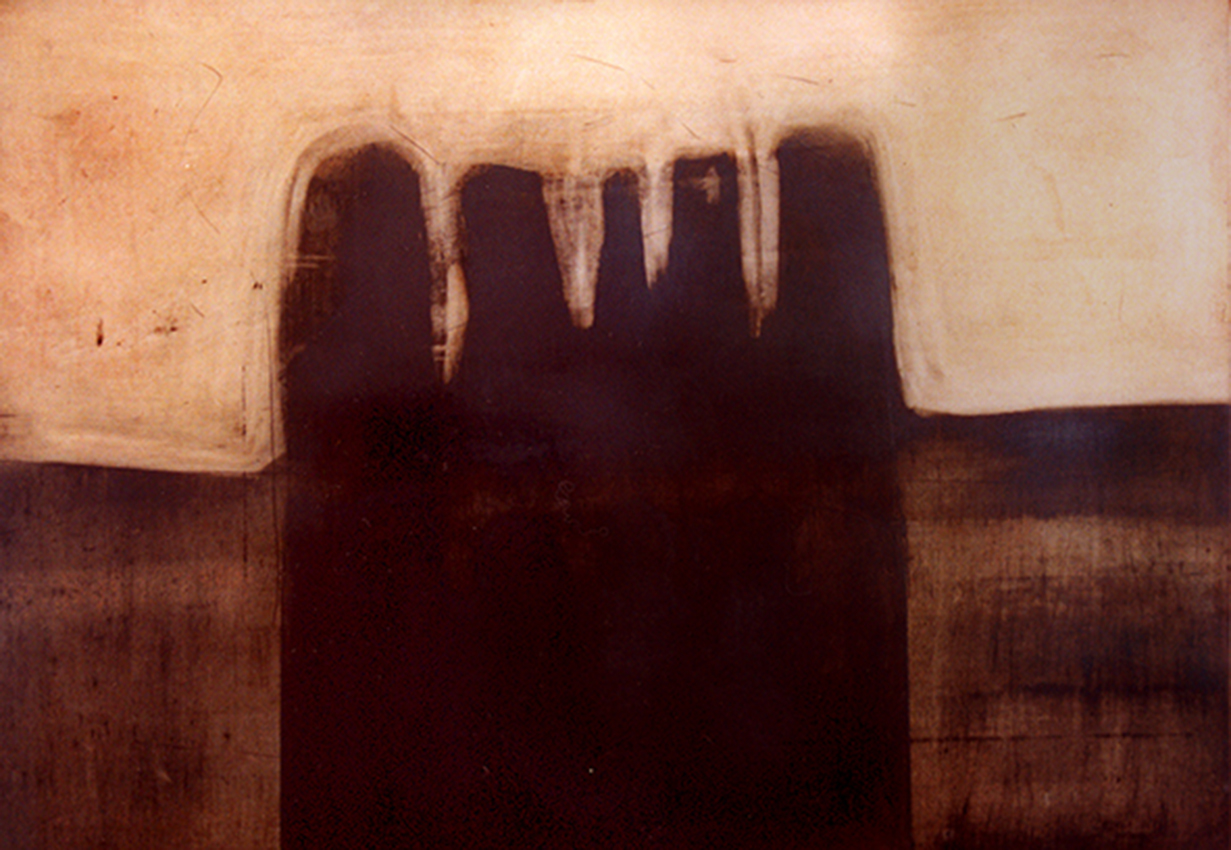
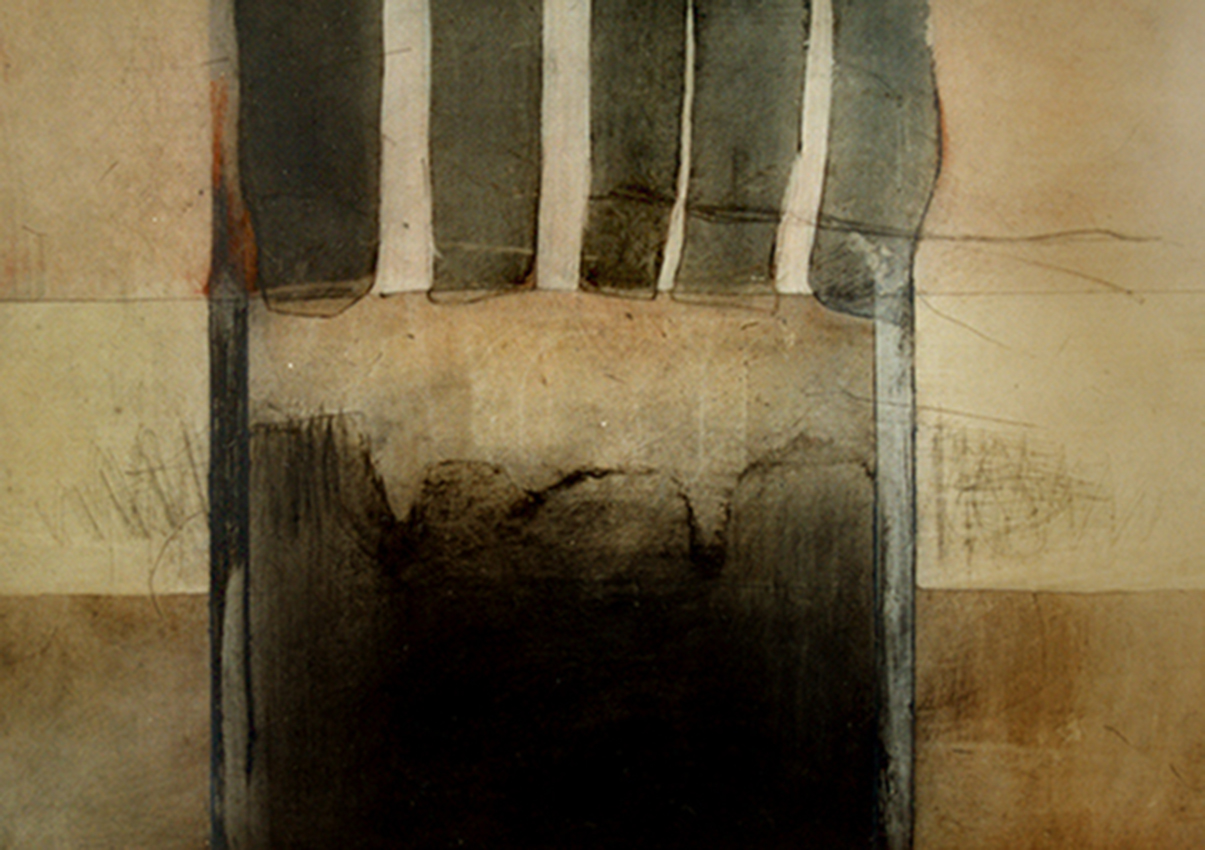
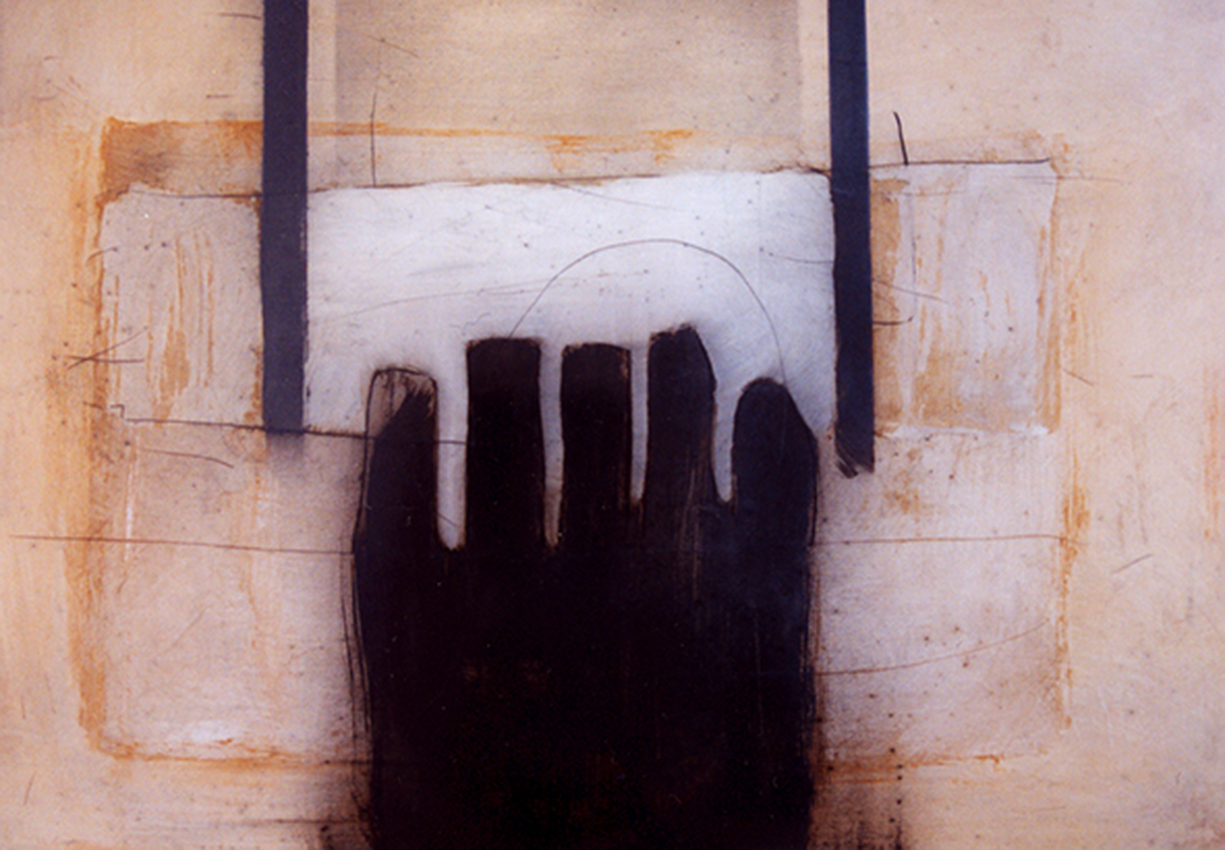
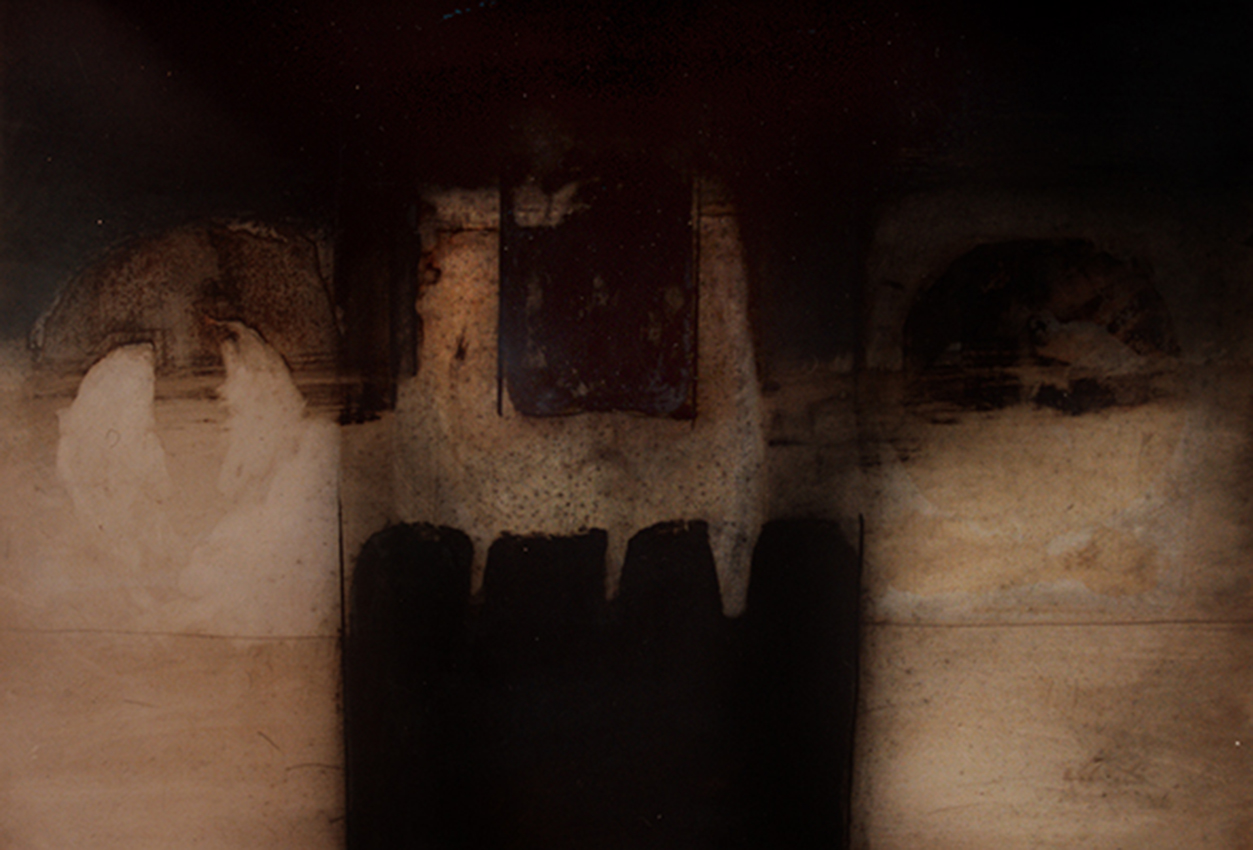
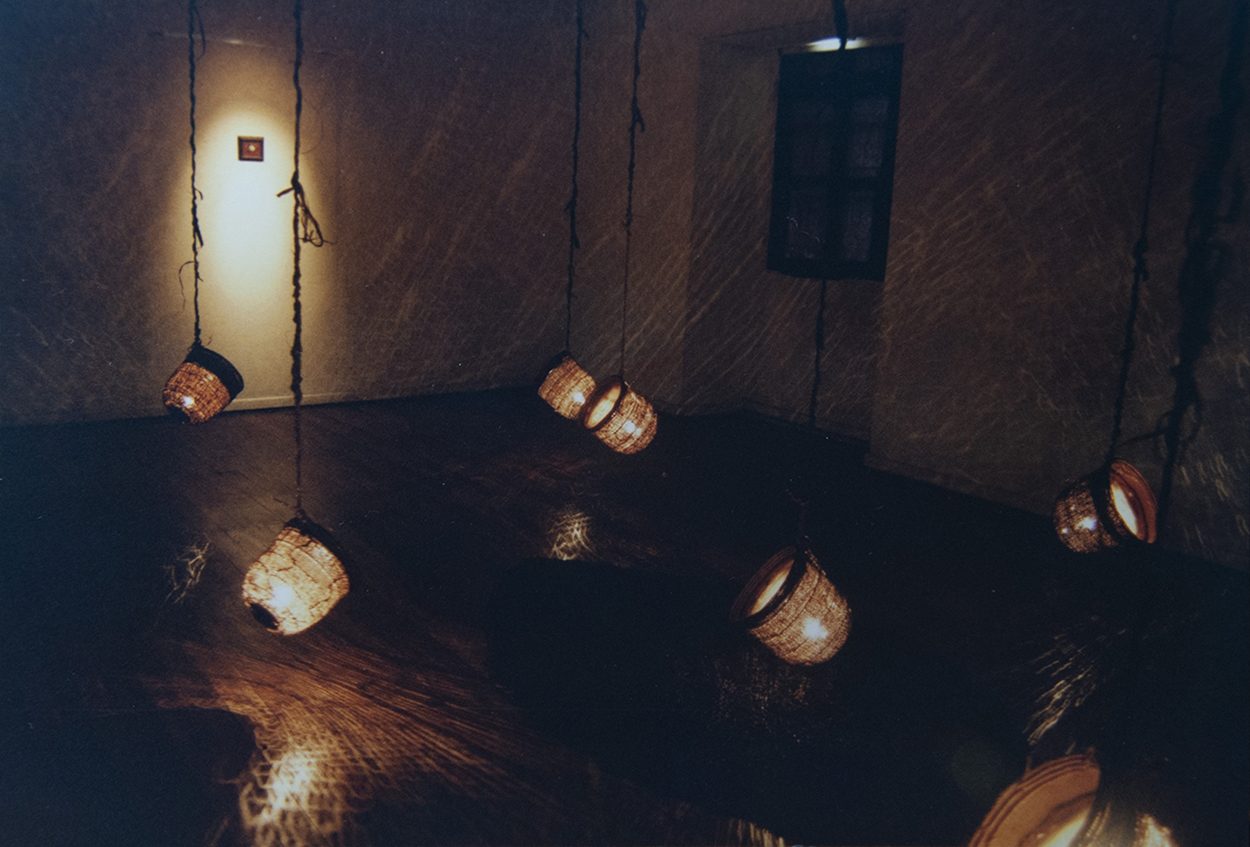
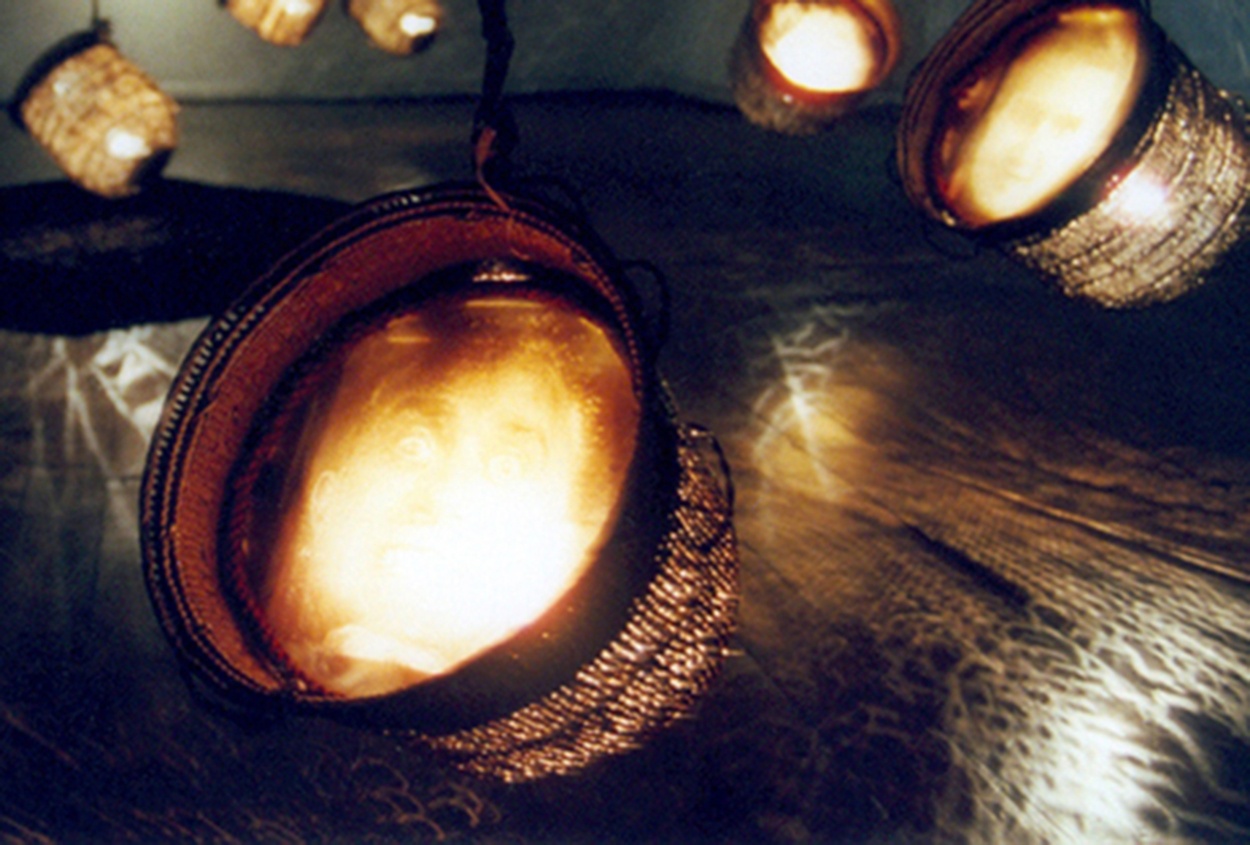
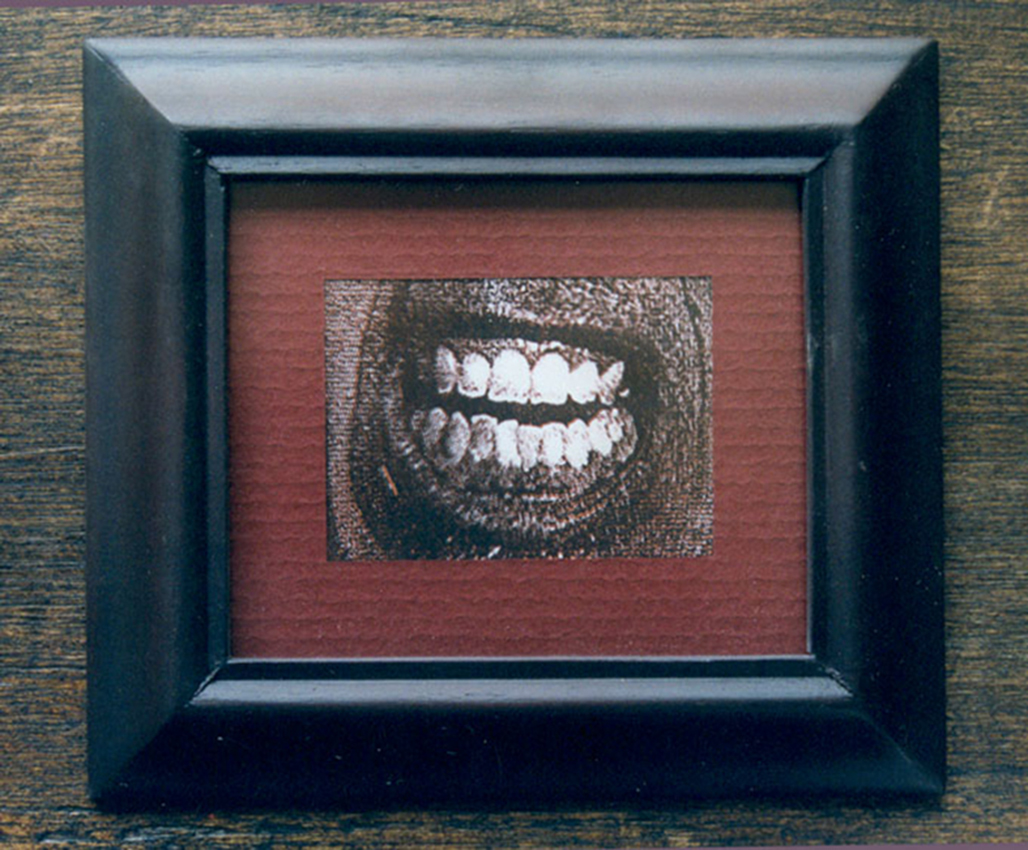
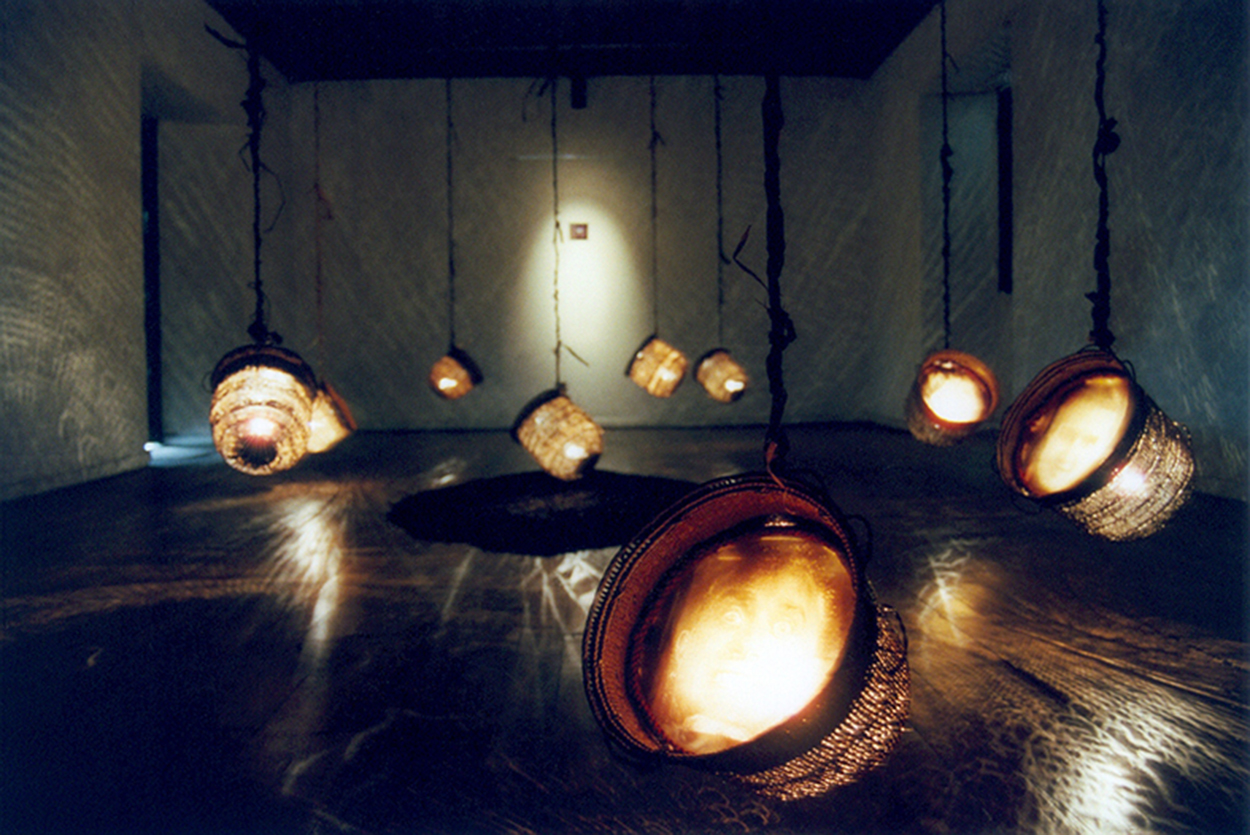
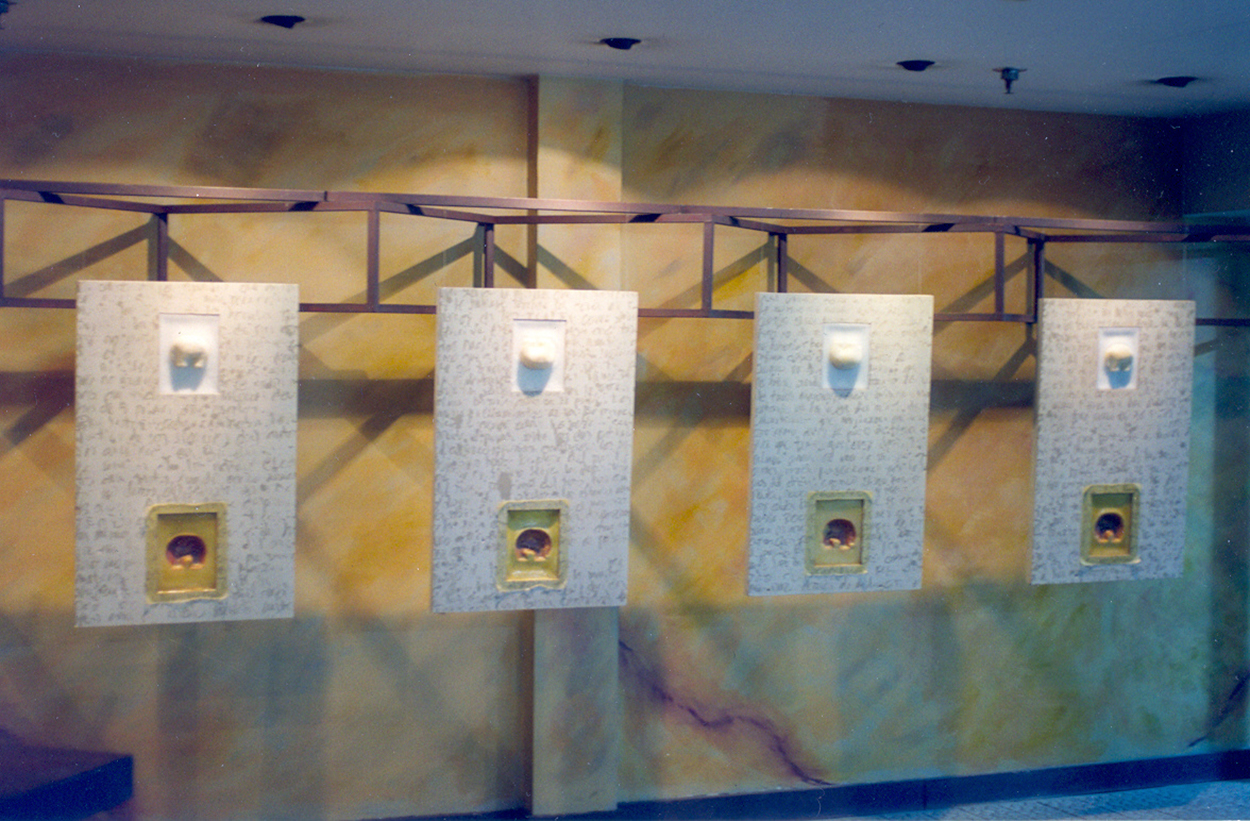
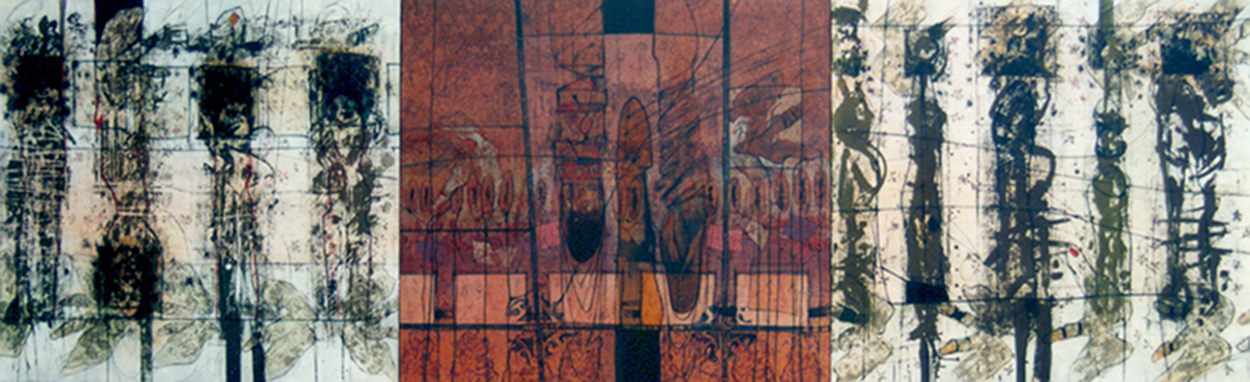
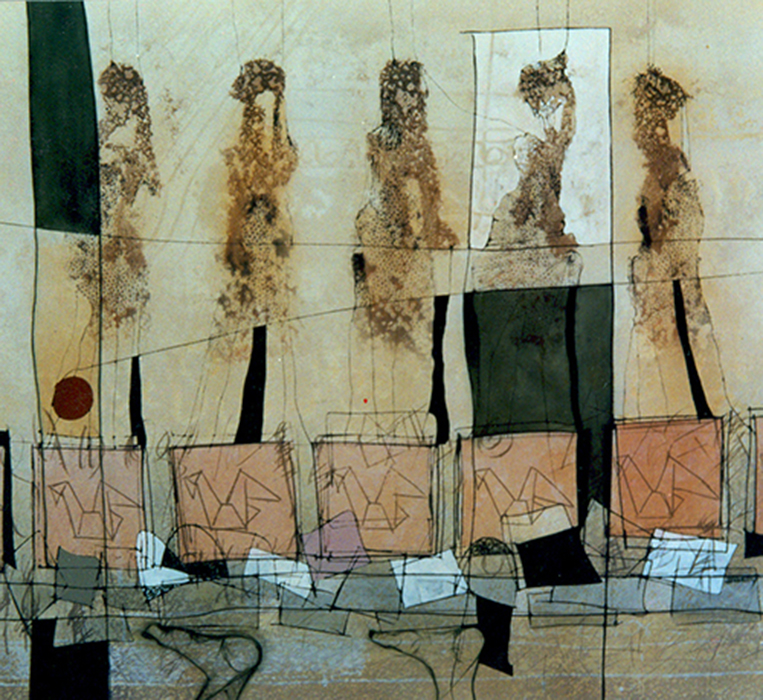
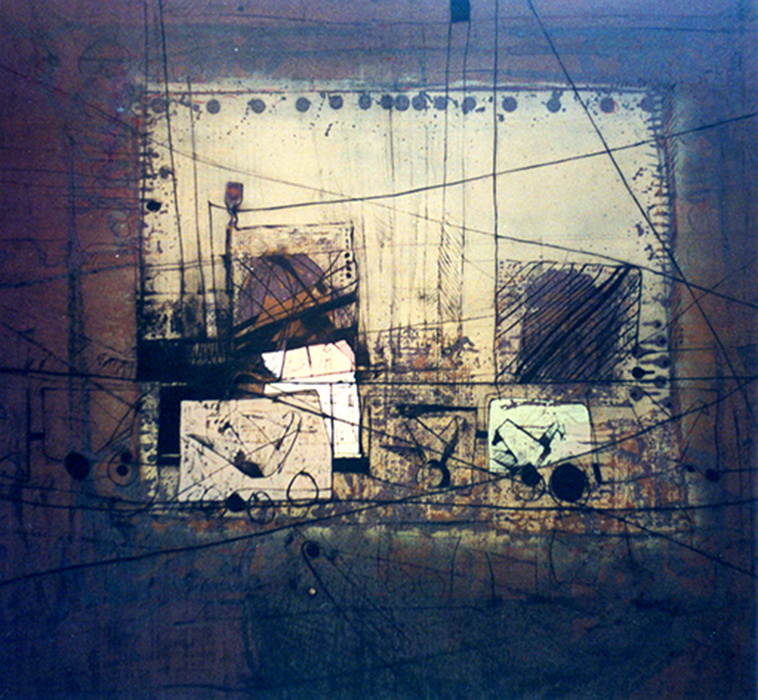
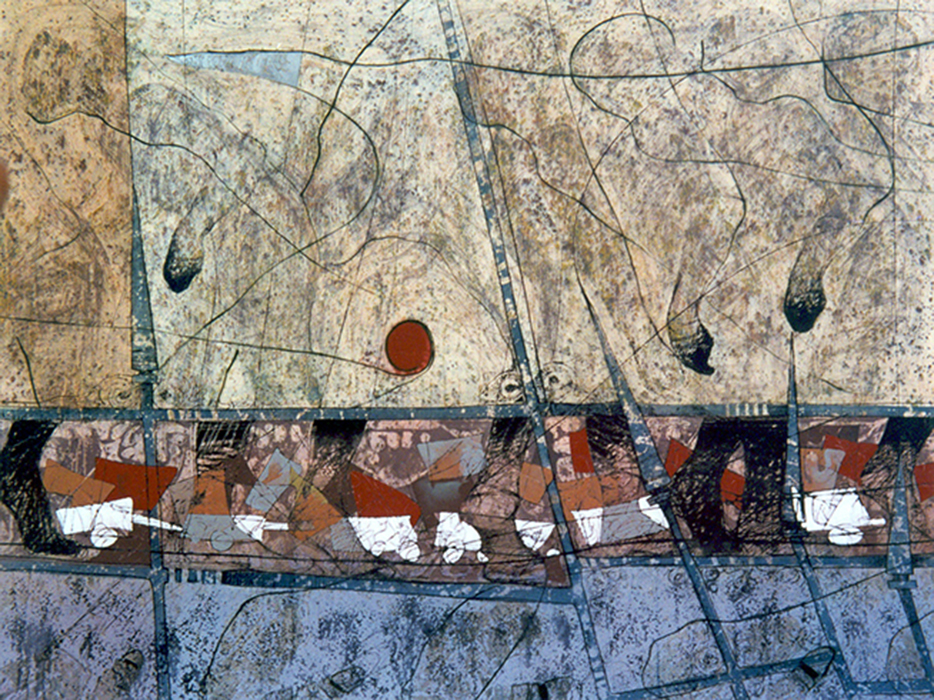
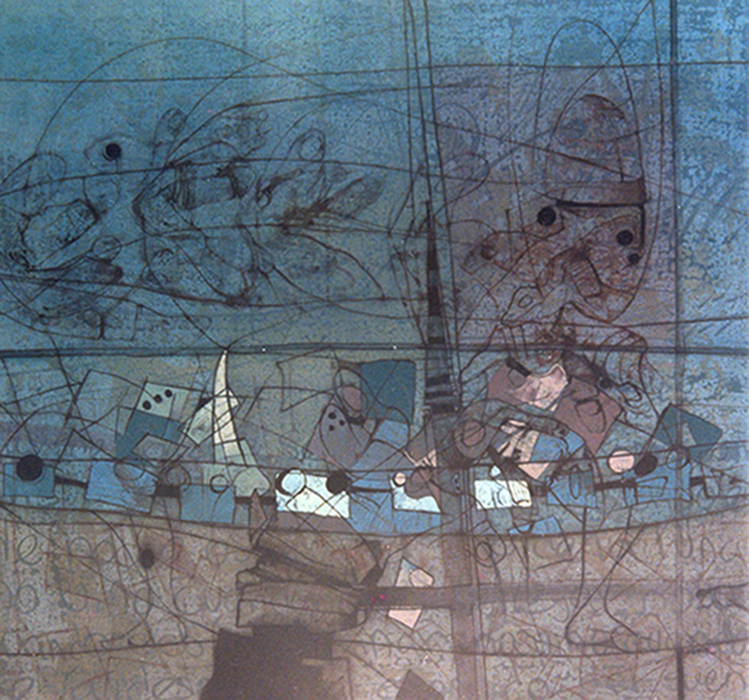
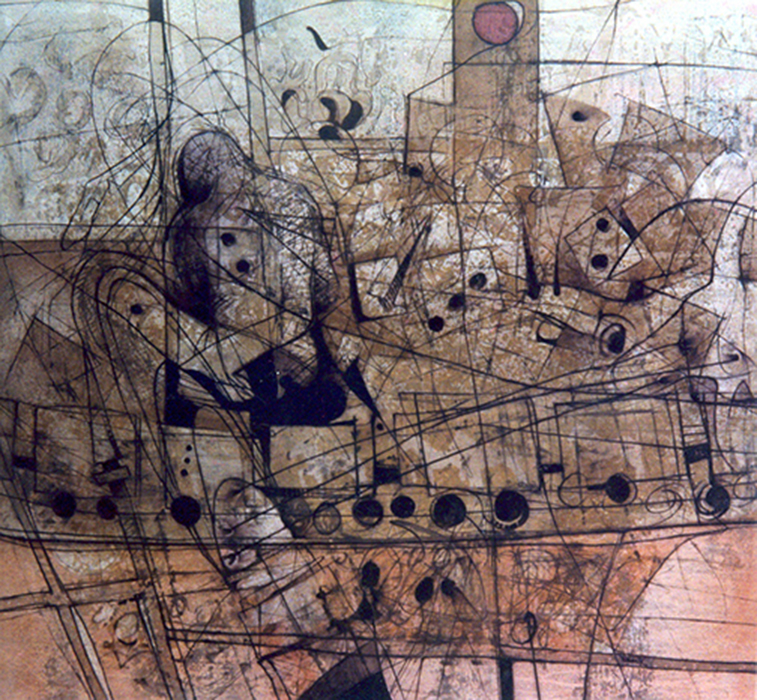
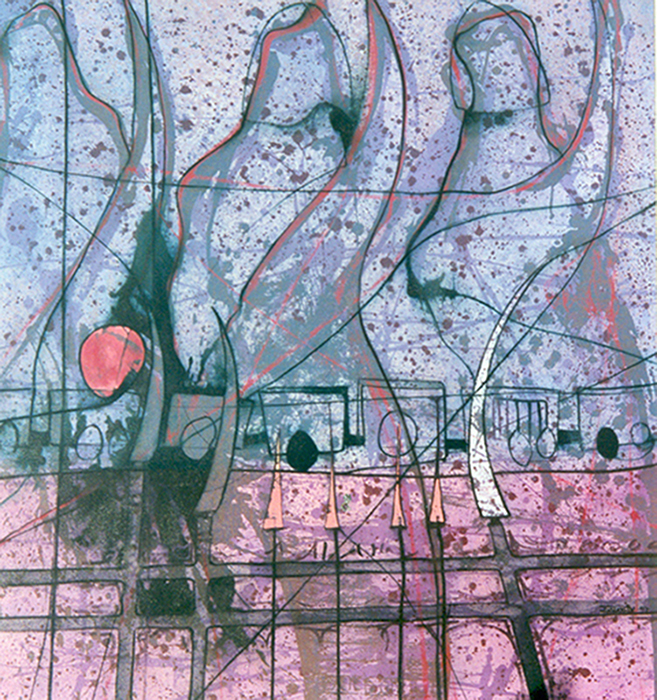
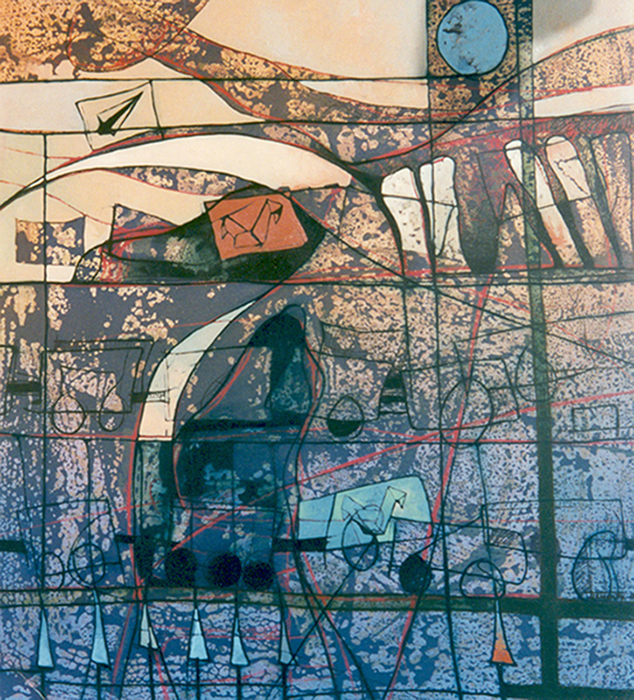
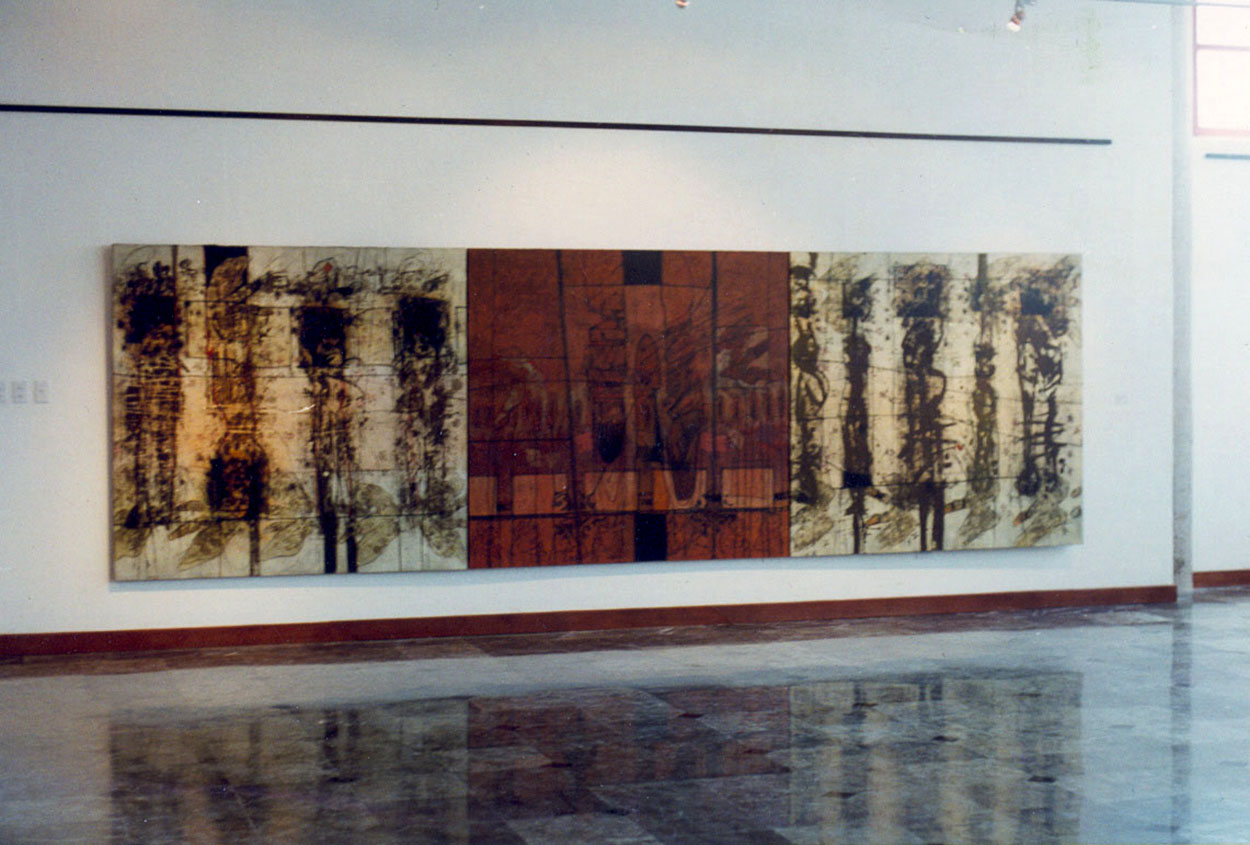
Nine graphic elements make up a single piece, Laughter of Nine, the latest solo exhibition by the Colombian artist Edgar Insuasty, is a kind of confession. "This time it is something entirely intimate”, Edgar tells us as we begin our chat in a small cafe in Lleó Street in the old district of Barcelona called Raval, very close to the gallery that inaugurated his show yesterday. “I have questioned nine people with a single question, ‘to return…?’, and while one by one they answered, I focused on photographing their mouths, the smile, shy or determined, that from time to time could be seen at the corners of their lips". We ordered a couple of coffees and started talking about, why nine.
Edgar Insuasty: Well, it's been nine years here and nine represents birth and it had to be done. One person per year, each one telling their experience in one, two, three year periods and so on up to nine. The best thing is the definite way in which time influences people, the first one is so absorbed in the discovery of the novelty that they don't see anything else, but the last one is dramatic, more complex; distance, melancholy and things like that come into play.
Roy Francesc: And you, did you identify with any of them in particular?
E.I: Maybe. (laughs) I'll tell you about it later…
R.F: The idea of photographing them smiling works as an irony? Because some of the answers, especially the last ones are rather sad...
E.I: The symbolism of the mouth is associated with a very graphic double pole, on the one hand there is the consuming or better said, the ”devouring" element, and on the other, the creative verb, communication, the word, man speaks and at the same time devours. And we also know that the latter is associated with fire or destruction, fire and creation, the point of union of the two worlds, the interior and the exterior. The people I questioned, answered the question in a practical way, they feel good or not so good depending on how long they have been away from their country, but deep down there is something stronger; the situation, being divided. It is interesting, how space and time influence...
R.F: Graphically too?
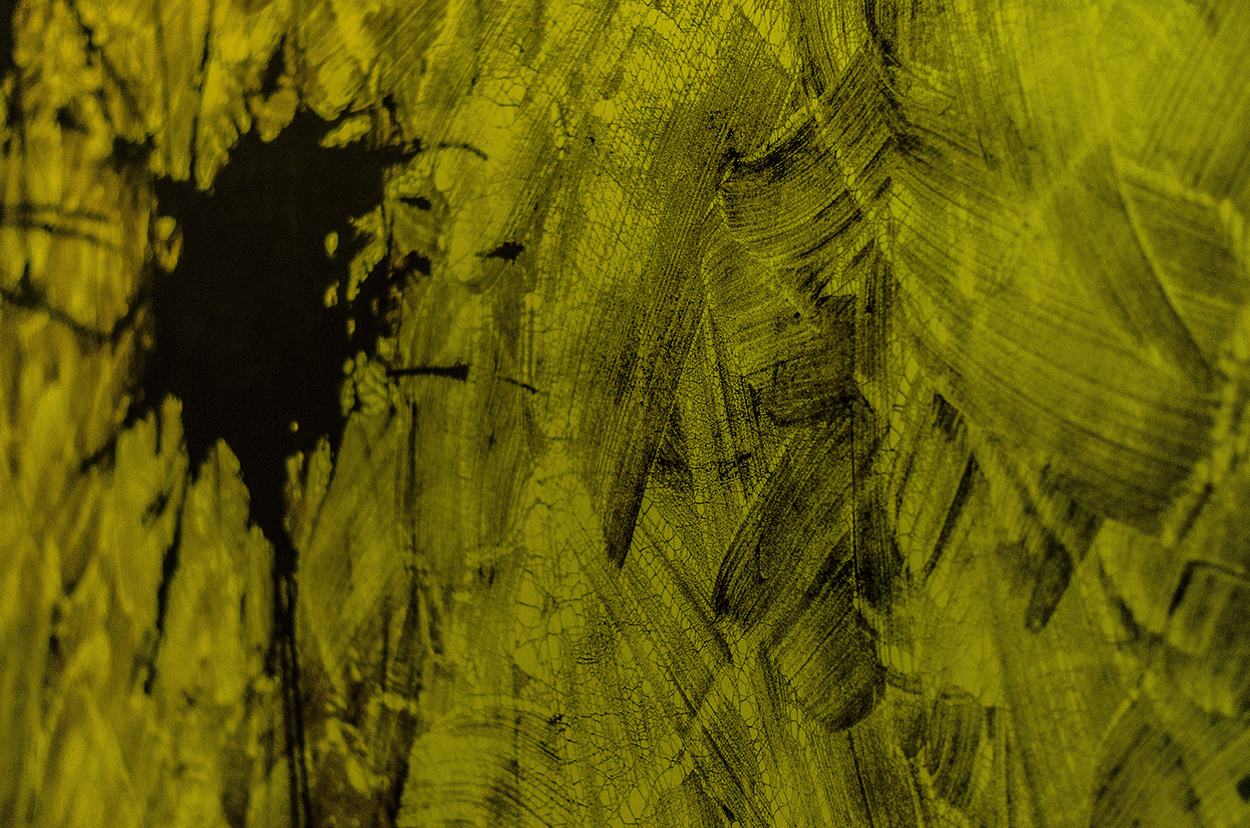
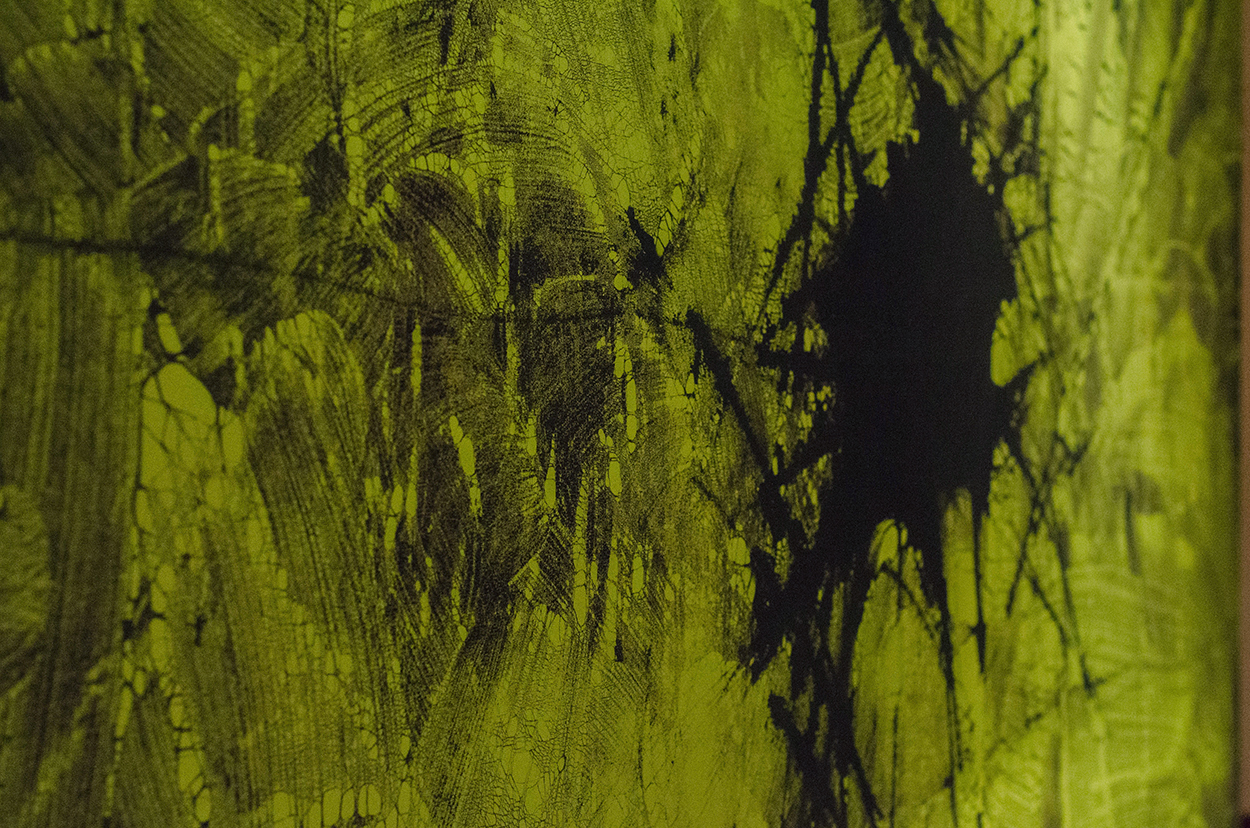
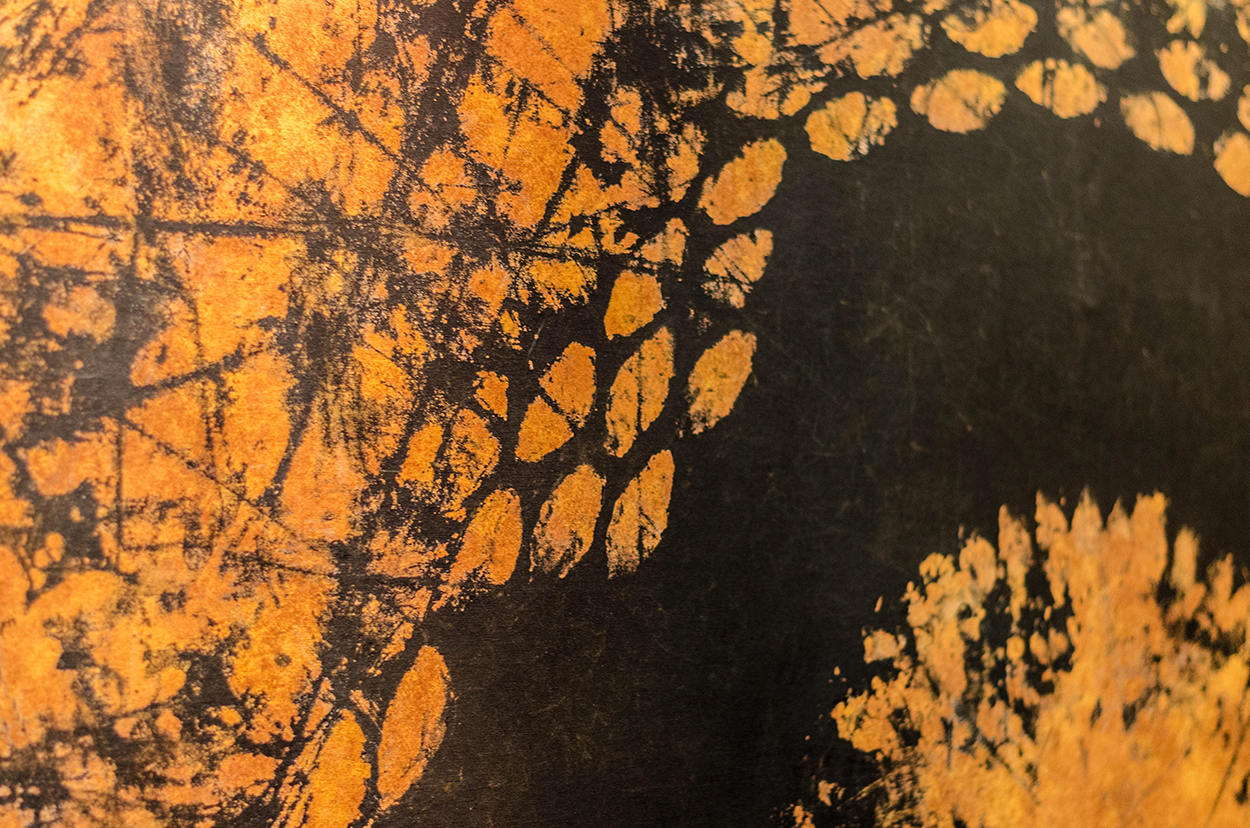
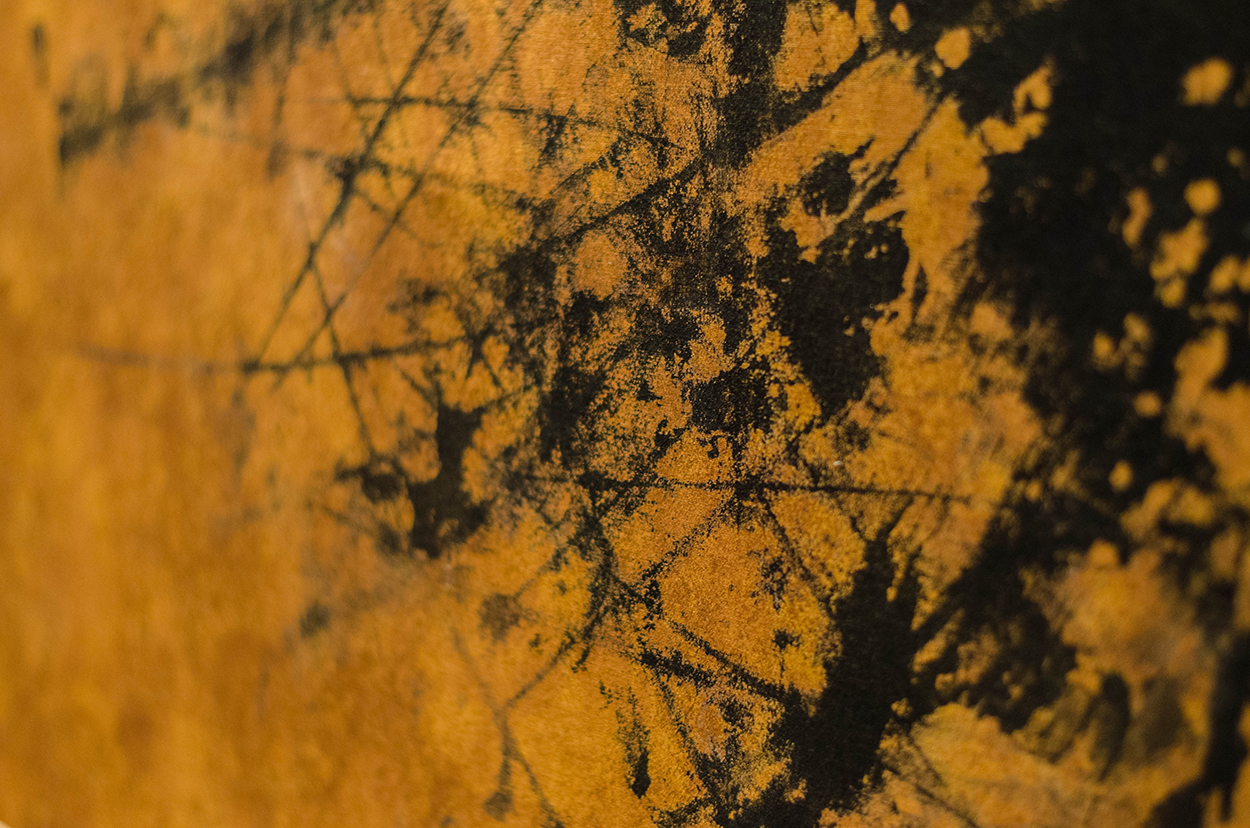
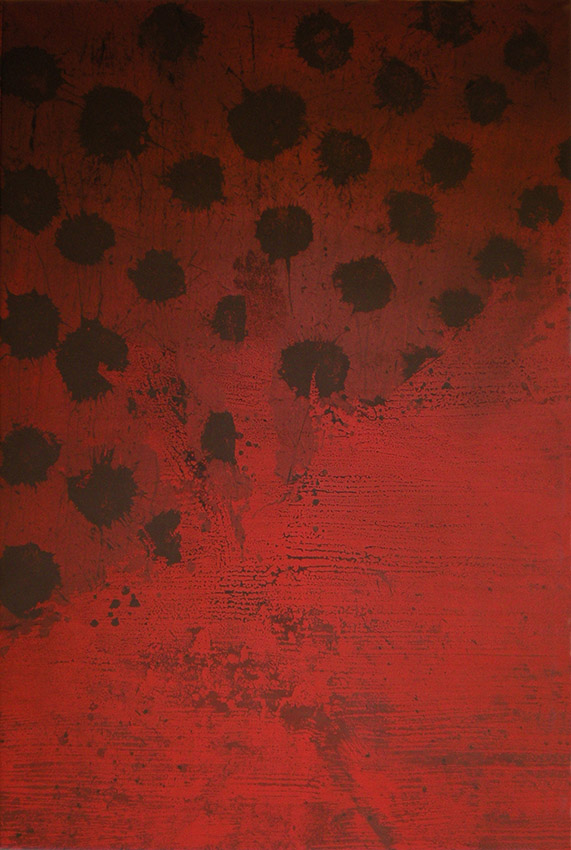
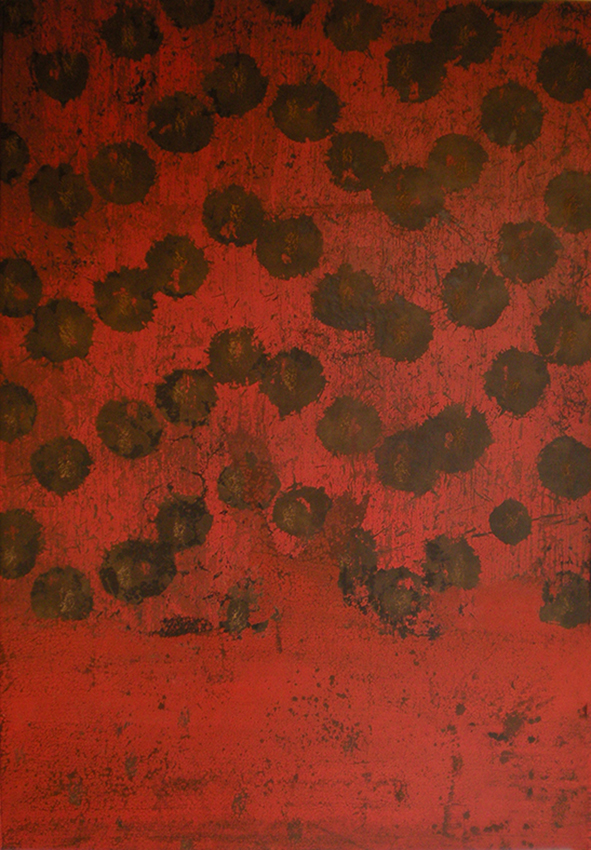
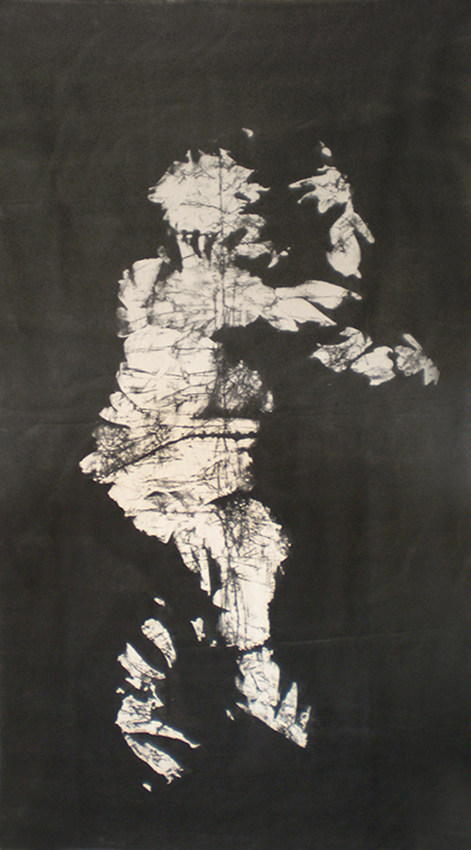
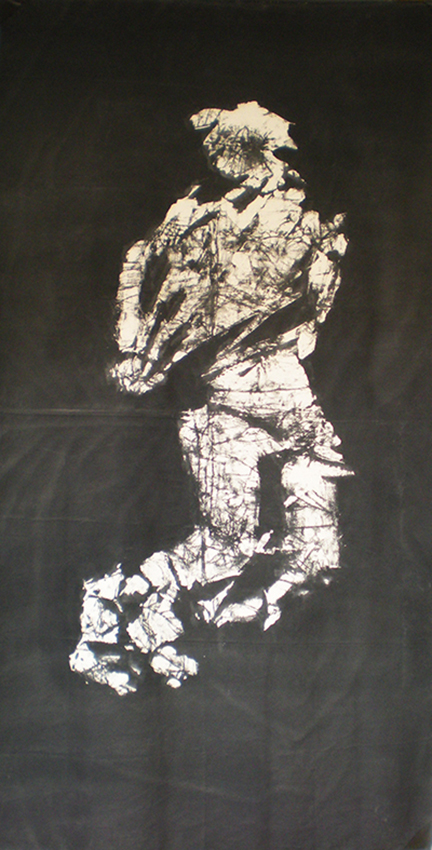
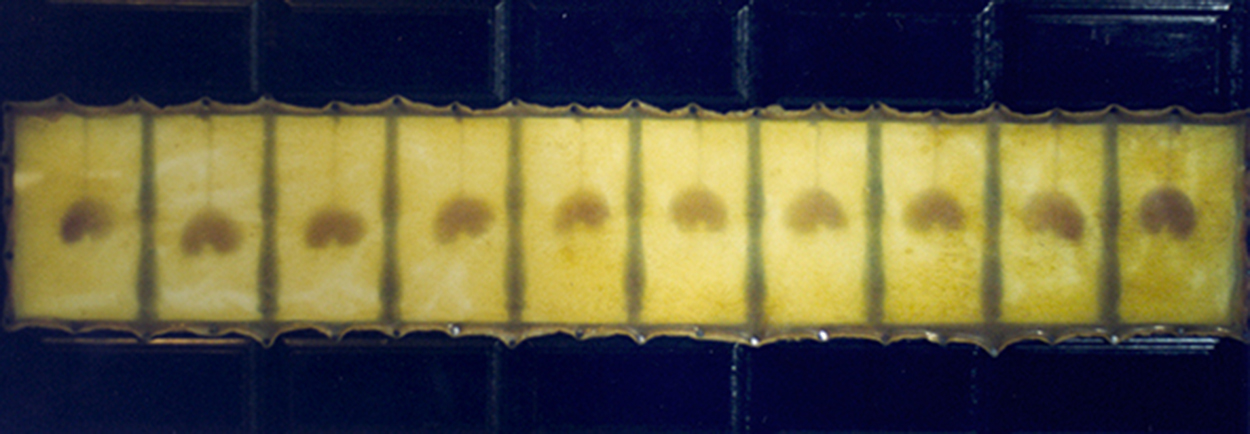
E.I: Of course, if you look closely, the image transforms little by little as time goes by, the man in the first image smiles like the man in the last one but the reproduction is different, at the beginning it's a smile, at the end, a grimace, almost like an abstraction.
R.F: Is this influenced by the fact that the nine pieces are graphic works, that is to say, a piece that is reproduced?
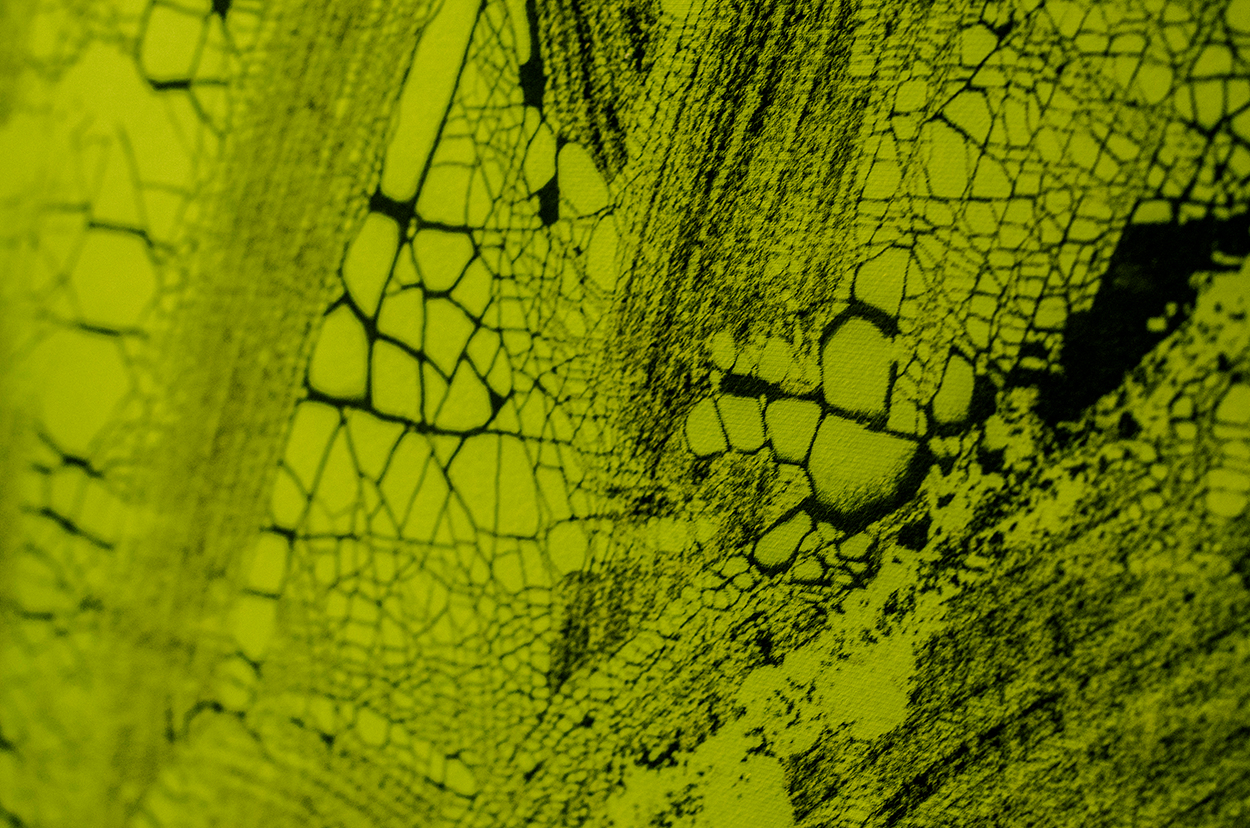
E.I: Not entirely, because the most important thing is not that they are silkscreen prints but that they are manipulated pieces, one by one; I made a short edition of each piece and although they all start from the same base, it is in the partial manipulation that the series and the linearity of course become concrete.
R.F: Technically they are very attractive?
E.I: Yes, but that's not relevant. That's not the point.
R.F: So it's a strategy?
E.I: Exactly. The nine silkscreen prints, the mouths, the symbolism of the smile and the mouth, and all that, the transcription of the texts, work correctly, but what interests me is the action, what happens while I elaborate and develop the idea. The strategy we're talking about is very personal and directly associated with my notion of making art. I set up a situation, what happens while the action develops is what really moves me to do it. Art must happen, not to be hung and seen, I mean that there is a temporal and spatial implication in the making of a work, I try to make it not just my own thing. sucede mientras se desarrolla la acción es lo que realmente me mueve a hacerlo. El arte debe suceder, no ser para estar colgado y visto. Quiero decir que hay una implicación temporal y espacial en el hacer una obra, intento que no sea solo cosa mía,
R.F: There were people who identified with the texts or with the characters, shall we say?
E.I: Yes, but that's natural, these are responses from people who have migrated and in this city there are many immigrants, they are common stories. That's why I focus on what's behind them, the transformation, the vulnerability, the fragility that increases progressively, the time that devours everything.
R.F: Do you work with circumstances? Because you are also an immigrant and I suppose that that has marked you from the beginning.
E.I: Of course.
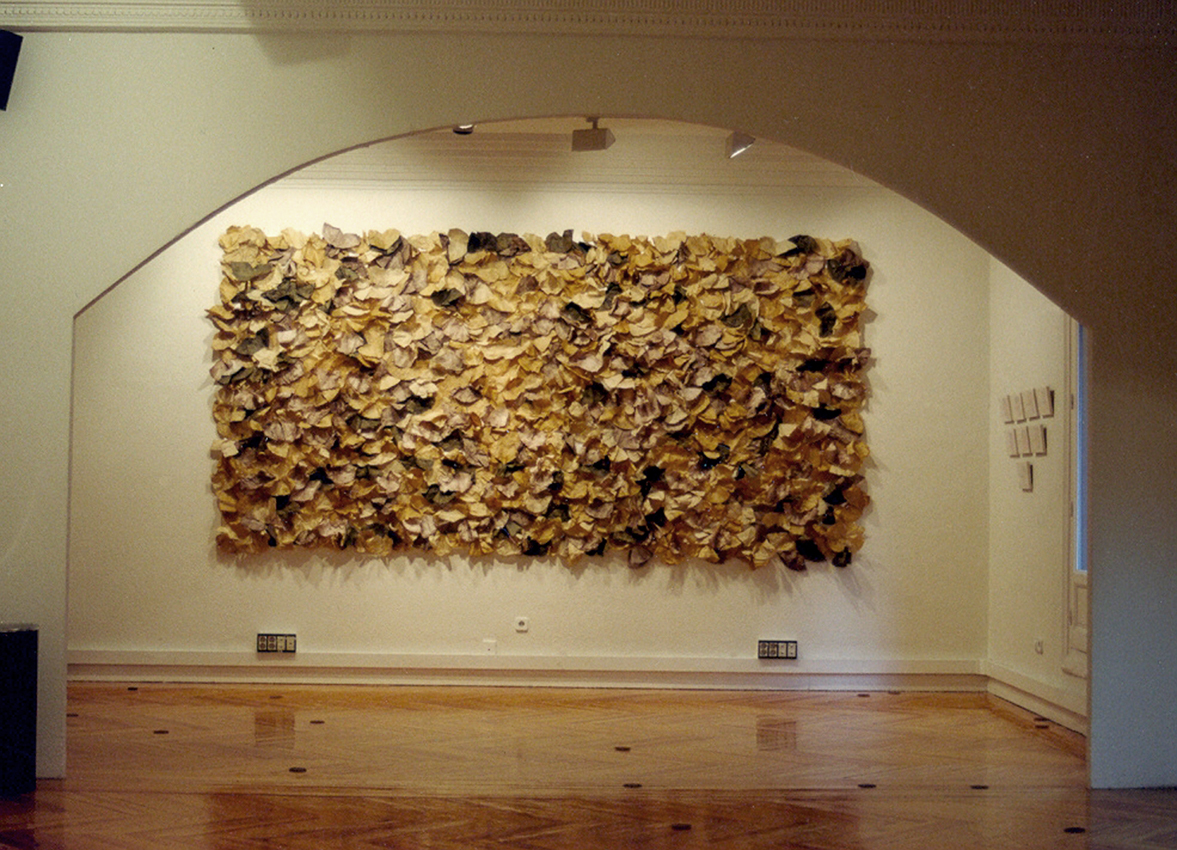
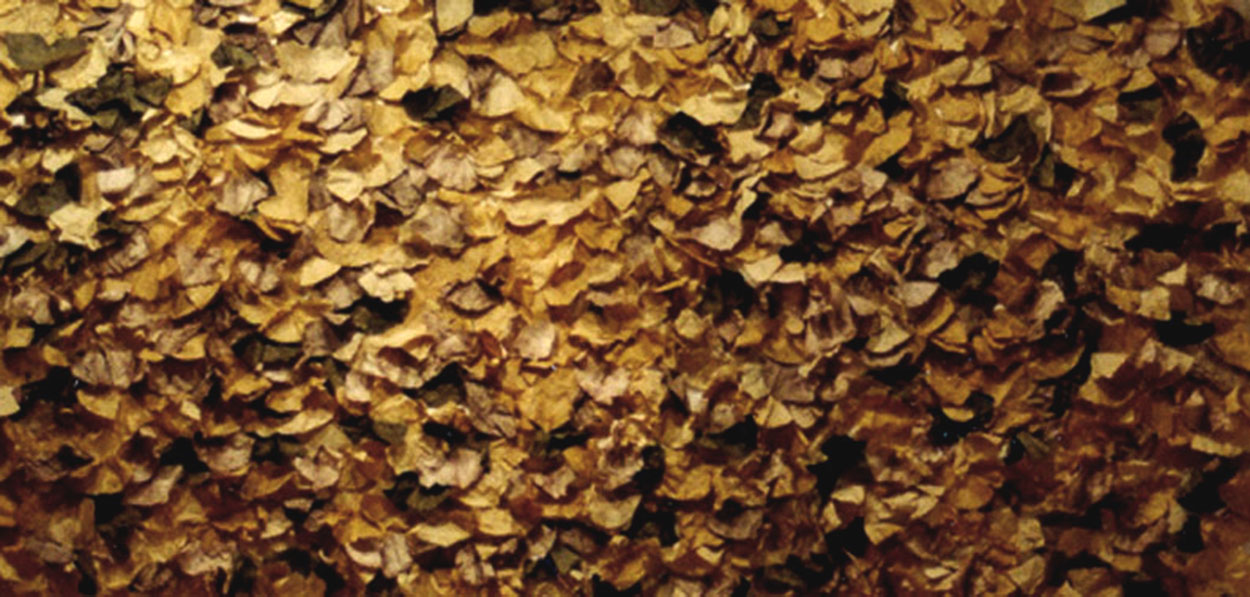
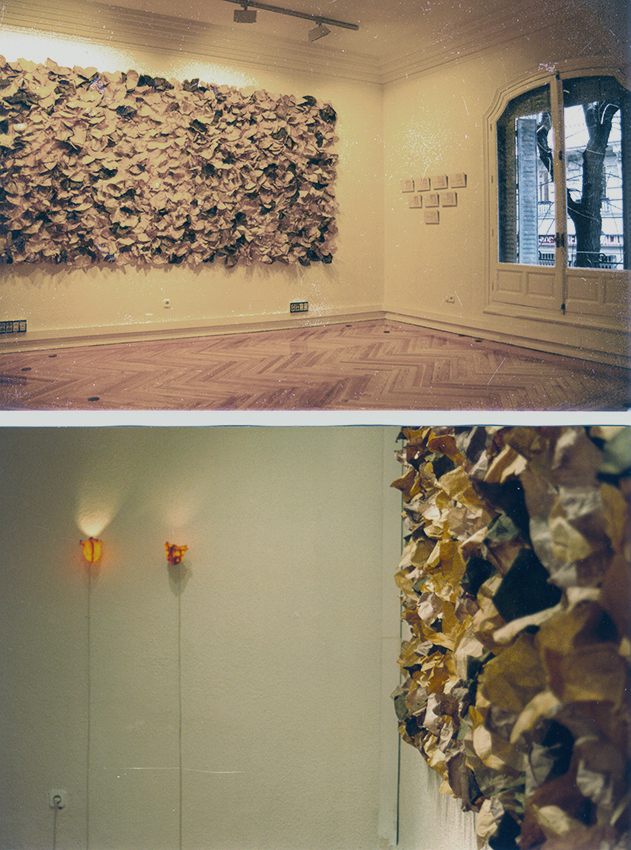
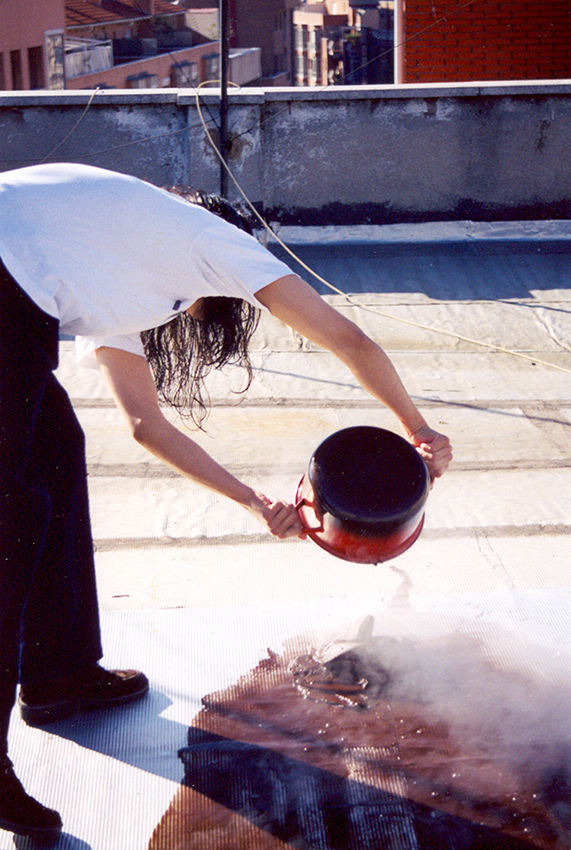
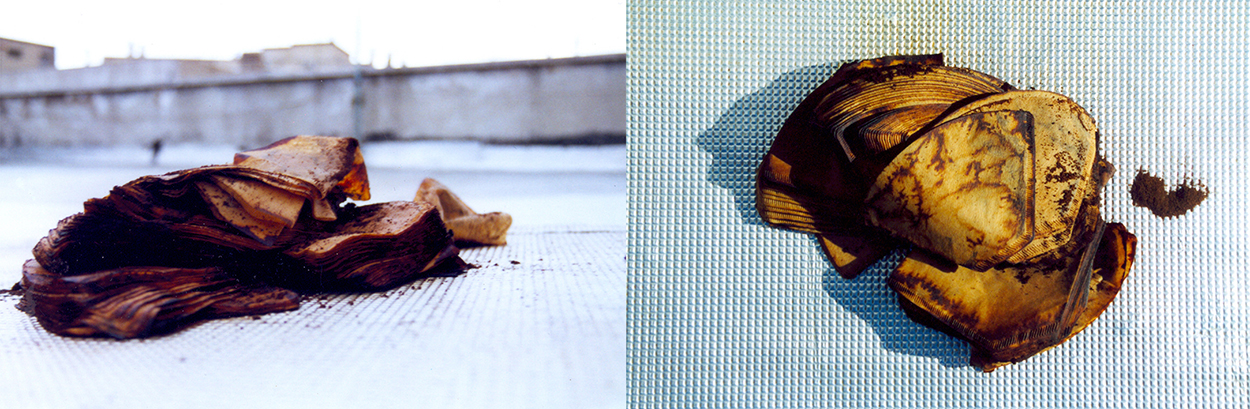
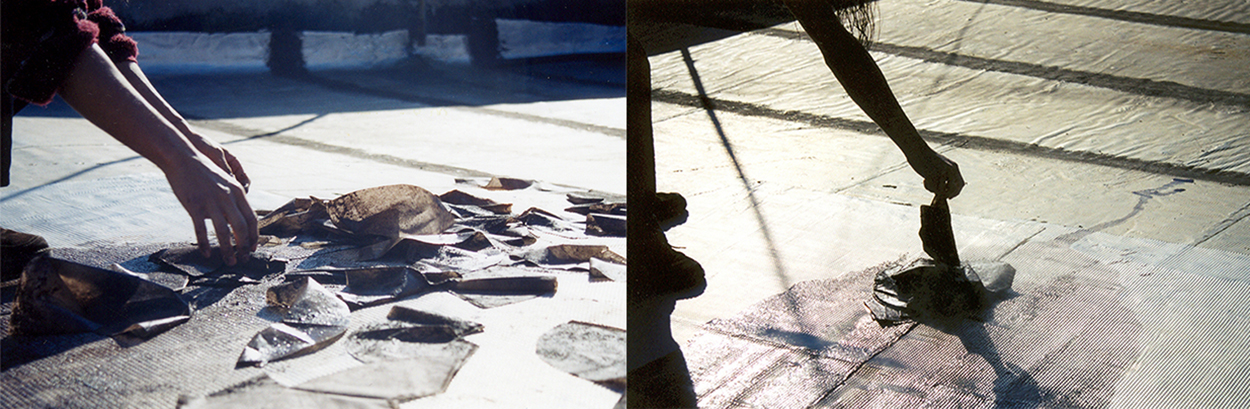
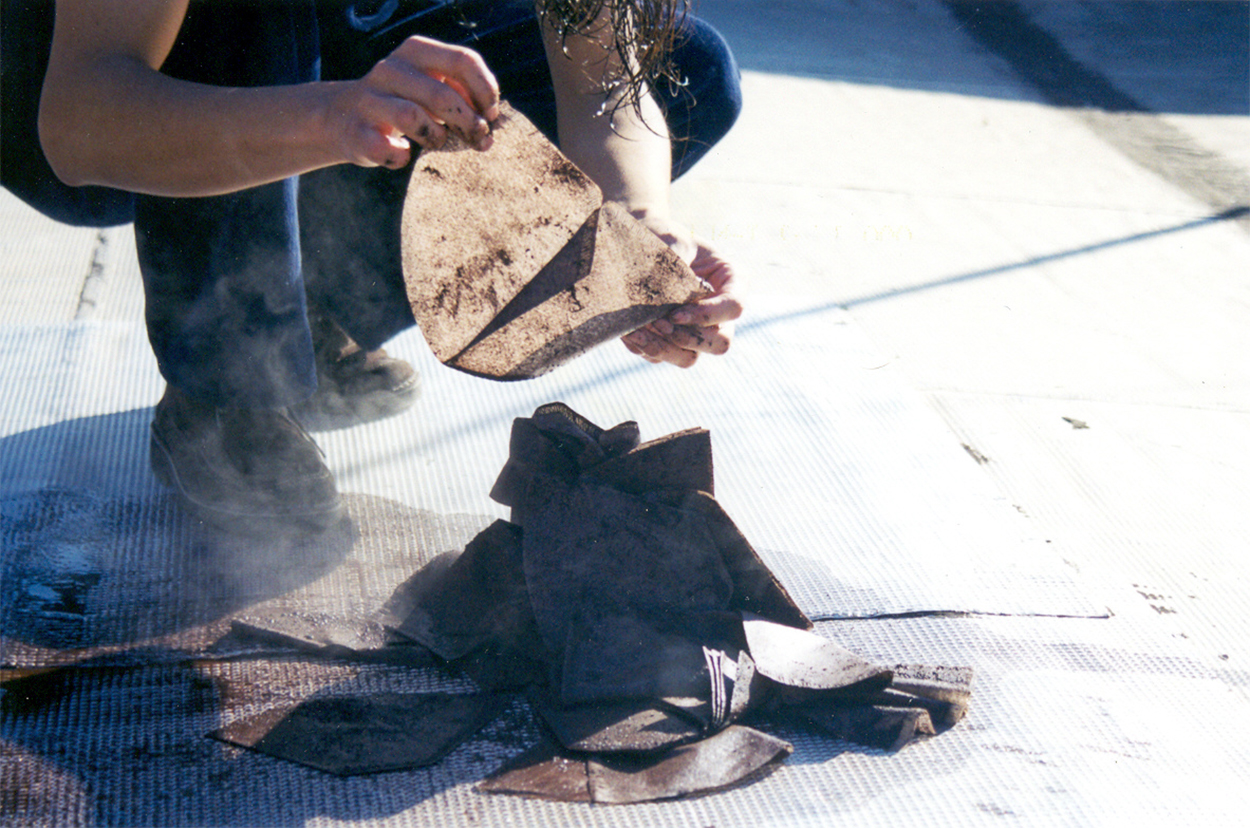
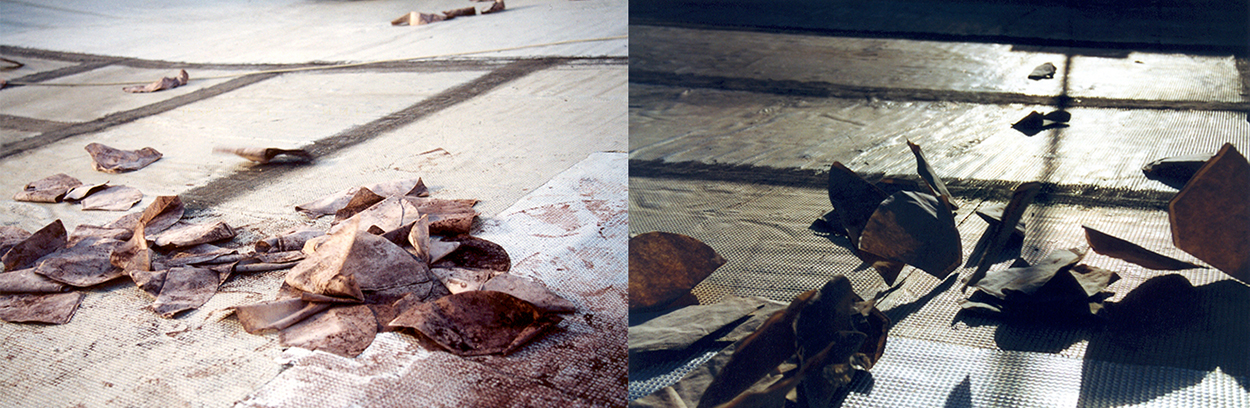
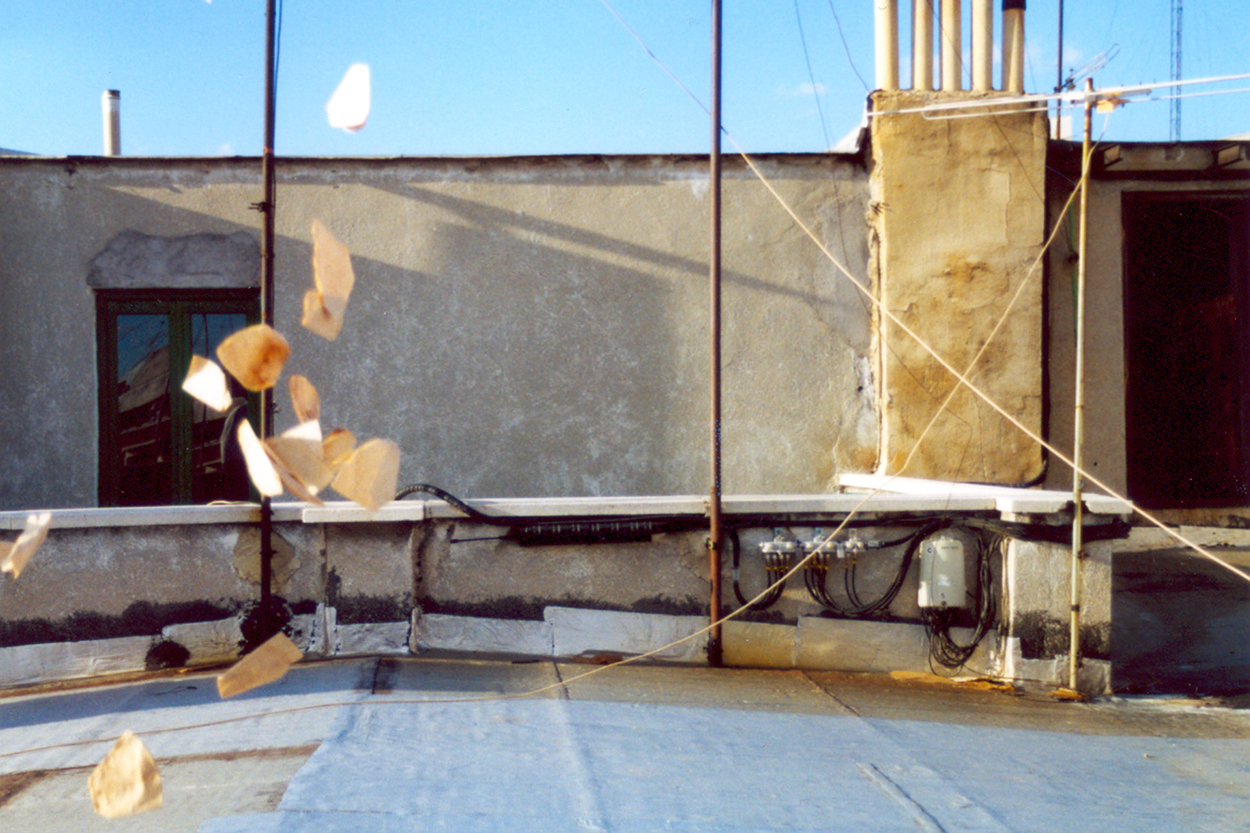
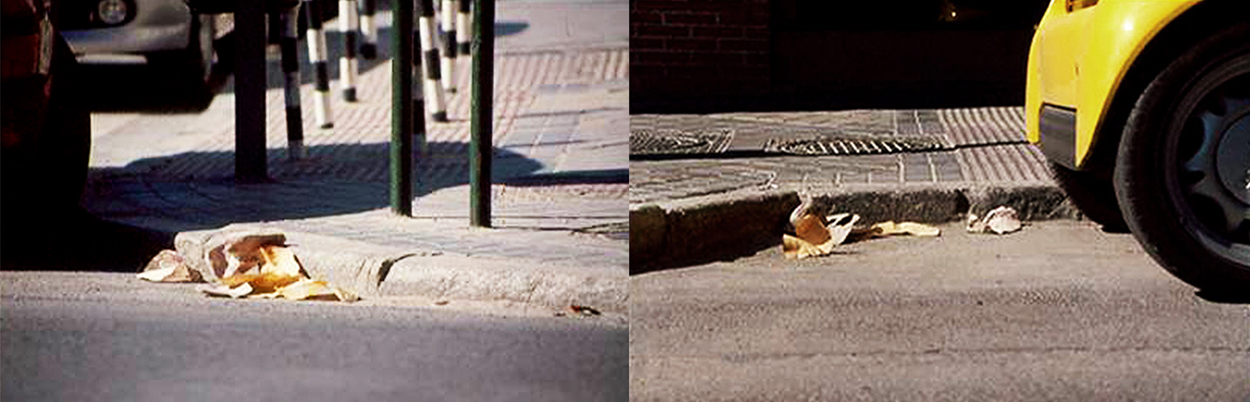
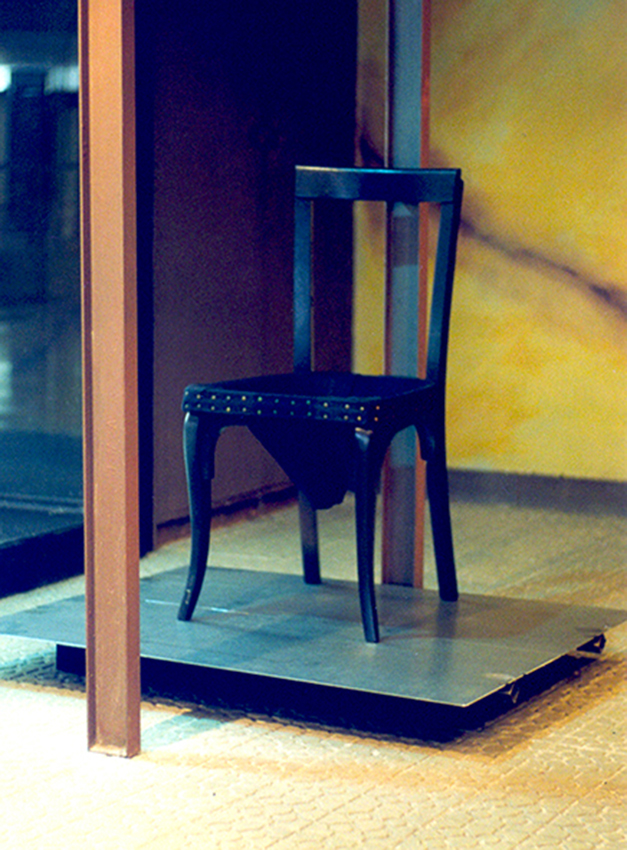
R.F: In some of your previous pieces, we've also seen that relationship, for example; when you worked with the coffee filters boiled in Colombian coffee talking about that metaphor of migration, or when you related journeys with the poetics of the space left on an empty boat…
E.I: Yes, that's right, but immigration is not a single circumstance, the phenomenon is more complex than it seems. I don't just talk about migrations, but about the way in which events influence people and me directly; the way in which the weakness and the limit of fragility makes a dent in the appreciation of reality, in what people show or how they show it.
R.F: Terribly fragile…
E.I: More than is apparent. We are vulnerable to fragility.
R.F: And reality?
E.I: We are always deceived. What we are shown is not entirely true. I like to think that nothing is as it is told, nothing at all; this is dramatic because we follow a partial reality, so our truth is half what we see and half what we are told. Then there is judgement and how you or I react. But all this is already a habit, everyone knows it and we have accepted it, that's why immediacy is so important, the immediate response to the question, the document has a lot of that, the event, unlike fiction, that leads us to imagine the possible. The best thing is that fiction also has a large percentage of reality, hence the complexity of fictitiously posing a phenomenon.
R.F: According to this, your works have something of fiction and something of documentation?
E.I: In the case of “Laughter of Nine", yes, well, and some others too. Earlier you asked me if I identified with any of the interviewees, and now I have to tell you that the interviewees only exist in the need to create the fiction of a document, it's like a contradiction, it's true, but I think that in doing so reality is questioned, they are fiction, it's myself responding to the migratory experience. However, I feel that it's not what really matters because the only true thing is that the emotions expressed are common to a multitude and that makes them true, that's what makes them a document.
Halfway between documentary and fiction, Edgar Insuasty's work seeks to respond to the author's own experience after nine years abroad, either far from his country of origin or from himself.
At the same time, the waitress of the small café, a young woman, also a foreigner, shows up with the bill, we pay and we leave; in the streets, hundreds of Pakistanis, Chinese, Romanians...